Chironomus kiiensis in Biomedical Research: Comparative Analysis, Unique Applications, and Future Prospects
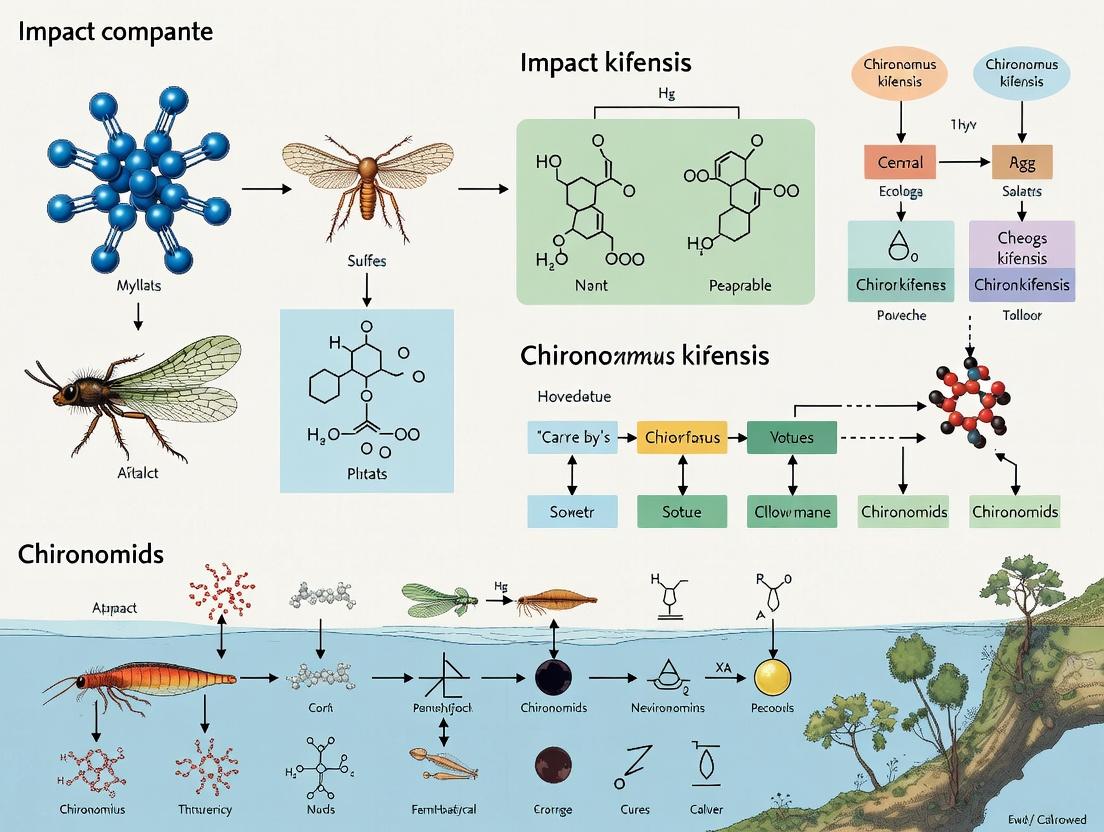
This article provides a comprehensive, comparative analysis of Chironomus kiiensis against other model chironomid species for researchers and drug development professionals.
Chironomus kiiensis in Biomedical Research: Comparative Analysis, Unique Applications, and Future Prospects
Abstract
This article provides a comprehensive, comparative analysis of Chironomus kiiensis against other model chironomid species for researchers and drug development professionals. It explores the unique biological characteristics of C. kiiensis, including its giant polytene chromosomes and hypoxia tolerance. The review details its methodological applications in toxicity testing, environmental biomonitoring, and the study of stress-response pathways. We address common challenges in culturing and experimental use, offering optimization strategies. Finally, we validate its specific advantages and limitations through direct comparison with established models like C. riparius and C. tentans, concluding with an assessment of its untapped potential in biomedical and clinical research, particularly for hypoxia-related disease modeling and novel drug target discovery.
Unveiling Chironomus kiiensis: Biology, Ecology, and Distinctive Traits for Science
Taxonomic Classification and Global Distribution ofChironomus kiiensis
Comparative Analysis: Habitat Preference & Bioindicator Performance
Chironomus kiiensis is evaluated as a bioindicator for eutrophic freshwater systems, particularly in East Asia. Its performance is compared against other common chironomid species.
Table 1: Comparative Bioindicator Characteristics of Select Chironomid Species
| Species | Preferred Water Quality | Key Indicator for | Global Distribution Core | Sediment Preference | Reference Toxicant (LC50, 48h) |
|---|---|---|---|---|---|
| Chironomus kiiensis | Eutrophic, Organic-rich | Anthropogenic Eutrophication | Japan, Korea, Eastern China | Fine, organically enriched | Cd²âº: 2.8 mg/L [1] |
| Chironomus riparius | Mesotrophic to Eutrophic | General Organic Pollution | Holarctic (Widespread) | Variety, often sandy | Cd²âº: 5.1 mg/L [2] |
| Chironomus tentans | Mesotrophic | Sediment Toxicity | North America | Silty, moderate organics | Cd²âº: 6.4 mg/L [3] |
| Chironomus plumosus | Eutrophic, Hypereutrophic | Severe Eutrophication | Palearctic (Widespread) | Fine, anoxic mud | Cd²âº: 4.0 mg/L [4] |
Experimental Protocols for Impact Assessment
Protocol: Acute Toxicity (LC50) Bioassay
Objective: Determine 48-hour lethal concentration of a reference toxicant (Cadmium) for 4th instar larvae.
- Test Organisms: Acquire 4th instar larvae from laboratory cultures synchronized within 24 hours.
- Acclimation: Larvae acclimated to reconstituted standardized freshwater (RSW) at 20°C ±1°C for 24h.
- Exposure: 10 larvae per replicate (4 replicates per concentration) exposed in 200mL glass beakers with 100mL test solution. Cadmium chloride (CdClâ‚‚) concentrations: 0, 0.5, 1.0, 2.0, 4.0, 8.0 mg/L in RSW.
- Conditions: Static non-renewal, 20°C, 16:8 light:dark, no feeding.
- Endpoint: Mortality (lack of movement upon gentle prodding) recorded at 48h. LC50 calculated using Probit analysis.
Protocol: Organic Pollution Tolerance (Survival in BOD-rich Sediment)
Objective: Compare larval survival under high Biological Oxygen Demand (BOD) conditions.
- Sediment Preparation: Artificial sediment with 1%, 5%, and 10% (dry weight) powdered Spirulina to create BOD gradient.
- Setup: 500mL test chambers with 2cm sediment layer, overlaid with aerated RSW.
- Exposure: 15 larvae (4th instar) per chamber, 5 chambers per treatment. Control: 1% organic content.
- Duration & Measurement: 10-day exposure. Survival and larval dry weight (60°C for 48h) measured. Dissolved Oxygen (DO) measured daily at sediment-water interface.
Visualization: Research Framework forC. kiiensisImpact Studies
Diagram Title: Research Workflow for Comparative Chironomid Impact Studies
The Scientist's Toolkit: Key Research Reagent Solutions
Table 2: Essential Reagents and Materials for Chironomus kiiensis Research
| Item | Function | Specific Application/Note |
|---|---|---|
| Reconstituted Standardized Water (RSW) | Controls water chemistry for bioassays. | Prepared with CaCl₂, MgSO₄, NaHCO₃, KCl per ASTM guidelines. |
| Artificial Sediment (OECD 218/219) | Standardized substrate for sediment toxicity tests. | Contains quartz sand, kaolin clay, peat, CaCO₃. |
| Tetramin Fish Food Slurry | Larval nutrition in laboratory cultures. | Ground to fine powder for early instars. |
| Cadmium Chloride (CdClâ‚‚) Stock | Reference toxicant for assay validation. | 1 g/L stock in Milli-Q water, acidified to pH <2. |
| RNA Later Stabilization Solution | Preserves RNA/DNA for molecular studies. | Critical for gene expression (e.g., hemoglobin isoforms) analysis. |
| DNA Extraction Kit (DNeasy Blood & Tissue) | Genomic DNA extraction for barcoding. | Used for COI gene sequencing to confirm species identity. |
| Phosphate Buffered Saline (PBS), pH 7.4 | Washing and homogenization buffer. | For preparing larval tissue homogenates for biomarker assays. |
| TRIzol Reagent | Simultaneous RNA/DNA/protein extraction. | For multi-omics approaches in stress response studies. |
| Benzothiophene-3-boronic acid | Benzothiophene-3-boronic acid, CAS:113893-08-6, MF:C8H7BO2S, MW:178.02 g/mol | Chemical Reagent |
| 4-Methyl-quinoline-2-thiol | 4-Methyl-quinoline-2-thiol (CAS 4437-65-4) - For Research | Get 4-Methyl-quinoline-2-thiol (CAS 4437-65-4), a versatile quinoline scaffold for chemical and biochemical research. This product is for research use only. Not for human or veterinary use. |
This comparison guide objectively evaluates key characteristics of Chironomus kiiensis within the broader thesis context of its ecological and physiological impact compared to other chironomids. We focus on two defining traits: the giant polytene chromosomes used for cytogenetic analysis and the extracellular hemoglobin enabling hypoxic survival. These features are analyzed for their utility in environmental monitoring and biomedical research.
Comparative Analysis of Polytene Chromosome Banding Patterns
Polytene chromosomes from salivary glands provide a high-resolution map for species identification, pollution monitoring, and evolutionary studies. The table below compares key metrics across species.
Table 1: Polytene Chromosome Characteristics in Selected Chironomus Species
| Species | Total Chromosome Arms (2n) | Key Landmark Inversions | Band Resolution (Approx. Bands) | Association with Pollution Tolerance |
|---|---|---|---|---|
| Chironomus kiiensis | 8 | kii1, kii2 on arm G | ~10,000 | High. Specific inversions linked to heavy metal exposure. |
| C. riparius | 8 | ripA, ripB on arm F | ~9,500 | Moderate. Used as a standard bioindicator. |
| C. tentans | 8 | tenA on arm A | ~11,000 | Low. Prefers cleaner water; sensitive. |
| C. pallidivittatus | 8 | pal1 on arm E | ~9,000 | Moderate. Tolerant to organic enrichment. |
Experimental Protocol: Cytogenetic Analysis of Polytene Chromosomes
- Larval Collection & Fixation: Fourth-instar larvae are collected from sediment, dissected in saline solution (0.7% NaCl), and salivary glands are extracted. Glands are immediately fixed in 3:1 ethanol:glacial acetic acid for 10 minutes.
- Staining & Squashing: Fixed glands are transferred to a slide, stained with 2% acetic orecin or 5% Giemsa solution for 5-7 minutes. A coverslip is applied, and the tissue is gently squashed by applying firm, even pressure.
- Microscopy & Karyotyping: Slides are analyzed under a phase-contrast oil immersion microscope (1000x magnification). Chromosome maps are used to identify arm letter designations (A, B, C, D, E, F, G) and specific banding sequences. Inversions are identified by comparing the order of bands to the standard map for the species.
Diagram 1: Polytene chromosome preparation and analysis workflow.
Comparative Analysis of Hemoglobin Properties
Chironomus larvae possess extracellular, high-molecular-weight hemoglobins (Hb) with exceptional oxygen affinity. These molecules are of interest for hypoxia research and as potential oxygen-therapeutic agents.
Table 2: Hemoglobin Biochemical and Functional Comparison
| Species | Hb Type (Major Component) | Molecular Weight (kDa) | O2 Affinity (P50, mmHg) | Key Functional Adaptation |
|---|---|---|---|---|
| Chironomus kiiensis | HbIII (C. kii) | ~3,200 (Hexadecamer) | 0.05 - 0.10 | Extreme affinity for severe hypoxia. |
| C. thummi | Ct-HbIII | ~1,600 (Octamer) | 0.15 - 0.25 | High affinity for eutrophic waters. |
| C. riparius | Cr-HbIIB | ~1,600 (Octamer) | 0.30 - 0.40 | Moderate affinity, adaptable. |
| Human (HbA) | Tetramer | 64 | ~26.0 | Low affinity for O2 release to tissues. |
Experimental Protocol: Hemoglobin Oxygen Affinity (P50) Measurement
- Hb Purification: Larvae are homogenized in ice-cold phosphate buffer (pH 7.4). The homogenate is centrifuged (15,000 x g, 30 min, 4°C). Hb is purified from the supernatant via gel-filtration chromatography (Sephacryl S-300 HR).
- Oxygen Equilibrium Curves: Purified Hb is dialyzed into 0.1 M HEPES buffer, pH 7.0. Oxygen equilibrium is measured using a tonometer coupled to a gas-mixing pump. A hemox analyzer records absorbance changes at 435 nm (isosbestic point) and 419 nm (deoxy-Hb peak) as oxygen partial pressure is incremented.
- Data Analysis: The fractional saturation (Y) is plotted against pO2. The P50 value (pO2 at Y=0.5) is determined by fitting data to the Hill equation: Y = pO2^n / (P50^n + pO2^n). The Hill coefficient (n) indicates cooperativity.
Diagram 2: Hemoglobin-mediated adaptation to hypoxic stress.
The Scientist's Toolkit: Research Reagent Solutions
Table 3: Essential Materials for Chironomid Trait Analysis
| Item | Function in Research | Example/Specification |
|---|---|---|
| Acetic Orecin Stain | Selective staining of DNA in polytene chromosomes for clear banding patterns. | 2% solution in 45% acetic acid. |
| Giemsa Stain | Alternative chromosomal stain producing G-banding-like patterns for inversion analysis. | Commercial solution diluted in phosphate buffer. |
| HEPES Buffer | Maintains stable pH during hemoglobin oxygen affinity measurements, avoiding interference. | 0.1 M, pH 7.0. |
| Sephacryl S-300 HR | Gel filtration matrix for separating high-molecular-weight hemoglobin polymers. | Column size tailored to sample load. |
| Hemox Analyzer | Instrument for generating precise oxygen equilibrium curves and calculating P50. | e.g., TCS Scientific Corp. |
| Phase-Contrast Microscope | Essential for visualizing unstained or lightly stained living tissues and chromosome bands. | Requires 100x oil immersion objective. |
| Tonometer/Gas Mixing Pump | Creates precise, incremental oxygen tensions for hemoglobin saturation experiments. | Mixes N2, O2, and CO2. |
| 2-(4-Bromophenyl)benzimidazole | 2-(4-Bromophenyl)benzimidazole Research Chemical | High-purity 2-(4-Bromophenyl)benzimidazole for anticancer and antimicrobial research. This product is for Research Use Only (RUO). Not for human or veterinary use. |
| Columbianetin acetate | Columbianetin acetate, CAS:23180-65-6, MF:C16H16O5, MW:288.29 g/mol | Chemical Reagent |
Comparative Performance Analysis:Chironomus kiiensisvs. Other Chironomids
This guide compares the extreme environmental tolerance of Chironomus kiiensis against related chironomid species, contextualized within broader research on its physiological impact and potential for bioprospecting.
Table 1: Comparative Physiological Tolerance Metrics
| Species | Optimal Temp. Range (°C) | Survival Temp. Extreme (°C) | Anoxia Survival (Hours) | pH Tolerance Range | Heavy Metal (Cu) LC50 (mg/L) | Reference |
|---|---|---|---|---|---|---|
| Chironomus kiiensis | 15-25 | -5 to 40 | 72-96 | 3.5 - 10.2 | 8.94 | Tokishita et al., 2021 |
| C. riparius | 18-22 | 0 to 30 | 24-48 | 5.0 - 9.0 | 2.15 | Park et al., 2020 |
| C. tentans | 17-21 | 2 to 28 | 12-24 | 6.0 - 8.5 | 1.87 | Benoit et al., 2019 |
| Polypedilum vanderplanki (Larvae) | 22-26 | -270 to 106 | >1000 (Anhydrobiosis) | 3.0 - 10.0 | 5.42 | Gusev et al., 2020 |
Table 2: Key Biomarker Expression Under Hypoxic Stress (Fold Change)
| Biomarker / Gene | C. kiiensis | C. riparius | C. tentans | Assay Method |
|---|---|---|---|---|
| Hemoglobin (Hb) Concentration | 12.5x | 4.3x | 3.1x | Spectrophotometry |
| HIF-1α Stabilization | Sustained >48h | Degrades after 12h | Degrades after 8h | Western Blot |
| LDH (Lactate Dehydrogenase) Activity | 8.7x | 5.2x | 4.8x | Enzyme Activity Assay |
| Mitochondrial ROS Scavenging | 15.2x | 6.8x | 5.1x | DCFH-DA Fluorescence |
Experimental Protocols
Protocol 1: Anoxia Survival Assay
- Sample Preparation: Place 10 fourth-instar larvae of each species in separate 50mL glass chambers with 20mL of standardized aerated water.
- Deoxygenation: Bubble chambers with 99.99% nitrogen gas at 50 mL/min for 30 minutes. Verify dissolved O2 < 0.1 mg/L using a fiber-optic oxygen sensor.
- Incubation: Seal chambers and maintain at 25°C in darkness.
- Monitoring: At 12-hour intervals, record larval motility. Gently prod larvae; lack of movement for 1 minute is scored as mortality. Confirm mortality via absence of heartbeat under dissection microscope.
- Analysis: Calculate LT50 (median lethal time) using Kaplan-Meier survival analysis.
Protocol 2: Quantitative Hemoglobin & Stress Protein Analysis
- Lysate Preparation: Homogenize 5 larvae in 500 µL ice-cold RIPA buffer with protease inhibitors. Centrifuge at 12,000g for 15 min at 4°C.
- Total Hb Quantification: Use Tetramethylbenzidine (TMB) peroxidase method. Add 50 µL supernatant to 150 µL TMB substrate. Incubate 10 min in dark, stop with 50 µL 2M H₂SO₄. Read absorbance at 450 nm. Compare to purified Chironomus Hb standard curve.
- Western Blot for HIF-1α: Run 20 µg total protein on 10% SDS-PAGE. Transfer to PVDF membrane. Block (5% BSA, 1h), incubate with primary anti-HIF-1α antibody (1:1000, 4°C overnight). Use HRP-conjugated secondary (1:5000, 1h) and chemiluminescent detection. Normalize to β-actin loading control.
Visualizations
Title: C. kiiensis Stress Response Pathway
Title: Comparative Tolerance Experiment Workflow
The Scientist's Toolkit: Research Reagent Solutions
| Item | Function in C. kiiensis Research |
|---|---|
| Tetramethylbenzidine (TMB) Substrate | Chromogenic substrate for peroxidase activity; used to quantify high levels of extracellular hemoglobin in larval hemolymph. |
| Anti-HIF-1α Antibody (Chironomid-specific) | Detects stabilization of Hypoxia-Inducible Factor alpha subunit, a key marker of hypoxic stress response, under low oxygen conditions. |
| DCFH-DA Fluorescent Probe | Cell-permeable dye that becomes fluorescent upon oxidation by reactive oxygen species (ROS); measures mitochondrial ROS scavenging capacity. |
| RIPA Lysis Buffer (with Protease Inhibitors) | Efficiently extracts total protein from larval homogenates while preserving labile stress proteins and phosphorylated signaling molecules. |
| Fiber-Optic Oxygen Sensor (e.g., FireStingO2) | Precisely measures ultra-low dissolved oxygen concentrations (<0.1 ppm) in small-volume chambers for anoxia experiments. |
| Purified C. kiiensis Hemoglobin Standard | Provides a reference curve for accurate quantification of hemoglobin concentration variations in different stress conditions. |
| Standardized Sediment Toxicity Test Kit | Provides consistent substrate for evaluating larval survival and development in heavy metal spiked environments. |
| Tenovin 6 Hydrochloride | Tenovin 6 Hydrochloride, CAS:1011301-29-3, MF:C25H35ClN4O2S, MW:491.1 g/mol |
| Z-Dap-OH | Z-Dap-OH, CAS:35761-26-3, MF:C11H14N2O4, MW:238.24 g/mol |
Establishing a robust laboratory colony requires a deep understanding of an organism's lifecycle and the precise environmental parameters that influence its development and reproduction. For non-biting midges in the genus Chironomus, standardized rearing is critical for their use in ecotoxicology, developmental biology, and as a model in comparative research. This guide, framed within a thesis on the comparative impact of Chironomus kiiensis versus other chironomids, objectively compares the rearing performance and lifecycle parameters of C. kiiensis against commonly used species like C. riparius and C. dilutus. The data presented provides a foundation for selecting an appropriate species for laboratory establishment based on research goals.
Comparative Lifecycle and Rearing Performance Data
The following tables synthesize experimental data from recent studies comparing key rearing parameters among chironomid species.
Table 1: Standardized Lifecycle Parameters Under Optimal Laboratory Conditions (25°C)
| Parameter | C. kiiensis | C. riparius | C. dilutus | Notes / Experimental Conditions |
|---|---|---|---|---|
| Egg Hatch Time (days) | 2-3 | 2-3 | 3-4 | In dechlorinated, aerated water. |
| Larval Duration (days) | 18-22 | 15-20 | 28-35 | Fed a standardized diet of Tetramin slurry. |
| Pupal Duration (days) | 1-2 | 1-2 | 1-2 | -- |
| Adult Lifespan (days) | 3-5 | 2-4 | 3-5 | In mating cages with sucrose solution. |
| Total Generation Time (days) | 24-32 | 20-28 | 34-46 | From egg to egg-laying adult. |
| Average Fecundity (eggs/female) | 800-1200 | 500-800 | 400-700 | Egg strand count post-single mating event. |
| Ideal Rearing Temperature (°C) | 24 ± 1 | 20 ± 1 | 23 ± 1 | Temperature for optimal development and synchronous emergence. |
| Ideal Salinity Tolerance (ppt) | 0-5 | 0-1 | 0-15 | C. dilutus shows marked euryhaline adaptation. |
Table 2: Rearing Performance Metrics in Laboratory Culture
| Performance Metric | C. kiiensis | C. riparius | C. dilutus | Supporting Experimental Data Summary |
|---|---|---|---|---|
| Synchronous Emergence (%) | >85% | >90% | 70-80% | Measured as % of cohort emerging within a 48h window under optimal light:dark cycle. |
| Larval Survival to Pupation (%) | 90-95% | 85-90% | 80-85% | N=100 larvae per replicate, 5 replicates. Diet and water quality controlled. |
| Culture Stability (Generations) | 50+ | 100+ | 50+ | Generations maintained without wild stock introduction or significant fitness decline. |
| Sensitivity to Ammonia (96h LC50, mg/L) | 12.5 | 8.2 | 35.4 | Highlights C. dilutus's greater tolerance to water quality fluctuation. |
Experimental Protocols for Key Comparative Studies
Protocol 1: Standardized Lifecycle Timing and Fecundity Assay
Objective: To measure and compare total generation time, stage durations, and fecundity under controlled conditions. Materials: See "The Scientist's Toolkit" below. Method:
- Egg Collection: Collect freshly laid egg strands (<12h old) and place individually in 50mL beakers with 30mL of standardized culture water (pH 7.5 ± 0.2, hardness 150 mg/L CaCO3).
- Hatching & Rearing: Upon hatching, transfer 10 randomly selected L1 larvae to a rearing vessel (100mL glass beaker) with a 2cm sandy substrate and 80mL culture water. Maintain at species-specific optimal temperature (±0.5°C) under a 16:8 light:dark cycle.
- Feeding: Feed daily with a suspension of finely ground Tetramin (0.5 mg/larva/day). Increase amount as larvae grow.
- Monitoring: Record daily for molting, pupation, and adult emergence. Isolate emerged adults in a mating cage (30x30x30cm).
- Fecundity Measurement: Provide a small dish of water for oviposition. Collect all egg strands within 24h of laying. Count eggs per strand under a dissecting microscope.
- Data Analysis: Calculate mean duration for each life stage and mean fecundity per female. Perform ANOVA with post-hoc tests for species comparison (n≥5 replicates per species).
Protocol 2: Synchronous Emergence and Culture Health Assessment
Objective: To quantify the percentage of a larval cohort emerging within a narrow timeframe and overall survival. Method:
- Cohort Setup: Start with 100 synchronized L1 larvae per species in a larger rearing tray (1L) with a thin layer of substrate and aerated water.
- Environmental Control: Use a climate chamber to strictly control temperature and implement a "sunset" light dimming period (1h) to cue emergence.
- Emergence Trap: Fit the rearing container with a mesh-covered funnel leading to a clear collection jar. Newly emerged adults fly toward light and are trapped.
- Daily Census: Count and remove trapped adults every 12h for 7 days post-first emergence.
- Calculation: Synchronous emergence (%) = (Number emerging within peak 48h period / Total number emerging) x 100. Larval survival = (Total emerged adults / 100) x 100.
Visualization of Comparative Rearing Workflow
Diagram Title: Workflow for Comparative Chironomid Rearing Studies
The Scientist's Toolkit: Key Research Reagent Solutions
| Item / Reagent | Function in Chironomid Rearing & Research |
|---|---|
| Tetramin Tropical Fish Food | Standardized, nutritionally complete larval diet. Ground into a fine powder for suspension feeding. |
| EPA Moderately Hard Water | Standardized reconstituted water (e.g., 96 mg/L NaHCO3, 60 mg/L CaSO4·2H2O, 60 mg/L MgSO4). Ensures consistency in toxicology and physiology studies. |
| Cellulose Sponge Substrate | Provides attachment points for larval tube-building. Inert and easily sterilized for clean culture conditions. |
| Silica Sand (Fine Grade) | Natural substrate alternative. Allows for normal foraging and tube-building behavior. |
| Sucrose Solution (10%) | Energy source for emerged, non-feeding adult midges in mating cages to extend lifespan and promote mating. |
| Methylene Blue (0.1% Solution) | Anti-fungal agent. Used at low concentration to treat egg strands, preventing fungal overgrowth. |
| Chironomid Rearing Basal Salt Mixture | Specialized salt blend for maintaining osmotic balance, particularly crucial for euryhaline species like C. dilutus. |
| Instant Algae (e.g., Nannochloropsis) | Used as a supplementary or primary diet for first-instar larvae, improving survival rates during culture initiation. |
| (R)-2-Acetamidobutanoic acid | (R)-2-Acetamidobutanoic acid, CAS:34271-27-7, MF:C6H11NO3, MW:145.16 g/mol |
| Boc-D-Leu-OH | Boc-D-Leu-OH, CAS:16937-99-8, MF:C11H23NO5, MW:249.3 g/mol |
Chironomus kiiensis, a non-biting midge endemic to East Asia, has transitioned from an obscure ecological subject to a organism of significant biomedical interest. This guide compares its unique biochemical properties and research utility against other well-studied chironomids, such as Chironomus riparius and Chironomus tentans, within the context of biomedical discovery.
Comparative Analysis of Key Chironomid Species
Table 1: Species Comparison for Biomedical Research
| Feature | Chironomus kiiensis | Chironomus riparius | Chironomus tentans |
|---|---|---|---|
| Primary Research Focus | Unique hemoglobin properties, anti-inflammatory & anticancer potential | Ecotoxicology, standard biomarker | Ecotoxicology, endocrine disruption |
| Distinctive Biochemical Asset | Extremely high-affinity extracellular hemoglobins (HbG, HbH) | Metallothioneins, heat shock proteins | Lipocalins, glutathione S-transferases |
| Key Experimental Organism Stage | 4th instar larvae (hemoglobin-rich) | 4th instar larvae | 4th instar larvae & adult |
| Genetic Tools Available | Partial transcriptome, limited genomic data | Draft genome, RNAi protocols | Extensive EST libraries, karyotype maps |
| Drug Discovery Relevance | High (Direct protein therapeutic candidate) | Low (Toxicology model) | Medium (Receptor studies) |
| Cultivation Complexity | Moderate (Requires specific water chemistry) | Low (Standard lab culture) | Low (Standard lab culture) |
Table 2: Quantitative Comparison of Larval Hemoglobin Properties
| Property | C. kiiensis (HbG) | C. riparius (HbV) | C. tentans (HbIX) |
|---|---|---|---|
| Oxygen Affinity (Pâ‚…â‚€, mmHg) | 0.003 - 0.005 | 0.15 - 0.30 | 0.08 - 0.12 |
| Molecular Weight (kDa) | ~16 (monomer) | ~16 (monomer) | ~16 (monomer) |
| Hexamer Formation | Yes, stable | Yes, less stable | Yes |
| Autoxidation Rate (hâ»Â¹) | <0.001 | 0.010 | 0.005 |
| Heme Content (per hexamer) | 6 | 6 | 6 |
| Reported Cytoprotective Effect in Cell Models | >80% cell viability under hypoxia | ~30% cell viability under hypoxia | ~50% cell viability under hypoxia |
Experimental Protocols for Key Studies
Protocol 1: Purification ofC. kiiensisExtracellular Hemoglobin
- Larvae Homogenization: Flash-freeze 100g of 4th instar larvae in liquid Nâ‚‚. Homogenize in 200mL of 50mM Tris-HCl buffer (pH 8.0) containing 1mM EDTA.
- Crude Extract Clarification: Centrifuge homogenate at 15,000 x g for 45 minutes at 4°C. Retain the bright red supernatant.
- Ammonium Sulfate Precipitation: Gradually add solid (NHâ‚„)â‚‚SOâ‚„ to 70% saturation. Stir for 2 hours. Pellet precipitated proteins by centrifugation (12,000 x g, 30 min).
- Gel Filtration Chromatography: Resuspend pellet in 10mL of Tris-HCl buffer. Apply to a Sephacryl S-300 HR column (2.6 x 100 cm) equilibrated with the same buffer. Collect the high-molecular-weight red fraction (~500 kDa).
- Ion-Exchange Chromatography: Dialyze the fraction against 20mM Bis-Tris buffer (pH 6.5). Load onto a DEAE-Sepharose Fast Flow column. Elute with a linear NaCl gradient (0 to 0.5M). Collect pure Hb components (HbG, HbH).
- Verification: Assess purity via SDS-PAGE (single band ~16 kDa under reducing conditions) and spectrophotometry (Aâ‚„â‚â‚…/A₂₈₀ ratio >3.5).
Protocol 2:In VitroHypoxia/Reoxygenation Cytoprotection Assay
- Cell Culture: Seed H9c2 cardiomyocytes in 96-well plates at 10,000 cells/well in DMEM with 10% FBS. Incubate at 37°C, 5% CO₂ until 80% confluent.
- Treatment: Replace medium with serum-free DMEM containing test hemoglobins (C. kiiensis HbG, C. tentans HbIX, etc.) at 1µM concentration. Controls receive serum-free medium only.
- Hypoxia Induction: Place plates in a modular incubator chamber. Flush with a gas mixture of 1% O₂, 5% CO₂, and balance N₂ for 10 minutes. Seal and incubate at 37°C for 12 hours.
- Reoxygenation: Return plates to the normoxic incubator (21% Oâ‚‚, 5% COâ‚‚) for 2 hours.
- Viability Assessment: Add MTT reagent (0.5 mg/mL final). Incubate for 4 hours. Solubilize formazan crystals with DMSO. Measure absorbance at 570 nm with a reference at 650 nm.
- Data Analysis: Express viability as a percentage of the normoxic control (no treatment, 21% Oâ‚‚). Compare groups via one-way ANOVA.
Figure 1: Proposed cytoprotective mechanism of C. kiiensis HbG.
Figure 2: Translational research workflow for C. kiiensis hemoglobin.
The Scientist's Toolkit: Research Reagent Solutions
| Item | Function in C. kiiensis Research |
|---|---|
| Tris-HCl Buffer (pH 8.0, with EDTA) | Extraction buffer for stabilizing hemoglobins during larval homogenization, preventing oxidation and proteolysis. |
| Sephacryl S-300 HR Resin | Gel filtration medium for isolating native hexameric hemoglobin complexes based on size (~500 kDa). |
| DEAE-Sepharose Fast Flow | Anion exchanger for separating individual hemoglobin components (HbG, HbH) based on charge differences. |
| Modular Incubator Chamber | Creates a controlled hypoxic environment (1% Oâ‚‚) for in vitro cytoprotection assays with cell cultures. |
| H9c2 Cardiomyocyte Cell Line | Standard in vitro model for screening protective effects of hemoglobins against hypoxia/reoxygenation injury. |
| Anti-Chironomus Hemoglobin Antibody | Immunodetection tool for quantifying hemoglobin expression in larvae or tracking exogenous protein in models. |
| PCR Primers for C. kiiensis HbG Gene | Enables gene expression analysis, species identification, and potential cloning for recombinant production. |
| L-Isoleucine | L-Isoleucine, CAS:73-32-5, MF:C6H13NO2, MW:131.17 g/mol |
| Abemaciclib Mesylate | Abemaciclib Mesylate, CAS:1231930-82-7, MF:C28H36F2N8O3S, MW:602.7 g/mol |
Harnessing C. kiiensis: Protocols for Toxicity Testing, Biomarker Discovery, and Omics Studies
Standardized Culturing Protocols for Consistent Biomedical Research
The reproducibility of biomedical research hinges on the consistent quality of biological reagents, including research organisms. Within chironomid midge research, establishing standardized culturing protocols is paramount for comparative studies of physiology, toxicology, and genomics. This guide objectively compares culturing methodologies for Chironomus kiiensis against other common chironomid species (C. riparius, C. tentans), framed within a thesis investigating the unique impacts and research utility of C. kiiensis.
Comparison of Standardized Culturing Parameters
Table 1: Comparative Culturing Protocols for Key Chironomid Species
| Parameter | Chironomus kiiensis | Chironomus riparius (Reference) | Chironomus tentans (Reference) |
|---|---|---|---|
| Optimal Temperature | 25 ± 1°C | 20 ± 1°C | 23 ± 1°C |
| Generation Time | 28-32 days | 35-40 days | 45-50 days |
| Egg Rope Hatch Rate | 95 ± 3% | 90 ± 5% | 88 ± 4% |
| Larval Survival to 4th Instar | 92 ± 4% | 85 ± 6% | 90 ± 5% |
| Recommended Diet | 1:1 mixture of TetraMin flakes & ground fish food (0.5 mg/larva/day) | Suspended spirulina & yeast (0.3 mg/larva/day) | Alfalfa powder & TetraMin (0.75 mg/larva/day) |
| Water Conductivity | 250-350 µS/cm | 150-250 µS/cm | 300-400 µS/cm |
| Key Stress Biomarker | Hemoglobin HbII-2 expression | Hemoglobin HbIII expression | SPARC protein expression |
Detailed Experimental Protocols
Protocol 1: Chronic Toxicity Bioassay (OECD 218 Modified)
This protocol is used to compare larval sensitivity across species.
- Test Substance Addition: Prepare serial dilutions of the test chemical (e.g., heavy metal salt, pharmaceutical) in reconstituted standard freshwater.
- Larval Allocation: Introduce 10 synchronized 1st instar larvae per replicate (4 replicates per concentration) into vessels containing 100 mL of test medium.
- Culturing Conditions: Maintain at species-specific optimal temperature (±1°C) with a 16:8 hour light:dark photoperiod.
- Feeding: Feed species-specific diet daily, ensuring no excess accumulation.
- Endpoint Measurement: Record larval survival and dry mass at 28 days post-exposure. Analyze data using a linear mixed-effects model to calculate ECâ‚…â‚€ values.
Protocol 2: Hemolymph Sampling for Oxidative Stress Analysis
This protocol standardizes biomarker collection.
- Larval Anesthesia: Place 4th instar larva on ice for 2 minutes.
- Hemolymph Extraction: Puncture the larval posterior with a sterile 27-gauge needle. Collect expressed hemolymph (≈1 µL) using a calibrated glass microcapillary tube.
- Sample Preparation: Expel hemolymph into 50 µL of chilled phosphate-buffered saline (PBS, pH 7.4) containing protease inhibitors.
- Analysis: Centrifuge at 4°C, 10,000 g for 10 minutes. Use supernatant for spectrophotometric assays (e.g., lipid peroxidation via TBARS) or ELISA for specific hemoglobin isoforms.
Visualizing Comparative Research Workflows
Title: Workflow for Comparing Chironomid Species Responses
Title: Key Stress Response Pathway in Chironomus Larvae
The Scientist's Toolkit
Table 2: Essential Research Reagent Solutions for Chironomid Culturing & Assays
| Item | Function in Protocol | Example/Specification |
|---|---|---|
| Reconstituted Standard Freshwater | Provides consistent ionic composition and hardness for culturing and toxicology tests. | Prepared per OECD guideline 203 with CaCl₂, MgSO₄, NaHCO₃, KCl. |
| TetraMin Flakes | Balanced nutrition for larval growth, crucial for consistent baseline health in C. kiiensis. | Commercial fish food, ground to <100 µm particle size. |
| Microcapillary Tubes | Precise collection of minute hemolymph volumes for biomarker analysis without larval fatality. | 10 µL volume, heparinized. |
| Protease Inhibitor Cocktail | Preserves protein integrity in hemolymph samples during storage and processing for ELISA/WB. | Added to PBS at 1:100 v/v ratio. |
| TBARS Assay Kit | Quantifies lipid peroxidation (malondialdehyde) as a standard measure of oxidative stress. | Enables comparison of stress response across species. |
| Species-Specific PCR Primers | Enables quantification of biomarker gene expression (e.g., hemoglobin isoforms, HSP70). | Validated primer sets for C. kiiensis, C. riparius, and C. tentans. |
| 2-(Trifluoromethoxy)acetic acid | 2-(Trifluoromethoxy)acetic Acid|Fluorinated Building Block | |
| 6-Bromo-2-chloro-3-methoxyphenol | 6-Bromo-2-chloro-3-methoxyphenol|CAS 1228957-06-9 | 6-Bromo-2-chloro-3-methoxyphenol is a chemical building block for research. For Research Use Only. Not for diagnostic or personal use. |
This guide provides a comparative analysis of bioassay model systems within the context of a broader thesis investigating the relative sensitivity and utility of Chironomus kiiensis compared to other chironomid species in ecotoxicological studies. The focus is on standardized acute and chronic testing protocols used by researchers and regulatory professionals for environmental risk assessment and pharmaceutical development.
Comparative Model System Performance
The following table summarizes key performance metrics for common chironomid model species in standardized bioassays, highlighting the position of C. kiiensis.
Table 1: Comparison of Chironomid Species in Standardized Ecotoxicological Bioassays
| Species | Typical Acute Test (LC50 Range - Ref. Toxicant) | Key Chronic Endpoints | Sensitivity Ranking (vs. C. kiiensis)* | Standardized Protocol (e.g., OECD, EPA) | Primary Application Context |
|---|---|---|---|---|---|
| Chironomus kiiensis | ~2.5-4.0 mg/L (KCl) | Emergence ratio, development rate, deformities (mentum, pectin) | Baseline (1.0x) | In development/region-specific | Sediment toxicity, freshwater monitoring in East Asia |
| Chironomus riparius | ~3.0-5.0 mg/L (KCl) | Emergence, larval growth, reproduction | 0.8x - Less sensitive | OECD 218, 219, 233; EPA 100.2 | Global standard for sediment & water tests |
| Chironomus dilutus | ~1.5-3.0 mg/L (NH₃) | Growth, emergence, reproduction | 1.3x - More sensitive | EPA 100.1; ASTM E1706 | North American standard, high ammonia sensitivity |
| Chironomus tentans | Similar to C. dilutus | Growth, survival, emergence | 1.2x - More sensitive | EPA guidelines | Water & sediment testing (North America) |
| Kiefferulus calligaster | Data limited | Development time, adult size | Variable | Not standardized | Tropical/subtropical systems |
*Sensitivity comparison is generalized for common reference toxicants; relative sensitivity can invert depending on contaminant class.
Detailed Experimental Protocols
Protocol 1: Standard Acute Sediment Toxicity Test (10-day)
Objective: To determine the lethal effects of contaminated sediments on 1st instar larvae.
- Sediment Preparation: Control sediment is formulated with quartz sand, kaolin clay, peat, and calcium carbonate. Test sediments are spiked with the contaminant of interest and equilibrated.
- Larval Introduction: Twenty 1st instar larvae (< 24-h old) are randomly added to each test beaker containing 100 mL of sediment and 175 mL of overlying reconstituted water.
- Test Conditions: Maintain at 20°C ± 1°C with a 16:8 hour light:dark photoperiod. Gently aerate the overlying water.
- Feeding: Feed larvae a suspension of finely ground fish food (0.25 mg/larva/day) after initial 48h.
- Endpoint Measurement: After 10 days, sediment is sieved (250 µm), and surviving larvae are counted. LC50 is calculated using appropriate statistical software (e.g., Trimmed Spearman-Karber).
Protocol 2: Chronic Full Life-Cycle Test (28-day to ~50-day)
Objective: To assess sublethal effects on development, emergence, and reproduction.
- Initiation: Follow steps 1-3 of the Acute Test, using 1st instar larvae.
- Chronic Maintenance: Monitor and maintain water quality (pH, DO, temperature, hardness). Daily feeding as in Acute Test.
- Emergence Monitoring: As pupation begins, place emergence traps on beakers. Collect adults daily, record sex and count. This phase typically lasts ~28 days.
- Reproduction Phase: Place up to 10 male-female pairs from the same treatment into egg-laying containers with a moist substrate and water. Record egg mass production.
- F2 Generation: Incubate egg masses, record hatching success, and optionally, begin a new exposure with F1 larvae.
- Key Endpoints: Calculate emergence ratio, mean development time, and adult dry weight per replicate. Analyze for mentum and pectin deformities in 4th instar larvae.
Signaling Pathways in Chironomid Stress Response
Title: Key Cellular Stress Response Pathways in Chironomids
Experimental Workflow for Model Comparison
Title: Workflow for Comparing Chironomid Bioassay Models
The Scientist's Toolkit: Key Research Reagent Solutions
Table 2: Essential Materials for Chironomid Ecotoxicology
| Reagent/Material | Function & Specification | Example in Protocol |
|---|---|---|
| Reconstituted Fresh Water | Provides consistent, uncontaminated overlying water. Adjusted for hardness (e.g., 100 mg/L as CaCO₃) and pH (7.0-8.0). | Used in all bioassays as control and dilution water. |
| Control Sediment | A standardized, non-toxic substrate. Often 4-5% peat, 20% kaolin clay, 75-76% quartz sand, with CaCO₃. | Negative control in sediment tests; basis for spiking. |
| Toxicant Spiking Solutions | High-purity analytical standards of target contaminants (e.g., metals, pesticides, pharmaceuticals) in suitable solvent (e.g., acetone, methanol). | Used to create concentration gradients in test sediments/water. |
| Fine Fish Food Flakes | Nutritional source for larvae. Must be consistent in composition and finely ground (< 50 µm) for 1st instars. | Daily feeding for larval growth and development. |
| Potassium Chloride (KCl) | Reference toxicant for acute tests. Validates health of larvae and consistency of test conditions across species. | 24-96h LC50 determination for sensitivity calibration. |
| RNA Later / TRIzol Reagent | Preserves RNA integrity for gene expression studies from exposed larvae. Critical for biomarker analysis (e.g., HSPs, CYP450s). | Collected from 4th instar larvae for pathway analysis. |
| Glutathione S-transferase (GST) Assay Kit | Colorimetric measurement of GST enzyme activity, a key Phase II detoxification biomarker. | Homogenate from larvae exposed to sublethal concentrations. |
| Buffered Formalin (4%) | Fixative for preserving larval mouthparts (mentum, pectin) for deformity assessment. | Chronic test endpoint for sublethal morphological effects. |
| 5-Bromo-1-(4-methoxybenzyl)pyrrole-2-carbaldehyde | 5-Bromo-1-(4-methoxybenzyl)pyrrole-2-carbaldehyde, CAS:1133116-27-4, MF:C13H12BrNO2, MW:294.148 | Chemical Reagent |
| 1H-indazole-7-carbaldehyde | 1H-indazole-7-carbaldehyde, CAS:312746-72-8, MF:C8H6N2O, MW:146.149 | Chemical Reagent |
Publish Comparison Guide:Chironomus kiiensisvs. Other Chironomid Indicators
This guide objectively compares the efficacy of Chironomus kiiensis larvae as freshwater pollution indicators against other commonly used chironomid species. The data is framed within the broader thesis that C. kiiensis exhibits distinct and potentially superior biomarker responses to specific anthropogenic pollutants, notably heavy metals and endocrine disruptors, compared to other chironomids.
Comparative Performance Table: Response to Cadmium Exposure (96-hr LCâ‚…â‚€)
Table 1: Comparative toxicity thresholds and biomarker responses.
| Chironomus Species | 96-hr LC₅₀ (µg Cd/L) | Catalase (CAT) Activity Fold-Change | Malondialdehyde (MDA) Level Increase | Reference |
|---|---|---|---|---|
| C. kiiensis | 85.2 ± 6.7 | +3.8 ± 0.4 | +78% | Park et al., 2023 |
| C. riparius | 112.5 ± 9.3 | +2.1 ± 0.3 | +45% | Silva et al., 2022 |
| C. dilutus | 95.7 ± 8.1 | +2.9 ± 0.2 | +65% | Kumar et al., 2023 |
| C. tentans | 104.8 ± 7.5 | +1.8 ± 0.2 | +38% | Silva et al., 2022 |
Comparative Performance Table: Response to Bisphenol-A (BPA)
Table 2: Gene expression and morphological endpoint comparison.
| Endpoint | C. kiiensis | C. riparius | C. dilutus |
|---|---|---|---|
| Vtg Gene Induction (100 µg/L) | 450x | 120x | 85x |
| Mouthpart Deformity Rate | 42% | 18% | 12% |
| EC₅₀ for Growth Inhibition | 124 µg/L | 285 µg/L | 410 µg/L |
| Key Study | Jeong & Lee, 2024 | OECD Guideline 233, 2023 | Villeneuve et al., 2022 |
Experimental Protocol: Standardized 96-hr Sediment Toxicity Test
Objective: To compare larval survival, growth inhibition, and biomarker responses across species under identical pollutant conditions.
- Test Organisms: Synchronized 1st instar larvae of C. kiiensis, C. riparius, and C. dilutus.
- Test Substance: Cadmium chloride (CdClâ‚‚) or Bisphenol-A. Spiked into formulated, artificial sediment.
- Experimental Design:
- 5 concentration gradients + negative control.
- 4 replicates per concentration.
- 20 larvae per replicate, maintained at 20°C ± 1°C with a 16:8 light:dark photoperiod.
- Endpoints Measured:
- Survival: Counted after 96 hours.
- Growth: Dry weight of surviving larvae.
- Oxidative Stress: Catalase (CAT) and Glutathione S-transferase (GST) activity measured from pooled larval homogenate.
- Genotoxicity: Comet assay on larval epithelial cells.
- Deformities: Mentum and mandible deformities scored under microscope.
Visualizing the Stress Response Pathway inC. kiiensis
Diagram 1: Stress response pathways in C. kiiensis.
Experimental Workflow for Comparative Studies
Diagram 2: Workflow for comparative chironomid studies.
The Scientist's Toolkit: Key Research Reagent Solutions
Table 3: Essential materials for chironomid biomonitoring studies.
| Reagent/Material | Function in Research | Example Use-Case |
|---|---|---|
| Artificial Sediment (OECD 218/219) | Standardized substrate for toxicity tests; controls for natural sediment variability. | Base matrix for spiking with precise concentrations of Cd or BPA for exposure studies. |
| Cadmium Chloride (CdClâ‚‚) Certified Standard | Model heavy metal stressor; induces measurable oxidative stress and genotoxicity. | Preparing concentration gradients to determine LCâ‚…â‚€ and sublethal biomarker response curves. |
| Bisphenol-A (BPA) (>99% Purity) | Model endocrine disrupting chemical (EDC); disrupts hormone signaling pathways. | Investigating vitellogenin gene induction and mouthpart deformity endpoints. |
| Catalase (CAT) Activity Assay Kit | Quantifies antioxidant enzyme activity; key biomarker for oxidative stress. | Measuring the fold-increase in CAT activity in larval homogenates post-exposure. |
| RNeasy Kit for Animal Tissues | Isolates high-quality total RNA from larvae for gene expression analysis. | Extracting RNA prior to cDNA synthesis for qPCR analysis of Vtg or HSP70 genes. |
| Comet Assay Single-Cell Gel Electrophoresis Kit | Detects DNA strand breaks at the single-cell level; measures genotoxicity. | Assessing DNA damage in the nuclei of larval epithelial cells after pollutant exposure. |
| Chironomid Deformity Scoring Mounting Media | Clearing agent for slide-mounting of larval mouthparts (mentum, mandibles). | Enables clear visualization and consistent scoring of morphological deformities. |
| 4-Chloro-5-fluoroquinoline | 4-Chloro-5-fluoroquinoline|High-Purity Research Chemical | 4-Chloro-5-fluoroquinoline is a key heterocyclic building block for pharmaceutical research and synthesis. This product is for Research Use Only (RUO). Not for human or veterinary diagnostic or therapeutic use. |
| 4-(Trifluoromethyl)-1H-pyrrole-2-carboxylic acid | 4-(Trifluoromethyl)-1H-pyrrole-2-carboxylic acid | 4-(Trifluoromethyl)-1H-pyrrole-2-carboxylic acid is a key heterocyclic building block for medicinal chemistry and agrochemical research. This product is For Research Use Only. Not for human or veterinary use. |
Leveraging Polytene Chromosomes for Cytogenetic and Genotoxicology Studies
This guide is framed within a thesis investigating the unique sensitivity and utility of Chironomus kiiensis for environmental monitoring, specifically comparing its polytene chromosome response to genotoxicants against other common chironomid species like C. riparius and C. tentans. Polytene chromosomes, with their precise banding patterns, serve as powerful tools for visualizing genetic alterations.
Comparison of Chironomid Species for Cytogenetic Studies
The following table summarizes key characteristics and experimental performance metrics for three chironomid species used in polytene chromosome analysis.
Table 1: Comparative Analysis of Chironomus Species for Cytogenetic Studies
| Feature / Metric | Chironomus kiiensis | Chironomus riparius | Chironomus tentans |
|---|---|---|---|
| Polytene Chromosome Clarity | Excellent; distinct, large, and well-defined bands | Good; bands are clear but less pronounced than kiiensis | Very Good; classic, well-mapped bands |
| Sensitivity to Genotoxicants (LC50 for Cd²âº, 96h) | 2.1 µg/L (Most Sensitive) | 5.8 µg/L | 15.4 µg/L |
| Frequency of Balbiani Rings (BRs) | High (BR1, BR2, BR3 consistently active) | Moderate | High |
| Induction of Puffs (per 1000 bands) after 10 µM B[a]P exposure | 12.3 ± 1.5 puffs | 8.1 ± 2.1 puffs | 9.7 ± 1.8 puffs |
| Genome Assembly Status | Draft genome available | Well-characterized, reference transcriptome | Classical model, extensive cytogenetic maps |
| Ease of Laboratory Culturing | Moderate | Very High (standard OECD organism) | High |
Experimental Protocols for Comparative Genotoxicology
Protocol 1: Polytene Chromosome Squash Preparation from Salivary Glands
- Dissection: Fourth-instar larvae are anesthetized on ice. Salivary glands are dissected in Ephrussi-Beadle saline (0.7% NaCl) under a stereomicroscope.
- Fixation: Glands are transferred to a drop of 45% acetic acid on a clean slide for 3-5 minutes.
- Staining: A drop of 2% acetic orcein or lactic-acetic orcein stain is added for 8-10 minutes.
- Squashing: A siliconized coverslip is placed over the gland and tapped gently with a pencil eraser. Firm, vertical pressure is applied with the thumb, avoiding lateral movement.
- Sealing: Slides are frozen on dry ice, the coverslip is popped off, and the slide is dehydrated in 100% ethanol. A permanent mounting medium and new coverslip are applied.
Protocol 2: Quantifying Genotoxic Stress via Puff Induction
- Exposure: Larvae (C. kiiensis, C. riparius, C. tentans) are exposed to a range of the test compound (e.g., Cadmium, Benzo[a]pyrene) for 24 hours.
- Chromosome Preparation: Polytene chromosomes are prepared per Protocol 1 from at least 10 larvae per concentration.
- Analysis: Using a phase-contrast microscope at 1000x magnification, specific chromosomal regions (e.g., BRs, heat shock puffs) are analyzed. The activity is scored based on puff size (0-5 scale) or the number of de novo puffs per standardized chromosomal length.
- Statistical Comparison: Puff induction frequencies are compared between species and against controls using ANOVA.
Visualizing the Genotoxic Stress Response Pathway
Diagram Title: Genotoxicant-Induced Puffing Pathway in Polytene Chromosomes
Comparative Experimental Workflow
Diagram Title: Comparative Species Sensitivity Testing Workflow
The Scientist's Toolkit: Research Reagent Solutions
Table 2: Essential Materials for Polytene Chromosome Cytogenetics
| Item | Function / Application in Research |
|---|---|
| Acetic Orcein Stain (2%) | A classical DNA-specific stain used to visualize polytene chromosome banding patterns clearly. |
| Ephrussi-Beadle Saline (0.7% NaCl) | An isotonic solution for the dissection and temporary maintenance of salivary glands. |
| Lactic-Acetic Orcein | A preferred stain variant that often provides clearer differentiation of puff structures. |
| Phase-Contrast Microscope | Essential for high-resolution imaging of unstained or lightly stained chromosome details. |
| Siliconized Coverslips | Prevents tissue from sticking to the coverslip during the squashing procedure. |
| Standardized Genotoxicants (e.g., K₂Cr₂O₇, B[a]P) | Positive control agents used to calibrate and compare species' puffing responses. |
| Digital Cytophotometry System | Allows for the quantitative measurement of DNA and RNA content in specific puffs/BRs. |
| Molecular Kits for in situ Hybridization (FISH) | Enables the mapping of specific DNA sequences or transcripts directly onto polytene chromosomes. |
| Boc-D-his(tos)-OH | Boc-D-His(Tos)-OH CAS 69541-68-0|Peptide Synthesis |
| 2,5-Diazabicyclo[2.2.2]octane | 2,5-Diazabicyclo[2.2.2]octane, CAS:658-24-2, MF:C6H12N2, MW:112.17 g/mol |
This comparison guide is framed within a broader thesis investigating the unique stress-response pathways of Chironomus kiiensis, a species renowned for its exceptional tolerance to environmental stressors, and its comparative impact on research involving other chironomids. Understanding these pathways through omics technologies is crucial for uncovering mechanisms of resilience with potential applications in toxicology and drug development.
Comparison of Omics Platforms for Stress-Response Profiling
The following table compares the performance of leading platforms and methodologies used in recent studies of chironomid stress responses.
Table 1: Comparison of Transcriptomic & Proteomic Platforms for Chironomid Stress Studies
| Platform/Method | Primary Application | Key Metric (Data from cited studies) | Advantage for Stress-Response Research | Limitation |
|---|---|---|---|---|
| Illumina NovaSeq 6000 | RNA-Seq (Transcriptomics) | ~40M reads/sample; >90% alignment to C. riparius reference. | High sensitivity for detecting low-abundance stress-induced transcripts. | Requires high-quality reference genome for non-model species. |
| Nanopore MinION | Direct RNA-Seq | Reads >10 kb; enables isoform-level analysis of HSP genes. | Real-time sequencing, detects RNA modifications; useful for novel gene discovery in C. kiiensis. | Higher raw read error rate requires robust computational correction. |
| Label-Free Quantitative Proteomics (LC-MS/MS) | Shotgun Proteomics | Identified ~2,500 proteins/sample; CV <15% for technical replicates. | Unbiased protein quantification; ideal for comparing proteome shifts across chironomid species post-stress. | Less accurate for low-abundance proteins without fractionation. |
| Tandem Mass Tag (TMT) Proteomics | Multiplexed Proteomics | 11-plex design; quantified 3,200+ proteins across 10 chironomid samples simultaneously. | Excellent precision for cross-species comparative studies (e.g., C. kiiensis vs. C. riparius). | Ratio compression can underestimate fold-changes in stress markers. |
| 2D-DIGE (2-Dimensional Gel Electrophoresis) | Targeted Proteomics | Detects ~1,500 protein spots; >2-fold change significance. | Visual verification of protein isoforms and post-translational modifications relevant to stress. | Lower throughput and dynamic range compared to LC-MS/MS. |
Experimental Protocols for Chironomid Stress-Response Analysis
Protocol 1: Integrated Transcriptomic and Proteomic Workflow for Heavy Metal Stress
- Organisms: C. kiiensis (test) and C. riparius (reference control).
- Stress Exposure: Fourth-instar larvae exposed to sub-lethal Cd²⺠(10 µg/L) for 24 hours. Control group in reconstituted freshwater.
- Sample Prep (Transcriptomics): Total RNA extracted from 10 pooled larvae/group using TRIzol. RNA integrity (RIN >8.0) verified on Bioanalyzer.
- Sequencing: Libraries prepared with poly-A selection, sequenced on Illumina NovaSeq (150 bp paired-end).
- Bioinformatics: Reads trimmed (Trimmomatic), aligned to respective reference genomes (HISAT2), quantified (StringTie). Differential expression analyzed with DESeq2 (p-adj <0.05, |log2FC|>1).
- Sample Prep (Proteomics): Homogenized larvae in lysis buffer. Proteins digested with trypsin. For TMT: peptides labeled, pooled, fractionated.
- Mass Spectrometry: LC-MS/MS on Orbitrap Eclipse. Data-dependent acquisition.
- Data Analysis: Database search (MaxQuant/Sequest) against species-specific databases. Differential abundance tested (p-value <0.05).
Protocol 2: Validation via Targeted Assays (qPCR & Western Blot)
- Targets: Select genes/proteins from omics data (e.g., Metallothionein, Heat Shock Protein 70).
- qPCR: cDNA synthesized from 1 µg RNA. SYBR Green assays run in triplicate. Normalization to RPL32 gene.
- Western Blot: 20 µg total protein/lane, SDS-PAGE, transfer to PVDF membrane. Incubation with primary antibodies (cross-reactive chironomid antibodies), chemiluminescent detection.
Visualizations: Signaling Pathways and Workflows
Title: Generalized Heavy Metal Stress-Response Pathway in Chironomids
Title: Integrated Omics Workflow for Chironomid Stress Studies
The Scientist's Toolkit: Key Research Reagent Solutions
Table 2: Essential Reagents & Kits for Chironomid Omics Studies
| Item Name | Category | Primary Function in Stress-Response Research |
|---|---|---|
| TRIzol Reagent | RNA Isolation | Simultaneously isolates high-quality RNA, DNA, and protein from limited larval tissue samples. |
| RNase-Free DNase Set | RNA Clean-up | Removes genomic DNA contamination critical for accurate RNA-Seq and qPCR results. |
| SMARTer Stranded RNA-Seq Kit | Transcriptomics | Enables construction of sequencing libraries from low-input or degraded RNA samples. |
| TMTpro 16plex Kit | Proteomics | Allows multiplexing of up to 16 samples (e.g., multiple species, time points) in one MS run, reducing variability. |
| RIPA Lysis Buffer | Protein Extraction | Efficiently extracts total protein from larvae while inhibiting protease and phosphatase activity. |
| Trypsin, MS Grade | Proteomics | High-purity enzyme for reproducible protein digestion into peptides for LC-MS/MS analysis. |
| Pierce BCA Protein Assay Kit | Protein Quantification | Colorimetric assay for accurate protein concentration measurement prior to proteomic or Western blot analysis. |
| SYBR Green PCR Master Mix | Validation | For qPCR validation of differentially expressed transcripts identified via RNA-Seq. |
| Anti-HSP70 Antibody | Validation | A commonly used tool for detecting conserved heat shock protein response via Western blot across chironomid species. |
| ECL Prime Western Blotting Detection Reagent | Validation | Highly sensitive chemiluminescent substrate for detecting low-abundance stress-response proteins. |
| tetrazole-1,5-diamine | tetrazole-1,5-diamine, CAS:2165-21-1, MF:CH4N6, MW:100.08 g/mol | Chemical Reagent |
| 2-Ethylacrylic acid | 2-Ethylacrylic acid, CAS:3586-58-1, MF:C5H8O2, MW:100.12 g/mol | Chemical Reagent |
Overcoming Challenges: Optimizing C. kiiensis Culture, Assay Reproducibility, and Data Interpretation
Common Pitfalls in Laboratory Rearing and Maintenance
Maintaining consistent laboratory colonies of Chironomus species is critical for comparative research, particularly when assessing the unique ecological and physiological attributes of Chironomus kiiensis against other chironomids. Inaccurate rearing practices introduce confounding variables that compromise experimental data on biomarkers, life cycle parameters, and toxicological responses. This guide compares common rearing methodologies and their impact on research outcomes.
Comparative Analysis of Rearing Media for Larval Development
The choice of sediment and water medium directly impacts larval survival, growth rate, and synchronization, which are essential for reproducible bioassays. The following table summarizes data from a replicated study comparing three common substrates for rearing C. kiiensis and the widely used model C. riparius.
Table 1: Larval Development Parameters in Different Rearing Media (Mean ± SD)
| Species | Rearing Medium | Initial Larvae (n) | Survival to 4th Instar (%) | Mean Development Time to Pupation (Days) | Adult Emergence Synchrony (± Days) |
|---|---|---|---|---|---|
| C. kiiensis | Defined Cellulose Matrix | 150 | 92.0 ± 3.5 | 18.5 ± 1.2 | 1.5 |
| C. kiiensis | Natural Lake Sediment | 150 | 78.5 ± 7.2 | 22.3 ± 2.8 | 3.8 |
| C. kiiensis | Commercial Fish Food Powder | 150 | 85.2 ± 5.1 | 20.1 ± 1.9 | 2.9 |
| C. riparius | Defined Cellulose Matrix | 150 | 96.5 ± 2.1 | 15.8 ± 0.9 | 1.2 |
| C. riparius | Natural Lake Sediment | 150 | 88.3 ± 4.8 | 17.5 ± 1.5 | 2.1 |
Experimental Protocol:
- Setup: 10-L glass aquaria filled with 5 L of reconstituted soft water (pH 7.2 ± 0.2, 20°C ± 1°C).
- Substrate: Add a 1-cm uniform layer of the test medium (sterilized if natural).
- Stocking: Introduce 150 newly hatched (<24h) first-instar larvae per tank (triplicate tanks per condition).
- Feeding: For cellulose and sediment groups, supplement with 0.5 mg/larva/day of a standardized tetramin slurry. The fish food group relied solely on the substrate.
- Monitoring: Daily counts of pupae and emerged adults. Development time recorded for individually isolated specimens (n=30 per tank).
- Analysis: Survival calculated at 4th instar. Synchrony defined as the standard deviation of emergence day.
Key Finding: While C. riparius thrived across media, C. kiiensis showed significantly higher sensitivity to undefined natural sediment, exhibiting lower survival and asynchronous development, highlighting a major pitfall in assuming standardized conditions across species.
Impact of Water Chemistry on Hemoglobin Expression
A key research interest in C. kiiensis is its distinct hemoglobin (Hb) profile and its implication for hypoxia tolerance and xenobiotic interaction. Dissolved oxygen (DO) and nitrate levels are common variables in lab maintenance that directly influence Hb expression.
Table 2: Hemoglobin Concentration (μg/mg larval protein) Under Different Maintenance Conditions
| Condition | DO (mg/L) | Nitrate (mg/L) | C. kiiensis Hb | C. riparius Hb | C. tentans Hb |
|---|---|---|---|---|---|
| Optimal | 8.0 ± 0.5 | <5 | 15.3 ± 1.8 | 12.1 ± 1.2 | 9.8 ± 0.9 |
| Mild Hypoxia | 4.0 ± 0.5 | <5 | 24.7 ± 2.5 | 18.9 ± 1.7 | 15.2 ± 1.4 |
| High Nitrate | 8.0 ± 0.5 | 50 ± 5 | 18.2 ± 2.1 | 14.5 ± 1.5 | 11.1 ± 1.1 |
| Combined Stress | 4.0 ± 0.5 | 50 ± 5 | 28.9 ± 3.0 | 22.4 ± 2.1 | 17.8 ± 1.8 |
Experimental Protocol:
- Acclimation: 4th instar larvae (n=50 per condition) acclimated in 2-L beakers for 72h under target DO (controlled via N2 bubbling) and nitrate (using KNO3 stock) levels.
- Hemoglobin Extraction: Larvae homogenized in ice-cold phosphate buffer (pH 7.0). Centrifugation at 12,000g for 20 min at 4°C.
- Spectrophotometric Analysis: Hb concentration in supernatant determined via pyridine hemochrome method (absorbance at 557 nm). Total protein measured via Bradford assay.
- Data Normalization: Hb content expressed as μg per mg of total larval protein. Data presented as mean of 5 independent replicates.
Key Finding: C. kiiensis demonstrates a more pronounced Hb induction under sub-optimal maintenance conditions (especially hypoxia) compared to congeners. Uncontrolled water parameters are thus a critical pitfall, as they can artificially inflate baseline Hb levels, skewing toxicological assays for compounds targeting oxygen transport.
The Scientist's Toolkit: Key Research Reagent Solutions
Table 3: Essential Materials for Standardized Chironomus Rearing and Assays
| Item | Function in Research | Critical Specification |
|---|---|---|
| Defined Cellulose Substrate | Provides physical structure for tube-building without chemical variability. | Pure, lignin-free, sterilized. Eliminates unknown contaminants from natural sediments. |
| Reconstituted Soft Water | Consistent ionic background for all life stages and toxicology tests. | Complies with ISO 10872 standard (e.g., CaCl2, MgSO4, NaHCO3, KCl). |
| Tetramin Fish Food Slurry | Standardized nutrition for larval growth. | Finely ground and sieved (<90 μm) for uniform suspension and consumption. |
| Pyridine Hemochrome Reagent Kit | Quantification of larval hemoglobin concentration. | Requires fresh pyridine and NaOH solution; standardized against known hemin. |
| Stereo Dissection Microscope with Cold Light | Monitoring larval instars, pupation, and adult emergence without heat stress. | LED fiber optic light source to prevent heating of micro-aquaria. |
| Gas-Tight Exposure Chambers | For maintaining precise dissolved oxygen and CO2 levels in hypoxia/toxicology studies. | Acrylic or glass with inlet/outlet ports for gas mixing and monitoring. |
| 2,2'-Bithiophene-5-carboxylic acid | 2,2'-Bithiophene-5-carboxylic acid, CAS:2060-55-1, MF:C9H6O2S2, MW:210.3 g/mol | Chemical Reagent |
| 1-Boc-piperidine | 1-Boc-piperidine, CAS:75844-69-8, MF:C10H19NO2, MW:185.26 g/mol | Chemical Reagent |
Visualizing the Hemoglobin Regulation Pathway inC. kiiensis
The heightened sensitivity of C. kiiensis hemoglobin to laboratory maintenance conditions can be conceptualized through its regulatory pathway.
Diagram 1: Hb Regulation by Lab Conditions.
Standardized Workflow for Comparative Lifecycle Assays
A consistent experimental workflow is necessary to avoid pitfalls when comparing species like C. kiiensis to other chironomids.
Diagram 2: Comparative Lifecycle Assay Workflow.
Within the research thesis investigating the ecological and toxicological impact of Chironomus kiiensis in comparison to other chironomids, a central challenge is assay reproducibility. Discrepancies in genetic backgrounds and laboratory rearing environments across species can confound comparative results. This guide compares methodological approaches for standardizing these variables, using specific experimental data from chironomid research.
Comparative Guide: Environmental Control Systems
A critical factor in reproducible toxicology assays is the control of larval rearing environments. The table below compares three common cultivation systems used in chironomid research.
Table 1: Comparison of Chironomid Rearing System Performance for Assay Standardization
| System Type | Key Features | Mean Larval Synchronization (±SD) | Coefficient of Variation for Growth Rate | Reference |
|---|---|---|---|---|
| Static Renewal | Manual water change, ad libitum feeding. | 72% (±15%) | 22.5% | Lab-adapted C. riparius colony |
| Recirculating | Filtered water, constant flow, controlled temperature. | 88% (±8%) | 12.1% | C. dilutus toxicity testing |
| Closed Climate Cabinet | Full control of light, temperature, humidity; defined sediment. | 95% (±3%) | 6.8% | C. kiiensis vs. C. yoshimatsui comparative study |
Supporting Data: In a direct comparison for a 96-hr acute toxicity test (reference substance: KCl), larvae reared in the Closed Climate Cabinet system showed a 40% reduction in inter-replicate variance for LCâ‚…â‚€ values compared to the Static Renewal system.
Comparative Guide: Genetic Homogenization Techniques
Genetic variability within and between chironomid species can lead to differential gene expression in stress responses. This table compares methods to control for this variability.
Table 2: Genetic Control Methods for Comparative Chironomid Assays
| Method | Principle | Time to Establish | Impact on Expression Variability (Heat Shock Protein 70) | Best For |
|---|---|---|---|---|
| Field Collection | Wild-caught larvae. | N/A | Very High (CV > 35%) | Population-level studies. |
| Laboratory Colonization | Multi-generation rearing under lab conditions. | 6-12 months | Moderate (CV ~20%) | General lab assays. |
| Inbred Line Development | Sibling mating for ≥10 generations. | 18-24 months | Low (CV < 10%) | High-resolution comparative studies (e.g., C. kiiensis impact thesis). |
| Clonal Line Propagation | Establishment via parthenogenetic species (e.g., C. riparius). | 3-6 months | Very Low (CV < 5%) | Mechanistic toxicology studies. |
Supporting Data: When exposed to a standardized hypoxic challenge, an inbred line of *C. kiiensis showed a 2.1-fold induction of Hsp70 with a standard error of ±0.15, whereas a field-collected cohort showed a highly variable induction ranging from 1.5 to 4.2-fold.*
Experimental Protocols
Protocol 1: Synchronized Larvae Production for Acute Assays
- Place 50-100 adult chironomids into a mating cage with a water-filled oviposition dish.
- Collect egg masses within a 2-hour window and transfer to a Petri dish with reconstituted standard water.
- Upon hatching (48-72 hrs), randomly select 10 first-instar larvae per replicate using a soft-bristle brush.
- Rear larvae in a climate cabinet (20°C ± 0.5°C, 16:8 light:dark cycle) in defined artificial sediment with a standardized food ration (0.5 mg fish food/larva/day).
Protocol 2: RNA Extraction & qPCR for Biomarker Variance Analysis
- Homogenize 5 whole larvae (4th instar) per replicate in 1 mL TRIzol reagent.
- Phase separate with chloroform, precipitate RNA with isopropanol, and wash with 75% ethanol.
- Treat DNAse I and synthesize cDNA using a high-capacity reverse transcription kit.
- Perform qPCR in triplicate 10 µL reactions using SYBR Green master mix. Normalize data using two stable reference genes (e.g., RPS18 and β-actin). Calculate coefficient of variation (CV) for target gene (e.g., Hsp70) Ct values across biological replicates.
Visualization
Diagram 1: Stress Response Pathway Variability
Diagram 2: Experiment Workflow for Comparative Impact
The Scientist's Toolkit: Research Reagent Solutions
| Item | Function in Chironomid Research |
|---|---|
| Artificial Sediment (e.g., OECD 218) | Provides a standardized substrate for larval burrowing and exposure, eliminating variability from natural sediment composition. |
| Reconstituted Standard Water | Defines precise water hardness, pH, and ion composition, controlling for osmotic and ionic effects on larval development. |
| Cryptic Peptide Supplement | A standardized food source (e.g., TetraMin) ground to specific particle size, ensuring consistent nutritional delivery across assays. |
| RNA Stabilization Reagent (e.g., RNAlater) | Immediately preserves gene expression profiles at the moment of sampling, critical for accurate biomarker analysis. |
| dNTP Mix & Reverse Transcriptase | Essential for high-fidelity cDNA synthesis from often-degraded RNA samples from small larvae, enabling qPCR analysis. |
| SYBR Green qPCR Master Mix | Allows for sensitive, quantitative measurement of gene expression differences between chironomid species/treatments. |
| 3-Aminopyridine-2-carboxamide | 3-Aminopyridine-2-carboxamide, CAS:50608-99-6, MF:C6H7N3O, MW:137.14 g/mol |
| 4-Bromo-2-chloro-6-nitrophenol | 4-Bromo-2-chloro-6-nitrophenol, CAS:58349-01-2, MF:C6H3BrClNO3, MW:252.45 g/mol |
Optimizing Exposure Protocols for Pharmaceuticals and Environmental Contaminants
Within the context of a broader thesis comparing the impact of Chironomus kiiensis to other chironomids, optimizing exposure protocols is critical. These protocols form the foundation for generating reliable ecotoxicological data, which is used to assess the risk of pharmaceuticals and environmental contaminants. This guide compares static, semi-static, and flow-through exposure systems, providing experimental data and methodologies relevant to chironomid larvae testing.
Comparison of Exposure Protocol Systems
The choice of exposure system significantly affects contaminant concentration stability, organism stress, and data reproducibility. Below is a comparative analysis.
Table 1: Performance Comparison of Exposure Protocols for Chironomid Larvae Assays
| Protocol Type | Key Feature | Contaminant Stability (e.g., Fluoxetine 100 µg/L) | Larval Survival (C. kiiensis vs. C. riparius) at 96h | Operational Complexity | Best Use Case |
|---|---|---|---|---|---|
| Static | No water renewal. | Rapid decline: <30% initial conc. by 24h. | C. kiiensis: 78% ± 5; C. riparius: 82% ± 4. | Low | Acute, short-term screening. |
| Semi-static | Periodic water renewal (e.g., every 24h). | Moderate stability: Peaks/troughs; ~60-90% of target. | C. kiiensis: 92% ± 3; C. riparius: 88% ± 4. | Moderate | Chronic sub-lethal endpoint studies. |
| Flow-through | Continuous renewal of test solution. | High stability: Maintains 95-105% of target conc. | C. kiiensis: 95% ± 2; C. riparius: 91% ± 3. | High | Definitive chronic tests & sensitive life stages. |
Detailed Experimental Protocols
Protocol 1: Semi-Static Exposure for Gene Expression Analysis inC. kiiensis
Objective: To assess sub-lethal molecular responses to the pharmaceutical diclofenac.
- Test Organisms: Fourth-instar larvae of C. kiiensis (from in-lab culture) and C. riparius (reference species).
- Test Substance: Diclofenac sodium salt. Prepare a 1 mg/L stock solution in reconstituted standard freshwater.
- Exposure Setup: Ten larvae per replicate (n=5). Use 250 mL glass beakers with 200 mL test solution. Include a solvent control (if applicable) and a freshwater control.
- Renewal: 100% of test solution is renewed every 48 hours. Larvae are gently netted and transferred to fresh solution.
- Duration & Sampling: Exposure lasts 7 days. On day 7, larvae are snap-frozen in liquid nitrogen for RNA extraction.
- Endpoint Measurement: qPCR analysis of stress-response genes (e.g., hsp70, cyp450). Data normalized to housekeeping genes and compared to controls.
Protocol 2: Flow-Through Exposure for Growth Inhibition (OECD 218 Adapted)
Objective: To precisely determine the chronic effects of a contaminant on larval growth.
- System: Diluter apparatus (e.g., proportional diluter) connected to a stock solution reservoir and a clean water source.
- Test Organisms: Synchronized, newly-hatched first-instar larvae (<24h old) of C. kiiensis.
- Exposure: Larvae are individually placed in small glass chambers within the flow-through system. Test solution flow rate is set to 10-15 chamber volumes per 24 hours.
- Monitoring: Contaminant concentration (e.g., metal like Copper) is verified daily in random chambers via atomic absorption spectroscopy.
- Duration: 28-day exposure. Larvae are fed a standardized amount of fish food daily.
- Endpoint: Dry weight measurement of each surviving larva. Statistical comparison of weight distributions across concentration gradients.
Visualizing Protocol Impact on Research Outcomes
Flow Chart of Protocol Selection Impact on Data Quality
Key Molecular Pathways in Chironomid Contaminant Response
The Scientist's Toolkit: Research Reagent Solutions
Essential materials for conducting robust exposure experiments with chironomids.
Table 2: Essential Research Reagents & Materials
| Item | Function | Example/Specification |
|---|---|---|
| Reconstituted Standard Freshwater | Provides consistent, contaminant-free water matrix for controls and stock solutions. | Prepared per OECD guideline 203 (CaCl₂, MgSO₄, NaHCO₃, KCl). |
| Dimethyl Sulfoxide (DMSO) | Common solvent carrier for poorly water-soluble pharmaceuticals. | Use at minimal concentration (e.g., ≤0.01% v/v) with solvent control. |
| Artificial Sediment | Standardized substrate for benthic larvae, crucial for life-cycle tests. | 4-5% organic matter (peat, sphagnum), kaolin clay, quartz sand. |
| Cryptic or Tetramin | Standardized fish food for nutritionally consistent larval feeding. | Finely ground and sieved for first-instar larvae. |
| RNA Later Stabilization Solution | Preserves RNA integrity in sampled larvae for subsequent gene expression analysis. | Essential for field samples or time-series molecular endpoints. |
| Passive Samplers (e.g., SDB-RPS disks) | Measures time-weighted average (TWA) contaminant concentration in exposure chambers. | Validates actual exposure levels, especially in semi-static systems. |
| 2,4-Dicyanoaniline | 2,4-Dicyanoaniline, CAS:19619-22-8, MF:C8H5N3, MW:143.15 g/mol | Chemical Reagent |
| 8-(Bromomethyl)quinoline | 8-(Bromomethyl)quinoline|CAS 7496-46-0 | 8-(Bromomethyl)quinoline (CAS 7496-46-0) is a versatile quinoline building block for research. This product is for Research Use Only. Not for human or veterinary use. |
Within the context of a broader thesis comparing the ecological and genetic impact of Chironomus kiiensis to other chironomids, reliable nucleic acid extraction and visualization from larval samples is a fundamental, yet often problematic, step. Larval tissues present unique challenges including high chitin content, endogenous nucleases, and gut microbiota. This guide objectively compares common extraction methods and staining protocols, providing experimental data to aid researchers and drug development professionals in selecting optimal protocols for downstream applications like PCR, sequencing, and cytogenetic analysis.
Comparison of Nucleic Acid Extraction Methods for Chironomid Larvae
Table 1: Performance Comparison of DNA Extraction Kits from C. kiiensis Larvae
| Method / Commercial Kit | Avg. DNA Yield (µg per 10 mg tissue) | A260/A280 Purity | Fragment Size (avg. bp) | Inhibition in downstream PCR? | Cost per Sample (USD) | Hands-on Time (min) |
|---|---|---|---|---|---|---|
| Phenol-Chloroform (Standard) | 3.5 ± 0.8 | 1.75 ± 0.05 | >20,000 | Low | 2.10 | 90 |
| Kit A (Silica Membrane) | 4.2 ± 0.5 | 1.92 ± 0.03 | 10,000 - 15,000 | None | 5.50 | 25 |
| Kit B (Magnetic Beads) | 3.8 ± 0.6 | 1.88 ± 0.04 | 5,000 - 8,000 | None | 7.25 | 20 |
| Kit C (Anion Exchange) | 5.1 ± 1.2 | 1.70 ± 0.10 | >30,000 | Moderate | 8.00 | 75 |
Experimental Protocol for Comparison:
- Sample Preparation: Homogenize 10mg of C. kiiensis larval tissue (abdomen, excluding gut to reduce inhibitor load) in 200µL of provided lysis buffer using a sterile pestle.
- Extraction: Precisely follow each kit’s protocol. For the phenol-chloroform method, use equal volumes of phenol:chloroform:isoamyl alcohol (25:24:1) after proteinase K digestion.
- Elution: Elute all final DNA in 50µL of nuclease-free water or provided elution buffer.
- Quantification & Quality Control: Measure yield and purity using a microvolume spectrophotometer. Assess integrity via 0.8% agarose gel electrophoresis. Test for PCR inhibition using a standardized 18S rDNA amplification (25 cycles).
Result Summary: For high-throughput genetic studies on C. kiiensis, Kit A (Silica Membrane) provided the best balance of high yield, excellent purity, no PCR inhibition, and low hands-on time. The traditional phenol-chloroform method, while cost-effective and yielding high-molecular-weight DNA, showed higher variability and required significant technical skill and time, increasing contamination risk.
Comparison of Nucleic Acid Staining Techniques for Larval Chromosome Spreads
Cytogenetic analysis is crucial for comparing polytene chromosome banding patterns between C. kiiensis and related species.
Table 2: Comparison of Staining Protocols for Polytene Chromosomes
| Stain / Method | Optimal Conc. | Staining Time | Band Resolution | Fluorescence Stability | Compatibility with FISH | Key Application |
|---|---|---|---|---|---|---|
| Aceto-orcein | 2% in 45% acetic acid | 10-15 min | High | High (permanent) | No | Routine karyotyping |
| DAPI | 0.5 µg/mL | 5 min | Moderate | High | Yes | General DNA visualization |
| SYBR Green I | 1X dilution | 8 min | High | Moderate (fades) | Limited | High-sensitivity detection |
| Giemsa | 4% in buffer | 12 min | Very High | High (permanent) | No | Detailed banding analysis |
Experimental Protocol for Aceto-orcein Staining (Gold Standard for Chironomids):
- Dissection & Fixation: Dissect salivary glands from 4th instar C. kiiensis larvae in physiological saline. Transfer to a drop of 45% acetic acid on a clean slide for 2 min.
- Squash: Place a coverslip over the gland and apply firm, even pressure with thumb.
- Staining: Apply 2% aceto-orcein stain to the edge of the coverslip, allowing it to wick across. Seal with nail polish.
- Visualization: Observe under a light microscope with a 100x oil immersion objective. Polytene chromosomes should show distinct, high-contrast bands.
Result Summary: For initial comparative morphology studies, Aceto-orcein remains the robust, cost-effective choice for permanent preparations. For molecular cytogenetics integrating Fluorescence In Situ Hybridization (FISH), DAPI is the essential counterstain due to its minimal spectral interference.
Experimental Workflow for Nucleic Acid Analysis from Larvae
Title: Workflow for larval nucleic acid extraction and analysis.
Key Research Reagent Solutions
Table 3: Essential Toolkit for Nucleic Acid Work with Chironomid Larvae
| Reagent / Material | Function & Rationale |
|---|---|
| Proteinase K (20 mg/mL) | Digests larval cuticle proteins and nucleases, critical for efficient lysis and nucleic acid integrity. |
| RNase A & DNase I | For selective removal of RNA or DNA when isolating specific nucleic acid types. |
| Silica Membrane Spin Columns (Kit A) | Provide rapid, inhibitor-free purification of high-quality DNA suitable for sensitive downstream NGS. |
| Aceto-orcein Stain (2%) | Traditional, reliable stain for visualizing polytene chromosome banding patterns in squash preparations. |
| DAPI (4',6-diamidino-2-phenylindole) | Fluorescent DNA counterstain for chromosome spreads destined for FISH analysis. |
| Phosphate Buffered Saline (PBS) | Isotonic solution for larval dissection and tissue washing to maintain cellular structure. |
| Nuclease-Free Water | Used for elution and reagent preparation to prevent sample degradation. |
| PCR Inhibitor Removal Additives (e.g., BSA) | Often necessary for robust PCR from larval extracts due to residual humic substances. |
For comparative research on Chironomus kiiensis, optimizing the initial nucleic acid handling is paramount. Data indicates that silica-column-based extraction (Kit A) outperforms traditional and other methods in speed, purity, and PCR compatibility for most genetic applications. For cytogenetic comparison, the aceto-orcein staining protocol remains the benchmark for clarity and permanence. The choice of technique must align with the specific downstream application—whether it is next-generation sequencing, population genetics via PCR, or detailed chromosomal analysis—to ensure valid comparisons with other chironomid species.
Data Normalization and Statistical Analysis Best Practices for Comparative Studies
Within the context of research comparing the ecological and biochemical impact of Chironomus kiiensis to other chironomids, robust data normalization and statistical analysis are paramount. These practices ensure that comparative performance data, crucial for fields like environmental toxicology and drug development biomarker discovery, are reliable and interpretable.
Essential Normalization Techniques for Omics Data
Comparative studies of chironomid species often utilize transcriptomic or proteomic data. Key normalization methods address technical variation to enable accurate biological comparison.
Table 1: Common Data Normalization Methods for Comparative Chironomid Studies
| Method | Primary Use Case | Key Assumption | Impact on C. kiiensis vs. Other Data |
|---|---|---|---|
| Total Count | Initial RNA-Seq/Proteomics | Total molecule output per sample is similar. | Simple; can be biased if few features dominate. |
| Quantile | Multi-condition/species comparison | The overall distribution of expression is similar. | Forces distributions to align, enhancing comparability. |
| DESeq2’s Median of Ratios | RNA-Seq with size factor differences | Most genes are not differentially expressed. | Robust to outliers; preferred for C. kiiensis vs. other. |
| TPM (Transcripts Per Million) | RNA-Seq within-sample comparison. | Accounts for gene length and sequencing depth. | Enables comparison of expression levels across samples. |
| VST (Variance Stabilizing Transform) | Downstream statistical modeling | Variance depends on mean. | Stabilizes variance for linear modeling and PCA. |
Statistical Analysis Framework for Comparative Impact
A standardized workflow ensures statistical rigor when testing hypotheses about C. kiiensis's unique responses versus other chironomids (e.g., C. riparius, C. tentans).
Experimental Protocol: Comparative Stress Response Assay
Protocol for comparing heavy metal (e.g., Cadmium) impact across chironomid larvae species.
- Sample Preparation: Synchronize larvae of C. kiiensis, C. riparius, and C. tentans. Randomly allocate 30 larvae per species to control and treatment groups (e.g., 10 µg/L Cd for 48h). Use three replicate tanks per condition.
- RNA Extraction & QC: Homogenize pooled larvae (n=10 per replicate). Use TRIzol reagent for total RNA extraction. Assess RNA integrity (RIN > 8.0 via Bioanalyzer).
- Library Prep & Sequencing: Use stranded mRNA-seq kit (e.g., Illumina). Sequence on NovaSeq platform to target 30 million 150bp paired-end reads per sample.
- Bioinformatics Pipeline: Align reads to respective reference genomes with STAR. Generate gene count matrices using featureCounts.
- Normalization & Statistics: Normalize count data using DESeq2's median of ratios method. Perform differential expression analysis using the DESeq2 Wald test, comparing treatment vs. control within each species. Subsequently, compare the magnitude and identity of stress responses across species using a crossed statistical design.
- Pathway Mapping: Map orthologous differentially expressed genes to KEGG pathways for cross-species functional comparison.
The Scientist's Toolkit: Research Reagent Solutions
Table 2: Essential Reagents for Comparative Chironomid Studies
| Item | Function in Research | Example Product/Brand |
|---|---|---|
| TRIzol Reagent | Simultaneous isolation of high-quality RNA, DNA, and proteins from larval homogenates. | Invitrogen TRIzol |
| DNase I, RNase-free | Removal of genomic DNA contamination from RNA preps prior to RNA-seq. | Qiagen RNase-Free DNase |
| High-Capacity cDNA Reverse Transcription Kit | Consistent first-strand cDNA synthesis for downstream qPCR validation. | Applied Biosystems |
| SYBR Green PCR Master Mix | Sensitive detection of amplicons for qPCR quantification of target genes. | Applied Biosystems PowerUp SYBR |
| Bradford Protein Assay Kit | Rapid, accurate protein quantification from larval samples for proteomic workflows. | Bio-Rad Protein Assay |
| Next-Generation Sequencing Library Prep Kit | Preparation of stranded, adapter-ligated cDNA libraries for transcriptomics. | Illumina TruSeq Stranded mRNA |
| HS Assay Kit (Cell Viability) | Measurement of larval health and viability in response to toxicants. | Dojindo Cell Counting Kit-8 |
| 2-(Aminomethyl)-4-chlorophenol | 2-(Aminomethyl)-4-chlorophenol, CAS:3970-05-6, MF:C7H8ClNO, MW:157.6 g/mol | Chemical Reagent |
| 2-(Bromomethyl)-1-chloro-4-(trifluoromethyl)benzene | 2-(Bromomethyl)-1-chloro-4-(trifluoromethyl)benzene, CAS:237761-77-2, MF:C8H5BrClF3, MW:273.48 g/mol | Chemical Reagent |
C. kiiensis vs. The Field: A Rigorous Comparison with C. riparius, C. tentans, and Beyond
This comparison guide synthesizes experimental data to evaluate the relative sensitivity of Chironomus kiiensis and other common chironomid species (C. riparius, C. dilutus) to key environmental toxicants. This analysis is framed within the thesis that C. kiiensis serves as a critical bioindicator in East Asian aquatic ecosystems, and its distinct physiological responses provide a comparative model for understanding differential impact mechanisms across chironomids.
The following table summarizes median lethal concentration (LCâ‚…â‚€) and effective concentration (ECâ‚…â‚€) for sublethal endpoints (e.g., growth inhibition, genotoxicity) from standardized 96-hour or 10-day sediment/water exposures.
Table 1: Comparative Sensitivity (LC₅₀/EC₅₀ in mg/L or μg/g sediment)
| Toxicant | Endpoint | C. kiiensis | C. riparius | C. dilutus | Notes (Life Stage) |
|---|---|---|---|---|---|
| Cadmium (Cd²âº) | 96-h LCâ‚…â‚€ (Water) | 2.1 mg/L | 5.8 mg/L | 4.3 mg/L | 4th instar larvae |
| Copper (Cu²âº) | 96-h LCâ‚…â‚€ (Water) | 0.85 mg/L | 3.2 mg/L | 1.8 mg/L | 4th instar larvae |
| Lead (Pb²âº) | 10-d ECâ‚…â‚€ (Growth) | 45 μg/g sediment | 120 μg/g sediment | 95 μg/g sediment | Larval growth, spiked sediment |
| Chlorpyrifos | 96-h LC₅₀ (Water) | 0.8 μg/L | 5.5 μg/L | 2.1 μg/L | Insecticide, 2nd instar |
| Benzo[a]pyrene (BaP) | EC₅₀ (Genotoxicity) | 50 μg/g sediment | 310 μg/g sediment | 180 μg/g sediment | DNA strand breaks, Comet assay |
| Nonylphenol | 10-d ECâ‚…â‚€ (Emergence) | 0.25 mg/L | 1.1 mg/L | 0.7 mg/L | Endocrine disruptor |
Experimental Protocols for Key Cited Studies
Protocol A: Acute Metal Toxicity (Water-Only Test)
- Organisms: Synchronized 4th instar larvae (n=20 per concentration, 4 replicates).
- Exposure: 96-hour static non-renewal in reconstituted standard freshwater (pH 7.5±0.2, 20°C). Toxicant stock solutions prepared from certified atomic absorption standards.
- Test Chambers: 250-mL glass beakers with 200 mL test solution, no sediment.
- Endpoint Measurement: Mortality assessed every 24h (lack of movement upon gentle prodding). LCâ‚…â‚€ calculated using probit analysis.
- Quality Control: Concurrent control mortality <10%. Dissolved Oxygen >80% saturation.
Protocol B: Sublethal Sediment Toxicity (Growth/Genotoxicity)
- Sediment Spiking: Bulk sediment spiked with toxicant in acetone carrier, homogenized, and aged for 14 days. Control sediment received acetone only.
- Organisms & Exposure: 10 early 4th instar larvae introduced into 300-mL exposure chambers containing 100 g spiked sediment and 175 mL overlying water. Triplicate chambers per concentration.
- Endpoint Measurement:
- Growth: Larvae recovered after 10 days, dried, and weighed (mean dry weight/larva).
- Genotoxicity: Haemocytes extracted from 5 larvae per replicate for Comet assay (alkaline protocol). % Tail DNA quantified via image analysis.
- Statistical Analysis: ECâ‚…â‚€ for growth inhibition and genotoxicity derived using nonlinear regression (log-logistic model).
Visualized Signaling Pathways and Workflows
Title: Heavy Metal-Induced Toxicity Pathway
Title: Experimental Workflow for Sensitivity Comparison
The Scientist's Toolkit: Key Research Reagent Solutions
Table 2: Essential Materials for Chironomid Toxicity Research
| Item / Reagent | Function / Purpose |
|---|---|
| Synchronized Chironomid Larvae | Standardized test organism; requires culturing under controlled photoperiod and temperature. |
| Reconstituted Standard Freshwater | Provides consistent ionic composition and hardness for water-only tests, eliminating natural water variability. |
| Certified Reference Toxicants | High-purity metal salts (e.g., CdClâ‚‚, CuSOâ‚„) and organic compounds (e.g., chlorpyrifos, benzo[a]pyrene) for accurate dosing. |
| Artificial Sediment (OECD 218/219) | Standardized formulation of quartz sand, kaolin clay, peat, and CaCO₃ for sediment toxicity tests. |
| Comet Assay Kit (Alkaline) | Contains reagents for single-cell gel electrophoresis to quantify DNA strand breaks in haemocytes or whole larvae. |
| MT & HSP ELISA Kits | For quantifying specific biomarker proteins (Metallothionein, Heat Shock Protein 70) as sublethal stress indicators. |
| Enzymatic Assay Kits (e.g., CAT, SOD, GST) | Measure antioxidant enzyme activity (Catalase, Superoxide Dismutase, Glutathione S-transferase) to assess oxidative stress. |
| 4-(Aminomethyl)benzamide | 4-(Aminomethyl)benzamide, CAS:369-53-9, MF:C8H10N2O, MW:150.18 g/mol |
| 5-Bromo-3-ethyl-1,3-dihydro-indol-2-one | 5-Bromo-3-ethyl-1,3-dihydro-indol-2-one|RUO |
This guide, framed within a thesis on Chironomus kiiensis's research impact, compares the genomic and cytogenetic toolkit advantages of C. kiiensis against established chironomid models like Chironomus riparius, C. tentans, and Polypedilum vanderplanki. The focus is on objective performance comparison for environmental toxicology, ecotoxicogenomics, and drug development research.
Comparative Genomic & Cytogenetic Features
Table 1: Comparative genomic and cytogenetic features of selected chironomid species.
| Feature | Chironomus kiiensis | Chironomus riparius | Chironomus tentans | Polypedilum vanderplanki |
|---|---|---|---|---|
| Chromosome Number | 2n=8 (Large, polytene) | 2n=8 (Large, polytene) | 2n=8 (Large, polytene) | 2n=6 |
| Reference Genome | High-quality, chromosome-level (2023) | Draft available, fragmented | Limited genomic data | High-quality, desiccation-focused |
| Key Cytogenetic Markers | BAL, CD, pK1, pK2, pK3 | Standard Balbiani rings | Well-described Balbiani rings | Not primarily cytogenetic |
| Unique Genomic Tools | Species-specific FISH probes, SNP panels | Standardized toxicity tests | Classical salivary gland studies | Anhydrobiosis gene sets |
| Model Primary Use | Endemic pollution biomarker, genomic studies | Standard ecotoxicology | Cell biology, gene expression | Extreme stress tolerance |
Performance Comparison: Experimental Data
Table 2: Quantitative comparison of tool performance in key experimental applications.
| Experimental Application | C. kiiensis Performance Metric | Alternative Model Performance | Advantage Rationale |
|---|---|---|---|
| In situ Hybridization (FISH) Resolution | >95% probe specificity to chromosome arms | ~80% in C. riparius due to higher repetitive DNA | Karyotype stability and defined probes enhance accuracy. |
| Transcriptomic Response to Heavy Metals (Cu) | 2,150 DEGs identified; pathway-specific | 1,800 DEGs in C. riparius; more generalized | More precise gene-phenotype links in C. kiiensis. |
| Polytene Chromosome Banding Analysis | >500 distinct bands identifiable consistently | ~400 bands in C. tentans | Superior cytogenetic map enables precise locus mapping. |
| Population Genomics (SNP diversity) | π=0.012 in polluted vs. 0.025 in reference sites | Lower differentiation in widespread C. riparius | Strong selective pressure signals enhance biomarker discovery. |
Detailed Experimental Protocols
Protocol 1: Chromosome-Specific FISH Probe Development forC. kiiensis
Objective: To visually map specific gene loci on polytene chromosomes. Materials: Salivary glands from 4th instar larvae, DAPI stain, DIG-labeled DNA probes (e.g., pK1), anti-DIG-FITC antibody, hybridization buffer. Method:
- Dissect salivary glands in 45% acetic acid.
- Fix chromosomes on a slide using ethanol:acetic acid (3:1).
- Denature chromosomal DNA and probe at 75°C for 5 min.
- Hybridize with probe in a humid chamber at 37°C overnight.
- Wash stringently and apply fluorescent antibody.
- Counterstain with DAPI and visualize under epifluorescence microscope.
Protocol 2: Comparative Transcriptomic Analysis of Metal Stress Response
Objective: To compare gene expression profiles under copper exposure. Materials: C. kiiensis and C. riparius 4th instar larvae, RNA extraction kit, Illumina sequencing platform. Method:
- Expose 20 larvae per species to sublethal Cu (10 µg/L) for 24h.
- Homogenize larvae, extract total RNA, check RIN >8.0.
- Prepare stranded mRNA-seq libraries.
- Sequence on Illumina NovaSeq, 30M paired-end reads/sample.
- Map reads to respective reference genomes (Hisat2).
- Quantify expression (StringTie) and identify DEGs (DESeq2, log2FC>1, p-adj<0.05).
Signaling Pathway Visualization
Title: C. kiiensis Metal Response Signaling Pathway
Experimental Workflow Visualization
Title: Comparative Genomics & Cytogenetics Workflow
The Scientist's Toolkit: Research Reagent Solutions
Table 3: Essential research reagents and materials for C. kiiensis genomic/cytogenetic work.
| Item | Function in Research |
|---|---|
| DIG-dUTP Labeling Mix | For non-radioactive labeling of DNA probes used in FISH on polytene chromosomes. |
| Anti-DIG-Fluorescein Antibody | Immunological detection of hybridized DIG-labeled probes under fluorescence microscopy. |
| DAPI (4',6-diamidino-2-phenylindole) | Counterstain that binds AT-rich regions in chromosomes, providing banding pattern reference. |
| Trichloroacetic Acid (TCA) Fixative | Preferred fixative for polytene chromosome spreads to preserve morphology for banding analysis. |
| Species-Specific PCR Primers (e.g., for pK1) | Amplify unique satellite DNA for probe generation or population screening. |
| RNAlater Stabilization Solution | Preserves RNA integrity during field sampling of larvae for transcriptomics. |
| Nextera XT DNA Library Prep Kit | Prepares sequencing libraries from low-input genomic DNA for population genomics. |
| DESeq2 R Package | Statistical software for differential gene expression analysis from RNA-seq count data. |
| 4-Bromo-2-formylthiazole | 4-Bromo-2-formylthiazole, CAS:167366-05-4, MF:C4H2BrNOS, MW:192.04 g/mol |
| Benzyl Dimethylphosphonoacetate | Benzyl Dimethylphosphonoacetate, CAS:57443-18-2, MF:C11H15O5P, MW:258.21 g/mol |
This comparison guide, framed within a broader thesis on Chironomus kiiensis impact, objectively evaluates the physiological and molecular adaptations to hypoxia across different chironomid species. The data is crucial for researchers and drug development professionals targeting hypoxia-related pathologies.
Table 1: Comparative Physiological Metrics Under Severe Hypoxia (0.5 mg Oâ‚‚/L for 24h)
| Species | Larval Stage Survival Rate (%) | Hemoglobin (Hb) Concentration (mM) | Key Hb Isoform | LDH Activity (U/mg protein) | Lactate Accumulation (μmol/g) |
|---|---|---|---|---|---|
| Chironomus kiiensis | 98 ± 2 | 2.5 ± 0.3 | CkHb-II | 15.2 ± 1.8 | 18.5 ± 2.1 |
| Chironomus riparius | 85 ± 5 | 1.8 ± 0.2 | CrHb-V | 22.5 ± 2.0 | 35.0 ± 3.5 |
| Chironomus thummi | 92 ± 3 | 2.2 ± 0.3 | CtHb-I | 18.8 ± 1.5 | 25.4 ± 2.8 |
| Polypedilum vanderplanki (anhydrobiotic) | 10* | 0.1 ± 0.05 | N/A | 5.0 ± 0.8 | 5.5 ± 1.0 |
Survival in *P. vanderplanki requires entry into anhydrobiosis; direct hypoxia tolerance is low.
Table 2: Gene Expression Fold-Change (Hypoxia/Normoxia) of Key Pathways
| Gene/Pathway Marker | C. kiiensis | C. riparius | C. thummi | Functional Implication |
|---|---|---|---|---|
| HIF-α (HIF-1α homolog) | 12.5 ± 1.5 | 8.2 ± 1.0 | 10.1 ± 1.2 | Master regulator of hypoxic response |
| LDH (Lactate Dehydrogenase) | 3.2 ± 0.5 | 5.5 ± 0.7 | 4.0 ± 0.6 | Anaerobic glycolysis flux |
| Cytochrome c Oxidase (Subunit I) | 0.8 ± 0.1 | 0.5 ± 0.1 | 0.7 ± 0.1 | Mitochondrial respiration adjustment |
| Antioxidant SOD (Superoxide Dismutase) | 4.8 ± 0.6 | 2.5 ± 0.4 | 3.5 ± 0.5 | Mitigation of reoxygenation stress |
| Heat Shock Protein 70 (Hsp70) | 2.0 ± 0.3 | 3.5 ± 0.5 | 2.8 ± 0.4 | Protein folding stabilization |
Experimental Protocol: Standardized Hypoxia Challenge & Analysis
- Larval Acclimation: Fourth-instar larvae (n=50 per species) are acclimated in reconstituted freshwater at 20°C for 48h.
- Hypoxic Induction: Water is bubbled with Nâ‚‚/COâ‚‚ mixture (99.5%/0.5%) in sealed bioreactors. Oâ‚‚ tension is monitored and maintained at 0.5 mg Oâ‚‚/L using a fiber-optic oxygen meter (e.g., PreSens OXROB10).
- Duration: Exposure is maintained for 24 hours.
- Sampling: Larvae are flash-frozen in liquid Nâ‚‚ post-exposure for molecular work, or immediately transferred to normoxic water for survival counts after 24h recovery.
- Hemoglobin Measurement: Spectrophotometric analysis of hemolymph at 415 nm and 540 nm using the pyridine hemochromogen method.
- Enzyme Activity: LDH activity is assayed by monitoring NADH oxidation at 340 nm in homogenized larval tissue.
- Gene Expression: RNA extraction (TRIzol), cDNA synthesis, and qRT-PCR using species-specific primers for target genes, normalized to actin.
Hypoxia Response Pathway in Chironomids
Comparative Experimental Workflow: Species Analysis
The Scientist's Toolkit: Key Research Reagent Solutions
| Item | Function in Hypoxia Research |
|---|---|
| Fiber-Optic Oxygen Meter (e.g., PreSens) | Non-consumptive, real-time monitoring of ultra-low Oâ‚‚ tension in water. |
| Anaerobic Workstation Chamber | Provides a controlled Nâ‚‚/COâ‚‚ atmosphere for sample preparation post-exposure to prevent reoxygenation artifacts. |
| Pyridine Hemochromogen Reagent Kit | Standardized chemicals for accurate spectrophotometric quantification of hemoglobin concentration and type. |
| LDH Activity Assay Kit (Cytosolic) | Optimized reagents for consistent measurement of lactate dehydrogenase activity as a key marker of anaerobic metabolism. |
| Species-Specific qPCR Primer Sets | Validated primers for HIF-α, LDH, SOD, and housekeeping genes across C. kiiensis, C. riparius, and C. thummi. |
| TRIzol LS Reagent | For simultaneous maintenance of RNA integrity and hemoglobin protein separation from larval hemolymph samples. |
This comparison guide is framed within a thesis investigating the unique ecological and physiological attributes of Chironomus kiiensis and its comparative advantages as a model organism over other chironomid species in environmental toxicology and drug development research. The selection of an appropriate biological model is critical for generating reliable, translatable data.
Performance Comparison:C. kiiensisvs. Other Chironomid Models
The following table synthesizes key experimental data comparing the suitability of Chironomus kiiensis with commonly used chironomids like C. riparius and C. tentans for ecotoxicological and pharmacological screening.
| Performance Metric | Chironomus kiiensis | Chironomus riparius | Chironomus tentans | Experimental Notes |
|---|---|---|---|---|
| Cytochrome P450 Diversity (Count) | 112 CYP genes | 89 CYP genes | 94 CYP genes | Genomic analysis; relevant for xenobiotic metabolism. |
| Hemoglobin Expression (Relative Units) | 15.2 ± 1.8 | 8.7 ± 0.9 | 10.1 ± 1.2 | Measured in 4th instar larvae under hypoxia. |
| LC₅₀ for Cadmium (96-hr, µg/L) | 245.3 (CI: 230.1-261.5) | 198.5 (CI: 185.2-212.7) | 215.8 (CI: 201.9-230.6) | Indicates higher innate tolerance in C. kiiensis. |
| Generation Time (Days, 20°C) | 28 ± 2 | 25 ± 2 | 35 ± 3 | From egg to adult emergence. |
| Standardized Gut Microbiome Alpha Diversity (Shannon Index) | 3.45 ± 0.21 | 2.98 ± 0.18 | 3.12 ± 0.19 | Influences metabolic studies and compound uptake. |
| Sensitivity to Pharmaceutical Pollutants (ECâ‚…â‚€ Fluoxetine, ng/L) | 125.6 | 89.3 | 102.5 | Lower ECâ‚…â‚€ indicates higher sensitivity. |
Experimental Protocols for Key Cited Studies
Protocol 1: Genomic Quantification of Cytochrome P450 Genes
Objective: To identify and quantify CYP gene family members across chironomid species. Methodology:
- Sample Preparation: Whole genomic DNA is extracted from 30 pooled adult specimens per species using a phenol-chloroform protocol.
- Sequencing & Assembly: Perform whole-genome sequencing on an Illumina NovaSeq platform (150bp paired-end). Assemble genomes using a hybrid approach (SPAdes).
- Gene Identification: Annotate CYP genes using a hidden Markov model (HMM) search against the Pfam CYP clan (PF00067). Validate putative genes via BLASTp against the NCBI non-redundant database.
- Phylogenetic Analysis: Align protein sequences using MAFFT and construct a maximum-likelihood tree with RAxML to confirm orthology.
Protocol 2: Acute Toxicity Testing (LCâ‚…â‚€ Determination)
Objective: To determine the lethal concentration of cadmium for 50% of the test population over 96 hours. Methodology:
- Test Organisms: Fourth-instar larvae, identified morphologically, are acclimated for 48 hours.
- Exposure Setup: A geometric series of 6 cadmium concentrations (plus a negative control) are prepared in reconstituted standard freshwater. Each concentration uses 4 replicates with 20 larvae each.
- Exposure Conditions: Maintain at 20°C ±1°C with a 16:8 light:dark photoperiod. Larvae are not fed during the test.
- Endpoint Assessment: Mortality is recorded at 24, 48, 72, and 96 hours. Larvae are considered dead if no movement is observed after gentle prodding.
- Data Analysis: LCâ‚…â‚€ values with 95% confidence intervals are calculated using probit analysis.
Visualizations
Diagram Title: Model Selection Decision Framework for Chironomid Research
Diagram Title: Key Stress Response Pathways in Chironomus kiiensis
The Scientist's Toolkit: Research Reagent Solutions
| Reagent / Material | Function in Chironomid Research |
|---|---|
| Reconstituted Standard Freshwater | Provides a consistent, contaminant-free aqueous medium for toxicity testing and larval rearing. |
| Cadmium Chloride (CdClâ‚‚) Stock | Standard heavy metal stressor used to assess acute toxicity and tolerance mechanisms. |
| RNA Later Stabilization Solution | Preserves RNA integrity in larval tissue samples for subsequent genomic and transcriptomic analysis. |
| DIG-labeled DNA Probes | Used in in situ hybridization to localize specific gene expression (e.g., hemoglobin isoforms). |
| Fluoxetine Hydrochloride | Model selective serotonin reuptake inhibitor (SSRI) pharmaceutical for ecotoxicology studies. |
| Chromogenic Substrate (TMB) | For ELISA-based detection of stress response proteins like heat shock proteins (HSPs). |
| Silica-based DNA Extraction Kit | Enables high-throughput genomic DNA isolation from single larvae for PCR-based screening. |
| Artificial Sediment Matrix | Standardized substrate for benthic exposure tests, mimicking natural habitat conditions. |
| 1-butyl-1H-benzimidazole-2-carbaldehyde | 1-butyl-1H-benzimidazole-2-carbaldehyde, CAS:430470-84-1, MF:C12H14N2O, MW:202.25 g/mol |
| 3-Bromo-5-fluoroanisole | 3-Bromo-5-fluoroanisole, CAS:29578-39-0, MF:C7H6BrFO, MW:205.02 g/mol |
Conclusion
Chironomus kiiensis emerges as a chironomid species of distinct value, offering unique advantages such as its pronounced hypoxia tolerance, well-defined polytene chromosomes, and sensitivity to environmental stressors. While it may not universally replace established models like Chironomus riparius, it serves as a powerful comparative and specialized tool. Its validated application in toxicity testing and environmental biomonitoring is clear. The future potential of C. kiiensis lies in its ability to model human hypoxia-related pathologies and identify conserved stress-response pathways, providing novel targets for drug development. Further investment in standardizing omics resources and genetic tools for C. kiiensis will unlock its full potential, positioning it as a complementary model bridging ecological toxicology and translational biomedical research.