Beyond the Sunlight: The Critical Ecological Role and Biomedical Promise of Marinisomatota in the Dark Ocean
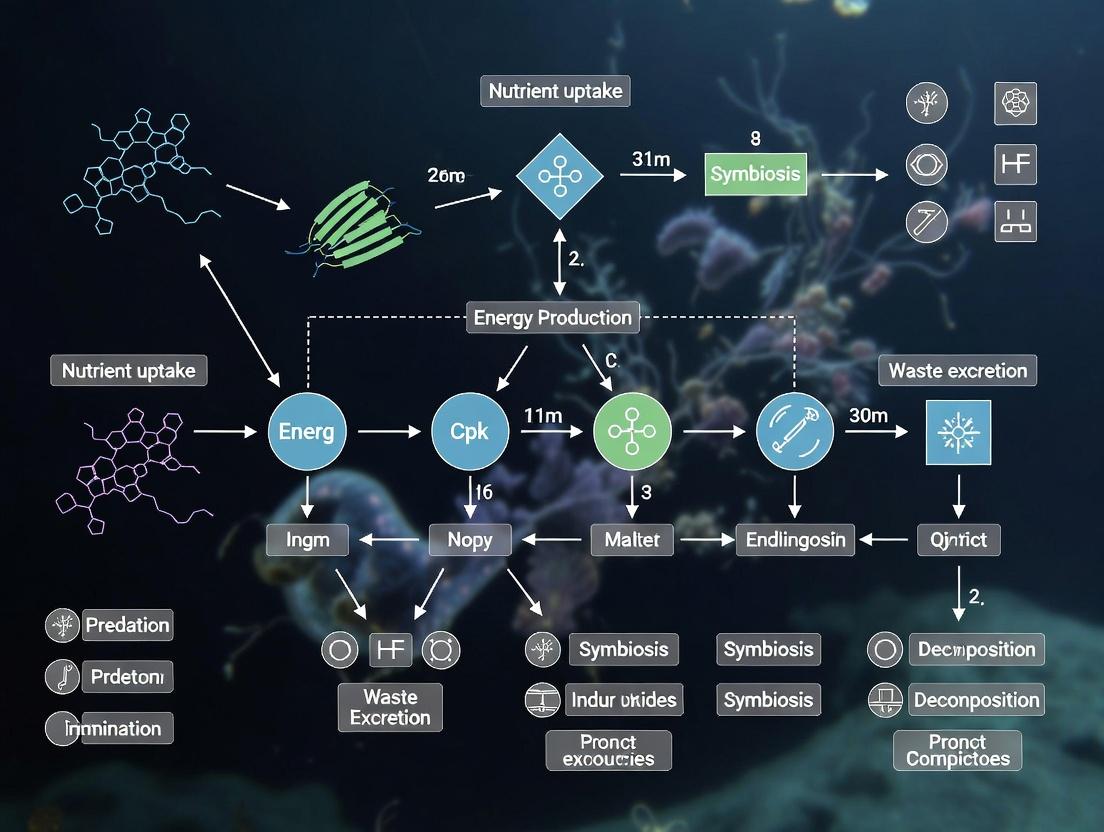
This article investigates the understudied yet crucial ecological role of the candidate phylum Marinisomatota in the dark, pelagic ocean.
Beyond the Sunlight: The Critical Ecological Role and Biomedical Promise of Marinisomatota in the Dark Ocean
Abstract
This article investigates the understudied yet crucial ecological role of the candidate phylum Marinisomatota in the dark, pelagic ocean. Targeted at researchers and drug development professionals, we explore its genomic foundations, metabolic adaptations for survival in aphotic zones, and its function in deep-sea carbon and nutrient cycles. We detail methodologies for cultivating and studying these elusive organisms, address key challenges in their isolation and characterization, and validate their unique genomic signatures against other deep-sea microbiomes. The conclusion synthesizes Marinisomatota's ecological significance and highlights its untapped potential as a source of novel bioactive compounds and enzymatic tools for biomedical applications.
Unveiling Marinisomatota: Genomic Blueprint and Ecological Niche in the Deep Pelagic Realm
This whitepaper provides an in-depth technical overview of the candidate phylum Marinisomatota, framing its discovery and taxonomy within the critical context of dark ocean pelagic research. Understanding the genomic and metabolic novelty of this phylum is essential for elucidating microbial contributions to biogeochemical cycles and identifying biosynthetic gene clusters (BGCs) with potential pharmaceutical applications in the deep sea.
Taxonomy and Discovery History
The candidate phylum Marinisomatota (previously known as SAR406 or Marine Group A) represents a deeply branching lineage within the Bacteria domain, predominantly detected in oceanic mesopelagic and bathypelagic zones. Its discovery history is intrinsically linked to advances in environmental genomics.
- Initial Discovery (1990s-2000s): First identified through 16S rRNA gene clone libraries from the Pacific and Atlantic oceans, it was classified as an uncultivated lineage. Its prevalence in oxygen minimum zones and the deep ocean highlighted its ecological significance.
- Genomic Revelation (2010s): Single-cell amplified genome (SAG) and metagenome-assembled genome (MAG) sequencing projects (e.g., Tara Oceans, Malaspina Expedition) provided the first genomic glimpses, revealing adaptations for oligotrophy and a potential role in sulfur cycling.
- Phylogenetic Re-evaluation (2020s): Refined phylogenomic analyses using large sets of marker genes led to its proposal as the candidate phylum Marinisomatota, consolidating its status as a coherent, globally distributed phylum within the dark ocean's microbial communities.
Table 1: Key Milestones in Marinisomatota Discovery
| Year | Milestone | Key Method | Primary Habitat Sampled | Reference Context |
|---|---|---|---|---|
| 1996 | Initial 16S rRNA detection | PCR, Clone Libraries | North Pacific Subtropical Gyre | Gordon & Giovannoni, 1996 |
| 2015 | First SAGs/MAGs published | Single-cell Genomics, Metagenomics | Eastern Tropical North Pacific OMZ | Swan et al., 2011; Rinke et al., 2013 |
| 2019 | Phylogenomic delineation | 120+ marker gene phylogeny | Global Ocean (Tara Oceans) | Parks et al., 2018; GTDB release |
| 2022 | Metabolic pathway prediction | Metagenomic & Metatranscriptomic Analysis | South Pacific Gyre | García-García et al., 2022 |
Methodologies for Study and Characterization
Research on Marinisomatota relies on cultivation-independent techniques due to the lack of isolated representative strains.
Metagenomic Assembly and Binning Protocol
This protocol is fundamental for recovering Marinisomatota genomes from complex environmental DNA.
- Sample Collection: Collect deep seawater (e.g., 200-4000m) using Niskin bottles on a CTD rosette. Preserve filters (0.22µm) for DNA in RNAlater or flash-freeze in liquid nitrogen.
- DNA Extraction: Use a kit (e.g., DNeasy PowerWater Kit) with mechanical lysis (bead-beating) optimized for recalcitrant Gram-negative cells.
- Sequencing Library Prep: Construct paired-end libraries (e.g., Illumina NovaSeq) and/or long-read libraries (PacBio HiFi) for high-fidelity assembly.
- Metagenomic Assembly: Assemble reads using hybrid assemblers (e.g., metaSPAdes, OPERA-MS) to produce contigs.
- Genome Binning: Use composition (tetranucleotide frequency) and abundance (coverage depth) data with tools like MetaBAT2, MaxBin2, and CONCOCT. Perform dereplication and refinement with DAS Tool.
- Quality Assessment: Check genome completeness and contamination using CheckM2 based on conserved single-copy marker genes.
- Taxonomic Assignment: Assign to Marinisomatota via the Genome Taxonomy Database (GTDB) toolkit (GTDB-Tk).
FluorescenceIn SituHybridization (FISH) for Cellular Visualization
This protocol allows for the in situ quantification and morphological observation of Marinisomatota cells.
- Probe Design: Design a specific oligonucleotide probe targeting the 16S rRNA of Marinisomatota (e.g., S--Mariniso-0407-a-A-18). Label with a fluorophore (e.g., Cy3).
- Sample Fixation & Permeabilization: Fix seawater with paraformaldehyde (final 1-3%, 1-3h, 4°C). Filter onto polycarbonate membranes. Dehydrate in an ethanol series (50%, 80%, 96%, 3 min each).
- Hybridization: Apply hybridization buffer (0.9 M NaCl, 20 mM Tris/HCl, 0.01% SDS, formamide concentration optimized) containing the probe (50 ng/µL) to the filter. Incubate at 46°C for 2-3 hours in a darkened humid chamber.
- Washing: Rinse filter in pre-warmed washing buffer to remove unbound probe. Air-dry in darkness.
- Counterstaining & Microscopy: Mount with antifading mounting medium containing DAPI. Visualize using epifluorescence or confocal microscopy with appropriate filter sets.
Core Metabolic Pathways and Ecological Role
Genomic analyses predict Marinisomatota are aerobic or microaerophilic chemoorganoheterotrophs with potential for auxiliary metabolism. Key predicted pathways are illustrated below.
Title: Predicted Marinisomatota Energy & Secondary Metabolism
Table 2: Key Predicted Metabolic Functions in Marinisomatota
| Functional Category | Key Genes/Pathways Predicted | Putative Substrates | Ecological Implication |
|---|---|---|---|
| Carbon Metabolism | Peptidases, Glycoside Hydrolases, TCA cycle | Proteins, Polysaccharides | Remineralization of high-molecular-weight dissolved organic matter (HMW-DOM) |
| Energy Generation | Aerobic respiratory chain (aa3-type cytochrome c oxidase) | Oxygen (low affinity predicted) | Adaptation to micro-oxide or fluctuating oxygen conditions |
| Auxiliary Metabolism | Sulfonate metabolism genes (partial sox system) | Organosulfur compounds | Niche specialization in sulfur-rich organic matter cycling |
| Biosynthetic Potential | Type I PKS, NRPS, Terpene synthase BGCs | Acetyl-CoA, Amino Acids | Production of novel secondary metabolites; drug discovery interest |
The Scientist's Toolkit: Research Reagent Solutions
Table 3: Essential Reagents and Materials for Marinisomatota Research
| Item | Function/Application | Example Product/Specification |
|---|---|---|
| 0.22µm Polyethersulfone (PES) Filters | Concentration of microbial cells from large volumes of seawater for DNA/FISH. | Sterivex-GP Filter Unit (MilliporeSigma) |
| RNAlater Stabilization Solution | Preserves RNA/DNA integrity in field-collected samples for downstream omics. | Thermo Fisher Scientific |
| DNeasy PowerWater Kit | Optimized DNA extraction from environmental water filters, efficient for difficult-to-lyse cells. | Qiagen |
| MetaHiFi Polymerase & Library Prep Kit | Preparation of high-molecular-weight, long-read sequencing libraries from low-input DNA. | PacBio |
| MAR-FISH Probes (Cy3-labeled) | Taxon-specific oligonucleotide probes for in situ identification and enumeration. | Custom synthesis from biomers.net or Thermo Fisher |
| CheckM2 Database | Software and lineage-specific marker set for assessing genome quality of uncultivated taxa. | https://github.com/chklovski/CheckM2 |
| GTDB-Tk Software & Reference Data | Standardized toolkit for assigning microbial taxonomy based on genome phylogeny. | https://github.com/Ecogenomics/GTDBTk |
| antiFADE Mounting Medium with DAPI | Preserves fluorescence and counterstains total cells for microscopy. | Citifluor AF1 or Vectashield with DAPI |
This whitepaper defines the dark ocean pelagic realm and examines its extreme environmental parameters, which create unique challenges for microbial life. The content is framed within a broader thesis investigating the ecological role of the candidate phylum Marinisomatota in this environment. Understanding the adaptations of such microbial lineages is crucial for advancing fundamental oceanography and for informing drug discovery efforts targeting novel bioactive compounds.
Defining the Realm: Environmental Parameters
The dark ocean pelagic realm encompasses all seawater below the epipelagic (sunlit) zone, typically defined as depths >200 meters, extending to the seafloor. It is subdivided into the mesopelagic (200-1000 m), bathypelagic (1000-4000 m), abyssopelagic (4000-6000 m), and hadopelagic (>6000 m) zones. Its defining characteristic is the permanent absence of sunlight, driving extreme conditions.
Table 1: Key Environmental Parameters of the Dark Ocean Pelagic Realm
| Parameter | Mesopelagic (200-1000m) | Bathypelagic & Abyssopelagic (>1000m) | Challenge for Microbial Life |
|---|---|---|---|
| Light | Aphotic; residual bioluminescence | Complete darkness | Eliminates photosynthesis; reliance on chemosynthesis. |
| Pressure | 20-100 atm (2-10 MPa) | 100->600 atm (10->60 MPa) | Compresses cellular components; denatures proteins; alters membrane fluidity. |
| Temperature | 4-10 °C (Thermocline to permanent) | ~0-4 °C (Permanently cold) | Slows metabolic and enzymatic reaction rates. |
| Oxygen | Variable; often includes Oxygen Minimum Zones (OMZs) | Generally well-oxygenated (~2-6 mg/L) | Hypoxia/anoxia in OMZs requires anaerobic metabolism. |
| Organic Carbon | ~10-20% of surface export | <1% of surface export; recalcitrant | Severe energy and nutrient limitation; starvation conditions. |
| Hydrostatic Pressure | Increased linearly with depth | Extremely high (piezophilic conditions) | Requires specialized piezophilic or piezotolerant adaptations. |
Microbial Challenges and Adaptations
Microbes in the dark ocean face a confluence of extreme conditions, chief among them being high hydrostatic pressure (HHP), permanent cold, and oligotrophy.
- High Hydrostatic Pressure: HHP affects protein folding, membrane integrity, and biochemical reaction volumes. Piezophiles (pressure-loving organisms) adapt via increased unsaturated fatty acids in membranes, preferential use of shorter-chain fatty acids, and production of piezolytes (e.g., organic osmolytes that counteract pressure effects on proteins).
- Cold and Oligotrophy: Low temperatures reduce membrane fluidity and reaction kinetics. Psychropiezophiles adapt with anti-freeze proteins, cold-shock proteins, and enzymes with high catalytic efficiency at low temperatures. To overcome energy scarcity, they employ high-affinity substrate transporters, substrate scavenging, and metabolic versatility, including mixotrophy.
- The Marinisomatota Context: Preliminary genomic data from single-cell and metagenomic studies suggest Marinisomatota members possess genes for proteorhodopsin-based phototrophy (possibly exploiting residual light or other energy transductions), diverse transporters for organic substrates, and pathways for the degradation of complex organic matter, positioning them as potentially key players in dark ocean carbon cycling.
Key Experimental Protocols for Dark Ocean Microbiology
Studying microbial life in this realm requires specialized methodologies to simulate in situ conditions or to study samples authentically.
Protocol 4.1: High-Pressure Cultivation of Piezophilic Microbes
- Sample Collection: Collect seawater or sediment samples using Niskin bottles or corers on a CTD rosette, equipped with pressure-retaining samplers where possible.
- Inoculum Preparation: Under in situ temperature conditions, prepare inocula in anaerobic chambers if sampling from anoxic zones.
- Pressure Vessel Loading: Aseptically transfer media and inoculum into sterile, flexible plastic bags (e.g., Tedlar) or syringes, removing all air bubbles.
- Pressurization: Place the sealed culture vessel into a stainless-steel high-pressure bioreactor. Pressurize the system using a hydraulic pump with sterile water as the pressure-transmitting fluid. Increase pressure gradually to the target in situ pressure (e.g., 40 MPa for 4000m depth).
- Incubation: Incubate the pressurized vessels in a refrigerated incubator at in situ temperature (e.g., 2°C) for weeks to months.
- Depressurization & Analysis: Decompress slowly (over >30 minutes) to prevent cell lysis. Subsample for microscopy, sequencing, and metabolite analysis.
Protocol 4.2: Metagenomic Sequencing of Dark Ocean Microbial Communities
- Biomass Concentration: Filter large volumes (10-1000 L) of seawater through a series of filters (e.g., 3.0 μm pore-size followed by 0.22 μm).
- DNA Extraction: Use a commercial kit optimized for environmental samples with bead-beating for cell lysis. Include controls for contamination.
- Library Preparation & Sequencing: Prepare shotgun metagenomic libraries using a tagmentation-based protocol (e.g., Nextera XT). Sequence on a long-read (PacBio, Nanopore) and/or short-read (Illumina) platform for complementary data.
- Bioinformatic Analysis: Perform quality filtering, assembly (using metaSPAdes), binning (using MaxBin2, MetaBat2), and taxonomic/functional annotation (using PhyloFlash, eggNOG-mapper, KEGG). Recover Metagenome-Assembled Genomes (MAGs) for analysis of specific lineages like Marinisomatota.
Visualizations
The Scientist's Toolkit: Research Reagent Solutions
Table 2: Essential Reagents & Materials for Dark Ocean Microbial Research
| Item | Function/Brief Explanation |
|---|---|
| Pressure-Retaining Sampler (e.g., IGT) | Maintains in situ pressure during sample ascent, preventing depressurization shock for obligate piezophiles. |
| High-Pressure Bioreactor | Stainless-steel vessel for cultivating microbes under controlled hydrostatic pressure. |
| Piezophilic Growth Media | Artificial seawater media supplemented with organic carbon substrates (e.g., acetate, amino acids), vitamins, and trace metals, formulated for low-nutrient conditions. |
| Tedlar or Fluorinated Ethylene Propylene (FEP) Bags | Flexible, sterile, gas-impermeable bags used as culture containers inside pressure vessels; allow pressure transmission without contamination. |
| DNA/RNA Shield or RNAlater | Commercial preservatives that immediately stabilize nucleic acids in field-collected samples, preventing degradation. |
| Membrane Filters (0.22 μm pore) | For concentrating microbial biomass from large seawater volumes for omics or cultivation attempts. |
| Metagenomic Library Prep Kit (e.g., Nextera XT) | For preparing sequencing libraries from low-input, complex environmental DNA. |
| Piezolyte Standards (e.g., β-hydroxybutyrate, Ectoine) | Analytical standards for identifying and quantifying pressure-protective compatible solutes via LC-MS. |
| Cryoprotectants (e.g., Glycerol, DMSO) | For preserving piezophilic isolates at ultra-low temperatures (-80°C) without ice crystal formation. |
Within the broader thesis investigating the ecological role of the phylum Marinisomatota (formerly SAR406) in the dark ocean pelagic realm, this whitepaper synthesizes metagenomic insights into their core metabolic pathways. The dark ocean, below 200 meters, is an energy-limited environment characterized by high pressure, low temperature, and the absence of light. Understanding how Marinisomatota persist and influence biogeochemical cycles requires elucidating their strategies for energy acquisition and core metabolism, which this guide details through current genomic data and inferred physiological capabilities.
Core Metabolic Pathways: A Genomic Synthesis
Metagenome-assembled genomes (MAGs) of Marinisomatota reveal a streamlined genome with critical pathways for life in the mesopelagic and bathypelagic zones.
Central Carbon & Energy Metabolism
Marinisomatota lack photosynthetic machinery and show a mixotrophic potential, coupling inorganic carbon fixation with organic carbon assimilation.
Table 1: Key Metabolic Pathways and Gene Presence in Marinisomatota MAGs
| Metabolic Pathway / Module | Key Marker Genes Identified | Proposed Function in Dark Ocean |
|---|---|---|
| Reductive Glycine Pathway | fhs, folD, gcvT, gcvH, gcvP | CO₂ fixation and assimilation; potential energy conservation via glycine reductase. |
| Partial Reductive TCA Cycle | frdA, sdhA, korA, korB | Anaplerotic carbon fixation and central biosynthetic precursor generation. |
| Glycolysis / Gluconeogenesis | Complete gene suite (e.g., gapA, pgk, pyk) | Core carbon processing. |
| Wood-Ljungdahl Pathway | Absent | Not a primary C1 fixation pathway. |
| Respiratory Chain | Complex I (nuo genes), Complex IV (cox genes), ATP synthase | Proton motive force generation. Terminal oxidase suggests microaerobic adaptation. |
| Nitrate/Nitrite Reduction | narG, napA, nirK/nirS (variable) | Nitrate/nitrite as alternative electron acceptors for anaerobic respiration. |
Diagram 1: Marinisomatota Core Carbon & Energy Integration
Energy Acquisition Strategies
Energy is primarily derived from electron transport phosphorylation. Key strategies include:
- Microaerobic Respiration: Presence of high-affinity cytochrome c oxidase (cbb3-type) supports scavenging of trace oxygen.
- Alternative Electron Acceptors: Nitrate, nitrite, and possibly sulfur compounds provide anaerobic respiratory flexibility.
- Chemoheterotrophy: Utilization of dissolved organic carbon (DOC), particularly amino acids and peptides, feeding into central metabolism.
- Chemolithoautotrophy (Putative): The energetically modest RGP may allow for mixotrophic growth, fixing CO₂ when reduced substrates (e.g., H₂, via putative hydrogenases) are available.
Experimental Protocols for Validation
Metagenomic Binning & Pathway Reconstruction
Objective: Recover Marinisomatota MAGs and annotate metabolic potential from dark ocean samples. Protocol:
- Sequencing: Perform deep shotgun metagenomics (Illumina NovaSeq & PacBio HiFi) on size-fractionated (0.22-3.0 µm) particulate samples from multiple depths (200-4000m).
- Assembly & Binning: Assemble reads using metaSPAdes. Bin contigs using a consensus of tetra-nucleotide frequency, coverage, and taxonomy (MetaBAT2, MaxBin2, CONCOCT). Use CheckM and GTDB-Tk for quality assessment and taxonomy.
- Metabolic Annotation: Annotate MAGs via PROKKA. Perform pathway analysis using KEGG MODULE and MetaCyc databases. Manually curate key pathways (RGP, rTCA, respiration) by aligning gene calls to custom HMM profiles.
- Quantification: Map raw reads to MAGs using Bowtie2 to estimate relative abundance across depths.
Stable Isotope Probing (SIP)-Metagenomics
Objective: Link metabolic activity to specific substrates. Protocol:
- Incubation: Inoculate dark ocean seawater with ¹³C-labeled substrates (e.g., ¹³C-bicarbonate, ¹³C-glycine, ¹³C-acetate) under in situ O₂ conditions. Run parallel ¹²C controls.
- Density Gradient Centrifugation: After incubation (weeks), filter biomass. Perform isopycnic centrifugation on extracted DNA using cesium chloride gradients.
- Fractionation & Sequencing: Fractionate gradient by density. Quantify ¹³C-DNA enrichment (qPCR of universal 16S rRNA genes). Pool heavy fractions from ¹³C treatments for metagenomic sequencing.
- Analysis: Assemble and bin sequences from heavy fractions. Identify ¹³C-enriched Marinisomatota MAGs and compare pathway expression (via gene abundance) to controls.
The Scientist's Toolkit: Research Reagent Solutions
Table 2: Essential Research Materials for Marinisomatota Metabolic Studies
| Item | Function / Application |
|---|---|
| 0.22 µm Sterivex-GP Pressure Filter | Size-fractionation and concentration of microbial biomass from large seawater volumes for DNA extraction. |
| PacBio SMRTbell Express Template Prep Kit 3.0 | Preparation of high-molecular-weight DNA for long-read sequencing, critical for resolving complex metagenomes. |
| MetaPolyzyme (Sigma) | Enzyme cocktail for enhanced microbial cell lysis from environmental samples, improving DNA yield. |
| ¹³C-Labeled Sodium Bicarbonate (99 atom % ¹³C) | Stable isotope probe for detecting autotrophic CO₂ fixation activity in SIP experiments. |
| Cesium Chloride (Molecular Biology Grade) | For forming density gradients in SIP to separate ¹³C-labeled ("heavy") DNA from ¹²C-DNA. |
| FastDNA SPIN Kit for Soil (MP Biomedicals) | Robust kit for extracting PCR-inhibitor-free DNA from particulate matter-rich deep-sea samples. |
| MiSeq Reagent Kit v3 (600-cycle) | For high-throughput amplicon sequencing (16S/18S rRNA) to contextualize Marinisomatota community structure. |
| Anoxomat Mark II (Advanced Instruments) | System for creating precise, reproducible anaerobic/microaerobic atmospheres for cultivation attempts. |
Diagram 2: Experimental Workflow for Metabolic Inference
The reconstructed core metabolism of Marinisomatota highlights adaptations to energy scarcity: versatile carbon fixation via the RGP, flexible respiration, and efficient use of sparse organic resources. Their role in recycling DOC and nitrogen in the dark ocean is central to global biogeochemistry. For drug development professionals, these organisms represent an untapped reservoir of novel enzymatic machinery (e.g., glycine reductases, unique nitrite reductases, stress adaptation proteins) operating under extreme conditions. These enzymes offer potential as biocatalysts for industrial processes or inspire the design of new inhibitors. Targeted cultivation efforts, guided by this metabolic blueprint, are the critical next step for accessing this biotechnological potential.
The pelagic dark ocean, defined as waters below the euphotic zone (>200 m), represents the largest biome on Earth. It is a critical reservoir in global biogeochemical cycles. The recently proposed bacterial phylum Marinisomatota (synonymous with Mariimicrobiota) has been identified as a ubiquitous and abundant constituent of dark ocean microbial communities. This whitepaper frames the core ecological functions of carbon cycling, nitrogen metabolism, and detritus processing within the context of the emerging thesis that Marinisomatota are key biogeochemical “gatekeepers” in the mesopelagic and bathypelagic zones, mediating the transformation and sequestration of organic matter. Their metabolic versatility and genomic adaptations to high-pressure, low-energy environments position them as crucial players in oceanic carbon export.
Carbon Cycling: The Biological Carbon Pump Interface
Marinisomatota genomes are enriched with genes for the catabolism of complex organic polymers, positioning them at the interface of the biological carbon pump. They primarily contribute to the microbial carbon pump by transforming sinking particulate organic matter (POM) and dissolved organic matter (DOM).
Key Genomic and Metabolic Features:
- Carbohydrate-Active Enzymes (CAZymes): High abundance of genes encoding glycoside hydrolases (GHs) and polysaccharide lyases (PLs) for degrading algal polysaccharides (e.g., cellulose, xylan, laminarin).
- Proteorhodopsin and Anoxygenic Photosynthesis Genes: Identified in some clades, suggesting potential for light-independent proton pumping or phototrophy in the dimly lit mesopelagic, supplementing energy needs.
- Incomplete Carbon Oxidation: Metabolic pathways often funnel carbon to central intermediates like acetate and succinate, which are released as dissolved organic carbon (DOC), contributing to the recalcitrant carbon pool.
Table 1: Quantitative Data on Marinisomatota Carbon Cycle Gene Abundance
| Gene Category | Specific Target/Function | Average Abundance (per Mbp of genome) | Primary Oceanic Layer | Proposed Ecological Role |
|---|---|---|---|---|
| Glycoside Hydrolase (GH) | Laminarin, Cellulose | 12-18 | Mesopelagic | Degradation of sinking phytoplankton-derived POM |
| Polysaccharide Lyase (PL) | Alginate, Pectin | 5-9 | Mesopelagic | Degradation of algal & particle-associated polymers |
| Proteorhodopsin | Light-driven Proton Pump | Present in ~30% of genomes | Upper Mesopelagic | Energy scavenging from residual light |
| TonB-dependent Receptors | Substrate Transport | 40-60 | Bathypelagic | Uptake of high-molecular-weight DOM |
Experimental Protocol: Metagenomic-Assisted Carbohydrate Catabolism Assay
- Sample Collection: Collect particulate matter from sediment traps or filtered biomass from distinct depth layers (e.g., 500m, 1000m, 4000m) using Niskin bottles on a CTD rosette.
- Metagenomic Sequencing: Extract total environmental DNA. Perform shotgun sequencing (Illumina NovaSeq) and long-read sequencing (PacBio) for assembly.
- Bin Generation: Assemble reads and perform metagenomic binning using tools like MaxBin2 and MetaBAT2 to recover Marinisomatota metagenome-assembled genomes (MAGs).
- CAZyme Annotation: Annotate MAGs using dbCAN2 (HMMER, DIAMOND, Hotpep) to identify GH and PL families.
- Heterologous Expression: Clone putative CAZyme genes into E. coli expression vectors. Purify recombinant enzymes.
- Enzyme Kinetics: Incubate purified enzymes with specific polysaccharide substrates (e.g., laminarin, xylan) at in situ temperatures (2-4°C) and pressures (for deep clades, using high-pressure reactors). Measure product release (reducing sugars) via colorimetric assays (e.g., DNS method).
Diagram 1: Marinisomatota Carbon Processing Workflow
Nitrogen Metabolism: Linking Carbon and Nitrogen Cycles
Marinisomatota contribute significantly to nitrogen remineralization and potentially to nitrification in the dark ocean. Genomic analyses reveal pathways for processing organic nitrogen and oxidizing ammonium.
Key Genomic and Metabolic Features:
- Peptidase Genes: Abundant arrays of genes encoding extracellular peptidases (e.g., MEROPS families) for degrading proteinaceous matter.
- Urea Metabolism: Presence of ureABC operons for utilizing urea as a nitrogen source.
- Ammonia Oxidation (Potential): Identification of amoC and hydroxylamine oxidoreductase (hao)-like genes in some MAGs, suggesting a capacity for complete ammonia oxidation (comammox) or a novel nitrifying pathway.
Table 2: Quantitative Data on Marinisomatota Nitrogen Metabolism
| Metabolic Pathway | Key Genes | Prevalence in MAGs | Depth Association | Geochemical Impact |
|---|---|---|---|---|
| Protein Degradation | Extracellular Peptidases | ~100% | Ubiquitous | Ammonium regeneration from POM |
| Urea Hydrolysis | Urease (ureABC) | 40-60% | Mesopelagic | Regeneration of NH₄⁺ from urea |
| Ammonia Oxidation | amoC, hao-like | 10-20% | Bathypelagic | Potential nitrite production |
| Nitrate/Nitrite Reduction | NarGHI, NirBD | 15-25% | Oxygen Minima | Denitrification/DNRA potential |
Experimental Protocol: Stable Isotope Probing (SIP) for Nitrogen Metabolism
- Incubation Setup: Collect deep-sea water samples anaerobically. Set up triplicate incubations with ¹³C,¹⁵N-double-labeled substrates: (a) ¹⁵N-ammonium chloride, (b) ¹⁵N-urea, (c) ¹³C,¹⁵N-labeled algal protein hydrolysate.
- In Situ Conditions: Maintain incubations in the dark at in situ temperature (2°C) and, for deep samples, under high pressure (using titanium reactors).
- Nucleic Acid Extraction: After incubation (e.g., 2 weeks), collect cells on filters. Extract total RNA/DNA.
- Density Gradient Centrifugation: Perform isopycnic centrifugation of nucleic acids with cesium trifluoroacetate. Fractionate the gradient.
- Quantitative Analysis: Measure density and isotopic enrichment of each fraction. Analyze “heavy” fractions via 16S rRNA gene amplicon sequencing and metatranscriptomics to identify active Marinisomatota clades and expressed nitrogen metabolism genes.
Detritus Processing: The Polymer Degradation Hub
This phylum is a central actor in the microbial loop that breaks down detrital particles (marine snow), influencing particle flux and carbon sequestration.
Key Genomic and Metabolic Features:
- Genomic Islands of Polymer Degradation: Co-localized gene clusters for the uptake (TonB-dependent receptors), degradation (CAZymes, peptidases), and catabolism of specific polymers.
- Adhesion and Biofilm Genes: Presence of pilus and adhesin genes, suggesting association with particle surfaces.
Experimental Protocol: Particle Colonization and Degradation Microcosm
- Artificial Marine Snow: Create defined particles using agarose or phytoplankton-derived polymers (diatom frustules + polysaccharides) labeled with fluorescent markers (e.g., FITC).
- Inoculum: Use filtered seawater from the mesopelagic zone or defined co-cultures containing Marinisomatota MAG-based isolates.
- Flow-Cell Microscopy: Incubate particles with inoculum in a flow-cell system simulating gentle sinking. Use time-lapse confocal microscopy to visualize Marinisomatota colonization (via FISH probes targeting their 16S rRNA).
- Chemical Imaging: Employ nanoSIMS on harvested particles to map the incorporation of ¹³C/¹⁵N from labeled particles into individual microbial cells, quantifying Marinisomatota-specific degradation activity.
Diagram 2: Detritus Polymer Degradation Pathway
The Scientist's Toolkit: Key Research Reagent Solutions
Table 3: Essential Reagents and Materials for Marinisomatota Research
| Reagent/Material | Supplier Examples | Function in Research |
|---|---|---|
| Isopycnic Centrifugation Media | Nycodenz, CsTFA (Sigma-Aldrich) | Density separation for SIP experiments to isolate heavy nucleic acids from labeled cells. |
| Stable Isotope-Labeled Substrates | Cambridge Isotopes, Sigma-Aldrich ISOTEC | ¹³C/¹⁵N-labeled ammonium, urea, amino acids, or algae for tracing metabolic activity. |
| FISH Probes (MAR-xxxx) | Biomers, Thermo Fisher | Custom oligonucleotide probes targeting Marinisomatota 16S rRNA for visualization and quantification. |
| High-Pressure Reactors | HIPO-HP, Kimoto | Cultivation and activity assays under in situ hydrostatic pressure (up to 60 MPa). |
| CAZyme Activity Assay Kits | Megazyme (DNS, GOPOD) | Colorimetric quantification of reducing sugars released from polysaccharide degradation. |
| Metagenomic Library Prep Kits | Illumina DNA Prep, PacBio SMRTbell | Preparation of sequencing libraries from low-biomass deep-sea samples. |
| Anaerobic Chamber & Media | Coy Laboratory Products, ANL Anaerobic Media | Cultivation of obligate anaerobic Marinisomatota clades. |
| Fluorescently Labeled Polymers | FITC-Albumin, TRITC-Chitin (Invitrogen) | Visualization of polymer degradation and microbial colonization in microcosms. |
This whitepaper investigates the global biogeographic distribution and habitat specificity of phylum Marinisomatota (formerly Marinisomatia), within the broader thesis of understanding its ecological role in the dark ocean pelagic realm. As a recently described bacterial lineage, Marinisomatota is hypothesized to play significant, yet uncharacterized, roles in carbon cycling, adaptation to high-pressure environments, and potentially in the biosynthesis of novel secondary metabolites. Delineating its clade-specific distributions across oceanic gradients is critical for linking genomic potential to biogeochemical function in the deep sea, a research area with direct implications for microbial ecology and biodiscovery.
Current Taxonomic Framework and Key Clades
Based on recent genomic and metagenomic surveys, the phylum Marinisomatota is divided into several candidate classes, with distinct clades showing environmental partitioning. The primary clades discussed in current literature are summarized below.
Table 1: Major Marinisomatota Clades and General Characteristics
| Clade Designation (Candidate Class/Order) | Representative ASV/Genome | General Genomic Features (Key Metabolic Potential) | Predicted Ecological Role |
|---|---|---|---|
| Marinisomatia_A (UBA8310) | UBA8310 bin | Glycoside hydrolases, peptide/amino acid uptake | Degradation of complex organic matter |
| Marinisomatia_B (JACQGO01) | JACQGO01 bin | Enriched in TonB-dependent transporters, sulfatases | Polysaccharide degradation, sulfur cycling |
| JAAOXT01 | JAAOXT01 bin | Rhodopsin genes, vitamin B12 biosynthesis | Photolithoheterotrophy (in euphotic zone) |
| Parcubacteria-associated lineage | N/A | Reduced genomes, fermentation pathways | Symbiotic or parasitic lifestyle |
Global Biogeographic Patterns
Analysis of global ocean metagenomic datasets (Tara Oceans, Malaspina, BIOS-SCOPE) reveals that Marinisomatota is ubiquitous but exhibits clear depth and geographic stratification. Quantitative data on relative abundance is synthesized from recent public repositories.
Table 2: Relative Abundance of Marinisomatota Clades Across Oceanic Zones
| Oceanic Zone/Province | Depth Layer | Marinisomatia_A (%) | Marinisomatia_B (%) | JAAOXT01 (%) | Total Marinisomatota (%) |
|---|---|---|---|---|---|
| Tropical & Subtropical | Surface (0-200m) | <0.01 | <0.01 | 0.05-0.1 | 0.05-0.1 |
| Mesopelagic (200-1000m) | 0.1-0.3 | 0.05-0.15 | <0.01 | 0.15-0.45 | |
| Bathypelagic (>1000m) | 0.2-0.5 | 0.1-0.4 | ND | 0.3-0.9 | |
| Temperate | Mesopelagic | 0.08-0.25 | 0.08-0.2 | ND | 0.16-0.45 |
| Polar | Mesopelagic | 0.05-0.15 | 0.01-0.05 | ND | 0.06-0.2 |
| Oxygen Minimum Zones (OMZs) | Core OMZ | 0.3-0.7 | 0.05-0.1 | ND | 0.35-0.8 |
ND: Not Detected. Values are approximate relative abundances based on 16S rRNA gene read recruitment.
Habitat Specificity and Environmental Drivers
Statistical analyses (canonical correspondence analysis, random forest models) identify key environmental drivers of clade distribution.
Table 3: Key Environmental Drivers for Marinisomatota Clade Distribution
| Environmental Parameter | Marinisomatia_A | Marinisomatia_B | JAAOXT01 |
|---|---|---|---|
| Depth/Pressure | Strong Positive Correlation (>1000m) | Moderate Positive Correlation | Strong Negative Correlation |
| Temperature | Strong Negative Correlation | Moderate Negative Correlation | Positive Correlation |
| Dissolved Oxygen | Moderate Negative Correlation (favors lower O2) | Weak Correlation | Strong Positive Correlation |
| Particulate Organic Carbon (POC) Flux | Strong Positive Correlation | Strong Positive Correlation | Weak Correlation |
| Nitrate Concentration | Positive Correlation | Positive Correlation | Negative Correlation |
| Salinity | Weak Correlation | Weak Correlation | Moderate Correlation |
Experimental Protocols for Distribution and Function Studies
Protocol 5.1: Metagenomic Read Recruitment and Clade-Specific Quantification
- Data Acquisition: Download metagenomic assemblies and read sets from public repositories (e.g., JGI IMG/M, NCBI SRA) for target oceanographic stations and depths.
- Clade-Specific Reference Database: Compile a set of high-quality, non-redundant Marinisomatota single-amplified genome (SAG) and metagenome-assembled genome (MAG) sequences from GTDB release.
- Read Mapping: Use
Bowtie2(v2.4.5) with sensitive-local parameters to map quality-filtered metagenomic reads (fastpv0.23.2) to the reference database. - Abundance Calculation: Calculate coverage and depth per genome using
samtools(v1.17) andcoverM(v0.6.1). Normalize reads per kilobase per million mapped reads (RPKM) by total metagenome size. - Statistical Analysis: Correlate RPKM values with in-situ environmental metadata using
veganpackage in R (Mantel test, CCA).
Protocol 5.2: High-Pressure Cultivation and Activity Assays
- Sample Inoculum: Collect deep-sea water (≥2000m) via Niskin bottles on a CTD rosette. Preserve anaerobically in butyl rubber-stoppered tubes.
- Medium Preparation: Prepare organic-rich marine medium (ORMM) containing: 0.05% yeast extract, 0.01% peptone, 0.01% acetate, in a sterile, pre-reduced artificial seawater base. Add resazurin (1 mg/L) as redox indicator.
- Pressurized Incubation: Aliquot 5 mL of medium into sterile, gas-impermeable cultivation bags (e.g., AnaeroPouch). Inoculate with 1 mL sample. Remove headspace and seal.
- Pressure Vessel Setup: Place sealed bags into titanium high-pressure vessels (IBS Japan design). Pressurize to in-situ pressure (e.g., 20 MPa) using a hydraulic pump with sterile water as the pressure medium. Incubate in the dark at 2°C.
- Activity Measurement: Periodically depressurize sacrificial vessels. Measure substrate consumption (HPLC for organics) and product formation (e.g., sulfide, methane via GC). For nucleic acid extraction, preserve biomass with RNAlater.
Visualization of Research Pathways and Workflows
Title: Marinisomatota Research Workflow Integration
Title: Marinisomatota Organic Matter Processing Model
The Scientist's Toolkit: Research Reagent Solutions
Table 4: Essential Reagents and Materials for Marinisomatota Research
| Item/Category | Specific Product/Example | Function in Research |
|---|---|---|
| Nucleic Acid Preservation | RNAlater Stabilization Solution, LifeGuard Soil Solution | Stabilizes RNA/DNA immediately upon sample collection, preventing degradation during retrieval from depth. |
| Metagenomic Library Prep | Nextera XT DNA Library Prep Kit (Illumina), SMARTer Hi-Seq Kit (Takara) | Prepares high-complexity, adapter-ligated libraries from low-biomass deep-sea DNA for sequencing. |
| Hybridization Probes | Marinisomatota-specific 16S rRNA FISH probes (e.g., MAR435-Cy3) | Fluorescent in-situ hybridization for visualization and cell counting of specific clades in environmental samples. |
| High-Pressure Cultivation | Titanium Alloy Pressure Vessels (IBS, Japan), AnaeroPouch | Recreates in-situ hydrostatic pressure for physiologically relevant cultivation and activity assays. |
| Organic Substrates | 13C-labeled Chitin, Alginate, Casein (Sigma-Aldrich) | Tracer substrates for quantifying clade-specific assimilation and degradation rates via SIP-nanoSIMS. |
| Inhibitors/Antibiotics | Vancomycin, Ampicillin (for selective enrichment) | Selects for or against specific bacterial groups to enrich for Marinisomatota in mixed cultures. |
| DNA Extraction (Low Biomass) | MetaPolyzyme enzyme mix, PowerSoil Pro Kit (Qiagen) | Lyzes resistant cells and extracts high-quality, inhibitor-free DNA from particulate matter. |
Cultivating the Uncultivated: Strategies for Studying and Harnessing Marinisomatota Biology
Advanced Sampling Techniques for Deep Pelagic Microbiomes
Research into the dark ocean pelagic realm has been revolutionized by the discovery of candidate phyla such as Marinisomatota (formerly known as Marine Group II within the Thermoplasmatota). Understanding their ecological role—in carbon cycling, deep ocean food webs, and potential secondary metabolite production—is contingent upon obtaining high-quality, uncontaminated biomass from immense depths and pressures. This guide details advanced methodologies for sampling these elusive microbiomes, framing the technical discussion within the imperative to study Marinisomatota's specific functions.
Core Sampling Technologies & Platforms
Effective sampling requires technologies that maintain in situ conditions of pressure, temperature, and chemistry to preserve native microbial community structure and activity.
Table 1: Comparison of Deep Pelagic Sampling Platforms
| Platform | Max Depth (m) | Key Features | Best for Marinisomatota Research |
|---|---|---|---|
| Niskin Bottle Rosette | 6,500 | Discrete depth sampling, CTD integration, moderate cost. | Broad community surveys, depth profiles. Prone to contamination. |
| In-situ Pumps (ISP) | 6,000 | Filters 100-1000L seawater; captures particle-associated cells. | Concentrating biomass for 'omics; studying attached vs. free-living. |
| Water Transfer System (WTS) | 4,500 | Maintains high pressure during recovery; transfers to pressurized reactors. | CRITICAL: Prevents decompression shock for barophilic/sensitive taxa. |
| Autonomous Samplers (e.g., ESP) | 2,000 (currently) | Long-term, programmable, in-situ filtration and preservation. | Time-series studies of community dynamics. |
| Manned Submersibles / ROVs | 6,500+ | Precise visual targeting, delicate instrument manipulation. | Deploying/retrieving novel in-situ incubation devices near vents/seeps. |
Critical Experimental Protocols
Protocol: High-Pressure, Non-Decompressive Sampling for Metatranscriptomics
Objective: Capture Marinisomatota community gene expression in situ. Materials: WTS-equipped rosette; High-pressure syringes; RNA-later-like preservative formulated for high-pressure; Sterile, pressure-tolerant tubing. Workflow:
- Deployment: Lower WTS rosette to target depth (e.g., 2000m, mesopelagic zone). CTD confirms location.
- Sealing & Recovery: Trigger Niskin bottles. Check valves seal samples at in-situ pressure.
- Pressurized Transfer: On deck, connect sealed bottle to a pressurized receiving chamber via the WTS.
- Pressure-Maintained Fixation: Inject preservative into the sample stream while maintaining >90% of in-situ pressure.
- Processing: After 12-24h fixation under pressure, gradually depressurize. Concentrate cells via 0.22µm filtration. Flash freeze in liquid N₂.
Protocol: Size-Fractionated Filtration for Community Partitioning
Objective: Separate free-living from particle-associated Marinisomatota. Materials: In-situ pump; Serial filter holders with 3.0µm and 0.22µm polycarbonate filters; Glutaraldehyde (for SEM) or DNA/RNA shield. Workflow:
- Setup: Load filter cascade (3.0µm pre-filter, then 0.22µm final filter) into ISP.
- Deployment & Filtration: Deploy to target depth. Pump 200-500L of seawater.
- In-situ Preservation: Upon recovery, before air exposure, inject preservative into filter housings.
- Dissection: Aseptically remove filters. For DNA, slice filter for powering/lysis. For microscopy, fix with glutaraldehyde for 1h.
Visualizing Methodological Workflows
High-Pressure Sampling for Transcriptomics
Size-Fractionated Filtration Process
The Scientist's Toolkit: Key Research Reagent Solutions
Table 2: Essential Reagents for Deep Pelagic Microbiome Sampling
| Reagent / Material | Function | Critical Consideration for Marinisomatota |
|---|---|---|
| DNA/RNA Shield (Pressure-stable) | Instant nucleic acid preservation at in-situ pressure. | Prevents rapid RNA degradation and changes in gene expression profiles upon decompression. |
| Glutaraldehyde (EM Grade) | Fixation for fluorescence in situ hybridization (FISH) and SEM. | Required for visualizing ultrastructure of small, delicate archaeal cells. |
| Polycarbonate Track-Etched Filters (0.1µm, 0.22µm, 3.0µm) | Size-fractionated biomass collection with minimal background. | 0.1µm recommended for capturing small-sized planktonic archaea. |
| Pressure-Tolerant Sterile Syringes | For injecting preservatives into closed, pressurized systems. | Enables fixation without decompression artifact. |
| Lysis Buffers with Proteinase K & SDS | Mechanical and enzymatic cracking of tough archaeal cell walls. | Essential for efficient nucleic acid extraction from Marinisomatota biomass. |
| Archaeal-Targeting FISH Probes (e.g., MG-II-542) | Visual identification and enumeration in environmental samples. | Confirms spatial distribution and physical associations of target phyla. |
| Stable Isotope Substrates (¹³C-DIC, ¹⁵N-NH₄⁺) | For in-situ incubation experiments tracing metabolic activity. | Elucidates Marinisomatota's role in dark ocean carbon/nitrogen cycling. |
Integration with Marinisomatota Ecological Research
Advanced sampling is not an end in itself but the foundational step for downstream applications crucial to the thesis on Marinisomatota's ecological role:
- Single-Cell Genomics: Pressure-retained samples yield intact cells for sorting and amplification, enabling genome reconstruction free of cultivation bias.
- Metabolite Fishing: Culture-independent screens of concentrated biomass can reveal biosynthetic gene clusters and novel enzymes of biotechnological interest.
- Activity Measurements: Coupling in-situ incubations (using pressurized vessels) with substrate uptake measurements directly tests hypotheses on metabolic function.
The path to elucidating the enigmatic role of Marinisomatota in the dark ocean begins with technologically sophisticated, contamination-aware, and physiologically mindful sampling. The protocols and tools outlined here provide the necessary bridge between the deep pelagic environment and the modern molecular laboratory.
Single-Cell Genomics and Metagenome-Assembled Genomes (MAGs) for Decoding Marinisomatota
The phylum Marinisomatota (formerly SAR406) represents a ubiquitous yet enigmatic lineage of bacteria predominantly inhabiting the dark ocean pelagic realm—the aphotic zone below 200 meters. These regions, characterized by high pressure, low temperature, and limited organic carbon, are major reservoirs of microbial diversity. Marinisomatota are consistently detected in deep-sea metagenomic surveys, suggesting a critical, albeit poorly understood, ecological role. Proposed functions include the cycling of recalcitrant dissolved organic matter (DOM), sulfur compound transformation, and potentially novel metabolic pathways adapted to energy limitation. Deciphering their genomic blueprint is essential for understanding carbon sequestration and biogeochemical cycles in the ocean's largest biome. This technical guide outlines integrated single-cell genomics and metagenome-assembled genome (MAG) strategies to elucidate the physiology and ecology of Marinisomatota.
Core Methodologies: An Integrated Pipeline
Sample Collection and Processing from the Dark Ocean
Protocol: Deep-Sea Pelagic Water Filtration and Preservation
- Collection: Collect seawater from multiple depth intervals (e.g., mesopelagic: 200-1000m, bathypelagic: >1000m) using Niskin bottles mounted on a CTD-rosette.
- Initial Processing: Pre-filter water through a 3.0 µm pore-size membrane to remove larger particles and eukaryotes.
- Biomass Capture: Concentrate microbial cells by tangential flow filtration (TFF) or by sequential filtration onto a series of sterile 0.22 µm polyethersulfone (PES) filters.
- Preservation for Genomics:
- For Metagenomics: Snap-freeze filters in liquid nitrogen and store at -80°C until DNA extraction.
- For Single-Cell Genomics: Preserve cell suspensions in a cryoprotectant (e.g., 5% DMSO final concentration) and flash-freeze in liquid nitrogen, or process immediately for fluorescence-activated cell sorting (FACS).
Single-Cell Genomics (SCG) Workflow
Protocol: Whole Genome Amplification (WGA) and Sequencing from a Single Cell
- Cell Sorting: Thaw preserved sample, stain with nucleic acid dye (e.g., SYBR Green I), and sort single cells into 96-well plates containing lysis buffer using a FACS instrument gated on bacterial size and fluorescence.
- Cell Lysis: Incubate plates at 65°C for 10 minutes with proteinase K.
- Whole Genome Amplification: Perform Multiple Displacement Amplification (MDA) using phi29 polymerase and random hexamer primers. Reaction: 30°C for 8-16 hours, followed by 65°C for 10 minutes to inactivate the enzyme.
- Amplification Screening: Check product size and yield by gel electrophoresis. Use 16S rRNA gene PCR to identify wells containing Marinisomatota cells.
- Library Prep & Sequencing: Fragment amplified DNA (e.g., via nebulization or enzymatic fragmentation), prepare Illumina-compatible libraries, and sequence on a platform such as Illumina NovaSeq (2x150 bp). For high-quality cells, consider supplementary long-read sequencing (PacBio) on pooled MDA products.
Metagenome-Assembled Genomes (MAGs) Workflow
Protocol: Co-assembly and Binning for Marinisomatota
- DNA Extraction & Sequencing: Extract high-molecular-weight DNA from frozen filters using a phenol-chloroform protocol. Prepare both short-read (Illumina) and long-read (PacBio or Nanopore) libraries.
- Metagenomic Assembly: Perform co-assembly of reads from multiple related samples using hybrid assemblers (e.g., metaSPAdes, OPERA-MS). Example command:
metaspades.py -1 read1.fq -2 read2.fq --pacbio pb_reads.fq -o output_assembly. - Binning: Recover genomes using multiple binning tools:
- Coverage-based: Metabat2 (
metabat2 -i assembly.fasta -a depth.txt -o bin) - Composition-based: MaxBin2 (
run_MaxBin.pl -contig assembly.fasta -abund depth.txt -out maxbin_out) - Hybrid: Run multiple binners and consolidate outputs using DAS Tool (
DAS_Tool -i binner1_output,binner2_output -l binner1,binner2 -c assembly.fasta -o das_output).
- Coverage-based: Metabat2 (
- Bin Refinement & Taxonomic Assignment: Assess bin quality with CheckM (
checkm lineage_wf bin_dir output_dir). Classify bins using GTDB-Tk (gtdbtk classify_wf --genome_dir bin_dir --out_dir gtdb_output). Select high-quality (>90% completeness, <5% contamination) bins classified as Marinisomatota.
Data Integration and Metabolic Reconstruction
Protocol: Phylogenomic and Metabolic Pathway Analysis
- Phylogenomic Tree: Concatenate a set of >120 conserved marker proteins from SCGs and MAGs using GTDB-Tk or PhyloPhlAn. Align sequences, trim, and infer a maximum-likelihood tree (IQ-TREE2:
iqtree2 -s concatenated_alignment.fa -m MFP -B 1000). - Functional Annotation: Annotate genomes via Prokka (
prokka --prefix marinisoma --outdir annotation bin.fasta) or the RASTtk pipeline. Perform detailed KEGG and COG profiling. - Metabolic Pathway Mapping: Use pathway tools (MetaCyc, KEGG Mapper) to reconstruct central carbon, sulfur, and nitrogen pathways. Identify genomic potential for degrading complex polymers (e.g., CAZymes via dbCAN2) and for energy conservation (e.g., rhodopsins, electron transport chain complexes).
Table 1: Representative Genomic Statistics for Marinisomatota from Dark Ocean Studies
| Genome Source (Study) | Technology | Genome Size (Mbp) | Completeness (%) | Contamination (%) | # of Predicted Genes | Key Metabolic Features Predicted |
|---|---|---|---|---|---|---|
| SCG, N. Pacific Gyre | MDA, Illumina | 1.45 | 42.5* | 1.2 | 1,540 | Sulfate reduction genes (sat, aprAB), Glycoside hydrolases |
| MAG, Mediterranean | Illumina, MetaBat2 | 1.92 | 96.7 | 3.1 | 2,210 | Complete TCA cycle, Rhodopsin, Transporter for peptides/amino acids |
| MAG, S. Atlantic | Hybrid, DAS Tool | 2.15 | 92.4 | 1.8 | 2,350 | C1 metabolism (FTHFS), Nitrate reductase (narG), Hydrogenase |
| MAG, Mariana Trench | PacBio, OPERA-MS | 1.98 | 98.1 | 0.9 | 2,050 | Pressure adaptation genes (cdhD), Sulfur oxidation (sox cluster) |
| SCG, Gulf of Mexico | MDA, HiSeq | 1.61 | 58.3* | 0.5 | 1,720 | Proteorhodopsin, Polyhydroxyalkanoate synthase |
*Completeness is typically lower for SCGs due to amplification bias.
Table 2: Comparative Abundance of Marinisomatota Across Ocean Depths
| Oceanographic Province | Depth Layer (m) | Relative Abundance (16S rRNA %) | Estimated Diversity (No. of OTUs/ASVs) | Dominant Clade (GTDB) |
|---|---|---|---|---|
| North Pacific Subtropical Gyre | Epipelagic (0-200) | <0.1% | 2-5 | UBA10353 |
| Mesopelagic (200-1000) | 3-8% | 15-30 | UBA10353, Marinisomataceae | |
| Bathypelagic (>1000) | 5-12% | 10-25 | Marinisomataceae | |
| North Atlantic | Mesopelagic | 2-6% | 10-20 | Marinisomatales |
| Mediterranean Deep Basins | Bathypelagic | 4-10% | 8-15 | UBA10353 |
| Antarctic Bottom Water | Abyssopelagic | 3-7% | 5-12 | Marinisomataceae |
Visualizing the Workflow and Metabolic Potential
Diagram Title: Integrated SCG & MAG Pipeline for Marinisomatota
Diagram Title: Predicted Metabolic Network of Marinisomatota
The Scientist's Toolkit: Essential Research Reagents & Materials
Table 3: Key Reagent Solutions for Marinisomatota Genomics Research
| Item / Reagent | Function / Application | Specific Example or Note |
|---|---|---|
| 0.22 µm PES Membrane Filters | Capture of microbial biomass from seawater for metagenomics. | Sterile, 47mm diameter for processing large volumes. |
| Cryoprotectant (e.g., DMSO) | Preservation of cell viability and integrity for single-cell sorting. | Final concentration 5% in sterile-filtered seawater. |
| SYBR Green I Nucleic Acid Stain | Fluorescent staining of DNA for detection and sorting of microbial cells via FACS. | Dilute 1:10,000 in PBS; protect from light. |
| phi29 Polymerase & MDA Kit | Multiple Displacement Amplification for whole genome amplification from a single cell. | Repli-g Single Cell Kit (Qiagen) or similar. |
| Proteinase K Solution | Cell lysis and degradation of nucleases prior to WGA. | Use molecular biology grade, prepare fresh. |
| Phenol:Chloroform:Isoamyl Alcohol | Extraction of high-molecular-weight, pure DNA from filters for metagenomics. | Requires careful handling in a fume hood. |
| PacBio SMRTbell Library Prep Kit | Preparation of high-quality genomic DNA libraries for long-read sequencing. | Essential for resolving repetitive regions in MAGs. |
| CheckM Database & Software | Assessing completeness and contamination of draft genomes (MAGs/SCGs). | Requires a local installation of the CheckM data files. |
| GTDB-Tk Reference Database | Consistent taxonomic classification of microbial genomes. | Update to latest release (e.g., R214) for accuracy. |
| KEGG & MetaCyc Pathway Databases | Functional annotation and metabolic pathway reconstruction. | Access via KofamKOALA or Pathway Tools software. |
The pelagic dark ocean realm, comprising the mesopelagic, bathypelagic, and abyssopelagic zones, represents the largest yet least explored biosphere on Earth. Within this environment, the recently proposed bacterial phylum Marinisomatota (candidate phylum SAR406) is hypothesized to play a critical ecological role in the remineralization of complex organic matter, potentially influencing global carbon and nitrogen cycles. A core challenge in elucidating the precise metabolic functions and biochemical potential of Marinisomatota is their notorious resistance to conventional laboratory cultivation, a phenomenon attributed to their adaptation to high-pressure, low-nutrient, and oligotrophic conditions. This whitepaper details three innovative cultivation approaches—high-pressure reactors, low-nutrient continuous cultivation, and simulated in situ reactor systems—designed to overcome these barriers. Successfully cultivating these elusive organisms is a prerequisite for validating their hypothesized role in deep-sea biogeochemistry and for accessing their unique biosynthetic pathways, which are of significant interest for novel drug discovery.
Core Cultivation Methodologies
High-Pressure Reactor Cultivation
This approach maintains in situ hydrostatic pressure to prevent decompression stress and maintain the activity of pressure-sensitive enzymes and membrane structures.
Experimental Protocol:
- Sample Collection: Deep-sea water (2000-4000m depth) is collected via Niskin bottles on a CTD rosette, with minimal pressure perturbation using pressure-retaining samplers.
- Inoculum Preparation: Samples are transferred anaerobically into sterile, pressure-tight syringes.
- Reactor Setup & Incubation: Inoculum is injected into pre-autoclaved titanium or stainless-steel high-pressure bioreactors (e.g., HIP reactors) containing sterile, defined low-nutrient medium (see Table 1). The headspace is replaced with N₂/CO₂ (90:10). Reactors are pressurized to the target in situ pressure (e.g., 30 MPa) using a hydraulic pump and incubated in the dark at 2-4°C with slow stirring.
- Monitoring: Growth is monitored in situ via optical density sensors or by analyzing effluent for ATP or ribosomal RNA.
- Decompression: Post-incubation, decompression is performed gradually over 12-24 hours to avoid cell lysis.
Low-Nutrient Continuous Cultivation (Chemostat)
This method simulates the oligotrophic nature of the dark ocean by providing a constant, limiting supply of nutrients, preventing substrate inhibition and selecting for oligotrophic specialists.
Experimental Protocol:
- Medium Design: A defined, ultra-oligotrophic seawater-based medium is prepared (Table 1). A single substrate (e.g., amino acid mix, dimethylsulfoniopropionate) is chosen as the limiting factor.
- Chemostat Setup: A small-volume (100-500 mL) chemostat vessel is inoculated with filtered (0.8 µm) seawater concentrate. The dilution rate (D) is set extremely low (e.g., 0.001–0.01 h⁻¹, representing generation times of days to weeks).
- Long-Term Operation: The system is operated for months, with effluent collected continuously. Steady-state conditions confirm the cultivation of organisms adapted to constant energy limitation.
- Community Analysis: Effluent is routinely filtered for 16S rRNA amplicon sequencing to track enrichment of Marinisomatota.
SimulatedIn SituReactor (SSR) Systems
SSRs integrate multiple in situ parameters (pressure, temperature, chemistry) in a flow-through system that can be deployed on seafloor observatories or mimicked in lab incubators.
Experimental Protocol:
- System Configuration: A SSR consists of a series of linked chambers through which natural seawater is perfused. The system is temperature-controlled (2°C) and pressure-regulated.
- In Situ Inoculation & Experimentation: For shipboard use, freshly collected deep-sea water is circulated through the SSR. Amendments (¹³C-labeled substrates, inhibitors) can be injected to conduct process rate measurements.
- Incubation & Sampling: The reactor runs for extended periods (weeks). Ports allow for non-destructive sampling of biomass and fluids for 'omics' analyses and activity assays.
- Linkage to In Situ Sensors: Ideal systems are coupled to in situ analyzers (e.g., for O₂, NO₃⁻) to maintain and log chemical conditions.
Table 1: Representative Media Formulations for Marinisomatota Cultivation
| Component | High-Pressure Reactor Medium | Low-Nutrient Chemostat Medium | Simulated In Situ Reactor Base |
|---|---|---|---|
| Artificial Seawater Base | 35 g/L NaCl, 0.75 g/L KCl, etc. | 35 g/L NaCl, 0.75 g/L KCl, etc. | Filtered (0.2 µm) Natural Deep Seawater |
| Carbon Source | Acetate (10 µM), Pyruvate (10 µM) | Limiting Substrate: DMSP (100 nM) | In situ DOC; optional ¹³C-Amendment |
| Nitrogen Source | NH₄Cl (5 µM) | NH₄Cl (2 µM) | In situ NO₃⁻/NH₄⁺ |
| Phosphorus Source | KH₂PO₄ (1 µM) | KH₂PO₄ (0.5 µM) | In situ PO₄³⁻ |
| Trace Metals & Vitamins | SL-10微量元素混合液 (1:1000) | Sargasso Sea Vitamin Mix (1:10000) | Native trace composition |
| Redox Agent | Na₂S (10 µM) for anoxia | None (aerobic, low O₂) | In situ O₂ (~50 µM) |
| Buffer | HEPES (10 mM), pH 7.5 | None (pH set by seawater) | Natural buffering capacity |
| Gelling Agent (if solid) | 0.8% Gellan Gum | Not applicable | Not applicable |
The Scientist's Toolkit: Research Reagent Solutions
Table 2: Essential Materials and Reagents
| Item | Function/Application |
|---|---|
| Pressure-Retaining Sampler (e.g., IGT) | Collects deep-sea water without decompression, preserving native microbial communities. |
| Titanium High-Pressure Reactor Vessels | Biocompatible, corrosion-resistant containers for long-term high-pressure incubations. |
| Gellan Gum | Superior gelling agent for solid high-pressure media; remains stable under high hydrostatic pressure. |
| SL-10 Trace Elements Solution | Defined mix of essential metals (Fe, Co, Zn, etc.) at low concentrations suitable for oligotrophs. |
| ¹³C-labeled Substrates (e.g., ¹³C-Acetate) | Tracer for elucidating carbon assimilation pathways via NanoSIMS or RNA-SIP. |
| DNA/RNA Stabilization Buffer (e.g., RNAlater) | Preserves nucleic acids from samples under fluctuating pressure/temperature during retrieval. |
| 0.2 µm Sterile Anodisc Filters | For harvesting low-biomass cells from chemostat effluent for downstream 'omics' analysis. |
| Anoxic Balatm Gas Mixture (N₂/CO₂/H₂) | Creates and maintains reducing conditions in sealed culture vessels. |
Visualization of Methodological Workflows and Conceptual Frameworks
High-Pressure Cultivation Experimental Workflow
Conceptual Framework Linking Cultivation to Thesis
1. Introduction: Within the Context of Marinisomatota in the Dark Ocean Pelagic Realm
The phylum Marinisomatota (formerly candidate phylum NC10) represents an enigmatic and understudied lineage of bacteria, recently detected with surprising prevalence in the dark, aphotic zones of the pelagic ocean. This ecological niche is characterized by extreme oligotrophy, high pressure, and permanent darkness, driving unique adaptations for energy and carbon acquisition. The broader thesis of contemporary research posits that Marinisomatota play a critical, yet undiscovered, role in biogeochemical cycling within this vast biome, potentially through novel enzymatic machinery and the production of unique secondary metabolites. This technical guide outlines an integrated biochemical profiling pipeline designed to systematically uncover these novel enzymes and metabolic byproducts from dark ocean Marinisomatota isolates or metagenomic assemblies, bridging ecological discovery with biotechnological and pharmacological potential.
2. Experimental Pipeline & Methodological Framework
The core pipeline integrates cultivation-independent (metagenomic) and cultivation-dependent approaches, followed by functional validation.
Diagram Title: Integrated Biochemical Discovery Pipeline for Marinisomatota
2.1. Protocol: High-Pressure Enrichment Cultivation for Marinisomatota
- Objective: Enrich for Marinisomatota from dark ocean samples under simulated in situ conditions.
- Medium: Chemically defined oligotrophic seawater medium. Low organic carbon (50-200 µM acetate or succinate). Add 1 mM NaNO₂ or trace N₂O as potential electron acceptor based on genomic predictions.
- Cultivation Vessel: Stainless steel high-pressure chemostat or serum bottles in pressurized cylinders.
- Conditions: 4-10°C, 20-40 MPa (200-400 bar), continuous flow (dilution rate: 0.005-0.01 h⁻¹) or batch. Maintain darkness.
- Monitoring: Track community shift via 16S rRNA amplicon sequencing. Confirm enrichment via FISH using Marinisomatota-specific probes.
2.2. Protocol: In Silico Genomic Profiling for Novel Enzyme Discovery
- Input: High-quality MAGs or isolate genomes.
- Gene Calling & Annotation: Use Prokka or RASTtk for initial annotation. Perform deep annotation specialized for enzyme discovery:
- Hidden Markov Model (HMM) Searches: Query against dbCAN2 (CAZymes), TIGRFAMs (enzymes), and Merops (peptidases) databases.
- Comparative Genomics: Identify genomic islands (via IslandViewer) and gene clusters (BGCs via antiSMASH) absent in related shallow-water or terrestrial relatives.
- Metabolic Pathway Reconstruction: Use MetaCyc Pathway Tools to map predicted enzymes onto metabolic networks, highlighting gaps and unique branches.
3. Key Research Reagent Solutions & Essential Materials
| Item | Function/Application in Profiling |
|---|---|
| Pall Corporation Acroprep 0.2 µm Supor membrane filter | Sterile filtration of oligotrophic media for high-pressure cultivation. |
| AllPrep PowerViral DNA/RNA Kit (QIAGEN) | Simultaneous co-extraction of high-quality DNA and RNA from low-biomass filters for meta-omics. |
| Nextera XT DNA Library Prep Kit (Illumina) | Preparation of shotgun metagenomic sequencing libraries from low-input DNA. |
| antiSMASH 7.0 database & software | Bioinformatics platform for the genome-wide identification of Biosynthetic Gene Clusters (BGCs). |
| pET-28a(+) Expression Vector (Novagen) | Common vector for heterologous expression of candidate enzyme genes in E. coli BL21(DE3). |
| HisTrap HP Nickel Affinity Column (Cytiva) | Immobilized metal affinity chromatography for purifying His-tagged recombinant enzymes. |
| ZIC-pHILIC HPLC Column (Merck) | Hydrophilic interaction liquid chromatography for polar metabolite separation prior to MS. |
| Q Exactive Plus Hybrid Quadrupole-Orbitrap Mass Spectrometer (Thermo) | High-resolution, accurate mass LC-MS/MS for untargeted metabolomics. |
4. Data Presentation: Comparative Genomic & Metabolomic Metrics
Table 1: Predicted Enzymatic Potential in Marinisomatota MAGs vs. Reference Pelagic Phyla
| Phylum (Source) | Avg. Genome Size (Mbp) | CAZymes (count) | Peptidases (count) | BGCs (count) | Unique Pfam Domains (count) |
|---|---|---|---|---|---|
| Marinisomatota (Dark Ocean, 2000m) | 2.8 | 45 | 32 | 4 | 78 |
| SAR324 (Dark Ocean, 2000m) | 3.1 | 38 | 41 | 3 | 65 |
| Alphaproteobacteria (SAR11, Surface) | 1.3 | 15 | 18 | 1 | 22 |
| Marine Actinomycetota (Sediment) | 6.5 | 120 | 85 | 15 | 210 |
Table 2: Notable Metabolomic Features from Marinisomatota Enrichment Culture Exudate
| Feature m/z (Da) | Retention Time (min) | Putative Identification (MS/MS) | Fold Change vs. Control | Proposed Class |
|---|---|---|---|---|
| 327.2178 | 8.5 | C18 Alkaloid derivative | 150x | Nitrogenous compound |
| 455.1203 | 12.1 | Sulfonated Lipopeptide | 75x | Modified peptide |
| 589.3015 | 21.7 | Novel Siderophore | 50x | Iron chelator |
5. Detailed Protocols for Functional Validation
5.1. Protocol: Heterologous Expression & Activity Assay for a Novel Nitrite Reductase (Predicted)
- Gene Amplification & Cloning: Amplify target gene (nirK-like) from genomic template using Phusion U Green PCR Master Mix. Clone into pET-28a(+) via Gibson Assembly.
- Expression: Transform into E. coli BL21(DE3). Induce expression with 0.5 mM IPTG at 16°C for 18h.
- Purification: Lyse cells via sonication. Purify His-tagged protein using HisTrap HP column with imidazole gradient elution.
- Activity Assay: Spectrophotometric measurement of NO production from nitrite. Reaction mix: 50 mM HEPES (pH 7.0), 100 µM NaNO₂, 500 µM ascorbate, 50 µM phenazine methosulfate, 100 nM purified enzyme. Monitor NO formation using the Griess reagent (absorbance at 540 nm) or with an NO-sensitive electrode.
5.2. Protocol: Untargeted Metabolomics via LC-HRMS
- Metabolite Extraction: Quench 10 mL culture with 40 mL -20°C 40:40:20 MeOH:ACN:H₂O. Sonicate, vortex, centrifuge. Dry supernatant under N₂ gas.
- LC-MS/MS Analysis: Reconstitute in 100 µL 90:10 H₂O:ACN. Inject onto ZIC-pHILIC column. Gradient: 90% to 40% Buffer B (ACN) over 20 min. MS data acquired in both positive/negative modes with data-dependent acquisition (DDA) on Q Exactive Plus.
- Data Processing: Use MS-DIAL for peak picking, alignment, and MS/MS spectral deconvolution. Annotate against GNPS, mzCloud, and in-silico predicted metabolites from antiSMASH outputs.
6. Pathway Visualization of Predicted Marinisomatota Core Metabolism
Diagram Title: Predicted Energy & Metabolic Pathways in Marinisomatota
7. Conclusion
This systematic biochemical profiling framework, from in silico prediction to functional and chemical validation, is essential for decrypting the ecological role of Marinisomatota in the dark ocean. The discovery of novel enzymes, such as specialized reductases for alternative respiratory pathways, and unique metabolic byproducts, including potential bioactive molecules, directly tests the thesis that this phylum mediates critical, overlooked transformations in deep-sea carbon and nitrogen cycles. The resulting molecules and biocatalysts hold significant promise for applications in drug discovery and industrial biocatalysis, highlighting the value of exploring extreme microbial biochemistries.
The discovery of novel bioactive compounds is increasingly reliant on exploring understudied ecological niches. The dark ocean pelagic realm, one of Earth's largest biomes, harbors unique microbial communities with untapped metabolic potential. Recent genomic studies, including those from the Tara Oceans and Malaspina expeditions, have highlighted the prevalence of the candidate phylum Marinisomatota (formerly SAR406) in mesopelagic and bathypelagic zones. This phylum is characterized by metabolic adaptations to oligotrophy, including genes for proteorhodopsin-based phototrophy, sulfur oxidation, and the degradation of complex organic molecules. These survival strategies in a high-pressure, low-energy environment necessitate the production of specialized secondary metabolites, positioning Marinisomatota as a promising source for novel antimicrobial, antiviral, and anti-cancer compounds. This whitepaper details a comprehensive screening pipeline, from ecological sampling to compound validation, framed within research on Marinisomatota's ecological role.
Core Screening Workflow: From Sample to Lead Compound
The following diagram illustrates the integrated, multi-stage pipeline for bioactive compound discovery from deep-sea pelagic microbes.
Title: Bioactive Compound Discovery Pipeline from Deep-Sea Microbes
Detailed Experimental Protocols
Protocol 1: High-Throughput Cultivation of Marinisomatota
Objective: To isolate slow-growing Marinisomatota strains using simulated deep-sea conditions.
- Inoculum: Filter-concentrated microbial biomass from 500-1000m depth (0.22µm polyethersulfone filter).
- Media Preparation: Prepare oligotrophic marine broth (OMB): 0.1g peptone, 0.02g yeast extract, 750ml filtered seawater, 250ml distilled H₂O, 1ml vitamin mix, 1ml trace elements. Adjust to pH 7.5. For solid media, add 15g/L gellan gum.
- Cultivation: Use 96-well microplates. Perform dilution-to-extinction inoculation. Dilute inoculum to ~1-3 cells/well in OMB. Supplement wells with specific substrates (e.g., 10µM dimethylsulfoniopropionate, 0.01% chitin).
- Incubation: Seal plates with breathable membranes. Incubate at 4°C or 10°C in the dark for 8-16 weeks with minimal agitation.
- Monitoring: Monitor growth weekly via increase in autofluorescence (λex/λem: 488/520 nm for flavins) using a plate reader.
Protocol 2: Primary Bioactivity Screening Assays
Objective: To screen crude extracts against bacterial, viral, and cancer cell line targets. General Preparation: Lyophilize crude extracts. Reconstitute in DMSO to 10 mg/mL stock.
Antimicrobial (Antibacterial) Assay (Broth Microdilution, CLSI M07)
- Bacterial Strains: Staphylococcus aureus (ATCC 29213), Escherichia coli (ATCC 25922), Pseudomonas aeruginosa (ATCC 27853), and ESKAPE pathogens.
- Procedure: In a 96-well plate, serially dilute extracts 2-fold in Mueller-Hinton Broth (MHB). Add bacterial suspension (5 × 10⁵ CFU/mL final). Include growth and sterility controls.
- Incubation: 37°C, 18-24h.
- Analysis: Measure OD600. Minimum Inhibitory Concentration (MIC) = lowest concentration inhibiting visible growth.
Antiviral Assay (Plaque Reduction Assay)
- Virus/Cell System: Influenza A (H1N1) / MDCK cells or SARS-CoV-2 / Vero E6 cells.
- Procedure: Pre-treat cell monolayer with serial dilutions of extract for 1h. Infect with ~50 PFU/well of virus (1h adsorption). Overlay with semi-solid medium (e.g., Avicel).
- Incubation: 48-72h (virus-dependent).
- Analysis: Fix, stain with crystal violet. Count plaques. EC₅₀ calculated via non-linear regression.
Anti-cancer Cytotoxicity Assay (MTT Assay)
- Cell Lines: MCF-7 (breast), A549 (lung), HeLa (cervical), and a non-cancerous line (e.g., MCF-10A).
- Procedure: Seed cells (5 × 10³ cells/well) in 96-well plates. After 24h, add serial dilutions of extract.
- Incubation: 72h, 37°C, 5% CO₂.
- Development: Add MTT reagent (0.5 mg/mL final), incubate 4h. Solubilize formazan with DMSO.
- Analysis: Measure OD570. Calculate IC₅₀ (50% inhibitory concentration).
Protocol 3: Bioassay-Guided Fractionation by HPLC
Objective: To isolate the pure active compound from a complex bioactive crude extract.
- Sample Prep: Centrifuge active culture (10-20L). Extract cell pellet and supernatant separately with ethyl acetate and butanol, respectively. Combine active fractions.
- Analytical HPLC: Use a C18 column (4.6 x 250 mm, 5µm). Run a gradient from 5% to 95% acetonitrile in H₂O (0.1% formic acid) over 40 min. Detect at 210, 254, 280 nm.
- Preparative HPLC: Scale up using a C18 column (21.2 x 250 mm, 10µm). Inject 5-20 mg. Collect fractions (1 min intervals) based on UV peaks.
- Activity Testing: Dry all fractions. Re-test in primary bioassay(s). Select active fraction for next round.
- Iteration: Re-chromatograph active fraction with a different gradient or stationary phase (e.g., phenyl-hexyl, HILIC) until pure compound is obtained (single symmetrical peak by LC-MS).
Table 1: Typical Bioactivity Metrics from Marine Microbial Screening Campaigns
| Compound Class (Source Phylum) | Antimicrobial Activity (Avg. MIC, µg/mL) | Antiviral Activity (Avg. EC₅₀, µg/mL) | Anti-cancer Activity (Avg. IC₅₀, µM) | Key Target/Mechanism |
|---|---|---|---|---|
| Marinisomatota-derived (candidate) | 2 - 10 (Gram+) | 0.5 - 5 (Enveloped RNA viruses) | 0.1 - 5.0 | Membrane disruption, Protease inhibition |
| Actinobacteria (Marine) | 0.5 - 5 | 1 - 10 | 0.01 - 1.0 | DNA intercalation, Topoisomerase inhibition |
| Pseudomonadota (Marine) | 5 - 50 | 10 - >50 | 1.0 - 20.0 | Quorum sensing inhibition, Apoptosis induction |
| Fungi (Marine) | 1 - 20 | 0.1 - 2.0 | 0.05 - 2.0 | Tubulin polymerization inhibition |
Table 2: Comparative Metagenomic Features of Pelagic Microbial Phyla
| Genomic Feature | Marinisomatota | Pelagibacterota (SAR11) | Marine Group II Archaea | Chloroflexota (SAR202) |
|---|---|---|---|---|
| Avg. Genome Size (Mbp) | 2.8 - 3.5 | 1.3 - 1.5 | 1.5 - 2.0 | 2.0 - 2.5 |
| Biosynthetic Gene Clusters (BGCs)/Genome | 8 - 12 | 0 - 2 | 3 - 6 | 10 - 15 |
| NRPS/PKS Hybrid BGCs (%) | ~25% | ~0% | ~10% | ~40% |
| Prevalence in 500m Metagenomes (% reads) | 5 - 15% | 25 - 40% | 3 - 10% | 4 - 12% |
Key Signaling Pathways in Bioactivity
The diagram below illustrates a generalized mechanism of action for a novel anti-cancer compound inducing intrinsic apoptosis, a common target pathway.
Title: Marine Compound-Induced Mitochondrial Apoptosis Pathway
The Scientist's Toolkit: Key Research Reagent Solutions
Table 3: Essential Reagents & Materials for the Screening Pipeline
| Item/Category | Specific Example(s) | Function & Rationale |
|---|---|---|
| Sample Collection | Niskin Bottles (CTD Rosette), 0.22µm Sterivex-PVDF Filters, RNAlater | Sterile, pressure-tolerant collection and nucleic acid preservation of in-situ microbial communities. |
| Cultivation Media | Marine Broth 2216 (Modified), Artificial Seawater Base, Gellan Gum (Phytagel) | Provides oligotrophic conditions mimicking pelagic environment; gellan gum is superior to agar for marine microbes. |
| Extraction Solvents | Ethyl Acetate (EtOAc), n-Butanol (n-BuOH), HPLC-Grade Methanol & Acetonitrile | Sequential polarity-based extraction of diverse secondary metabolites from biomass and broth. |
| Chromatography | Solid Phase Extraction (SPE) C18 Cartridges, Prep C18 HPLC Columns, Sephadex LH-20 | Desalting, fractionation, and purification of crude extracts based on hydrophobicity and size. |
| Bioassay Reagents | Resazurin (AlamarBlue), MTT, Crystal Violet, Plaque Assay Overlay (Avicel RC-581) | Indicators for cell viability, cytotoxicity, and viral plaque formation in high-throughput formats. |
| Molecular Identification | Deuterated NMR Solvents (DMSO-d6, CD3OD), LC-MS/MS Grade Water & Acids, SILu SigmaMAb mAb digest standard | Essential for structural elucidation (NMR) and accurate mass spectrometry analysis. |
| Cell Culture & Virology | ATCC Cell Lines, Fetal Bovine Serum (Heat-Inactivated), TPCCK-Trypsin (for influenza), Virus Transport Media | Maintenance of relevant host cell lines and proper viral propagation for antiviral screening. |
Navigating Research Challenges: Overcoming Barriers in Marinisomatota Isolation and Characterization
Common Pitfalls in DNA Extraction and Amplification from Low-Biomass Deep-Sea Samples
Research into the Marinisomatota phylum, particularly its ecological role in the dark ocean pelagic realm, hinges on successful molecular analysis of inherently low-biomass samples. The extreme oligotrophy, high pressure, and unique chemistries of deep-sea environments present formidable challenges for obtaining high-quality, contamination-free nucleic acids. This guide details the prevalent pitfalls in processing such samples and provides robust, field-tested protocols to ensure data integrity for researchers and drug discovery professionals investigating this cryptic microbial group.
Table 1: Common Contamination Sources and Their Impact
| Contamination Source | Typical qPCR CT Shift (vs. Clean Control) | Estimated % of Recovered Sequences in Untreated Low-Biomass Samples |
|---|---|---|
| Laboratory Reagents/Kits | 3-7 cycles earlier | 30-90% |
| Extraction Personnel (Skin/Hair) | 2-5 cycles earlier | 5-40% |
| Cross-Contamination from High-Biomass Samples | 5-15 cycles earlier | 10-99% |
| Sampling Equipment/Consumables | 4-10 cycles earlier | 15-80% |
Table 2: Inhibition Effects on Amplification from Deep-Sea Sample Constituents
| Inhibitory Substance (Common in Deep-Sea Samples) | Concentration Reducing Amplification Efficiency by 50% | Common Remediation Strategy |
|---|---|---|
| Humic/Lignin-derived Organic Acids | 0.5-2.0 µg/µL | Gel electrophoresis & excision, silica-column cleanup |
| Polysaccharides (e.g., exopolymers) | 1.0-4.0 µg/µL | Dilution, enhanced lysis buffer (CTAB) |
| Heavy Metals (e.g., Fe, Mn from vents) | Varies by ion (e.g., 0.1 mM Fe³⁺) | Chelation (EDTA, Chelex-100) |
| High Salt (Marine salts) | >200 mM NaCl | Dilution, ethanol precipitation with wash |
Detailed Experimental Protocols
Protocol 1: Rigorous Low-Biomass Nucleic Acid Extraction with Contamination Controls
Objective: To extract inhibitor-free, high-integrity DNA from deep-sea filters (e.g., 0.22µm filters from CTD rosettes) while monitoring contamination.
- Materials: Sterile laminar flow hood (UV-irradiated), pre-packaged sterile forceps, DNA-away or 10% bleach (freshly made), LifeGuard Soil Preservation Solution, PowerWater DNA Isolation Kit (or equivalent with bead-beating), 0.22µm polycarbonate membrane filters, molecular grade ethanol, RNase/DNase-free water.
- Pre-treatment: Upon retrieval, submerge filter in LifeGuard solution. Process in a dedicated, UV-sterilized hood. Wipe all surfaces with DNA-away. Include at least two extraction blank controls (sterile water processed identically).
- Lysis: Place filter in PowerWater bead tube. Use a thermomixer for bead-beating (5 min, max speed) followed by 65°C incubation (10 min). Centrifuge at 13,000 x g for 1 min.
- Inhibitor Removal: Transfer supernatant. Follow kit protocol, incorporating the optional inhibitor removal solution step. Perform two extra ethanol wash steps on the silica membrane.
- Elution: Elute in 30-50 µL of pre-heated (70°C) elution buffer. Quantify via dsDNA HS Assay on a fluorometer (Qubit). Expect yields of 0.01-1 ng/µL from true low-biomass samples. Store at -80°C.
Protocol 2: Two-Stage PCR Amplification for 16S rRNA Gene Libraries TargetingMarinisomatota
Objective: To amplify the V4-V5 region of the 16S rRNA gene for Illumina sequencing while minimizing bias and chimera formation from damaged/trace DNA.
- Materials: KAPA HiFi HotStart ReadyMix (proofreading enzyme), dual-indexed Illumina primers (e.g., 515F/926R), PCR-grade water, AMPure XP beads.
- First-Stage (Template-Specific Amplification):
- Reaction Mix (25 µL): 12.5 µL KAPA HiFi Mix, 1.25 µL each primer (10 µM), 5 µL template DNA (or extraction blank), 5 µL PCR water.
- Cycling (Minimal Cycles): 95°C 3 min; 12-18 cycles of (98°C 20s, 55°C 30s, 72°C 30s); 72°C 5 min.
- Cleanup: Purify amplicons with 0.8x AMPure XP bead ratio. Elute in 25 µL.
- Second-Stage (Indexing PCR):
- Reaction Mix (50 µL): 25 µL KAPA HiFi Mix, 5 µL each P5/P7 index primer (Nextera XT), 5 µL purified first-stage product.
- Cycling: 95°C 3 min; 8 cycles of (98°C 20s, 55°C 30s, 72°C 30s); 72°C 5 min.
- Final Cleanup & QC: Purify with 0.9x AMPure XP beads. Quantify via Qubit and check fragment size on Bioanalyzer. Pool libraries equimolarly.
Visualizations
Title: Workflow for Low-Biomass DNA Extraction and Amplification
Title: Mechanisms of PCR Inhibition in Deep-Sea Samples
The Scientist's Toolkit: Research Reagent Solutions
Table 3: Essential Reagents for Low-Biomass Deep-Sea Molecular Work
| Item | Function/Benefit in Low-Biomass Context |
|---|---|
| LifeGuard Soil Preservation Solution | Immediately stabilizes nucleic acids upon sample collection, halting degradation during ascent/decompression. |
| PowerWater DNA Isolation Kit | Specifically designed for low-yield aqueous filters; includes bead-beating for robust cell lysis and inhibitor removal steps. |
| KAPA HiFi HotStart ReadyMix | High-fidelity polymerase with low error rate and superior resistance to common inhibitors (e.g., humics, salts). |
| AMPure XP Beads | Size-selective SPRI magnetic beads for consistent purification of amplicons and removal of primer dimers. |
| Human DNA Removal Kit (e.g., NEBNext Microbiome) | Enzymatically depletes contaminating human/host DNA, enriching for microbial signal. |
| Qubit dsDNA HS Assay Kit | Fluorometric quantitation essential for accurately measuring trace DNA below the sensitivity of spectrophotometers. |
| DNase/RNase-Free Molecular Grade Water | Certified nucleic-acid free, used for all reagent preparation and dilutions to prevent background. |
| Pre-packaged Sterile Disposables | Filters, tubes, and tips sterilized by gamma irradiation to eliminate ambient DNA. |
Addressing Contamination and Chimerism in MAG Reconstruction
This technical guide addresses a critical methodological challenge in the broader investigation of the Marinisomatota phylum's ecological role in the dark ocean pelagic realm. The accurate reconstruction of Metagenome-Assembled Genomes (MAGs) is paramount for elucidating the metabolic capabilities, biogeochemical contributions, and symbiotic interactions of these uncultivated bacteria. Contamination (from co-extracted DNA of non-target organisms) and chimerism (the fusion of sequences from distinct genomes during assembly) directly compromise the biological interpretation of MAGs, leading to erroneous predictions about Marinisomatota physiology and, consequently, flawed models of their role in deep-sea carbon and nutrient cycling. This whitepaper provides an in-depth guide to state-of-the-art detection and mitigation strategies.
Table 1: Common Tools for Contamination & Chimera Detection in MAGs
| Tool Name | Primary Purpose | Key Metric | Typical Threshold | Reference (Year) |
|---|---|---|---|---|
| CheckM / CheckM2 | Assess completeness & contamination | Genome Completeness; Genome Contamination | Contamination <5% (Medium-Quality), <1% (High-Quality) | Parks et al. (2015) |
| GUNC | Detects chimerism at genome & contig level | GUNC chimeric score; Pass/Fail | Score <0.45 (Confidently non-chimeric) | Orakov et al. (2021) |
| BUSCO | Evaluates genome completeness using universal genes | % Complete, % Duplicated | Duplicated BUSCOs >10% indicates contamination | Simão et al. (2015) |
| Autometa | Taxonomic binning & contamination removal | Taxonomic consensus, Purity | Variable, based on machine learning | Miller et al. (2019) |
Table 2: Impact of Filtering on Marinisomatota MAG Statistics (Hypothetical Dataset)
| Processing Stage | Avg. MAGs Count | Avg. Completeness (%) | Avg. Contamination (%) | Avg. N50 (kbp) |
|---|---|---|---|---|
| Initial Binning | 150 | 92.5 | 8.7 | 45.2 |
| Post-CheckM Filter (<5% contam.) | 120 | 91.8 | 3.1 | 46.8 |
| Post-GUNC Filter (Non-chimeric) | 95 | 90.1 | 2.5 | 48.3 |
Detailed Experimental Protocols
Protocol: Integrated Workflow for High-QualityMarinisomatotaMAG Retrieval
A. Sample Processing & Sequencing:
- Collect deep pelagic water samples (e.g., 1000m depth) via Niskin bottles.
- Sequentially filter through 3.0μm and 0.22μm pore-size filters to capture particle-associated and free-living cells.
- Perform DNA extraction using a kit optimized for low-biomass environmental samples (e.g., DNeasy PowerWater Kit) with inclusion of negative extraction controls.
- Prepare libraries using a PCR-free protocol to reduce bias and sequence on an Illumina NovaSeq platform (2x150 bp). Supplement with long-read sequencing (PacBio HiFi or Oxford Nanopore) for improved assembly if biomass permits.
B. Assembly, Binning, and Core Refinement:
- Quality Trimming: Use Fastp to remove adapters and low-quality bases.
- Co-assembly: Assemble quality-filtered reads from multiple related samples using metaSPAdes or MEGAHIT.
- Initial Binning: Generate coverage profiles across samples. Execute binning with multiple tools (e.g., MetaBAT2, MaxBin2, CONCOCT) and aggregate results using DAS Tool.
- Contamination Assessment: Run CheckM2 on initial bins using the lineage-specific workflow. Classify bins with contamination >10% as "draft" for further refinement.
- Chimera Detection: Analyze all bins with GUNC. Flag bins with a chimeric score ≥0.45.
- MAG Refinement:
- For bins with high contamination: Use interactive platforms like Anvi'o or MMseqs2 to taxonomically classify individual contigs and manually remove outliers not belonging to Marinisomatota.
- For chimeric bins: Employ "taxon-sort" or similar functions to split the bin into its constituent taxonomic groups based on marker genes or tetranucleotide frequency.
- Final Quality Control: Re-assess refined MAGs with CheckM2 and GUNC. Only retain MAGs meeting the MIMAG "high-quality" standard (completeness >90%, contamination <1%, presence of rRNA/tRNA genes) for downstream ecological inference.
Protocol: Wet-Lab Validation via 16S rRNA Gene Correlation
- Amplicon Sequencing: From the same filter fractions, amplify the V4-V5 region of the 16S rRNA gene using primers 515F/926R. Sequence amplicons separately.
- ASV Analysis: Process amplicon sequences with DADA2 to generate Amplicon Sequence Variants (ASVs). Assign taxonomy using the SILVA database.
- Quantitative Correlation: Identify ASVs classified as Marinisomatota. Correlate the relative abundance of these ASVs across samples with the coverage depth of the reconstructed Marinisomatota MAGs from the metagenome. A strong, positive correlation supports the correct binning of the MAG and the absence of major contamination from unrelated taxa.
Diagrams (DOT Scripts)
Title: MAG Reconstruction and Curation Workflow
Title: GUNC Chimera Detection Logic
The Scientist's Toolkit: Research Reagent Solutions
Table 3: Essential Materials for Dark Ocean MAG Research on Marinisomatota
| Item | Function & Rationale |
|---|---|
| 0.22μm Sterivex-GP Pressure Filter Unit | For gentle, in-line filtration of large seawater volumes to capture free-living cells, minimizing DNA shear. |
| DNeasy PowerWater Sterivex Kit | Optimized for DNA extraction from Sterivex filters, includes inhibitors removal critical for dark ocean samples. |
| PCR-free Library Prep Kit (e.g., Illumina DNA Prep) | Eliminates amplification bias, providing more accurate coverage profiles essential for reliable binning. |
| HiFi SMRTbell Prep Kit (PacBio) | Enables generation of long, accurate reads (>10kb) to resolve repeats and improve assembly of complex regions. |
| PhiX Spike-in Control | Provides a quantifiable internal control for sequencing run quality, especially important for low-diversity libraries. |
| ZymoBIOMICS Microbial Community Standard | A mock community with known composition, used to validate the entire wet-lab and bioinformatics pipeline for contamination. |
| Taxon-specific FISH Probes | For Fluorescence In Situ Hybridization, to visually confirm the physical presence and morphology of Marinisomatota cells. |
Optimizing Growth Media and Conditions to Mimic the Dark Ocean Environment
The phylum Marinisomatota (formerly SAR406) represents a ubiquitous, yet poorly cultivated, lineage of bacteria within the dark ocean pelagic realm (200–4000 m depth). Their prevalence in metagenomic studies suggests a significant, but unresolved, ecological role, potentially in the cycling of sulfur, nitrogen, and complex organic polymers. A core impediment to elucidating their physiology and metabolic contributions is the inability to cultivate representative strains under standard laboratory conditions. This guide provides an in-depth technical framework for designing growth media and bioreactor conditions that authentically mimic the dark ocean environment, specifically to facilitate the cultivation and study of Marinisomatota and other elusive dark ocean microbiota.
Defining the Target Environment: Key Physicochemical Parameters
Successful cultivation requires precise replication of in situ conditions. The following table summarizes critical parameters for the mesopelagic and bathypelagic zones.
Table 1: Key Physicochemical Parameters of the Dark Ocean Pelagic Realm
| Parameter | Mesopelagic (200-1000 m) | Bathypelagic (1000-4000 m) | Cultivation Implication |
|---|---|---|---|
| Temperature | 4-10 °C | 2-4 °C | Use of refrigerated incubators or cold rooms. |
| Pressure | 2-10 MPa (20-100 atm) | 10-40 MPa (100-400 atm) | Requires specialized high-pressure bioreactors (see 4.0). |
| Light | Complete darkness. | Complete darkness. | Light-proof incubation; use of infrared-safe lights in lab. |
| pH | 7.8-8.2 (slightly alkaline) | 7.8-8.2 (slightly alkaline) | Buffer media with HEPES or bicarbonate/CO₂ systems. |
| Salinity | 34-35.5 PSU | 34.5-35 PSU | Use artificial seawater bases. |
| Oxygen | Variable, often suboxic (~50-100 µM) | Generally oxic (~150-250 µM) | Critical parameter; must be controlled via gas mixing. |
| Redox Potential | Often lower, anoxic microzones possible. | Higher, but micromiches vary. | Use of redox mediators/resazurin; pre-reduced media. |
| Carbon Sources | Complex DOM, POC, amino acids, C1 compounds. | More refractory DOM, C1 compounds. | Avoid simple sugars; use complex/defined organic mixes. |
| Nitrogen Sources | Ammonium, nitrate, amino acids, DON. | Ammonium, nitrate. | Provide multiple N sources. |
| Sulfur Sources | Sulfate, DMSP, sulfonates, thiosulfate. | Primarily sulfate. | Include alternative S sources. |
Formulating the Growth Medium
Base Artificial Seawater (ASW)
A foundational recipe, modified from DSMZ Medium 514, provides a stable ionic matrix.
- Protocol: To 800 mL of ultrapure water (18.2 MΩ·cm), sequentially add and dissolve salts in the order listed in Table 2. Avoid precipitation. Adjust pH to 8.0 ± 0.1 using sterile 1M NaOH or HCl. Bring final volume to 1L. Filter sterilize (0.2 µm). For solid media, add 10-15 g/L purified agar before sterilization.
Table 2: Artificial Seawater (ASW) Base Formulation
| Component | Concentration (g/L) | Function |
|---|---|---|
| NaCl | 23.5 | Major osmolyte, ionic strength. |
| MgCl₂·6H₂O | 10.6 | Divalent cation, enzyme cofactor. |
| Na₂SO₄ | 3.9 | Major sulfur source. |
| CaCl₂·2H₂O | 1.47 | Divalent cation, signaling. |
| KCl | 0.66 | Potassium source. |
| NaHCO₃ | 0.19 | Carbonate buffer system component. |
| KBr | 0.096 | Trace halogen. |
| SrCl₂·6H₂O | 0.041 | Trace element. |
| H₃BO₃ | 0.026 | Boron source. |
| NaF | 0.003 | Fluoride source. |
Trace Elements and Vitamin Solutions
Marinisomatota genomes indicate potential auxotrophy. Add sterile-filtered stocks after autoclaving the base.
- Trace Elements SL-12B (DSMZ) (Add 1 mL/L). Contains (mg/L final): EDTA (500), FeSO₄·7H₂O (200), ZnSO₄·7H₂O (10), MnCl₂·4H₂O (3), CoCl₂·6H₂O (20), CuSO₄·5H₂O (1), NiCl₂·6H₂O (2), Na₂MoO₄·2H₂O (3), Na₂SeO₄ (2).
- Vitamin Solution (DSMZ 141) (Add 1 mL/L). Contains (mg/L final): Biotin (2), Folic Acid (2), Pyridoxine-HCl (10), Thiamine-HCl·2H₂O (5), Riboflavin (5), Nicotinic Acid (5), D-Ca-Pantothenate (5), Vitamin B12 (0.1), p-Aminobenzoic Acid (5), Lipoic Acid (5).
Carbon and Energy Substrates
Based on genomic predictions for Marinisomatota, avoid glucose. Use a complex mixture.
- Protocol (Substrate Cocktail): To the sterile ASW base, add from filter-sterilized stocks:
- Acetate/Succinate Mix: 0.5 mM each (final concentration).
- Amino Acid Mix: A blend of 20 proteinogenic amino acids, 50 µM each.
- C1 Compounds: 100 µM methanol, 100 µM trimethylamine-N-oxide (TMAO).
- Sulfur Substrates: 100 µM Dimethylsulfoniopropionate (DMSP), 100 µM taurine.
ReplicatingIn SituConditions: Pressure and Gas
High-Pressure Cultivation (HPC)
For true barophilic/barotolerant organisms, pressure is non-negotiable.
- Protocol: Continuous-Flow High-Pressure Bioreactor:
- Inoculum Preparation: Grow enrichment cultures in serum bottles with ASW medium under N₂/CO₂ headspace at 1 atm, 4°C.
- Reactor Setup: Fill a titanium or stainless-steel high-pressure vessel with medium. Connect to HPLC pumps for continuous medium supply and waste removal.
- Pressurization: Inoculate via a high-pressure injection port. Increase pressure gradually (1 MPa/min) to target pressure (e.g., 20 MPa for 2000m simulation).
- Gas Control: Sparge medium reservoir with a custom gas mix (e.g., 79% N₂, 20% O₂, 1% CO₂) to achieve ~100 µM dissolved O₂.
- Harvesting: Use a pressure-retaining harvest valve to collect cells for 'omics analyses without decompression shock.
Low-Oxygen Cultivation
For suboxic mesopelagic simulations.
- Protocol: Anaerobic Chamber Method:
- Prepare medium, boil, and cool under a stream of N₂/CO₂ (99:1). Add 0.0002% resazurin as a redox indicator (pink=oxic, colorless=anoxic).
- Dispense medium into serum bottles or tubes inside an anaerobic chamber (atmosphere: 95% N₂, 5% H₂, palladium catalyst).
- Seal bottles with butyl rubber stoppers and aluminum crimps.
- Inoculate with syringes flushed with inert gas.
Monitoring and Validation
- Growth Assessment: Use flow cytometry (with nucleic acid stains) or epifluorescence microscopy for direct cell counts, as turbidity is often undetectable.
- Metabolic Activity: Measure substrate consumption (HPLC, IC) or product formation (e.g., H₂S from sulfur reduction, NH₄⁺ from amino acid deamination).
- Community Analysis: Periodic 16S rRNA amplicon sequencing to track Marinisomatota enrichment relative to other community members.
The Scientist's Toolkit: Key Research Reagent Solutions
Table 3: Essential Materials for Dark Ocean Mimicry Experiments
| Item | Function/Description | Example Supplier/Product |
|---|---|---|
| Artificial Seawater Salts | Provides precise ionic background without organic contaminants. | Sigma-Aldrich Sea Salts / DSMZ recipes. |
| HEPES Buffer | Biological buffer effective at near-neutral to slightly alkaline pH. | Thermo Fisher Scientific, 1M Solution. |
| Resazurin Sodium Salt | Redox indicator for monitoring medium anaerobiosis. | Sigma-Aldrich, R7017. |
| Titanium High-Pressure Vessel | Bioreactor for cultivation under in situ hydrostatic pressure. | HP/HT reactors from companies like Parr Instruments. |
| Gas Mixing System | Precisely controls O₂, CO₂, and N₂ partial pressures in gas supply. | DigiMix by CortecNet or custom gas cylinders. |
| 0.2 µm PES Filter | For sterilization of heat-sensitive media components. | Corning Bottle Top Vacuum Filters. |
| Butyl Rubber Stoppers | Maintain anaerobic and high-pressure seals on culture vessels. | Chemglass, 20mm serum stoppers. |
| Trace Element & Vitamin Mixes | Supplements essential micronutrients and cofactors. | Pre-formulated mixes from ATCC or DSMZ. |
| Dimethylsulfoniopropionate (DMSP) | Key organic sulfur substrate abundant in ocean. | Santa Cruz Biotechnology, sc-280183. |
| Trimethylamine N-oxide (TMAO) | Osmolyte and potential electron acceptor for respiration. | Sigma-Aldrich, T0514. |
Diagrams
Workflow: Cultivation Pipeline for Dark Ocean Bacteria
Predicted Marinisomatota Metabolic Pathway
Challenges in Functional Annotation of Unique or Hypothetical Proteins
This whitepaper examines the technical challenges of annotating unique and hypothetical proteins, framed within a broader thesis investigating the ecological role of the candidate phylum Marinisomatota in the dark ocean pelagic realm. The deep ocean microbiome, including lineages like Marinisomatota, represents a vast reservoir of uncharacterized genomic "dark matter." Functional annotation of their hypothetical proteins is critical for deciphering their metabolic contributions to carbon cycling, nutrient remineralization, and adaptive strategies in aphotic, high-pressure environments. Overcoming these challenges is essential for translating genomic data into ecological insight and potential biotechnological or therapeutic discovery.
Core Challenges in Annotation
1. Lack of Homology to Known Proteins: A significant proportion of genes from understudied phyla like Marinisomatota show no significant sequence similarity (e.g., BLAST e-value > 1e-5) to proteins with known function in major databases (UniProt, Pfam). This limits traditional homology-based inference.
2. Short Sequence Length and Low-Complexity Regions: Many hypothetical proteins are predicted to be short (<100 amino acids) or contain low-complexity domains, complicating structure prediction and alignment.
3. Ambiguous Domain Architecture: Proteins may contain known domains in novel combinations or contexts, rendering functional prediction from domains alone unreliable.
4. Context-Specific Function: Function may be dependent on physiological or ecological context (e.g., high pressure, low temperature, nutrient scarcity in the pelagic dark ocean), which is not captured by in silico analysis.
5. Experimental Validation Bottlenecks: High-throughput cloning, expression, and assay of proteins from uncultivated organisms is technically demanding and low-yield.
Quantitative Data on Genomic "Dark Matter"
Table 1: Prevalence of Hypothetical Proteins in Marine Microbiome Studies
| Study / Metagenome-Assembled Genome (MAG) Source | Total Predicted Proteins | Proteins Annotated as "Hypothetical" or "Unknown" | Percentage | Potential Phylogenetic Affiliation |
|---|---|---|---|---|
| Global Ocean Reference Genomes (GORG) | ~52 million | ~28.9 million | ~55.6% | Diverse, including candidate phyla |
| Marinisomatota MAGs from Pacific Ocean (example) | 2,450 | 1,715 | 70.0% | Candidate phylum Marinisomatota |
| Mediterranean Deep Chlorophyll Maximum | ~1.2 million | ~720,000 | ~60.0% | SAR11, Marine Group II, others |
| Average for Understudied Candidate Phyla | Varies | ~65-75% | 65-75% | Patescibacteria, CPR, others |
Table 2: Performance of Annotation Tools on Unique Sequences
| Tool/Method | Principle | Success Rate on Marinisomatota-like HP* | Key Limitation |
|---|---|---|---|
| BLASTp (vs. UniRef90) | Sequence Homology | 15-25% | Relies on existing database entries |
| HHpred | Remote Homology / HMM | 30-40% | Requires discernible fold conservation |
| DeepFRI, DeepGOPlus | Deep Learning / Structure-Function | 35-45% | "Black box"; training set bias |
| AlphaFold2 | Structure Prediction | ~100% (structure) | Functional inference from structure remains manual |
| Dali (vs. PDB) | Structural Similarity | 20-30% (of folded models) | Limited by solved structures in PDB |
*HP: Hypothetical Proteins. Success = putative functional assignment at high confidence.
Detailed Experimental Protocols for Validation
Protocol 1: Heterologous Expression and Purification of Hypothetical Proteins
Objective: To produce a soluble, purified hypothetical protein from a Marinisomatota gene for biochemical characterization.
Materials: Synthetic gene (codon-optimized for E. coli), pET vector system, E. coli BL21(DE3) cells, LB media, IPTG, lysis buffer (50 mM Tris-HCl pH 8.0, 300 mM NaCl, 10 mM imidazole, 1 mg/mL lysozyme), Ni-NTA affinity resin, elution buffer (50 mM Tris-HCl pH 8.0, 300 mM NaCl, 250 mM imidazole), size-exclusion chromatography (SEC) column (e.g., HiLoad 16/600 Superdex 75 pg).
Procedure:
- Cloning: Ligate the synthesized gene into a pET vector containing an N-terminal His6-tag. Transform into E. coli DH5α for plasmid propagation. Isolate and sequence-verify plasmid.
- Expression: Transform verified plasmid into E. coli BL21(DE3). Grow a 50 mL overnight culture in LB+antibiotic. Dilute 1:100 into 1 L fresh media. Grow at 37°C until OD600 ~0.6. Induce with 0.5 mM IPTG. Shift temperature to 18°C and incubate with shaking for 16-20 hours.
- Lysis and Clarification: Harvest cells by centrifugation (4,000 x g, 20 min). Resuspend pellet in 30 mL lysis buffer. Incubate on ice for 30 min. Sonicate on ice (5 cycles of 1 min on, 1 min off). Clarify lysate by centrifugation (20,000 x g, 45 min, 4°C).
- Affinity Purification: Load clarified supernatant onto a 5 mL Ni-NTA column pre-equilibrated with lysis buffer. Wash with 10 column volumes (CV) of lysis buffer, then 10 CV of wash buffer (50 mM Tris-HCl pH 8.0, 300 mM NaCl, 25 mM imidazole). Elute with 5 CV of elution buffer. Collect fractions.
- Size-Exclusion Chromatography (SEC): Pool elution fractions and concentrate using a 10 kDa centrifugal filter. Load onto SEC column pre-equilibrated with storage buffer (20 mM HEPES pH 7.5, 150 mM NaCl). Collect the major protein peak corresponding to the monomeric species.
- Analysis: Assess purity by SDS-PAGE. Determine protein concentration via A280 measurement. Aliquot, flash-freeze in liquid N2, and store at -80°C.
Protocol 2: High-Throughput Phenotypic Screening via Genetic Complementation
Objective: To assign putative functional roles (e.g., in metabolic pathways) by complementing E. coli knockout mutants.
Materials: Keio collection E. coli knockout strains (or other mutant libraries), cloning vector for functional complementation (e.g., pCA24N), M9 minimal media plates with/without specific supplements (e.g., amino acids, vitamins).
Procedure:
- Clone Target Gene: Clone the hypothetical protein gene into the complementation vector under an inducible promoter (e.g., pCA24N, IPTG-inducible).
- Transform Mutants: Transform the constructed plasmid into a panel of E. coli knockout mutants deficient in specific metabolic functions (e.g., araB, gltA, serA mutants). Include empty vector and wild-type gene complement as controls.
- Spot Assay: Grow overnight cultures of transformants. Normalize to OD600. Perform 10-fold serial dilutions. Spot 5 µL of each dilution onto two sets of M9 minimal agar plates: one containing the metabolite the mutant cannot synthesize, and one lacking it. One set includes IPTG for induction.
- Incubation and Analysis: Incubate plates at 37°C for 24-48 hours. Score for growth rescue. Growth on the lacking-metabolite plate only in the presence of the hypothetical gene and IPTG indicates potential functional complementation.
- Validation: Confirm by measuring growth curves in liquid minimal media under inducing conditions.
Visualizations
Diagram 1: Functional Annotation Workflow for Hypothetical Proteins
Diagram 2: Genetic Complementation Screening Logic
The Scientist's Toolkit: Research Reagent Solutions
Table 3: Essential Reagents for Hypothetical Protein Research
| Item | Function & Application in This Context | Example Product/Kit |
|---|---|---|
| Codon-Optimized Gene Synthesis | Synthesizes genes with host-specific (e.g., E. coli) codon usage to maximize expression of foreign proteins from uncultivated microbes. | Twist Bioscience Gene Fragments, IDT gBlocks |
| Gateway/ Golden Gate Cloning Kit | Enables rapid, high-throughput recombination-based cloning of multiple hypothetical protein genes into various expression vectors. | Thermo Fisher Gateway LR Clonase, NEB Golden Gate Assembly Kit |
| E. coli ArcticExpress (DE3) Cells | Expression host with chaperonins for improving solubility of difficult-to-express proteins from psychrophilic/ mesophilic marine bacteria. | Agilent Technologies Cat# 230192 |
| Ni-NTA Superflow Cartridge | Immobilized metal affinity chromatography (IMAC) resin for efficient purification of His-tagged recombinant proteins in a scalable FPLC format. | Qiagen Cat# 30721 |
| Size-Exclusion Chromatography (SEC) Column | For polishing purification, removing aggregates, and buffer exchange into final storage buffer. Critical for protein homogeneity. | Cytiva HiLoad 16/600 Superdex 75/200 pg |
| Keio Collection E. coli Knockout Strains | Near-saturating single-gene knockout library for high-throughput functional screening via genetic complementation assays. | Coli Genetic Stock Center (CGSC) |
| M9 Minimal Media Kit | Defined medium for phenotypic complementation screens to test for restoration of growth in knockout mutants. | Teknova M9 Minimal Medium Base |
| Thermal Shift Dye (e.g., SYPRO Orange) | To measure protein stability and identify potential ligands (substrates/cofactors) by Differential Scanning Fluorimetry (DSF). | Thermo Fisher S6650 |
| Surface Plasmon Resonance (SPR) Chip (CM5) | For label-free analysis of binding interactions between purified hypothetical proteins and potential protein/ small molecule partners. | Cytiva Series S Sensor Chip CM5 |
| Cryo-EM Grids (Quantifoil R1.2/1.3) | For high-resolution structural determination of unique proteins that may not crystallize, especially large complexes. | Quantifoil Au 300 mesh |
The functional annotation of unique proteins from phyla like Marinisomatota remains a formidable bottleneck in dark ocean microbial ecology. Overcoming it requires a concerted, multi-pronged strategy integrating advanced in silico tools with robust, tiered experimental validation pipelines. Success will illuminate the specific biochemical roles these organisms play in deep-sea ecosystems, driving forward a more complete understanding of global biogeochemical cycles and uncovering novel protein folds and functions with potential applications across biotechnology and medicine.
Standardizing Protocols for Reproducible High-Pressure Cultivation Experiments
This guide details standardized protocols for high-pressure cultivation, a critical methodology for investigating the Marinisomatota phylum (formerly SAR406) within the dark ocean pelagic realm. The ecological role of Marinisomatota remains poorly characterized due to their uncultivability under standard atmospheric conditions. They are hypothesized to be metabolically versatile, potentially involved in dark carbon fixation, sulfur cycling, and the degradation of complex organic molecules. Reproducible high-pressure cultivation is essential for validating genomic predictions, elucidating their metabolic contribution to biogeochemical cycles, and unlocking their potential as a source of novel bioactive compounds for drug development.
Key Quantitative Data in High-Pressure Microbiology
Table 1: Reported High-Pressure Growth Conditions for Pelagic Microbes
| Phylum/Group | Optimal Pressure (MPa) | Temperature Range (°C) | Key Metabolic Traits Inferred | Cultivation Status |
|---|---|---|---|---|
| Marinisomatota (SAR406) | 20 - 40 | 2 - 15 | Dissolved Organic Carbon (DOC) metabolism, possible sulfur oxidation | Limited pure cultures (e.g., Marinisomina profundi) |
| SAR324 (Deltaproteobacteria) | 30 - 50 | 2 - 10 | Chemolithoautotrophy (sulfur, hydrogen oxidation) | Several isolates |
| Alphaproteobacteria (Pelagibacter) | 0.1 - 20 | 10 - 20 | Aerobic heterotrophy, methylotrophy | Model isolate (SAR11) at in situ pressure |
| Archaea (Thermoplasmatota) | 15 - 30 | 5 - 15 | Anaerobic metabolisms, peptide fermentation | Some successful enrichments |
Table 2: Comparison of High-Pressure Cultivation Systems
| System Type | Max Pressure (MPa) | Volume Range | Key Advantage | Limitation |
|---|---|---|---|---|
| Pneumatic/Hydraulic Vessels | 60 - 100 | 50 mL - 1 L | Homogeneous pressure, sampling ports | Cost, complex operation |
| Glass Syringes with Luer-Lock | 10 - 30 | 10 - 100 mL | Inexpensive, visual monitoring | Manual pressure control, lower max pressure |
| Flexible Plastic Bags (Tiroler) | 10 - 50 | 100 mL - 5 L | Large volumes, disposable | Potential for gas permeability |
| High-Pressure Batch Reactors | >100 | 50 - 500 mL | Precise multi-parameter control | Very high cost, not routine for biology |
Detailed Standardized Protocols
Protocol A: Inoculum Preparation from Deep-Sea Samples
- Objective: To aseptically prepare samples for high-pressure inoculation.
- Materials: Niskin bottles (sterilized), sterile syringes, butyl rubber stoppers, anaerobic glove bag (if required), sterile seawater medium.
- Procedure:
- Collect water samples from the mesopelagic zone (200-1000m) using a CTD-rosette.
- Transfer sample to sterile serum bottles within an anaerobic chamber for anaerobic work.
- Preserve a subsample for DNA-based community analysis (control).
- For enrichment, filter sample (0.22 µm) onto a sterile filter and resuspend in pre-reduced, nutrient-amended sterile seawater medium.
- Draw inoculum into a sterile, gas-tight glass syringe, ensuring no air bubbles.
Protocol B: High-Pressure Batch Cultivation Using Syringe Systems
- Objective: To cultivate Marinisomatota under in situ pressure.
- Materials: Glass syringes (e.g., 50 mL) with Luer-lock, Luer-lock stopcocks, pressure manifold, hydraulic pump, pressure gauge (certified), incubation chamber.
- Procedure:
- Load the prepared inoculum (Protocol A) into the syringe.
- Connect syringe to a pressure manifold. Purge connection lines with sterile, anoxic medium.
- Place the syringe in a temperature-controlled incubator (e.g., 4°C).
- Gradually apply hydrostatic pressure using the hydraulic pump (e.g., 30 MPa for 2000m depth).
- Incubate. Monitor growth via sub-sampling through the stopcock for cell counts (flow cytometry) or metabolite analysis (HPLC).
- For sub-culturing, depressurize slowly (>5 minutes) and transfer under aseptic/anaerobic conditions.
Protocol C: Metabolic Activity Assay Under Pressure
- Objective: To measure substrate uptake or transformation rates at high pressure.
- Materials: High-pressure Teflon-coated bottles, radiolabeled or stable-isotope labeled substrates (e.g., ^14^C-DOC, ^13^C-bicarbonate), pressure vessels, filtration manifold.
- Procedure:
- Dispense actively growing high-pressure culture into multiple small-volume (5-10 mL) high-pressure bottles.
- Inject a known quantity of labeled substrate through the septum.
- Pressurize bottles to target pressure and incubate.
- At time intervals, sacrificially depressurize a bottle and immediately fix the sample with formaldehyde (2% final conc.).
- Filter cells onto 0.22 µm membranes. Process for scintillation counting (radiolabel) or NanoSIMS analysis (stable isotope) to quantify incorporation.
Visualization of Workflows and Pathways
Title: High-Pressure Cultivation Workflow for Marinisomatota
Title: Hypothesized Marinisomatota Metabolic Pathways
The Scientist's Toolkit: Research Reagent Solutions
Table 3: Essential Materials for High-Pressure Cultivation Experiments
| Item | Function/Description | Key Consideration for Marinisomatota |
|---|---|---|
| Sterile, Artificial Seawater Medium | Base for all culturing. Mimics in situ ionic composition. | Must be anoxic, low in organic carbon, pH adjusted to ~7.8. |
| Reducing Agents (e.g., Na2S, Cysteine-HCl) | Creates and maintains a low redox potential for anaerobic growth. | Critical for simulating anoxic deep-sea conditions. |
| Trace Element & Vitamin Mix (SL-10, B-vitamins) | Supplies essential micronutrients not present in seawater. | Required due to oligotrophic nature of pelagic environment. |
| Substrate Cocktails (^13C/^14C labeled) | For metabolic activity assays. E.g., ^13C-Bicarbonate, ^14C-Amino Acids. | Use at trace concentrations (<1 µM) to avoid enrichment bias. |
| Oxygen Scavenger (e.g., Resazurin/Titanium citrate) | Visual redox indicator and oxygen removal system. | Resazurin confirms anoxia (colorless). |
| Butyl Rubber Stoppers & Aluminum Seals | Creates gas-tight seals on serum bottles for anaerobic work. | Impermeable to gases compared to other rubber types. |
| Pressure-Tolerant Syringes (Glass, Luer-Lock) | Core vessel for small-volume high-pressure batch culture. | Must be thoroughly cleaned to prevent trace contamination. |
| Gas-Tight, Pressure-Rated Tubing (PEEK) | Connects syringes/vessels to pressure pumps and manifolds. | Chemically inert and withstands high pressure without deformation. |
| 0.22 µm Sterile Filters (PES membrane) | For sterilization of media and sampling. | Low protein binding to avoid nutrient loss. |
| Glutaraldehyde/Formaldehyde (Electron Microscopy Grade) | For rapid chemical fixation of cells prior to depressurization. | Preserves cell structure against pressure-change shock. |
Contextualizing Marinisomatota: Comparative Genomics and Ecological Significance in the Deep Microbiome
This whitepaper provides a technical guide for the comparative genomic analysis of the candidate phylum Marinisomatota, within the broader thesis of elucidating its unique ecological role in the dark ocean pelagic realm. The pelagic dark ocean, comprising the mesopelagic, bathypelagic, and abyssopelagic zones, is a vast, energy-limited ecosystem where microbial life drives biogeochemical cycles. Marinisomatota (formerly SAR406) is a ubiquitous and abundant member of this environment, yet remains uncultivated. Genomic analysis is therefore critical to infer its metabolic capabilities, evolutionary history, and interactions within the microbial consortium. This guide details protocols for comparing Marinisomatota genomes against other Candidate Phyla Radiation (CPR) bacteria and established pelagic phyla (e.g., Proteobacteria, Bacteroidota, Marinimicrobia) to identify genetic signatures of adaptation to pelagic life and potential biosynthetic pathways of interest for natural product discovery.
Core Experimental Protocols
Genome-Resolved Metagenomics Workflow
Objective: Reconstruct high-quality Marinisomatota and comparator genomes from environmental metagenomic sequences. Input: Metagenomic sequencing reads (e.g., Illumina paired-end, PacBio HiFi) from pelagic water column samples. Protocol:
- Quality Control & Assembly: Use Trimmomatic v0.39 to remove adapters and low-quality reads. Perform de novo co-assembly of all samples using MEGAHIT v1.2.9 or metaSPAdes v3.15.4.
- Binning: Map quality-filtered reads back to contigs using Bowtie2 v2.4.5. Generate metagenome-assembled genomes (MAGs) using an ensemble approach: run MetaBAT2 v2.15, MaxBin2 v2.2.7, and CONCOCT v1.1.0. Consolidate results using DAS Tool v1.1.6.
- Genome Refinement & QC: Refine bin boundaries using semi-automated tools (e.g., Anvi’o v7.1). Assess genome quality (completeness, contamination) with CheckM2 v1.0.1 or BUSCO v5.3.2 against the bacteria_odb10 dataset. Only retain medium/high-quality MAGs (≥50% complete, ≤10% contaminated).
- Taxonomic Assignment: Assign taxonomy to MAGs using GTDB-Tk v2.1.1 against the Genome Taxonomy Database (GTDB r214).
Diagram Title: Workflow for Metagenome-Assembled Genome (MAG) Reconstruction.
Comparative Genomics and Phylogenomic Analysis
Objective: Place Marinisomatota in phylogenetic context and identify core/accessory genomic features. Protocol:
- Phylogenomic Tree Construction: Identify a set of 120-150 single-copy marker genes using FetchMG or CheckM. Extract and align each gene (MAFFT v7.505). Concatenate alignments (AMAS v1.0). Construct a maximum-likelihood tree using IQ-TREE2 v2.2.2.7 with ModelFinder and 1000 ultrafast bootstrap replicates. Include representatives of CPR (e.g., Patescibacteria) and major pelagic phyla.
- Average Amino Acid Identity (AAI) & Genome Similarity: Calculate pairwise AAI for all MAGs using CompareM v0.1.2 (
comparem aai_wf). Generate similarity matrices. - Functional Annotation: Annotate all MAGs using a standardized pipeline: Prokka v1.14.6 for rapid gene calling, followed by KofamScan for KEGG orthology assignment and eggNOG-mapper v2.1.9 for COG categories. Specialized databases (e.g., dbCAN2 for CAZymes, MIBiG for BGCs) should be run separately.
- Pangenome Analysis: For Marinisomatota and comparator groups, perform pangenome analysis with Anvi’o or Panaroo v1.2.10. Cluster genes at 95% amino acid identity. Categorize gene clusters as core (≥95% genomes), shell (15-95%), or cloud (<15%).
Metabolic Pathway & Biosynthetic Gene Cluster (BGC) Analysis
Objective: Infer metabolic networks and identify potential for novel natural product synthesis. Protocol:
- Pathway Reconstruction: Use MetaCyc Pathway Tools (via Pathway Tools Omics Dashboard) or manually reconstruct pathways from KEGG annotations. Critical pathways for pelagic adaptation include: sulfur oxidation (sox), nitrate/nitrite reduction (nar, nir), carbon monoxide dehydrogenase (cox), and hydrogenases (hya, hyb).
- BGC Prediction & Classification: Run antiSMASH v7.0 (deepBGC mode) on all MAGs. Compare BGCs across groups using BiG-SCAPE v2022.05 and the CORASON algorithm to map gene cluster families (GCFs).
- Transporter Profiling: Identify transporter genes using Transporter Classification Database (TCDB) via BLASTP (e-value <1e-10). Categorize by substrate (e.g., amino acids, peptides, ions).
Diagram Title: Analysis Pipeline for Metabolic and BGC Discovery.
Table 1: Genomic Characteristics ofMarinisomatotavs. Comparator Groups
Data are representative averages from recent studies (2020-2023).
| Characteristic | Marinisomatota (n=50) | Other CPR (e.g., Patescibacteria) (n=50) | Pelagic Gammaproteobacteria (n=50) | Pelagic Bacteroidota (n=50) |
|---|---|---|---|---|
| Avg. Genome Size (Mbp) | 1.8 ± 0.3 | 1.1 ± 0.4 | 4.5 ± 1.2 | 3.8 ± 1.0 |
| Avg. GC Content (%) | 36.5 ± 4.2 | 44.8 ± 7.5 | 45.2 ± 5.1 | 38.5 ± 4.8 |
| Gene Count (avg.) | 1,850 ± 300 | 1,150 ± 400 | 4,200 ± 900 | 3,500 ± 800 |
| Coding Density (%) | 92.5 ± 3.0 | 95.1 ± 2.5 | 88.0 ± 2.8 | 89.5 ± 3.2 |
| tRNA Count (avg.) | 32 ± 8 | 18 ± 10 | 45 ± 12 | 40 ± 10 |
| CRISPR Arrays Prevalence | Low (<10%) | Very Low (<5%) | High (>40%) | Moderate (~25%) |
Table 2: Metabolic Pathway Prevalence (%) in Genomes
Presence defined as ≥70% pathway core genes detected.
| Metabolic Pathway / Gene System | Marinisomatota (%) | Other CPR (%) | Pelagic Gammaproteobacteria (%) | Pelagic Bacteroidota (%) |
|---|---|---|---|---|
| Complete TCA Cycle | 15 | 5 | 98 | 85 |
| Glycolysis / Gluconeogenesis | 95 | 90 | 100 | 100 |
| Dissimilatory Sulfate Reduction | 0 | 0 | 22 | 5 |
| Sulfur Oxidation (sox) | 65 | 10 | 30 | 5 |
| Nitrate Reduction (nar/nap) | 40 | 2 | 75 | 30 |
| Nitrite Reduction to Ammonia (nrf/nirBD) | 30 | 1 | 60 | 45 |
| Carbon Monoxide Dehydrogenase (cox) | 70 | 5 | 20 | 10 |
| [NiFe] Group 1a Hydrogenase | 55 | 3 | 15 | 8 |
| Type IV Pilus System | 80 | 20 | 90 | 70 |
| Biosynthetic Gene Clusters (BGCs) per Genome | 1.8 ± 0.9 | 0.5 ± 0.4 | 3.2 ± 1.5 | 4.5 ± 2.1 |
The Scientist's Toolkit: Key Research Reagent Solutions
| Item / Solution | Function / Application | Example Product / Vendor |
|---|---|---|
| MAG Generation Software Suite | Integrated pipeline for assembly, binning, and refinement of genomes from metagenomes. | ATLAS (bioinformatics pipeline); KBase (web-based platform) |
| Phylogenomic Marker Set | Curated set of single-copy genes for robust phylogenetic tree construction across diverse bacteria. | CheckM lineage-specific marker sets; PhyloPhlAn markers |
| Functional Annotation Pipeline | Standardized, reproducible annotation of protein functions, pathways, and domains. | PROKKA (rapid annotation); DRAM (distilled metabolism annotation) |
| Specialized BGC Database | Database of known biosynthetic gene clusters for comparison and novelty assessment. | MIBiG (Minimum Information about a Biosynthetic Gene cluster) repository |
| Metabolic Model Reconstruction Tool | Software to convert genomic annotations into constraint-based metabolic models. | ModelSEED; CarveMe (for prokaryotes) |
| High-Performance Computing (HPC) Access | Essential for memory- and CPU-intensive tasks (assembly, pangenome, large phylogenies). | Local university clusters; Cloud solutions (AWS, Google Cloud) |
| Curation & Visualization Platform | Interactive platform for manual bin curation, pangenome analysis, and data visualization. | Anvi’o (open-source platform) |
This whitepaper situates the comparative analysis of metabolic networks within the imperative to elucidate the ecological role of the candidate phylum Marinisomatota in the dark ocean pelagic realm. The extreme energy limitation and unique biogeochemistry of this habitat have driven the evolution of distinct metabolic strategies. Understanding the uniqueness and redundancy in these networks is critical for fundamental microbial ecology and for bioprospecting novel enzymatic machinery for drug development.
The mesopelagic and bathypelagic zones (collectively, the "dark ocean") constitute the largest biome on Earth, characterized by permanent darkness, high pressure, low temperature, and severe carbon/energy limitation. The candidate phylum Marinisomatota (formerly SAR406) is a ubiquitous and often dominant member of dark ocean bacterioplankton. Recent single-cell amplified genomes (SAGs) and metagenome-assembled genomes (MAGs) suggest they are chemoheterotrophs with putative metabolic capabilities in sulfur, nitrogen, and carbon cycling. Their persistence implies a highly streamlined and/or redundant metabolic network optimized for energy scavenging. Comparative network analysis is thus a key tool to decode their survival strategy and ecological impact.
Core Concepts: Uniqueness vs. Redundancy in Metabolic Networks
- Uniqueness: Refers to taxon-specific, specialized metabolic pathways or modules (e.g., novel substrate utilization, unique secondary metabolite synthesis). These represent niche-defining adaptations.
- Redundancy: The presence of multiple enzymatic routes or paralogous genes fulfilling the same metabolic function. This confers robustness to genetic loss, environmental fluctuation, and resource variability. In dark ocean microbes like Marinisomatota, uniqueness is expected in pathways for utilizing recalcitrant dissolved organic matter (RDOM) or redox couples specific to the deep sea. Redundancy is hypothesized in core energy-generating pathways (e.g., glycolytic variants) to ensure survival under stochastic nutrient supply.
Quantitative Data from Current Comparative Studies
The following tables synthesize recent findings from genomic surveys and in silico metabolic reconstructions.
Table 1: Prevalence of Key Metabolic Modules in Deep-Sea Pelagic Genomes
| Metabolic Module / Pathway | Marinisomatota (n=42 MAGs) | Representative Marine Heterotroph (e.g., SAR11) | Deep-Sea Archaeon (e.g., MG-II Euryarchaeota) | Putative Ecological Role |
|---|---|---|---|---|
| RDOM Processing (PPs, sulfatases) | 85% (High Copy #) | 45% (Moderate Copy #) | 30% (Low Copy #) | Degradation of sulfated polysaccharides |
| Dissolved Organic Phosphorus Utilization | 92% (Multiple P-Taq) | 95% (Single P-Taq) | 40% | Phosphate scavenging in P-limited environment |
| Nitrate/Nitrite Reduction (nar/nrf) | 71% | 10% | 90% (nar only) | Alternative electron acceptor for respiration |
| Sulfur Oxidation (sox gene cluster) | 33% (Partial cluster) | <5% | <5% | Chemolithoheterotrophy from reduced S compounds |
| C1 Metabolism (e.g., fdh, fhs) | 60% | 15% | 75% | Formate/CO2 utilization for energy & anabolism |
| Glycolytic Redundancy (EMP/ED/PPP) | Triplicate pathways common | EMP dominant | Varied | Core metabolic robustness |
Table 2: Network Topology Metrics for Selected Genomes
| Genome / Phylogeny | Average Node Degree (Connectivity) | Network Diameter | Average Clustering Coefficient | Modularity Index |
|---|---|---|---|---|
| Marinisomatota Bin M06 | 4.52 | 12 | 0.31 | 0.68 |
| Pelagibacter sp. HTCC1062 | 3.89 | 14 | 0.22 | 0.72 |
| Deep-Sea Vent Sulfurovum sp. | 5.12 | 10 | 0.41 | 0.61 |
| E. coli K-12 | 6.24 | 8 | 0.48 | 0.55 |
Data derived from KEGG & MetaCyc reconstructions using tools like ModelSEED and gapseq. Node degree reflects reaction connectivity. High modularity in *Marinisomatota and SAR11 suggests compartmentalized, efficient networks.*
Experimental Protocols for Metabolic Network Inference and Validation
Protocol 4.1: Genome-Resolved Metagenomics for Network Reconstruction
Objective: To reconstruct draft metabolic networks from uncultivated Marinisomatota.
- Sample Collection: Deep-sea seawater collected via Niskin bottles on a CTD rosette (2000m depth). Preserve with 0.2µm-filtered glutaraldehyde (final 1%) for FACS, or snap-freeze on liquid N2 for DNA.
- Sequencing & Assembly: Extract DNA using phenol-chloroform protocol with bead-beating. Prepare 150bp paired-end and 3-10kb mate-read libraries. Sequence on Illumina and PacBio platforms. Co-assemble reads using metaSPAdes. Target ≥90% completeness, ≤5% contamination (CheckM2).
- Binning & Annotation: Bin using CONCOCT, MaxBin2, and metaBat2; consolidate with DAS Tool. Annotate via PROKKA or DRAM. Classify with GTDB-Tk.
- Network Reconstruction: Submit annotated genomes to KBase, insert into the ModelSEED pipeline to generate genome-scale metabolic models (GEMs). Manually curate based on pathway databases (MetaCyc, KEGG).
Protocol 4.2: Fluorescence-Activated Cell Sorting (FACS) and Metaproteomics
Objective: To validate active pathways in Marinisomatota cells.
- Cell Fixation & Sorting: Fix seawater sample (Protocol 4.1) for 15min at 4°C. Wash, dilute, and stain with SYBR Green I. Use FACS Aria III to sort specific population based on light scatter and fluorescence (gate corresponding to Marinisomatota size and nucleic acid content). Collect >10^5 cells into lysis buffer.
- Protein Extraction & Digestion: Lyse cells via repeated freeze-thaw and sonication. Reduce with DTT, alkylate with iodoacetamide. Digest with trypsin/Lys-C overnight.
- LC-MS/MS & Analysis: Desalt peptides, analyze on a Q-Exactive HF with 2hr gradient. Search spectra against a Marinisomatota-specific protein database from Protocol 4.1 using MaxQuant. Identify active pathways by mapping highly expressed enzymes (e.g., sulfatases, nitrate reductases) to reconstructed networks.
Protocol 4.3: Stable Isotope Probing (SIP)-Enabled Pathway Tracing
Objective: To determine substrates assimilated by Marinisomatota in situ.
- Incubation: Amend deep-sea seawater samples with ¹³C-labeled substrates (e.g., ¹³C-bicarbonate, ¹³C-formate, ¹³C-amino acids) at in situ concentrations. Incubate in high-pressure reactors (HPCRs) at collection temperature and pressure for 4-8 weeks.
- Density Gradient Centrifugation: Post-incubation, fix cells with paraformaldehyde. Extract nucleic acids via CsTFA cushion ultracentrifugation. Fractionate by density.
- Analysis: Quantify ¹³C-incorporation into "heavy" DNA by qPCR with Marinisomatota-specific 16S rRNA gene primers. Sequence heavy fractions to confirm taxonomic identity. Perform metagenomic sequencing on heavy DNA to identify genomic loci enriched in ¹³C, pinpointing active catabolic and anabolic pathways.
Visualization of Pathways and Workflows
Diagram 1: Core Marinisomatota Metabolic Network
Diagram 2: Metabolic Network Analysis Workflow
The Scientist's Toolkit: Research Reagent Solutions
| Reagent / Material | Function & Relevance to Marinisomatota Research |
|---|---|
| HPCRs (High-Pressure Cultivation Reactors) | Maintains in situ hydrostatic pressure (up to 60 MPa) during long-term incubations, critical for maintaining physiological activity of barophilic/sensitive lineages. |
| ¹³C/¹⁵N-labeled Substrate Panels | Includes labeled amino acids, nucleotides, RDOM proxies (e.g., chondroitin sulfate), and C1 compounds (formate, methanol) for SIP experiments to trace substrate incorporation. |
| Marinisomatota-specific FISH Probes | Oligonucleotide probes (e.g., SAR406-142) for fluorescent in situ hybridization, enabling cell enumeration, visualization, and coupling to FACS or Raman microspectroscopy. |
| Single-Cell Lysis & WGA Kits | Commercial kits (e.g., REPLI-g Single Cell) for lysing sorted individual cells and performing whole genome amplification with low bias, crucial for generating SAGs from rare cells. |
| Metabolic Flux Analysis Software (gapseq, CarveMe) | Command-line tools for automatically generating and curating genome-scale metabolic models from annotated genomes, enabling in silico flux balance analysis. |
| Deep-Sea Particle Simulants | Chemically defined or natural organic particle analogs used in cultivation attempts to simulate the natural growth substrate of particle-associated Marinisomatota. |
Validating Ecological Role via Stable Isotope Probing (SIP) and Transcriptomic Studies
This whitepaper details the integrative methodological framework employed to validate the ecological functions of the candidate phylum Marinisomatota (formerly known as Marine Group II of the Thermoplasmatota) within the dark ocean pelagic realm. The overarching thesis posits that Marinisomatota are key players in the dark ocean's carbon cycling, specifically through the processing of high-molecular-weight dissolved organic matter (HMW-DOM), proteins, and lipids. Validation of this hypothesized role requires linking phylogenetic identity with metabolic activity and gene expression in situ, a challenge addressed by coupling Stable Isotope Probing (SIP) with metatranscriptomics.
Core Methodologies and Protocols
Stable Isotope Probing (SIP) for Activity-Based Identification
SIP enables the identification of active microorganisms that assimilate specific isotopically-labeled substrates into their biomass.
Protocol 2.1.1: In-situ Dark Ocean SIP Incubation
- Sample Collection: Collect pristine deep ocean (e.g., 200-4000m depth) seawater using a Niskin bottle rosette coupled with a CTD sensor.
- Substrate Preparation: Prepare (^{13}\text{C})-labeled substrates hypothesized to be relevant to Marinisomatota. Filter-sterilize (0.2 µm pore size).
- (^{13}\text{C})-Sodium Bicarbonate (0.5 mM final conc.): For autotrophy/photoassimilation checks.
- (^{13}\text{C})-Mixed Amino Acids (e.g., (^{13}\text{C})-Algal Amino Acid mix, 10-50 µM final conc.): For protein/peptide utilization.
- (^{13}\text{C})-Chlorella lysate or HMW-DOM (5-10 mg C L⁻¹): As a complex substrate proxy.
- Incubation: Disperse seawater into acid-cleaned, sterile polycarbonate bottles. Inject labeled substrates. Include (^{12}\text{C}) control treatments. Incubate in the dark at in-situ temperature (2-4°C) for 2-6 weeks to account for slow deep ocean metabolism.
- Biomass Harvesting: Terminate incubation by sequential filtration. Pre-filter through 3.0 µm pore-size polycarbonate filter to remove eukaryotes and particle-associated bacteria. Collect the free-living fraction on a 0.22 µm pore-size polyethersulfone filter. Flash-freeze filters in liquid N₂ and store at -80°C.
Protocol 2.1.2: Density-Resolved Nucleic Acid Extraction & Isopycnic Centrifugation
- Nucleic Acid Extraction: Extract total nucleic acids from filters using a commercial kit (e.g., RNeasy PowerWater Kit) with a modified lysis step including hot (60°C) SDS buffer and bead-beating.
- CsCl Density Gradient Ultracentrifugation:
- Mix extracted nucleic acids with a filter-sterilized CsCl solution (refractive index ~1.4060, buoyant density ~1.725 g mL⁻¹) in an ultracentrifuge tube.
- Perform isopycnic centrifugation in a Beckman Coulter ultracentrifuge with a VT165.2 rotor at 187,000 x g, 20°C, for 40-48 hours.
- Fractionate the gradient (e.g., 12-14 fractions) by displacing with water. Measure the buoyant density of each fraction via refractometry.
- Quantification & "Heavy" DNA Isolation: Quantify DNA in each fraction (e.g., with PicoGreen). For (^{13}\text{C})-substrate treatments, the DNA of active organisms becomes "heavier" (higher buoyant density). Pool fractions identified as "heavy" (>1.735 g mL⁻¹) based on density shift relative to the (^{12}\text{C}) control gradient.
Metatranscriptomic Analysis for Functional State Assessment
Metatranscriptomics captures the pool of expressed genes, revealing the real-time metabolic priorities of a community.
Protocol 2.2.1: RNA-Centric Workflow from SIP Fractions
- RNA-SIP: Alternatively, perform SIP as above but extract total RNA. Perform isopycnic centrifugation using a CsTFA density gradient (refractive index ~1.3720). Active organisms incorporate (^{13}\text{C}) into rRNA, causing a density shift.
- RNA Processing: Treat "heavy" RNA fractions with DNase I. Deplete ribosomal RNA using a commercial kit targeting bacterial and archaeal rRNA (e.g., Ribo-Zero Plus). Verify rRNA removal and RNA integrity (RIN > 7.0) via Bioanalyzer.
- Library Prep & Sequencing: Generate strand-specific cDNA libraries using a reverse transcription and random priming protocol (e.g., SMARTer Stranded Total RNA-Seq). Sequence on an Illumina NovaSeq platform to generate ≥50 million 150 bp paired-end reads per library.
- Bioinformatic Analysis:
- Read Processing: Trim adapters and quality-filter (Trimmomatic). Remove residual host/rRNA reads (SortMeRNA).
- Assembly & Binning: Co-assemble quality-filtered reads from related samples (MEGAHIT). Map reads back to contigs (Bowtie2). Recover Marinisomatota genomes via differential coverage binning (MetaBAT2) and/or recruit reads to existing Marinisomatota MAGs from public databases.
- Annotation & Quantification: Predict open reading frames (Prodigal). Annotate against curated databases (KEGG, COG, TIGRFAM, Pfam). Quantify gene expression as Transcripts Per Million (TPM) by mapping reads to predicted genes (Salmon).
Integrated Data Presentation
Table 1: Example SIP-Incubation Quantitative Results from a Hypothetical Dark Ocean Study
| Substrate Treatment | Incubation Time (Days) | % (^{13}\text{C})-Enrichment in Heavy DNA Fraction | Relative Abundance of Marinisomatota in Heavy vs. Light Fraction (Fold-Change) | Key Expressed Pathways (from Heavy Fraction Transcriptomes) |
|---|---|---|---|---|
| (^{13}\text{C})-Amino Acid Mix | 42 | 78.5% | 12.4x | Peptidases (M28, M24), ABC transporters for oligopeptides, Ammonia assimilation (GS-GOGAT) |
| (^{13}\text{C})-Chlorella Lysate | 42 | 65.2% | 8.1x | Glycoside hydrolases (GH13, GH23), TonB-dependent receptors, Beta-oxidation (Fad genes) |
| (^{13}\text{C})-Bicarbonate | 42 | <1% (Background) | 1.1x (No change) | Not Enriched |
| (^{12}\text{C})-Control (Unlabeled) | 42 | N/A | 1.0x (Baseline) | General housekeeping (Ribosomal proteins, ATP synthase) |
Table 2: The Scientist's Toolkit: Key Reagents & Materials
| Item | Function / Rationale |
|---|---|
| (^{13}\text{C})-Algal Amino Acid Mix | A uniformally labeled, complex protein substrate proxy to trace assimilation of protein/peptide-derived carbon. |
| CsCl (UltraPure Grade) | Forms the stable density gradient for separation of (^{12}\text{C}) and (^{13}\text{C})-labeled nucleic acids by buoyant density. |
| Ribo-Zero Plus rRNA Depletion Kit | Critically removes abundant rRNA molecules (>90% of total RNA), enabling deep sequencing of informative mRNA. |
| SMARTer Stranded Total RNA-Seq Kit | Maintains strand-specificity, allowing accurate identification of antisense transcription and overlapping genes. |
| Polyethersulfone (PES) Filters, 0.22 µm | Low nucleic acid binding, high-flow-rate filters for efficient biomass collection from large seawater volumes. |
| MetaBAT2 Binning Software | Algorithm that uses sequence composition and differential coverage across samples to reconstruct Metagenome-Assampled Genomes (MAGs). |
Visualization of Workflows and Pathways
Diagram 1: Integrated SIP-Transcriptomics Workflow
Diagram 2: Marinisomatota DOM Processing Pathway
The concurrent application of SIP and metatranscriptomics provides a powerful, multi-layered validation of ecological function. For Marinisomatota in the dark ocean, this integrated approach can definitively demonstrate: (1) Identity of Active Cells (via SIP-heavy nucleic acids), (2) Substrate Specificity (via targeted (^{13}\text{C})-compounds), and (3) Underlying Molecular Mechanisms (via expressed catabolic and transport genes). Data synthesized in this manner robustly supports the thesis that Marinisomatota are specialized heterotrophs actively participating in the critical first steps of HMW-DOM breakdown, thereby channeling carbon and nitrogen into the microbial loop of the deep sea. This validated role has implications for understanding global carbon fluxes and for bioprospecting novel enzymes from these ubiquitous yet enigmatic organisms.
1. Introduction This whitepaper details methodologies for quantifying the ecological impact of specific microbial lineages, using Marinisomatota in the dark ocean pelagic realm as a thesis context. Accurately apportioning contributions to total biomass and metabolic activity is crucial for understanding their role in biogeochemical cycles and for assessing their potential as sources of novel bioactive compounds.
2. Key Quantitative Metrics & Data Essential metrics for quantifying ecological impact are summarized below.
Table 1: Core Metrics for Quantifying Microbial Ecological Impact
| Metric Category | Specific Measurement | Typical Method | Interpretation for Marinisomatota |
|---|---|---|---|
| Relative Abundance | 16S rRNA Gene % | Amplicon Sequencing (V4-V5 region) | Proportion in community structure. |
| Absolute Abundance | Cells per L | Flow Cytometry, qPCR (16S rRNA gene copies) | Standing stock contribution to biomass. |
| Biomass Contribution | fg C per cell, Total C biomass | CARD-FISH with cell volume quantification | Direct carbon stock estimate. |
| Metabolic Activity | Leucine/Thymidine Incorporation | Microautoradiography (MICRO-FISH) | Taxon-specific heterotrophic production. |
| Substrate Utilization | ( ^{13}\text{C} )- or ( ^{15}\text{N} )-Substrate Assimilation | NanoSIMS + HISH-SIP | Direct link of phylogeny to function. |
| Gene Expression | mRNA Transcripts per Taxon | Metatranscriptomics (RNA-Seq) | In situ metabolic pathway activity. |
Table 2: Exemplary Data from Dark Ocean Pelagic Studies (Synthetic Data Based on Recent Findings)
| Phylum/Lineage | Avg. Rel. Abundance (%) | Estimated Biomass Contribution (µg C L⁻¹) | Key Active Process (via SIP or Transcripts) |
|---|---|---|---|
| Marinisomatota | 0.5 - 3.0 | 0.8 - 5.2 | Peptide/AA uptake, glycolate metabolism |
| SAR324 (D954) | 5 - 15 | 12.0 - 35.0 | C1, sulfur, hydrocarbon oxidation |
| Chloroflexi (SAR202) | 10 - 20 | 15.0 - 40.0 | RDase genes, recalcitrant DOC breakdown |
| Alphaproteobacteria | 10 - 25 | 20.0 - 55.0 | Methylotrophy, CO oxidation |
| Archaea (Thaumarchaeota) | 15 - 30 | 18.0 - 50.0 | Ammonia oxidation, carbon fixation |
3. Experimental Protocols for Key Methodologies
3.1. Protocol: Catalyzed Reporter Deposition Fluorescence In Situ Hybridization (CARD-FISH) for Biomass Quantification Objective: Quantify absolute abundance and estimate cell volume/biomass of Marinisomatota. Steps:
- Fixation & Permeabilization: Fix seawater sample with paraformaldehyde (2% final, 1-4h, 4°C). Filter onto 0.2µm polycarbonate membrane. Dehydrate in ethanol series. Treat with lysozyme (10 mg mL⁻¹, 37°C, 60 min) for Gram-negative cells.
- Probe Hybridization: Use HRP-labeled oligonucleotide probe (e.g., custom probe targeting Marinisomatota 16S rRNA). Hybridize at 46°C for 2-3h in appropriate buffer.
- CARD Amplification: Incubate membrane with fluorescein-tyramide in amplification buffer + 0.0015% ( H2O2 ), dark, 46°C, 30 min.
- Counterstain & Microscopy: Counterstain with DAPI (1 µg mL⁻¹). Image using epifluorescence microscopy. Calculate biovolume from cell dimensions (approximate as prolate spheroid) and convert to carbon using factor (e.g., 310 fg C µm⁻³).
3.2. Protocol: HISH-SIP-NanoSIMS for Single-Cell Activity Objective: Measure substrate uptake by individual Marinisomatota cells. Steps:
- Incubation: Incubate seawater with stable isotope-labeled substrate (e.g., ( ^{13}\text{C} )-glycolate, ( ^{15}\text{N} )-amino acids) at in situ temperature, dark, for 24-48h.
- Fixation & HISH: Fix with paraformaldehyde. Perform HISH (Hybridization- chain reaction FISH) with Marinisomatota-specific probes to increase fluorescence signal for cell identification.
- Sample Preparation: Filter cells onto gold-coated polycarbonate membrane. Dehydrate. Coat with conductive carbon.
- NanoSIMS Analysis: Locate FISH-identified cells using correlative microscopy. Raster primary ion beam (Cs⁺) over cell. Measure ( ^{12}\text{C}^- ), ( ^{13}\text{C}^- ), ( ^{12}\text{C}^{14}\text{N}^- ), ( ^{12}\text{C}^{15}\text{N}^- ) ions. Calculate atom % excess and incorporation rate per cell.
4. Visualizations
Title: Marinisomatota's Role in Dark Ocean Carbon Processing
Title: Omics Workflow for Potential vs. Active Function
5. The Scientist's Toolkit: Key Research Reagent Solutions
Table 3: Essential Reagents and Materials for Quantifying Ecological Impact
| Reagent/Material | Function/Benefit | Application Example |
|---|---|---|
| HRP-Labeled Oligonucleotide Probes | Enables CARD-FISH for enhanced signal on low-activity cells. | Quantifying Marinisomatota abundance via FISH. |
| ( ^{13}\text{C}/^{15}\text{N} )-Labeled Substrates | Tracks element flow into specific biomass; tracer for activity. | HISH-SIP experiments with glycolate or amino acids. |
| Tyramide Signal Amplification Kits | Provides necessary reagents for CARD amplification step. | Amplifying FISH signal for microscopy/NanoSIMS correlation. |
| Nucleic Acid Preservation Buffers | Stabilizes RNA/DNA immediately upon sampling for omics. | Preserving in situ transcriptomes for activity assays. |
| Size-Fractionation Filters | Physically separates microbial fractions (e.g., 0.2-3.0µm). | Targeting free-living Marinisomatota in pelagic samples. |
| NanoSIMS Standards | Certified materials with known isotope ratios for calibration. | Quantifying precise ( ^{13}\text{C} ) atom% in single cells. |
| Metagenomic/Transcriptomic Library Prep Kits | Optimized for low-biomass, high-humic acid environmental samples. | Preparing sequencing libraries from deep ocean biomass. |
This whitepaper details the mechanisms of horizontal gene transfer (HGT) and genome reduction as evolutionary adaptations in the microbial inhabitants of the dark ocean—the vast, aphotic pelagic realm below ~200 meters. The content is framed within the context of an overarching thesis investigating the ecological role of the phylum Marinisomatota (formerly candidate phylum SAR406) in this environment. Marinisomatota are abundant, yet largely uncultivated, chemoheterotrophic bacteria whose prevalence suggests a pivotal role in dark ocean carbon cycling. Their genomic architecture, characterized by streamlined genomes and evidence of extensive HGT, is hypothesized to be a direct adaptation to extreme nutrient and energy limitation, governing their metabolic network and ecological function.
Core Mechanisms of Adaptation
Horizontal Gene Transfer (HGT)
In the dark ocean's dilute and patchy resource landscape, HGT provides a rapid evolutionary pathway for acquiring novel metabolic traits without the cost of maintaining redundant genetic machinery. Key vectors include:
- Gene Transfer Agents (GTAs): Virus-like particles produced by the host that package and transfer random genomic fragments.
- Viruses (Lysogenic Phages): Temperate phages facilitate lysogenic conversion, integrating into host genomes and introducing auxiliary metabolic genes (AMGs).
- Natural Transformation: Uptake of free environmental DNA, which is relatively stable in cold, high-pressure deep-sea conditions.
- Conjugation via Plasmids: Direct cell-to-cell transfer of mobile genetic elements, often encoding niche-specific adaptations.
Genome Reduction
Genome reduction is a dominant trend in free-living dark ocean prokaryotes. It is driven by selection to minimize energy expenditure on DNA replication and protein synthesis under oligotrophic conditions. This process involves:
- Loss of non-essential genes (e.g., transcriptional regulators, redundant metabolic pathways).
- Retention of core genes for essential central metabolism and transport.
- Pseudogene formation and eventual deletion.
Quantitative Data on Marinisomatota Genomic Features
Table 1: Genomic Statistics of Marinisomatota from Dark Ocean Metagenome-Assembled Genomes (MAGs)
| Genomic Feature | Average Value (Range) | Implication for Adaptation |
|---|---|---|
| Genome Size (Mbp) | 1.52 (1.28 - 1.78) | Streamlined, reduced energetic cost of replication. |
| GC Content (%) | 36.2 (32.5 - 40.1) | May reflect adaptation to cold environments and/or nutrient availability. |
| Coding Density (%) | 92.5 (89.7 - 95.1) | Highly compact genomes with minimal intergenic DNA. |
| Predicted ORFs | 1,580 (1,320 - 1,850) | Significantly fewer genes than coastal or surface ocean bacteria. |
| tRNA Genes | 32 (28 - 36) | Reduced set matches streamlined proteome. |
| HGT Index | 8.7% (5.2 - 12.3%) | Percentage of genes with phylogenetic evidence of foreign origin. |
Table 2: Functional Gene Categories in Marinisomatota MAGs
| Functional Category (COG/KEGG) | % of Annotated Genome | Key Adaptive Function in Dark Ocean |
|---|---|---|
| Amino Acid Transport & Metabolism | 12.5% | Scavenging of dissolved organic nitrogen. |
| Carbohydrate Transport & Metabolism | 9.8% | Uptake and processing of polysaccharides. |
| Energy Production & Conversion | 9.2% | Includes genes for aerobic respiration and possibly alternative electron acceptors. |
| Inorganic Ion Transport & Metabolism | 8.5% | Crucial for nutrient scavenging (e.g., phosphate, ammonium). |
| Signal Transduction Mechanisms | 2.1% | Drastically reduced, indicating simplified regulatory networks. |
| Mobilome: Prophages, Transposons | 4.5% | Source of HGT and genomic instability. |
Experimental Protocols for Key Studies
Protocol: Single-Cell Genomics (SCG) for HGT Detection in Uncultivated Bacteria
Objective: To assemble high-quality genomes from single Marinisomatota cells and identify horizontally acquired genes.
- Sample Collection & Fixation: Dark ocean water is collected via Niskin bottles on a CTD rosette. Cells are immediately fixed with 1-3% final concentration of molecular-grade glyoxal to prevent DNA degradation.
- Cell Sorting: Fixed samples are stained with SYBR Green I. Individual fluorescence-activated cell sorting (FACS) into 384-well plates containing alkaline lysis buffer is performed.
- Multiple Displacement Amplification (MDA): The genomic DNA from a single cell is amplified using phi29 DNA polymerase and random hexamers in a 40 µL reaction. Reaction is purified to remove enzymes and primers.
- Library Prep & Sequencing: Amplified DNA is sheared, and Illumina sequencing libraries are constructed. Sequencing is performed on a MiSeq or HiSeq platform (2x150 bp).
- Bioinformatic Analysis: Reads are assembled (SPAdes). Contigs are binned. HGT is identified using: a) Phylogenetic Discordance (building gene trees vs. species trees using tools like PhyloPhlAn), and b) Sequence Composition Analysis (deviations in GC content, codon usage via alien_hunter).
Protocol: Metagenomic Time-Series for Tracking Genome Reduction
Objective: To observe patterns of gene loss and pseudogene accumulation in populations over time.
- Time-Series Sampling: Quarterly sampling at a dark ocean observatory (e.g., Station ALOHA deep chlorophyll maximum) over multiple years.
- Metagenomic Sequencing: Bulk DNA extraction (0.22µm filters), shotgun library preparation, and deep sequencing on an Illumina NovaSeq platform to achieve >100 Gbp per sample.
- Co-Assembly & Binning: Co-assembly of all time-point reads using MEGAHIT. Binning of contigs into MAGs using composition (tetranucleotide frequency) and abundance coverage across samples (MaxBin2, MetaBAT2). Marinisomatota bins are extracted based on marker genes.
- Pangenome & Pseudogene Analysis: Genes are called on all MAGs from all time points. A pangenome is constructed (Roary). Core genome shrinkage is assessed. Pseudogenes are identified as ORFs with internal stop codons or frameshifts via Pseudofinder.
Visualization of Key Concepts
Diagram 1: Horizontal Gene Transfer Mechanisms in the Dark Ocean
Diagram 2: Selective Logic of Genome Reduction
The Scientist's Toolkit: Essential Research Reagents & Materials
Table 3: Key Research Reagent Solutions for Dark Ocean Genomics
| Item | Function & Application | Example Product/Protocol |
|---|---|---|
| Glyoxal Fixative Solution | Stabilizes cell membranes and nucleic acids immediately upon sampling, preventing degradation and morphological change for downstream single-cell genomics. | 3% molecular biology-grade glyoxal in sterile-filtered PBS. |
| SYBR Green I Nucleic Acid Stain | Binds to dsDNA for detection and fluorescence-activated cell sorting (FACS) of microbial cells from environmental samples. | 1:10,000 dilution in TE buffer for staining. |
| Phi29 DNA Polymerase & Reaction Buffer | Enzyme for Multiple Displacement Amplification (MDA) of whole genomes from single cells or low-biomass samples. | RepliPhi Single Cell DNA Amplification Kit. |
| MetaPolyzyme | Enzyme cocktail for enhanced lysis of diverse, hard-to-lyse microbial cell walls (e.g., Gram-positives) during environmental DNA extraction. | Sigma-Aldrich, used in pre-treatment step of extraction. |
| NEBNext Ultra II FS DNA Library Prep Kit | Preparation of high-quality, Illumina-compatible sequencing libraries from fragmented, low-input DNA (e.g., from MDA or metagenomes). | New England Biolabs. |
| Taxon-specific FISH Probes | Fluorescent in situ hybridization probes for the visualization and cell counting of specific phylogenetic groups (e.g., Marinisomatota) in environmental samples. | Probe: SAR406-1422 (5'-GCCTTTCCAAAGGGCTTA-3') with CY3 label. |
Conclusion
Marinisomatota emerges not as a mere genomic curiosity but as a fundamental player in the dark ocean's ecological machinery, with specialized adaptations for energy-limited environments. The synthesis of foundational genomics, advanced methodologies, troubleshooting insights, and comparative validation underscores their role in global biogeochemical cycles and positions them as a frontier for biodiscovery. Future research must bridge cultivation gaps to enable physiological studies and direct bioprospecting. For biomedical and clinical research, Marinisomatota represents a promising reservoir of novel enzymes for biocatalysis under extreme conditions and unique molecular scaffolds for next-generation therapeutics, particularly in combating drug-resistant pathogens and complex diseases. Investing in this dark ocean phylum is an investment in understanding planetary health and unlocking new biomedical solutions.