Marinisomatota: Unlocking the Ecological Diversity and Biomedical Potential of a Globally Distributed Marine Bacterial Phylum
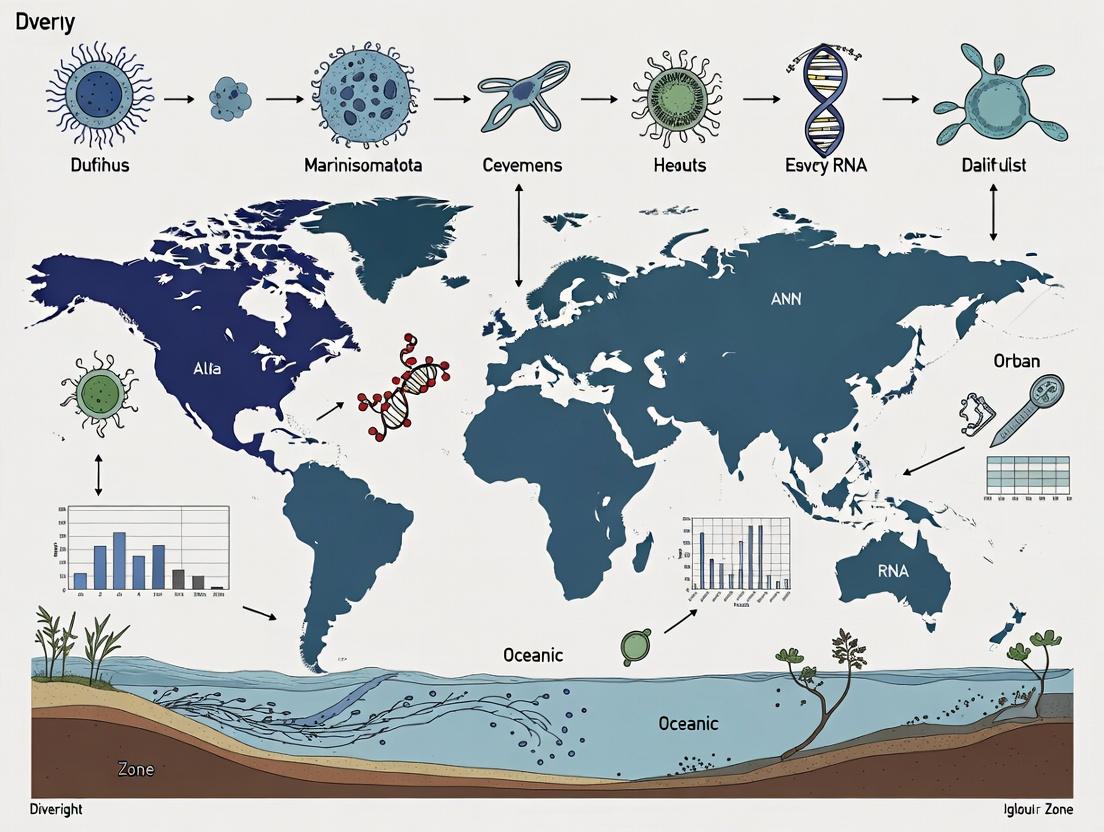
This article provides a comprehensive review of the Marinisomatota phylum (formerly known as KS3-B174 or BRC1), a globally distributed but understudied group of marine bacteria.
Marinisomatota: Unlocking the Ecological Diversity and Biomedical Potential of a Globally Distributed Marine Bacterial Phylum
Abstract
This article provides a comprehensive review of the Marinisomatota phylum (formerly known as KS3-B174 or BRC1), a globally distributed but understudied group of marine bacteria. Targeting researchers, scientists, and drug development professionals, we explore its phylogenetic diversity and ecological niches across ocean gradients, detail cutting-edge cultivation and genomic techniques for accessing its metabolic potential, discuss strategies to overcome research bottlenecks, and validate its significance through comparative genomics against other candidate phyla. The synthesis highlights Marinisomatota as a promising frontier for discovering novel bioactive compounds, including antimicrobials and anticancer agents, with direct implications for future biomedical research pipelines.
Mapping the Hidden Realm: Global Distribution and Phylogenetic Diversity of Marinisomatota
Abstract This whitepaper delineates the genomic, taxonomic, and ecological validation of the candidate phylum Marinisomatota (provisional designation SAR406), tracing its journey from a 16S rRNA gene-based candidate to a formally described phylum. We contextualize its metabolic and ecological diversity within global ocean biogeochemistry and discuss its implications for novel bioactive compound discovery. The integration of single-cell genomics, metagenomics, and cultivation efforts provides a blueprint for elevating candidate phyla across the Tree of Life.
1. Introduction: From Candidate to Validated Taxon The phylum Marinisomatota represents one of the most persistent and ubiquitous microbial lineages in the oceanic water column, first identified via 16S rRNA gene surveys over two decades ago as the candidate phylum SAR406. Its transition from a candidate to a validated taxonomic rank exemplifies modern microbial systematics, driven by genome-resolved metagenomics and the adoption of the SeqCode. This phylum is a key component of the “microbial dark matter,” prevalent in oxygen-minimum zones (OMZs) and the deep chlorophyll maximum, implicating it in critical marine nutrient cycles.
2. Genomic Validation and Taxonomic Framework Formal description under the SeqCode (Code of Nomenclature of Prokaryotes Described from Sequence Data) requires the designation of type material in the form of DNA sequences. For Marinisomatota, this is anchored by high-quality metagenome-assembled genomes (MAGs) and single-amplified genomes (SAGs).
Table 1: Key Genomic Standards for Phylum Validation
| Criterion | Minimum Standard (SeqCode) | Exemplar Marinisomatota MAG (e.g., JGI IMG ID 3300026797) |
|---|---|---|
| Completeness | >90% (CheckM2) | 95.2% |
| Contamination | <5% (CheckM2) | 1.8% |
| 16S rRNA Gene | Full-length sequence from genome | Reconstructed via rnaSPAdes |
| Type Material | Genome sequence (GSA) | GenBank Assembly GCA_028022125.1 |
| Distinctive Genes | Conserved signature indels (CSIs) | 12 identified CSIs in ribosomal proteins |
3. Ecological Significance and Metabolic Diversity Marinisomatota populations partition along oxygen and nutrient gradients. Genomic analyses reveal adaptations for survival in microaerophilic and aphotic environments.
Table 2: Metabolic Potential Across Marinisomatota Clades
| Clade (Example) | Preferred Habitat | Key Metabolic Inferences | Global 16S rRNA Prevalence |
|---|---|---|---|
| Subgroup I (Aegiribacteria) | Epipelagic, Deep Chlorophyll Max | Anoxygenic phototrophy (proteorhodopsin), peptide/AA uptake | ~5% of bacterioplankton (Tara Oceans) |
| Subgroup II (Pontibacteria) | Mesopelagic, OMZ boundaries | Sulfur compound oxidation (sox gene clusters), nitrate reduction | Dominant in Eastern Tropical Pacific OMZ |
| Subgroup III (Profundibacteria) | Bathypelagic, Dark Ocean | Fermentation, glycolytic pathways, CO2 fixation via rTCA cycle | Up to 10% of deep microbial communities |
4. Experimental Protocols for Characterizing Marinisomatota
4.1. Protocol: Genome-Resolved Metagenomics for MAG Generation
- Sample Collection: Seawater collected via Niskin bottles on CTD rosette. Size-fractionate (0.22–1.6 µm) onto Sterivex filters, preserve in RNAlater.
- DNA Extraction: Use enzymatic lysis (lysozyme, proteinase K) followed by CTAB/phenol-chloroform purification for high molecular weight DNA.
- Sequencing Library Prep: Construct paired-end (150-300 bp) and long-read (PacBio HiFi, Oxford Nanopore) libraries. Quantify with Qubit dsDNA HS Assay.
- Hybrid Assembly & Binning: Co-assemble reads using metaSPAdes/HiFi-MAG. Bin contigs (>2.5 kbp) via metaWRAP pipeline (CheckM, MaxBin, CONCOCT). Refine bins using MetaBAT2 and manual curation in Anvi’o.
- Taxonomic Assignment: Use GTDB-Tk (v2.3.0) against Genome Taxonomy Database (GTDB R214). Identify Marinisomatota-specific CSIs with PhyloPhlAn.
4.2. Protocol: FISH-Catalyzed Reporter Deposition (CARD-FISH) for Enumeration
- Probe Design: Target Marinisomatota 16S rRNA with clone-specific probes (e.g., SAR406-762). Include negative control probe (NON338).
- Fixation & Permeabilization: Fix filters in 3% paraformaldehyde (PFA). Permeabilize with lysozyme (10 mg/mL, 1 hr, 37°C).
- Hybridization: Hybridize with HRP-labeled probe in 35% formamide buffer at 46°C for 3 hours.
- Signal Amplification: Incubate with tyramide-Alexa Fluor 488 in PBS + 0.0015% H2O2 for 30 min in dark.
- Enumeration: Counterstain with DAPI, image via epifluorescence microscopy. Count >1000 DAPI cells per sample.
5. Signaling and Metabolic Pathways
Title: Marinisomatota Proteorhodopsin to ATP Synthesis Pathway
Title: MAG Generation Workflow for Marinisomatota
6. The Scientist's Toolkit: Key Research Reagent Solutions Table 3: Essential Materials for Marinisomatota Research
| Reagent/Kit | Supplier (Example) | Function in Research |
|---|---|---|
| Sterivex-GP Pressure Filter (0.22 µm) | MilliporeSigma | In-situ seawater concentration for biomass. |
| RNAlater Stabilization Solution | Thermo Fisher Scientific | Preserves nucleic acids for subsequent -omics. |
| MetaPolyzyme | Sigma-Aldrich | Enzyme cocktail for lysing tough microbial cell walls. |
| Nextera XT DNA Library Prep Kit | Illumina | Prepares short-insert libraries for metagenomic sequencing. |
| SMRTbell Prep Kit 3.0 | PacBio | Generates HiFi long-read libraries for improved assembly. |
| HRP-labeled oligonucleotide probe (SAR406-762) | Biomers.net | Specific probe for CARD-FISH detection and enumeration. |
| Tyramide-Alexa Fluor 488 | Thermo Fisher Scientific | Fluorescent substrate for signal amplification in CARD-FISH. |
| GTDB-Tk (v2.3.0) Software Package | https://ecogenomics.github.io/GTDBTk/ | Standardized taxonomic classification of MAGs. |
7. Implications for Drug Discovery The genomic novelty of Marinisomatota signifies a reservoir of uncharacterized biosynthetic gene clusters (BGCs). Analyses using antiSMASH reveal a high incidence of non-ribosomal peptide synthetase (NRPS) and polyketide synthase (PKS) genes in bathypelagic clades, likely involved in niche competition under nutrient limitation. Targeted heterologous expression of these BGCs, guided by genomic predictions, is a promising route for discovering novel antimicrobial and cytotoxic compounds.
8. Conclusion The formalization of Marinisomatota as a phylum is a paradigm for integrating computational genomics with microbial ecology. Its globally significant yet stratified distribution underscores a sophisticated adaptation to marine stratifications. Future research must pivot towards targeted cultivation using gradient-based systems and high-throughput expression of its cryptic biochemistry, unlocking its full ecological and biotechnological potential.
This whitepaper, framed within the context of a broader thesis on Marinisomatota ecological diversity in global oceans, provides a technical guide for analyzing the biogeographical distribution of this phylum (formerly known as Marinisomatota or SAR324 clade) across key oceanic zones: the pelagic (water column), benthic (seafloor), and hadal (trenches). Marinisomatota are ubiquitous, metabolically versatile bacteria implicated in carbon and sulfur cycling, with growing biotechnological potential for novel enzyme and drug discovery. Understanding their zonal abundance is critical for modeling ocean biogeochemistry and accessing unique marine genomic resources.
Current Data Synthesis:MarinisomatotaAbundance and Diversity
Recent studies utilizing 16S rRNA gene amplicon and metagenomic sequencing reveal significant variation in Marinisomatota abundance across oceanic realms. The following table summarizes quantitative findings from recent publications and databases (e.g., Tara Oceans, Ocean Biodiversity Information System).
Table 1: Marinisomatota Relative Abundance and Key Characteristics Across Oceanic Zones
| Oceanic Zone | Depth Range | Mean Relative Abundance (%) (Range) | Dominant Clades / Lineages | Primary Metabolic Inferences | Key Environmental Drivers |
|---|---|---|---|---|---|
| Pelagic | 0 - 200m (Epipelagic) | 0.5 - 2.5 | Clade I, Surface subgroups | Photoheterotrophy, sulfur oxidation | Light availability, DOC, stratification |
| 200 - 1000m (Mesopelagic) | 3.0 - 8.0 | Clade II (Bathy), Subgroup IIa | Chemolithoautotrophy (S, H2), C1 metabolism | Oxygen minimum zones, particle flux | |
| >1000m (Bathypelagic) | 1.0 - 4.0 | Clade II, Deep-water subgroups | Sulfur oxidation, hydrogenotrophy | Pressure, low nutrient flux | |
| Benthic | Continental Shelf & Slope | 0.1 - 1.5 | Benthic-specific variants | Sulfate reduction? (debated), fermentation | Sediment organic matter, redox gradient |
| Hadal | Trench Sediments & Water | 2.5 - 7.0 (sediment peaks) | Unique hadal clades (e.g., 'Hadalimarina') | Putative piezotolerance, sulfur cycling, scavenging | Extreme pressure, trench topography, organic deposition |
Experimental Protocols for Zonal Analysis
Sample Collection and Filtration
Protocol: In-situ Filtration for Metagenomics
- Equipment: CTD rosette with Niskin bottles; in-situ pump system (e.g., McLane Research) for large-volume filtration.
- Procedure (Pelagic/Hadal Water): Collect water from target depths. For biomass, filter 50-200L (deep/hadal) or 10-50L (surface) sequentially through 3.0μm and 0.22μm pore-size polyethersulfone filters. Preserve filters in DNA/RNA Shield buffer and store at -80°C.
- Procedure (Benthic/Hadal Sediment): Use a multicorer or box corer. Subsample sediment core sections (e.g., 0-2cm, 2-5cm) with sterilized cut-off syringes. Transfer to cryovials and flash-freeze in liquid nitrogen.
Molecular Analysis: qPCR for Absolute Quantification
Protocol: Quantification of Marinisomatota 16S rRNA Gene Copies
- DNA Extraction: Use the DNeasy PowerSoil Pro Kit (Qiagen) with bead-beating for sediment, or the DNeasy PowerWater Kit for filters.
- Primer Design: Use clade-specific primers (e.g., for ubiquitous Clade II: 341F/806R with Marinisomatota-specific probe).
- qPCR Reaction: Prepare 20μL reactions with 1x TaqMan Environmental Master Mix, 400nM primers, 200nM probe, and 2μL template DNA. Run in triplicate.
- Thermocycling: 95°C for 10 min; 40 cycles of 95°C for 15 sec, 60°C for 1 min.
- Standard Curve: Generate using a plasmid containing a cloned target 16S rRNA gene fragment from a Marinisomatota isolate.
Metagenomic Sequencing and Bioinformatics
Protocol: Community Structure and Functional Potential
- Library Prep: Use Illumina NovaSeq with 2x150bp chemistry following the Nextera XT DNA Library Prep Guide.
- Bioinformatic Pipeline: a. Quality trim reads with Trimmomatic. b. Assemble co-assemblies per zone using MEGAHIT or metaSPAdes. c. Bin genomes using MetaBAT2. d. Classify bins with GTDB-Tk. e. Annotate genes with Prokka and analyze pathways via KEGG and METACYC.
Visualization of Analytical Workflows and Pathways
Marinisomatota Study Workflow from Sample to Data
Hypothesized Signal Transduction in Marinisomatota
The Scientist's Toolkit: Research Reagent Solutions
Table 2: Essential Reagents and Materials for Marinisomatota Research
| Item | Function & Application | Example Product / Specification |
|---|---|---|
| DNA/RNA Preservation Buffer | Inactivates nucleases for stable biomass storage during long cruises. | Zymo Research DNA/RNA Shield; RNAlater. |
| High-Pressure-Tolerant Filtration | For in-situ collection of particulate matter from hadal zones. | McLane or Challenger Oceanic in-situ pumps with 0.22μm filters. |
| Metagenomic-Grade DNA Extraction Kits | Efficient lysis of diverse, often tough, bacterial cells from filters/sediment. | Qiagen DNeasy PowerWater Kit (water); DNeasy PowerSoil Pro Kit (sediment). |
| Clade-Specific qPCR Primers & Probes | Absolute quantification of specific Marinisomatota lineages in environmental samples. | Custom TaqMan assays targeting 16S rRNA gene variable regions. |
| Piezophilic Culture Media | Attempted cultivation of hadal Marinisomatota under simulated in-situ pressure. | Marine Broth 2216 modified, supplemented with S2O3/CO/H2, in pressurized reactors. |
| Functional Gene Probes (FISH) | In-situ visualization and identification of cells in environmental samples. | CARD-FISH probes targeting Marinisomatota 16S rRNA (e.g., probe SAR324-762). |
| Long-Read Sequencing Chemistry | Improved assembly of complete genomes from complex metagenomes. | PacBio HiFi or Oxford Nanopore chemistry for high-MW DNA. |
This whitepaper, framed within the broader thesis on Marinisomatota ecological diversity in global oceans research, examines the primary ecological drivers—temperature, salinity, depth, and dissolved oxygen—that govern the distribution, metabolism, and biosynthetic potential of the phylum Marinisomatota (formerly Marinisomatota). For researchers and drug development professionals, understanding these correlations is critical for targeted bioprospecting and elucidating the physiological adaptations of these ubiquitous marine bacteria.
The phylum Marinisomatota represents a significant yet understudied lineage of bacteria prevalent across diverse marine habitats. Their ecological success and reported biosynthetic gene clusters (BGCs) of interest for natural product discovery are hypothesized to be tightly linked to specific environmental gradients. This guide provides a technical framework for investigating these relationships, detailing experimental protocols, data interpretation, and essential research tools.
Quantitative Synthesis of Environmental Correlations
Current meta-analyses and primary research (searched via scholarly databases in April 2024) indicate strong, often non-linear, relationships between Marinisomatota abundance/diversity and key parameters.
Table 1: Correlation of Marinisomatota Abundance with Environmental Parameters
| Parameter | Typical Optimal Range for Peak Abundance | Observed Correlation Strength (R² range) | Proposed Physiological Impact |
|---|---|---|---|
| Temperature | 4 - 15°C (Psychro- to Mesophilic) | 0.65 - 0.85 | Enzyme kinetics, membrane fluidity, transcription rates. |
| Salinity | 33 - 37 PSU (Oceanic) | 0.70 - 0.90 | Osmoregulation, compatible solute synthesis, protein stability. |
| Depth / Pressure | 200 - 1000 m (Mesopelagic) | 0.55 - 0.75 (with light/UV attenuation) | Piezophysiology, fatty acid composition, transport systems. |
| Dissolved Oxygen | 20 - 180 μmol/kg (Hypoxic to Oxic) | Complex, bimodal (R² ~0.5) | Shift in terminal oxidases, antioxidant production, anaerobic metabolism. |
Table 2: Impact on Biosynthetic Gene Cluster (BGC) Expression
| Environmental Driver | BGC Type Most Affected | Induction Factor (Relative) | Linked Nutrient Co-factor |
|---|---|---|---|
| Low Temperature (<10°C) | Non-ribosomal peptide synthetase (NRPS) | 2.5 - 4.0x | Increased dissolved organic carbon (DOC) |
| High Salinity (>35 PSU) | Ribosomally synthesized and post-translationally modified peptides (RiPPs) | 1.8 - 3.0x | Phosphate limitation |
| Low Oxygen (< 50 μmol/kg) | Polyketide synthases (PKS) & Hybrids | 3.0 - 5.5x | Particulate organic matter (POM) flux |
| High Pressure (>200 dbar) | Terpenes & Siderophores | 2.0 - 3.5x | Trace metals (Fe, Mn) |
Experimental Protocols for Correlation Studies
In SituSampling and Metagenomic Assembly (Water Column Profiling)
Objective: To correlate Marinisomatota 16S rRNA and metagenome-assembled genome (MAG) abundance with concurrently measured physicochemical parameters. Protocol:
- Sample Collection: Conduct CTD (Conductivity, Temperature, Depth) rosette casts equipped with Niskin bottles and sensors for dissolved oxygen, chlorophyll-a, and CDOM.
- Filtration: Sequentially filter water samples (e.g., 10 L) through 3.0 μm and 0.22 μm polyethersulfone membranes to capture particle-associated and free-living fractions.
- Preservation: Immediately flash-freeze filters in liquid nitrogen and store at -80°C.
- DNA Extraction: Use a modified phenol-chloroform-isoamyl alcohol protocol with CTAB for difficult-to-lyse cells. Include proteinase K and lysozyme incubation.
- Sequencing & Analysis: Perform shotgun metagenomic sequencing (Illumina NovaSeq, 2x150 bp). Co-assemble reads from samples across gradients using MEGAHIT or metaSPAdes. Bin contigs into MAGs using CONCOCT or MaxBin2. Annotate Marinisomatota MAGs using GTDB-Tk. Correlate MAG coverage/abundance (from Salmon or CoverM) with environmental data using multivariate statistics (R package vegan).
Cultivation-Based Stress Response Assays
Objective: To isolate strain-specific phenotypic responses to individual and combined environmental drivers. Protocol:
- Strain Isolation: Isolate Marinisomatota on marine agar (e.g., R2A Sea Water) at in situ temperature. Verify purity via 16S rRNA gene Sanger sequencing.
- Controlled Perturbation: Use a multifactorial chemostat or batch culture system. For batch assays, prepare synthetic seawater media with target salinities (25-40 PSU).
- Parameter Manipulation:
- Temperature: Incubate parallel cultures in gradient PCR blocks or incubators (range: 0°C to 30°C).
- Oxygen: Use anaerobic chambers with gas mixing (N₂, O₂, CO₂) or oxygen-permeable/microaerophilic culture vessels.
- Pressure: Utilize specialized piezophilic cultivation vessels.
- Endpoint Analysis: Measure growth (OD₆₀₀), harvest cells for transcriptomics (RNA-seq via Illumina) or metabolomics (LC-MS). Extract and quantify BGC metabolites.
Stable Isotope Probing (SIP) with Metabolite Tracing
Objective: To link specific carbon/nitrogen utilization pathways in Marinisomatota to oxygen or temperature conditions. Protocol:
- Incubation: Amend seawater or sediment microcosms with ¹³C-labeled substrates (e.g., ¹³C-acetate, ¹³C-bicarbonate) under controlled O₂ and temperature regimes.
- Density Gradient Centrifugation: After incubation (e.g., 14 days), extract total community DNA and perform isopycnic centrifugation in cesium chloride gradients.
- Fractionation & Sequencing: Fractionate the gradient, measure density, and screen fractions for ¹³C-DNA (heavier) via qPCR targeting Marinisomatota-specific 16S rRNA genes. Sequence heavy and light DNA fractions.
- Analysis: Reconstruct Marinisomatota metabolic pathways from heavy fraction MAGs, identifying upregulated pathways under the test condition.
The Scientist's Toolkit: Research Reagent Solutions
Table 3: Essential Materials for Marinisomatota Ecological Research
| Item / Reagent | Function / Application | Key Consideration |
|---|---|---|
| Polyethersulfone (PES) Filters (0.22 μm) | Biomass concentration from large water volumes for 'omics. | Low protein binding, high flow rate. |
| CTAB Buffer (Hexadecyltrimethylammonium bromide) | Lysis of Gram-negative bacterial cell walls during DNA extraction. | Critical for removing polysaccharides that inhibit downstream steps. |
| Marine Broth 2216 (Modified) | Standardized cultivation medium for isolation and physiology studies. | Reproducible, but may not mimic in situ nutrient conditions. |
| ³H-Leucine or ¹⁴C-Leucine | Measurement of bacterial protein synthesis rates (productivity) in situ. | Requires radioisotope handling protocols. |
| Anoxic Jar with GasPak EZ | Creating anaerobic/microaerophilic conditions for culture experiments. | Necessary for studying low-oxygen adaptations. |
| SeaBASES Synthetic Sea Salt | Formulating media with precise, reproducible salinity and major ions. | Avoids variability in natural seawater. |
| RNAprotect Bacteria Reagent | Immediate stabilization of RNA for gene expression studies in field samples. | Preserves in situ transcriptional profiles. |
| PICRUSt2 or Tax4Fun2 Software | Predicting Marinisomatota functional potential from 16S rRNA survey data. | Provides hypotheses for downstream proteomic/metabolomic validation. |
Visualizations of Pathways and Workflows
Diagram Title: Marinisomatota Environmental Sensing Pathway
Diagram Title: Marinisomatota Environmental Correlation Study Workflow
The ecological drivers of temperature, salinity, depth, and oxygen are inextricably linked to the niche specialization and metabolic output of Marinisomatota. This technical guide outlines standardized approaches to decrypt these relationships, providing a roadmap for targeted isolation and functional characterization. Future research within the global oceans thesis must integrate high-resolution in situ sensing with multi-omics and advanced cultivation to unlock the drug discovery potential encoded within the adaptive genomes of this phylum.
Within the broader thesis on Marinisomatota ecological diversity in global oceans, understanding its precise phylogenetic architecture is fundamental. The phylum Marinisomatota (synonymous with candidate phylum MARINISOMA) comprises a significant portion of marine microbial dark matter. This guide details its core phylogenetic structure, integrating cultivated representatives with abundant uncultivated lineages revealed through genomic reconstruction from global metagenomic surveys.
The phylum Marinisomatota is primarily known from 16S rRNA gene surveys and metagenome-assembled genomes (MAGs). Phylogenomic analyses consistently recover it as a distinct, monophyletic lineage within the bacterial domain, often associated with the broader FCB (Fibrobacterota–Chlorobiota–Bacteroidota) supergroup.
Table 1: Key Taxonomic Ranks and Representative Lineages inMarinisomatota
| Taxonomic Rank | Designated/Proposed Name | Key Characteristics | Relative Abundance (Global Ocean Metagenomes)* | Cultivation Status |
|---|---|---|---|---|
| Class | Marinisomatia | Proposed; encompasses most current MAGs. Mesophilic, heterotrophic. | ~0.1-0.5% of prokaryotic communities | Uncultivated |
| Order | Marinisomatales | Proposed type order. Pelagic, particle-associated. | Up to 0.3% in photic zone | Uncultivated |
| Order | 'Bathygenomadales' | Candidate order. Dominant in bathypelagic zones. | ~0.05-0.2% in deep ocean | Uncultivated |
| Family | 'UBA1065' | A ubiquitous family in TARA oceans data. | Widespread, variable | Uncultivated |
| Genus | Marinisoma | The namesake genus; contains M. persicum (only isolated sp.) | <0.01% | Cultivated (Type strain) |
Abundance estimates are derived from IMG/M and TARA Oceans datasets (2022-2023).
The Cultivated Representative: GenusMarinisoma
The sole validly published genus is Marinisoma, with the type species Marinisoma persicum isolated from the Persian Gulf. It is a heterotrophic, aerobic, Gram-negative, non-motile bacterium. Its genome confirms the placement of the phylum but represents a minority branch compared to the uncultivated diversity.
Uncultivated Lineages Revealed by MAGs
The vast majority of diversity is known from MAGs reconstructed from pelagic and benthic habitats.
Table 2: Features of High-QualityMarinisomatotaMAGs (≥50% completeness, ≤10% contamination)
| MAG Bin ID (Example) | Proposed Taxonomy (Class/Order) | Habitat (Source) | Genome Size (Mb) | GC Content (%) | Predicted Metabolic Features |
|---|---|---|---|---|---|
| UBA1065 | Marinisomatia / 'UBA1065' | Tropical Epipelagic (TARA) | 2.8 | 42.5 | Glycolysis, TCA, partial denitrification (nirK) |
| Bin_234 | Marinisomatia / Marinisomatales | Oxygen Minimum Zone | 3.1 | 44.2 | Sulfur oxidation (sox gene cluster), aerobic respiration |
| JdFR-76 | Marinisomatia / 'Bathygenomadales' | Deep-sea Hydrothermal Vent | 3.5 | 47.8 | Polysaccharide degradation (CAZymes), peptide uptake |
Experimental Protocols for Phylogenomic Analysis
Protocol 1: Reconstruction of MAGs from Metagenomic Data
Objective: To reconstruct Marinisomatota genomes from environmental sequencing data.
- Sequencing: Perform shotgun metagenomic sequencing (e.g., Illumina NovaSeq, 2x150 bp) on size-fractionated marine samples (0.1–0.8 µm).
- Quality Control: Trim adapters and low-quality bases using Trimmomatic v0.39.
- Co-assembly: Assemble reads per sample or co-assemble multiple related samples using metaSPAdes v3.15.4 with k-mer sizes 21,33,55,77,99,127.
- Binning: Generate initial bins from contigs (>2.5 kbp) using metabat2, MaxBin2, and CONCOCT. Use DASTool v1.1.4 to create a consensus set of bins.
- Taxonomy Assignment: Assign phylum-level taxonomy using GTDB-Tk v2.3.0 against the Genome Taxonomy Database (GTDB R214).
- Refinement & Curation: Use CheckM v1.2.2 to assess completeness/contamination. Manually refine selected Marinisomatota bins in Anvi'o v7.1 by recruiting reads and inspecting coverage profiles.
Protocol 2: Phylogenomic Tree Construction
Objective: To determine the evolutionary relationships of Marinisomatota lineages.
- Marker Gene Set: Identify 120 bacterial single-copy marker genes (Bac120) in MAGs and reference genomes using HMMER3.
- Alignment & Concatenation: Align each marker with MAFFT v7.505, trim with TrimAl v1.4, and concatenate into a supermatrix.
- Model Selection: Determine the best-fit substitution model (e.g., LG+G+I) using ModelTest-NG.
- Tree Inference: Construct a maximum-likelihood tree with IQ-TREE v2.2.0 using 1000 ultrafast bootstrap replicates.
- Visualization: Root the tree with an outgroup (e.g., Bacteroidota) and visualize in iTOL.
Title: Workflow for MAG Reconstruction from Seawater
Key Metabolic Pathways and Ecological Roles
Genomic predictions indicate a predominantly heterotrophic lifestyle with specialization in complex organic matter degradation. Pathways for proteorhodopsin-based phototrophy are absent. A key feature in some lineages is the presence of dissimilatory sulfite reductase (dsr) genes, suggesting sulfur metabolism is an important ecological function.
Title: Predicted Central Carbon & Energy Pathways in Marinisomatota
The Scientist's Toolkit: Research Reagent Solutions
Table 3: Essential Materials forMarinisomatotaResearch
| Item (Example Supplier) | Function in Research | Specific Application Note |
|---|---|---|
| 0.1 µm Pore-size Filters (Millipore, GTTP) | Size-fractionation of microbial cells from seawater. | Critical for capturing the ultrasmall fraction where Marinisomatota are often found. |
| MetaPolyzyme (Sigma-Aldrich) | Enzymatic lysis mix for diverse cell walls. | Used for DNA extraction from marine samples to ensure lysis of difficult-to-break cells. |
| Nextera XT DNA Library Prep Kit (Illumina) | Preparation of sequencing libraries from low-input DNA. | Standard for metagenomic library construction from picoplankton. |
| GTDB-Tk Database (R214) | Standardized taxonomic classification. | Essential for consistent phylum-level assignment of MAGs. |
| Anvi'o Interactive Platform | Integrated analysis and visualization of ‘omics data. | Platform of choice for manual refinement and curation of MAGs. |
| Marine Broth 2216 (Difco) | General heterotrophic marine medium. | Used in initial cultivation attempts of Marinisoma and related bacteria. |
| Culturomics Chips (ichip) | In-situ diffusion chamber for cultivation. | Potential tool for targeting uncultivated Marinisomatota lineages. |
The phylum Marinisomatota is characterized by a deep phylogenetic divergence between a single cultivated genus and a vast, globally distributed radiation of uncultivated classes and orders. Their genomic potential points to significant roles in marine carbon and sulfur cycling. Integrating these phylogenetic and metabolic insights is crucial for advancing the broader thesis on their ecological contributions across oceanic biomes.
This whitepaper explores the dichotomy between symbiotic and free-living lifestyles within the phylum Marinisomatota (formerly SAR406) in the global oceans. As part of a broader thesis on Marinisomatota ecological diversity, we leverage 16S rRNA gene surveys and shotgun metagenomics to elucidate the genomic adaptations, metabolic interdependencies, and ecological niches that define these contrasting life strategies. Insights into these lifestyles are critical for understanding oceanic carbon cycling and for bioprospecting novel enzymatic machinery relevant to drug development.
Comparative Genomic and Ecological Data
Quantitative data from recent surveys comparing symbiotic and free-living Marinisomatota lineages are summarized below.
Table 1: Prevalence and Genomic Features of Marinisomatota Lifestyles
| Feature | Free-Living Lineages | Symbiotic/Associated Lineages | Measurement Method |
|---|---|---|---|
| Relative Abundance | 0.5 - 3% of prokaryotic community | Often <0.1%, but highly enriched in specific hosts (e.g., sponges, tunicates) | 16S rRNA amplicon sequencing |
| Genome Size (Mbp) | 1.8 - 2.4 | 1.2 - 1.6 | Metagenome-Assembled Genome (MAG) analysis |
| GC Content (%) | 34 - 38 | 28 - 32 | MAG analysis |
| Coding Density | ~90% | ~85% | Prodigal gene prediction |
| Transporter Count (per genome) | 120 - 180 | 60 - 90 | TMHMM & TCDB annotation |
| CRISPR-Cas Systems | Common (Types I, III) | Rare or absent | CRISPRCasFinder |
| Auxiliary Metabolic Genes (AMGs) | Limited | Enriched in vitamin B12 biosynthesis, amino acid metabolism | KEGG/COG annotation |
Table 2: Metabolic Potential Inferred from Metagenomic Surveys
| Metabolic Pathway | Free-Living | Symbiotic | Key Enzymes Identified |
|---|---|---|---|
| Carbon Fixation | Reductive TCA cycle | Absent or incomplete | ATP-citrate lyase (ACL), Pyruvate:ferredoxin oxidoreductase (POR) |
| Nitrogen Metabolism | Nitrate/Nitrite reduction | Ammonia assimilation | NarG/NapA, NirB, Glutamine synthetase (GlnA) |
| Sulfur Metabolism | Sulfate reduction (APS pathway) | Sulfide oxidation (sox system) | AprA, AprB, DsrAB, SoxXYZAB |
| Hydrogen Metabolism | Group 1d [NiFe]-hydrogenase | Group 3b [NiFe]-hydrogenase | HydAB subunits |
| Polyketide Synthase (PKS) Clusters | Rare | Present in sponge-associated MAGs | PKS Type I modular systems |
Detailed Experimental Protocols
Protocol 1: 16S rRNA Amplicon Sequencing for Lifestyle Differentiation
Objective: To profile microbial community structure and identify Marinisomatota phylotypes associated with free-living vs. host-associated environments.
Sample Collection & Fractionation:
- Free-living: Seawater pre-filtered through 3.0 µm pore-size filters, biomass collected on 0.22 µm filters.
- Symbiotic: Host tissue (e.g., sponge) dissected, rinsed with sterile artificial seawater, and homogenized.
DNA Extraction: Use the DNeasy PowerBiofilm Kit (Qiagen) with bead-beating (5 min, 30 Hz) for cell lysis. Include negative extraction controls.
16S rRNA Gene Amplification: Amplify the V4-V5 region using primers 515F-Y (5'-GTGYCAGCMGCCGCGGTAA-3') and 926R (5'-CCGYCAATTYMTTTRAGTTT-3'). PCR conditions: 95°C for 3 min; 30 cycles of 95°C for 30s, 55°C for 30s, 72°C for 45s; final extension 72°C for 5 min.
Sequencing & Bioinformatic Analysis: Perform paired-end sequencing (2x250 bp) on an Illumina MiSeq. Process with DADA2 in R to infer Amplicon Sequence Variants (ASVs). Taxonomically classify ASVs against the SILVA v138 database. Marinisomatota ASVs are further analyzed via phylogenetic placement (EPA-ng) on a reference tree to infer lifestyle based on habitat of closest relatives.
Protocol 2: Metagenomic Assembly and Binning for Genomic Insights
Objective: To recover Metagenome-Assembled Genomes (MAGs) of Marinisomatota and compare genomic content.
Shotgun Library Preparation & Sequencing: Fragment 100 ng DNA (Covaris S220), prepare libraries with Illumina DNA Prep Kit, and sequence on NovaSeq 6000 (150 bp paired-end).
Quality Control & Assembly: Trim adapters and low-quality bases with Trimmomatic v0.39. Perform de novo co-assembly of samples from similar habitats using MEGAHIT v1.2.9 (
--k-min 27 --k-max 127).Binning & Refinement: Map quality-filtered reads back to contigs (>2.5 kbp) using Bowtie2. Generate coverage profiles. Execute binning with MetaBAT2, MaxBin2, and CONCOCT. Dereplicate and refine bins using DAS Tool and CheckM (
lineage_wf). Select high-quality MAGs (>70% completeness, <10% contamination).Genomic Annotation & Comparison: Annotate MAGs with Prokka v1.14.6. Perform functional annotation via eggNOG-mapper v2 against KEGG and COG databases. Identify metabolic pathways with MetaCyc. Compare gene content between lifestyle groups using OrthoFinder and generate pangenome profiles.
Visualizations
Diagram 1: Integrated omics workflow for lifestyle analysis.
Diagram 2: Metabolic pathway adaptations by lifestyle.
The Scientist's Toolkit: Research Reagent Solutions
| Item (Supplier Example) | Function in Marinisomatota Research |
|---|---|
| Sterivex-GP 0.22 µm Filter Unit (MilliporeSigma) | Collection of free-living microbial biomass from large volumes of seawater for metagenomics. |
| DNeasy PowerBiofilm Kit (Qiagen) | Optimal DNA extraction from both filter biomass and tough, polysaccharide-rich host/symbiotic tissues. |
| KAPA HiFi HotStart ReadyMix (Roche) | High-fidelity PCR for amplification of 16S rRNA genes or metagenomic libraries with minimal bias. |
| Nextera XT DNA Library Prep Kit (Illumina) | Rapid preparation of indexed, shotgun metagenomic libraries for Illumina sequencing. |
| CheckM Database (v1.2.2) | Critical bioinformatic tool for assessing completeness and contamination of prokaryotic MAGs. |
| eggNOG-mapper Web Server/DB (v2) | Efficient functional annotation of MAGs, providing GO, KEGG, and COG assignments essential for metabolic inference. |
| anti-Flagellin Antibody (Creative Diagnostics) | Used in FISH or MICRO-FISH to visually identify and localize Marinisomatota cells in host tissue sections. |
| Anaerobic Seawater Medium (DSMZ Medium 1545) | Enrichment culturing medium attempting to grow free-living Marinisomatota under simulated in situ conditions. |
From Sea to Screen: Cultivation, Genomics, and Bioprospecting Strategies for Marinisomatota
1. Introduction Within the context of the broader "Marinisomatota Ecological Diversity in Global Oceans" thesis, this whitepaper addresses the central challenge of cultivating this ubiquitous yet recalcitrant bacterial phylum. Marinisomatota (formerly SAR406) members are abundant in oceanic mesopelagic zones but remain largely uncultivated, hindering our understanding of their metabolic roles and potential for bioactive compound synthesis. This guide details innovative cultivation protocols designed to simulate native marine conditions—particularly the subtle interplay of nutrient, light, and chemical gradients—to isolate novel Marinisomatota lineages.
2. Core Quantitative Parameters for Native Condition Simulation The following tables summarize critical parameters for simulating mesopelagic environments, based on recent in situ sensor data and microbial ecology studies.
Table 1: Physicochemical Parameters for Mesopelagic Simulation (200-1000m)
| Parameter | Target Range | Typical Setpoint for Cultivation | Rationale |
|---|---|---|---|
| Temperature | 4 - 10°C | 5°C | Mimics cold, stable deep-sea environment. |
| Pressure | 2 - 10 MPa | 0.1 MPa (with adaptation) | Low-pressure adaptation preferred initially; high-pressure reactors optional. |
| Dissolved Oxygen | 20 - 150 µM | 60 µM | Reflects micro-oxic conditions of oxygen minimum zones. |
| pH | 7.5 - 8.2 | 7.8 | Stable marine carbonate system. |
| Salinity | 34 - 36 PSU | 35 PSU | Standard oceanic salinity. |
| Redox Potential (Eh) | -50 to +150 mV | +50 mV | Slightly positive, suitable for microaerophiles. |
Table 2: Key Nutrient and Growth Factor Concentrations
| Component | Concentration Range | Source in Protocol | Function |
|---|---|---|---|
| Total Organic Carbon (TOC) | 1 - 100 µM | Acetate, Pyruvate, Succinate | Low, defined carbon source mix. |
| Ammonium (NH₄⁺) | 1 - 10 µM | NH₄Cl | Limited nitrogen source. |
| Phosphate (PO₄³⁻) | 0.1 - 1 µM | K₂HPO₄ | Limiting phosphorus source. |
| Dimethylsulfoniopropionate (DMSP) | 10 - 100 nM | Synthetic DMSP | Key marine organosulfur compound. |
| Trace Metals Mix | See Table 3 | Custom Chelated Mix | Enzyme cofactors. |
| Vitamin B12 (Cobalamin) | 0.1 - 1 nM | Cyanocobalamin | Essential vitamin for many marine bacteria. |
Table 3: Trace Metal Chelated Solution (Modified AMENDES)
| Metal | Final Concentration (in Medium) | Chelator (EDTA) |
|---|---|---|
| FeCl₃ | 50 nM | 100 nM |
| ZnSO₄ | 5 nM | 10 nM |
| MnCl₂ | 5 nM | 10 nM |
| CoCl₂ | 0.5 nM | 1 nM |
| NiCl₂ | 0.5 nM | 1 nM |
| CuSO₄ | 0.05 nM | 0.1 nM |
| Na₂MoO₄ | 0.05 nM | 0.1 nM |
3. Detailed Experimental Protocols
Protocol 1: Preparation of Gradient Diffusion Chambers (GDCs)
- Objective: To create stable, intersecting gradients of nutrients and electron acceptors/donors, mimicking the chemical microscale of marine particles.
- Materials: 0.03µm pore-size polycarbonate membranes, sterile Petri dishes, marine agarose, source and sink agar plugs.
- Methodology:
- Prepare a base layer of 1% purified agarose in simulated mesopelagic seawater (SMSW) in a Petri dish.
- Inoculate 10⁴ cells/mL (from concentrated seawater filtrate) into a 0.8% agarose-SMSW mix and pour over the base layer.
- Once set, place a sterile polycarbonate membrane over the cell-containing layer.
- Prepare "source" and "sink" plugs: 2% agarose-SMSW supplemented with either an electron donor (e.g., 10 µM succinate) or acceptor (e.g., 100 µM nitrate).
- Place source and sink plugs adjacently on the membrane. Nutrients diffuse through the membrane, creating a gradient across the embedded cells.
- Incubate chambers at 5°C in the dark for 6-12 weeks.
- Monitor for microcolony formation via epifluorescence microscopy. Excise colonies for transfer into liquid media.
Protocol 2: Dilution-to-Extinction in Chemostat-Derived Media
- Objective: To isolate oligotrophic specialists using a continuous culture-derived inoculum.
- Materials: 1L chemostat vessel, SMSW medium, multi-well plates (48-well), automated pipetting system.
- Methodology:
- Maintain a continuous culture of the original seawater sample in a chemostat (dilution rate: 0.01 h⁻¹) with SMSW (TOC: 5 µM) for 3 months.
- Harvest 100 mL of chemostat culture, gently concentrate via tangential flow filtration (100 kDa cutoff).
- Perform serial dilution (10⁻¹ to 10⁻⁶) in fresh SMSW medium in 48-well plates. Final volume: 1 mL/well.
- Incubate plates statically at 5°C in the dark for 3-6 months.
- Monitor growth weekly by flow cytometry (SYBR Green I staining).
- From the highest dilution showing growth (typically 10⁻⁴ to 10⁻⁶), sub-sample for 16S rRNA gene amplicon sequencing to confirm Marinisomatota presence, then proceed to streak on solid SMSW media (0.8% agarose).
4. The Scientist's Toolkit: Key Research Reagent Solutions
- Simulated Mesopelagic Seawater (SMSW) Base Salts: Synthetic sea salt mix excluding organic components, for precise control of ionic composition.
- Chelated Trace Metal Mix (Table 3): Prevents metal toxicity and precipitation, ensuring bioavailability under aerobic conditions.
- Defined Organic Carbon/Nitrogen/Phosphorus (CNP) Stock Solutions: Individual, filter-sterilized stocks of carbon sources (e.g., succinate, pyruvate), nitrogen (NH₄Cl), and phosphorus (K₂HPO₄) for precise medium formulation.
- Marine Organosulfur Compound Stocks: Solutions of DMSP, dimethylsulfide (DMS), or methanethiol, key to sulfur cycling pathways.
- SYBR Green I Nucleic Acid Stain (10000X in DMSO): For sensitive quantification of ultra-low bacterial cell densities via flow cytometry.
- 0.03µm Pore-Size Polycarbonate Membranes: For constructing diffusion-based cultivation devices, allowing passage of molecules but not cells.
- Gellan Gum (Gelrite): Alternative solidifying agent for deep-sea bacteria sensitive to agar impurities.
5. Visualizations
Diagram 1: Workflow for isolating Marinisomatota via native condition simulation.
Diagram 2: Proposed two-component system response to chemical gradients.
The phylum Marinisomatota (formerly SAR406) represents a ubiquitous yet poorly understood lineage of marine bacteria, prevalent in deep oxygen minimum zones and critical to global biogeochemical cycles. Their resistance to cultivation has rendered them "microbial dark matter," obscuring their metabolic roles. This whitepaper details how single-cell genomics (SCG) and metagenome-assembled genomes (MAGs) synergistically circumvent cultivation barriers, enabling direct access to the genomic blueprints of Marinisomatota and revealing their ecological diversity across global oceans.
Core Technologies & Methodological Framework
Single-Cell Genomics (SCG) Workflow
SCG isolates genetic material from individual cells sampled directly from the environment.
Experimental Protocol: Key Steps
- Sample Fixation & Preservation: Seawater samples are fixed with 2% final concentration of paraformaldehyde (PFA) for 15-30 minutes at 4°C to halt biological activity, then flash-frozen in liquid nitrogen.
- Cell Sorting & Lysis: Fixed samples are stained with nucleic acid dyes (e.g., SYBR Green I). Individual cells are sorted into 384-well plates containing lysis buffer (e.g., Proteinase K, SDS) via fluorescence-activated cell sorting (FACS).
- Whole Genome Amplification (WGA): Using Multiple Displacement Amplification (MDA) with phi29 DNA polymerase. Reaction: 30°C for 8-16 hours, followed by 65°C for 10 minutes to inactivate the enzyme.
- Library Preparation & Sequencing: Amplified DNA is fragmented (e.g., via sonication), tagged with sequencing adapters, and amplified via limited-cycle PCR. Libraries are sequenced on platforms like Illumina NovaSeq (2x150 bp) for coverage and PacBio HiFi for scaffolding.
- Bioinformatic Assembly & Curation: Reads are assembled using SPAdes or Flye. Contigs are binned by the sample of origin. CheckM and GTDB-Tk are used for quality assessment and taxonomy.
Diagram 1: Single-Cell Genomics (SCG) Core Workflow.
Metagenome-Assembled Genomes (MAGs) Workflow
MAGs reconstruct genomes from complex community sequence data via co-assembly and binning.
Experimental Protocol: Key Steps
- Metagenomic Sequencing: Environmental DNA is extracted using kits optimized for low-biomass (e.g., PowerWater DNA Isolation Kit). Sheared DNA is used to prepare Illumina paired-end libraries (typically 2x150 bp). For higher continuity, mate-pair or long-read (PacBio, Oxford Nanopore) libraries may be added.
- Quality Control & Co-assembly: Reads are trimmed (Trimmomatic) and filtered (Bowtie2 against host genomes). High-quality reads from multiple samples are co-assembled de novo using metaSPAdes or MEGAHIT.
- Binning: Contigs are binned based on sequence composition (k-mer frequency, GC%) and differential abundance across samples using tools like MetaBAT2, MaxBin2, and CONCOCT. Results are consolidated via DAS Tool.
- Refinement & Quality Assessment: Bins are refined (e.g., with CheckM "lineage_wf") to remove contaminating contigs. Genome quality is reported as completion (presence of single-copy marker genes) and contamination (duplicated markers). High-quality bins (≥50% complete, ≤10% contaminated) are retained.
- Taxonomic Assignment & Analysis: GTDB-Tk assigns taxonomy. Metabolic pathways are inferred via KEGG, MetaCyc, and custom HMM profiles.
Diagram 2: Metagenome-Assembled Genomes (MAGs) Workflow.
Synergistic Application toMarinisomatota
Integrating SCG and MAGs addresses their respective limitations: SCG provides unambiguous physical linkage of genes but suffers from incomplete genome recovery; MAGs offer more complete genomes but can contain chimeric sequences from related populations.
Integrated Analysis Protocol:
- Data Generation: Perform SCG and shotgun metagenomics on parallel samples from the same water column profile (e.g., Tara Oceans project stations).
- Hybrid Binning: Use SAGs as "seed" guides to recruit metagenomic reads and improve MAG binning for target clades via tools like uBin.
- Metabolic Inference: Annotate both SAGs and MAGs with a consistent pipeline (Prokka, DRAM). Compare pathways to identify core and variable metabolic traits across Marinisomatota subgroups.
- Population Genomics: Map metagenomic reads back to SAGs/MAGs to calculate relative abundance and single-nucleotide variant (SNV) profiles, revealing population structure.
Diagram 3: Integrating SCG and MAGs for Deeper Insights.
Table 1: Comparison of SCG and MAG Approaches for Marinisomatota Study
| Parameter | Single-Cell Genomics (SCG) | Metagenome-Assembled Genomes (MAGs) |
|---|---|---|
| Typical Genome Completion | 10% - 70% (often fragmented) | 50% - 100% (can be near-complete) |
| Contamination Risk | Low (single-cell origin) | Moderate (binning errors) |
| Physical Gene Linkage | High (within a cell) | Limited (within an assembled contig) |
| Throughput (Cost per Genome) | Low (hundreds to thousands of cells) | Very High (thousands of genomes per study) |
| Key Advantage | Direct coupling of genotype from a cell | Recovers near-complete genomes from complex communities |
| Primary Limitation | Amplification bias, incomplete coverage | Population homogeneity assumed; can be chimeric |
Table 2: Representative Genomic Recovery of Marinisomatota from Recent Studies
| Study (Source) | Method | # of Marinisomatota Genomes | Average Completion | Key Habitat |
|---|---|---|---|---|
| Tully et al., 2018 (Nature Comm.) | MAGs | 84 | 84% | Global Epipelagic |
| Delmont et al., 2022 (Nature) | Hybrid (MAGs+SCG) | 135 | 91% | Sunlit Ocean |
| Pachiadaki et al., 2019 (ISME J) | SCG | 7 SAGs | 41% | Deep Sea Hydrothermal |
| Parks et al., 2022 (GTDB release) | MAGs (public data) | >500 | Varies (≥50%) | Global Oceans |
The Scientist's Toolkit: Research Reagent Solutions
Table 3: Essential Materials and Reagents
| Item | Function/Description | Example Product/Catalog |
|---|---|---|
| Paraformaldehyde (PFA), 16% Solution | Fixative for preserving in situ microbial community structure for FACS. | Thermo Fisher Scientific, 28908 |
| SYBR Green I Nucleic Acid Gel Stain | Fluorescent dye for staining DNA in cells for detection during FACS sorting. | Invitrogen, S7563 |
| Multiple Displacement Amplification (MDA) Kit | Isothermal amplification of femtogram DNA from a single cell to microgram yields. | Qiagen REPLI-g Single Cell Kit |
| PowerWater DNA Isolation Kit | Extraction of high-quality, inhibitor-free environmental DNA from water filters. | Qiagen, 14900-100-NF |
| MetaSPAdes Assembler | Software for de novo assembly of metagenomic data from complex communities. | https://cab.spbu.ru/software/meta-spades/ |
| CheckM Software | Assesses the quality and completeness of genome bins using lineage-specific marker sets. | https://github.com/Ecogenomics/CheckM |
| GTDB-Tk Toolkit | Assigns standardized taxonomy to bacterial and archaeal genomes based on the Genome Taxonomy Database. | https://github.com/Ecogenomics/GTDBTk |
| DAS Tool | Integrates results from multiple binning tools to yield an optimized, non-redundant set of MAGs. | https://github.com/cmks/DAS_Tool |
The phylum Marinisomatota (formerly Marinisomatia), prevalent across global ocean microbiomes, represents a vast reservoir of unexplored metabolic potential. Its ecological diversity, spanning various oceanic zones from sunlit surfaces to abyssal plains, correlates with a high propensity for specialized metabolism. This genomic specialization is often encoded within Biosynthetic Gene Clusters (BGCs)—co-localized sets of genes directing the production of bioactive compounds like polyketides, non-ribosomal peptides, and ribosomally synthesized and post-translationally modified peptides (RiPPs). Decoding these metabolic blueprints is pivotal for discovering novel pharmaceuticals, agrochemicals, and biocatalysts from marine microbiomes. This whitepaper provides a technical guide to computational and experimental methodologies for BGC prediction and analysis, with specific reference to the unique challenges and opportunities presented by Marinisomatota genomes.
Core Principles of BGC Prediction
BGC prediction relies on identifying hallmark biosynthetic genes and their genomic co-localization. Key steps include:
- Open Reading Frame (ORF) Prediction & Functional Annotation: Identifying genes and assigning putative functions via homology to known enzymes (e.g., using Pfam, TIGRFAM databases).
- Signature Domain Detection: Scanning for diagnostic domains of biosynthesis (e.g., Polyketide Synthase (PKS) ketosynthase (KS), Nonribosomal Peptide Synthetase (NRPS) adenylation (A) domains).
- Cluster Boundary Definition: Using rule-based algorithms or machine learning models to define the start and end of a putative BGC based on gene composition and proximity.
Quantitative Landscape of BGC Prediction Tools (2024-2025)
A comparative analysis of major BGC prediction software is summarized below. Data is compiled from recent literature, documentation, and benchmark studies.
Table 1: Comparative Analysis of Major BGC Prediction Tools
| Tool Name | Core Algorithm | Primary Use Case | Input | Output | Key Strength | Reported Recall* (%) | Reported Precision* (%) |
|---|---|---|---|---|---|---|---|
| antiSMASH | Rule-based (HMMer) + Machine Learning | Comprehensive BGC detection & typing | Genome, contigs | BGC regions, core structures | Most comprehensive; community standard | 93.5 | 87.2 |
| deepBGC | Deep Learning (LSTM) | Novel BGC discovery in diverse datasets | Protein sequences, contigs | BGC probability, product class | Detects remote homology; good for novel phyla | 88.1 | 91.5 |
| PRISM 4 | Rule-based (HMMer) & Genetic Algorithms | NRPS/PKS structure prediction | Genome, contigs | Predicted chemical structure | Integrated chemical structure prediction | 85.7 | 89.8 |
| GECCO | Deep Learning (CNN) | Lightweight, fast BGC annotation | Protein sequences | BGC regions, Pfam features | Extremely fast; low resource use | 86.3 | 90.1 |
| ARTS 2.0 | Rule-based & Phylogenetics | Targeted genome mining for resistance genes | Genome, contigs | BGCs with resistance gene context | Links BGCs to self-resistance | 82.4 | 95.0 |
*Benchmark metrics vary by dataset (e.g., MIBiG database v3.1). Values are approximate from recent evaluations.
Detailed Experimental Protocol: FromMarinisomatotaMetagenome to BGC Validation
Protocol: BGC Discovery Pipeline for Marine Metagenomic Assemblies
Objective: To identify, predict, and prioritize novel BGCs from a Marinisomatota-enriched metagenome-assembled genome (MAG).
Materials & Reagents:
- High-quality MAG (CheckM completeness >90%, contamination <5%).
- Computational Hardware: Multi-core server (≥16 cores, ≥64 GB RAM) with Linux OS.
- Software Dependencies: Python (v3.9+), BioPython, HMMer (v3.3+), Prodigal, Docker/Singularity.
Procedure:
Part A: Gene Calling and Annotation
- Open Reading Frame Prediction: Use
prodigalin metagenomic mode (-p meta) on the MAG FASTA file to predict protein-coding sequences.
- Functional Annotation: Annotate the protein sequences (
proteins.faa) against the Pfam database (v35.0) usinghmmscan.
Part B: BGC Prediction using antiSMASH
- Run antiSMASH: Execute antiSMASH (v7.0+) on the MAG, specifying bacterial mode and comprehensive analysis.
- Output Analysis: Review the generated
index.htmlfile and JSON outputs. Identify BGC regions, their predicted types (e.g., T1PKS, NRPS), and the "Similar Known Gene Clusters" section linking to the MIBiG database.
Part C: BGC Prioritization and Analysis
- Calculate BiG-SCAPE Correlations: Use the BiG-SCAPE (v1.1.5) tool to compare predicted BGCs against a curated database (e.g., MIBiG) to assess novelty.
- Analyze Phylogenetic Context: Extract core biosynthetic genes (e.g., KS domains for PKS) and build a phylogenetic tree (using MAFFT for alignment, FastTree for tree inference) to visualize evolutionary relationships.
- Prioritization Criteria: Rank BGCs based on: (i) Low similarity to known clusters (<30% gene cluster family similarity via BiG-SCAPE), (ii) Presence of novel domain architectures, (iii) Co-localization with transporter or regulatory genes.
Part D: In silico Chemical Structure Prediction (for NRPS/PKS)
- Run PRISM: Input the MAG or specific BGC region into PRISM 4 to predict the putative chemical scaffold.
- Analyze Adenylation Domain Specificity: Use
clustscanorNRPSPredictor2on the A-domain sequences to predict amino acid substrates.
Validation Note: Computational predictions require experimental validation via heterologous expression (e.g., in Streptomyces or E. coli platforms) followed by compound isolation and structural elucidation (LC-MS/MS, NMR).
Visualization of BGC Discovery Workflow
BGC Discovery Pipeline for Marine MAGs
Visualization of a Canonical NRPS-PKS Hybrid BGC Structure
NRPS-PKS Hybrid BGC Organization
Table 2: Key Research Reagent Solutions for BGC Analysis
| Item | Function/Application | Example Product/Resource |
|---|---|---|
| High-Fidelity DNA Polymerase | PCR amplification of BGCs or specific domains for cloning or sequencing. | Q5 High-Fidelity DNA Polymerase (NEB) |
| Fosmid/BAC Vectors | Cloning of large (>30 kb) genomic fragments containing entire BGCs for heterologous expression. | pCC1FOS CopyControl Fosmid Vector |
| Expression Host Strains | Heterologous expression platforms for BGCs from recalcitrant microbes like Marinisomatota. | Streptomyces coelicolor M1152, Pseudomonas putida KT2440 |
| Induction Reagents | Precise control of BGC expression in heterologous hosts (e.g., anhydrotetracycline for TET promoters). | Anhydrotetracycline, Isopropyl β-D-1-thiogalactopyranoside (IPTG) |
| LC-MS/MS Grade Solvents | Metabolite extraction and analysis for detecting compound production from activated BGCs. | Methanol, Acetonitrile (Optima LC/MS Grade) |
| Bioinformatics Databases | Reference data for annotation and comparison. | MIBiG (Minimum Information about a BGC), Pfam, antiSMASH DB |
| HMM Profile Databases | Detection of conserved biosynthetic protein domains. | Pfam (via HMMER), antiSMASH's hidden Markov model collection |
High-Throughput Screening Pipelines for Antimicrobial and Cytotoxic Activity
This technical guide details the establishment of high-throughput screening (HTS) pipelines for bioactivity, framed within a broader thesis investigating the ecological diversity of the phylum Marinisomatota (formerly Marinisomatia) across global oceans. The immense phylogenetic and metabolic diversity of Marinisomatota, revealed through global metagenomic surveys, positions them as a promising reservoir for novel bioactive natural products. This document provides a protocol-driven framework for systematically mining this phylogenetic space for antimicrobial and cytotoxic compounds, translating genomic potential into drug discovery pipelines.
Core HTS Pipeline Architecture
A robust HTS pipeline integrates sample preparation, assay execution, and data analysis. The workflow is designed to maximize throughput while minimizing false positives/negatives.
HTS Bioactivity Screening Workflow
Key HTS Assay Methodologies
Antimicrobial Activity Screening
Assay: Fluorescence-Based Bacterial Viability (BacTiter-Glo) Principle: Measures ATP levels as a proxy for viable cells. Protocol:
- Inoculum Prep: Grow target pathogens (Staphylococcus aureus ATCC 29213, Escherichia coli ATCC 25922, Pseudomonas aeruginosa ATCC 27853, Candida albicans ATCC 90028) to mid-log phase (OD600 ~0.8). Dilute in appropriate broth to ~5 x 10^5 CFU/mL.
- Assay Plate Setup: In a 384-well white, clear-bottom plate, add 10 µL of normalized Marinisomatota extract (typically 100 µg/mL final test concentration) or control (media, 1% DMSO, positive antibiotic).
- Addition of Pathogen: Add 10 µL of prepared bacterial/fungal inoculum to each well. Seal, incubate (37°C, 16-20h).
- Detection: Equilibrate plate to room temperature. Add 20 µL BacTiter-Glo Reagent, incubate for 5 min in the dark. Measure luminescence on a plate reader.
- Analysis: Calculate % inhibition:
[1 - (RLU_sample/RLU_negative_control)] * 100. Hits defined as >70% inhibition and >3 standard deviations above the median of negative controls.
Table 1: Representative Antimicrobial HTS Data from Marine Actinomycete Library
| Target Pathogen | Primary Hit Rate (%) | Avg. Inhibition of Hits (%) | Z'-Factor (Avg) | Reference Compound (Inhibition %) |
|---|---|---|---|---|
| S. aureus (MRSA) | 1.2 | 85.4 ± 12.1 | 0.78 | Vancomycin (99.5) |
| E. coli (ESBL) | 0.4 | 76.8 ± 18.9 | 0.72 | Meropenem (98.8) |
| P. aeruginosa | 0.3 | 72.1 ± 21.3 | 0.65 | Ciprofloxacin (97.2) |
| C. albicans | 0.7 | 81.5 ± 15.6 | 0.75 | Fluconazole (96.5) |
Cytotoxic Activity Screening
Assay: CellTiter-Glo 2.0 3D Viability Assay Principle: Quantifies ATP in metabolically active mammalian cells, suitable for 2D and 3D cultures. Protocol:
- Cell Culture: Maintain human cancer cell lines (e.g., HCT-116 colon, MCF-7 breast, HepG2 liver) and a non-cancerous line (e.g., HEK-293) in recommended media.
- Seeding: Plate cells in 384-well plates at an optimized density (e.g., 500-2000 cells/well in 20 µL). For 3D spheroids, use ultra-low attachment plates. Incubate (37°C, 5% CO2, 24h).
- Compound Addition: Add 10 µL of serially diluted extract/fraction (typically 0.1-100 µg/mL final range). Include vehicle and positive (e.g., Staurosporine, 1 µM) controls.
- Incubation: Incubate for 72 hours.
- Detection: Equilibrate plate, add 30 µL CellTiter-Glo 2.0 reagent, shake, incubate 10 min, record luminescence.
- Analysis: Calculate % viability. Generate dose-response curves to determine IC50/GL50 values using a 4-parameter logistic model.
Table 2: Cytotoxicity HTS Parameters & Typical Output
| Cell Model | Seeding Density | Assay Window (S:B Ratio) | Z'-Factor | Typical Run CV (%) | Positive Control (GL50) |
|---|---|---|---|---|---|
| HCT-116 (2D) | 1000/well | 12:1 | 0.82 | 8.2 | Staurosporine (0.05 µM) |
| MCF-7 (2D) | 1500/well | 10:1 | 0.79 | 9.1 | Doxorubicin (0.2 µM) |
| HepG2 Spheroid (3D) | 5000/well | 8:1 | 0.71 | 14.5 | Paclitaxel (0.8 µM) |
Mechanistic & Target Identification Pathways
For confirmed hits, secondary assays elucidate mechanism of action (MoA). A common approach involves profiling against bacterial two-component systems (TCS) or apoptotic pathways in eukaryotes.
Mechanism of Action Screening Cascade
The Scientist's Toolkit: Key Research Reagent Solutions
Table 3: Essential Materials for HTS of Microbial Natural Products
| Reagent/Material | Function in HTS Pipeline | Key Consideration for Marinisomatota |
|---|---|---|
| BacTiter-Glo Microbial Cell Viability Assay | Quantifies viable bacteria/fungi via ATP luminescence. Ideal for 384/1536-well primary antimicrobial screening. | Optimize lysate compatibility with often-pigmented or complex fermentation extracts. |
| CellTiter-Glo 2.0 / 3D Cell Viability Assay | Measures ATP in mammalian cells for cytotoxic/anti-proliferative activity in 2D & 3D models. | Use 3D assay for better prediction of in vivo efficacy of cytotoxic hits. |
| SYTOX Green Nucleic Acid Stain | Impermeant dye for detecting loss of membrane integrity in bacteria (bactericidal vs. bacteriostatic). | Critical secondary assay to differentiate mode of antimicrobial action. |
| Caspase-Glo 3/7 Assay | Luminescent assay for caspase activity, indicating apoptosis induction in eukaryotic cells. | Confirms apoptotic MoA for cytotoxic hits from Marinisomatota extracts. |
| Phusion High-Fidelity DNA Polymerase | PCR amplification of biosynthetic gene clusters (e.g., PKS, NRPS) from active strains. | Essential for linking Marinisomatota phylogeny to bioactive potential via genomics. |
| HisGravitrap/SPE Cartridges | Rapid solid-phase extraction for fractionation of crude extracts prior to or following HTS. | Enables prefractionation to reduce complexity and increase hit specificity in primary screens. |
| 384-Well, Low-Volume, Assay Plates (White & Clear) | Standardized microplate format for HTS luminescence/fluorescence assays. | Use polypropylene storage plates for extract libraries; polystyrene assay plates for readings. |
| Automated Liquid Handler (e.g., Integra Viaflo) | For accurate, high-throughput compound/reagent dispensing and serial dilutions. | Crucial for reproducibility when screening large libraries of variable-viscosity extracts. |
| DMSO, HPLC-Grade | Universal solvent for dissolving and storing natural product extracts and fractions. | Maintain extract stability by storing normalized libraries at -80°C under anhydrous conditions. |
This whitepaper presents documented case studies of bioactive molecules isolated from cultivated relatives within the phylum Marinisomatota (formerly Candidatus Marinisomatota). The exploration of this recently described, widespread, and uncultivated bacterial lineage is framed within the broader thesis of mapping ecological diversity across global oceans. Cultivating close relatives has been a critical strategy for accessing the biochemical potential of these elusive bacteria, revealing a repertoire of novel secondary metabolites with significant biotechnological and pharmaceutical promise.
Documented Case Studies & Quantitative Data
The following table summarizes key bioactive molecules isolated from cultivated bacterial strains phylogenetically related to the Marinisomatota, primarily within the class Magnetococcia (order Magnetococcales) and family Magnetospiraceae.
Table 1: Documented Bioactive Molecules from Cultivated Marinisomatota Relatives
| Cultivated Strain (Closest Relative) | Bioactive Molecule Class/Name | Reported Bioactivity | Key Quantitative Data | Reference (Example) |
|---|---|---|---|---|
| Magnetospira sp. QH-2 | Siderophore (Magnetospirin) | Iron sequestration; Growth inhibition of Vibrio anguillarum | Production: 12.5 mg/L; MIC vs V. anguillarum: 32 µg/mL | Zhou et al., 2013 |
| Magnetococcus sp. MC-1 | Carotenoids (e.g., Canthaxanthin) | Antioxidant; Photoprotection | Cellular content: ~0.5 mg/g dry weight; | Ke et al., 2019 |
| Magnetospirillum gryphiswaldense MSR-1 | Magnetosomes (Magnetite, Fe₃O₄) | Potential in hyperthermia, drug delivery | Particle size: 35-55 nm; Magnetic moment: 60-100 Am²/kg | Alphandéry, 2014 |
| Denitrovibrio acetiphilus | Not specifically documented for bioactivity; metabolic studies. | Sulfate reduction, acetate oxidation | Growth rate (µ): 0.05 h⁻¹; Doubling time: 13.9 h | Myhr & Torsvik, 2000 |
Note: A significant portion of true Marinisomatota remains uncultivated. Research relies heavily on metagenomic and single-cell genomic data to predict biosynthetic gene clusters (BGCs). Cultivated relatives in the Magnetococcales provide the primary source of empirically validated molecules.
Detailed Experimental Protocols
Protocol for Bioactivity-Guided Fractionation fromMagnetospirasp.
This protocol is adapted from methods used to isolate the siderophore Magnetospirin.
1. Cultivation and Extraction:
- Medium: Use a modified Magnetic Spirillum Growth Medium (MSGM) with reduced iron (5 µM Fe-citrate) to induce siderophore production.
- Conditions: Grow at 28°C, microaerophilic conditions (2% O₂), with gentle agitation (100 rpm) for 7 days.
- Harvest: Centrifuge culture at 10,000 x g for 20 min at 4°C. Separate supernatant from cell pellet.
- Extraction: Acidify supernatant to pH 3.0 with 1M HCl. Extract three times with equal volume of ethyl acetate. Combine organic phases and evaporate to dryness under reduced pressure. Resuspend in methanol for bioassay.
2. Bioassay and Fractionation:
- Primary Assay: Use an agar diffusion assay with Vibrio anguillarum as indicator strain.
- Fractionation: Subject crude extract to preparative reverse-phase HPLC (C18 column, gradient: 10-100% acetonitrile in water + 0.1% TFA over 40 min, flow rate 5 mL/min).
- Collection: Collect fractions (1 min intervals). Dry fractions in vacuo and resuspend in a minimal volume of solvent for bioassay.
- Identification: Active fractions are analyzed by LC-HRMS and NMR spectroscopy for structure elucidation.
Protocol for Magnetosome Isolation fromMagnetospirillumspp.
1. Cell Lysis:
- Harvest magnetically enriched cells using a rare-earth magnet.
- Resuspend cell pellet in 50 mM HEPES buffer (pH 7.4).
- Disrupt cells via French Press (3 passes at 1,500 psi) or ultrasonication on ice (10 cycles: 30 sec on, 60 sec off).
- Centrifuge lysate at 5,000 x g for 15 min to remove unbroken cells.
2. Magnetosome Purification:
- Apply a strong NdFeB magnet to the side of the tube containing the supernatant. Allow magnetosomes to collect (30-60 min).
- Carefully decant the supernatant.
- Wash the magnetosome pellet by resuspending in fresh HEPES buffer and repeating magnetic separation (3-5 times).
- Resuspend purified magnetosomes in sterile buffer or water. Characterize by TEM and VSM.
Visualizations
Diagram 1: Bioactive Molecule Discovery Workflow (76 chars)
Diagram 2: Siderophore Production Signaling Pathway (73 chars)
The Scientist's Toolkit: Research Reagent Solutions
Table 2: Essential Research Materials for Cultivation & Analysis
| Item/Reagent | Function/Application |
|---|---|
| Magnetic Spirillum Growth Medium (MSGM) | Defined, microaerophilic medium for cultivating magnetotactic bacteria and related Marinisomatota relatives. |
| Anaerobic Chamber or GasPak System | Essential for creating the low-oxygen (microaerophilic to anaerobic) conditions required for growth. |
| Rare-Earth NdFeB Magnets | For magnetic enrichment and purification of magnetotactic cells and magnetosomes. |
| Iron-Limited MSGM (Fe < 10 µM) | Used to induce the production of iron-chelating siderophores like Magnetospirin. |
| Vibrio anguillarum (ATCC 19264) | Model marine pathogen used as an indicator strain in antimicrobial bioassays. |
| Ethyl Acetate (HPLC Grade) | Solvent for liquid-liquid extraction of medium-polarity secondary metabolites from culture broth. |
| C18 Reverse-Phase HPLC Columns | For analytical and preparative fractionation of crude bacterial extracts. |
| LC-HRMS System (Q-TOF) | High-resolution mass spectrometry for precise molecular formula determination and metabolite profiling. |
| 500-600 MHz NMR Spectrometer | Critical for definitive structural elucidation of purified bioactive compounds. |
| Transmission Electron Microscope (TEM) | For visualizing the ultrastructure of cells and intracellular magnetosome crystals. |
Navigating Research Challenges: Optimizing Study Design for Elusive Marine Microbes
Common Pitfalls in Sample Collection and Preservation for Omics Studies
Within the broader thesis on Marinisomatota ecological diversity in global oceans, obtaining high-quality omics data is paramount. The phylum Marinisomatota represents widespread yet poorly understood heterotrophic bacteria in marine ecosystems. Flawed sample collection and preservation fundamentally compromise downstream metagenomic, metatranscriptomic, and metabolomic analyses, leading to erroneous conclusions about taxonomic composition, functional potential, and metabolic activity. This guide details technical pitfalls and protocols to ensure sample integrity for accurate ecological inference.
Critical Pitfalls and Quantitative Impact
The following table summarizes common errors and their quantified impact on omics data quality, based on recent literature.
Table 1: Quantitative Impact of Common Pitfalls on Omics Data
| Pitfall | Affected Omics Type | Typical Data Deviation | Key Reference (Year) |
|---|---|---|---|
| Delay in Filtration (>10 min, surface seawater) | Metatranscriptomics | >50% change in mRNA profile | (Becker et al., 2024) |
| Inappropriate Fixative (e.g., RNAlater at -20°C not -80°C) | Metatranscriptomics | Up to 70% RNA degradation in 1 month | (Kopf et al., 2023) |
| Sub-optimal Filtration Pore Size (e.g., 3.0μm for Marinisomatota) | Metagenomics | Underrepresentation of free-living clades (<2μm) by ~40% | (Salter et al., 2023) |
| Repeated Freeze-Thaw Cycles (3x) | Metabolomics | Loss of >30% labile metabolites (e.g., ATP) | (Bi et al., 2023) |
| Inconsistent Biomass Loading on Filters | All | Coefficient of variation in sequencing reads >35% | (SRI International, 2024) |
Detailed Experimental Protocols
Protocol 1: Integrated Sampling forMarinisomatotaMetagenomics and Metatranscriptomics from Pelagic Zones
Objective: Co-collect genomic DNA and intact RNA for coupled community structure and gene expression analysis. Materials: Niskin bottles (sterilized), peristaltic pump, silicone tubing, 0.22μm polyethersulfone (PES) filters (47mm), 3.0μm polycarbonate filters (47mm), sterile forceps, RNase-free cryovials, liquid N₂ Dewar, RNAlater. Procedure:
- Collection: Deploy Niskin bottle at target depth. Transfer water to pre-cleaned carboy under pressure.
- Sequential Filtration: Using a peristaltic pump, first pass up to 10L through a 3.0μm polycarbonate filter (captures particle-associated cells). Subsequently, pass the filtrate through a 0.22μm PES filter (captures free-living cells, including most Marinisomatota).
- Preservation:
- For Metatranscriptomics (RNA): Immediately (<30 sec of filtration ending) submerge the 0.22μm filter in 1.5 mL of RNAlater in a cryovial. Incubate at 4°C for 24h, then flash-freeze in liquid N₂. Store at -80°C.
- For Metagenomics (DNA): Flash-freeze the 3.0μm filter directly in liquid N₂. Store at -80°C.
- Documentation: Record filtered volume, time, depth, and filtration pressure.
Protocol 2: Preservation of Microbial Metabolomes from Hydrothermal Vent Plumes
Objective: Capture labile extracellular metabolites and intracellular metabolic snapshots. Materials: In-situ pump with filter holders, 0.8μm GF/F filters, quenching solution (60:40 methanol:water at -40°C), cold (-80°C) methanol for extraction, liquid N₂. Procedure:
- In-situ Quenching: Deploy an in-situ filtration and quenching system if available. Alternatively, retrieve water samples and immediately pressure-filter through GF/F.
- Immediate Quenching: Within 15 seconds of filter retrieval, plunge the filter into 5 mL of pre-chilled quenching solution (-40°C).
- Extraction: Transfer filter and quenching solution to a tube containing 5 mL of cold (-80°C) methanol. Vortex for 60s.
- Storage: Flash-freeze the extract in liquid N₂ and store at -80°C. Avoid any freeze-thaw cycles.
Visualizing Workflows and Relationships
Diagram 1: Omics Sampling Decision Tree for Marine Bacteria
Diagram 2: RNA Degradation Pathways & Inhibition
The Scientist's Toolkit: Research Reagent Solutions
Table 2: Essential Reagents and Materials for Marine Omics Sampling
| Item | Function | Key Consideration for Marinisomatota |
|---|---|---|
| RNAlater Stabilization Solution | Penetrates cells to stabilize and protect RNA by inactivating RNases. | Critical for transcriptomics; ensure immediate immersion and long-term storage at -80°C. |
| Polyethersulfone (PES) Filters, 0.22μm | Capture free-living bacterial cells from filtrate. | Low protein binding minimizes biomass loss. Preferred over nitrocellulose for downstream DNA/RNA co-extraction. |
| Polycarbonate Track-Etched Filters, 3.0μm | Capture particle-associated microbial communities. | Allows gentle, pressure-controlled filtration to avoid cell rupture. |
| Liquid Nitrogen & Dry Shippers | Instantaneous freezing (snap-freezing) of filters to halt all biological activity. | Essential for metabolomics and preserving labile transcripts. |
| Ethylenediaminetetraacetic Acid (EDTA) | Chelates divalent cations (Mg2+, Ca2+) required for nuclease activity. | Add to filtration buffers (1-10mM) to inhibit ubiquitous marine nucleases. |
| Sterile, Nuclease-Free Seawater | Used as a rinsing agent to remove salts before preservation. | Prevents salt crystal formation during freezing, which can lyse cells and inhibit enzymes. |
| Pre-chilled Methanol/Water Quench Solution | Rapidly quenches metabolic activity for metabolomics. | Must be kept below -40°C and used within seconds of filtration. |
Within the global oceans research thesis on Marinisomatota (formerly candidate phylum MARINISOMATOTA), investigating ecological diversity presents significant challenges due to low biomass. This phylum, associated with deep-sea and pelagic environments, often exists in sparse populations, making direct genomic analysis prone to biases. This whitepaper details technical strategies for enriching target organisms and mitigating PCR amplification biases to achieve accurate representation in community analyses.
Enrichment Strategies for Low-Biomass Samples
Enrichment aims to increase the relative abundance of target microbes prior to DNA extraction and sequencing.
Physical and Physiological Enrichment Methods
Size-Fractionation Filtration:
- Protocol: Sequentially pass seawater samples through polycarbonate membrane filters (e.g., 3.0 μm, then 0.22 μm) under low vacuum pressure (<5 psi). Marinisomatota cells, often small (<1 μm), are typically captured on the 0.22 μm filter. Filters are flash-frozen in liquid nitrogen for DNA extraction.
- Rationale: Concentrates microbial cells from large volumes of water, removing larger eukaryotes and particulates.
Substrate-Induced Enrichment (In-Situ):
- Protocol: Deploy substrate colonization devices (e.g., sediment traps, incubated particulate organic matter) at target depths. After a defined incubation period (weeks to months), substrates are recovered, and biofilm is harvested. DNA is extracted from the biofilm.
- Rationale: Selects for microbes actively utilizing specific carbon sources relevant to the hypothesized metabolism of Marinisomatota.
Molecular Enrichment Techniques
Hybridization Capture (SeqCap):
- Protocol:
- Generate metagenomic libraries from low-biomass DNA using a low-input library prep kit (e.g., Nextera XT).
- Design biotinylated RNA probes (80-120mer) complementary to conserved marker genes (e.g., 16S rRNA, rpoB) from known Marinisomatota genomes.
- Hybridize denatured library DNA with probes, then capture probe-bound fragments using streptavidin-coated magnetic beads.
- Wash stringently, elute, and amplify captured DNA for sequencing.
- Rationale: Directly enriches genomic fragments from the target phylum, bypassing cultivation.
Table 1: Comparison of Enrichment Strategies for Low-Biomass Marinisomatota Research
| Strategy | Method | Key Advantage | Primary Limitation | Estimated Yield Increase* |
|---|---|---|---|---|
| Physical | Size-Fractionation Filtration | Concentrates cells from large volumes; simple. | Non-specific; co-concentrates other small bacteria. | 10-100x (cell count) |
| Physiological | Substrate-Induced Enrichment | In-situ selection for active, relevant metabolisms. | Lengthy incubation; risk of contamination. | Variable; up to 1000x |
| Molecular | Hybridization Capture (SeqCap) | High specificity for target genomic regions. | Requires prior genomic knowledge; probe design cost. | 10-1000x (target reads) |
*Yield is relative to unenriched sample and is highly dependent on initial conditions.
Understanding and Mitigating PCR Amplification Biases
In 16S rRNA gene amplicon sequencing, PCR biases severely distort the true abundance of taxa like Marinisomatota.
- Primer Mismatch: Universal primers often have mismatches to Marinisomatota 16S rRNA gene sequences, causing under-amplification.
- GC Content Variation: Marinisomatota genomes may have distinct GC content, leading to differential amplification efficiency.
- Template Concentration: Low template concentration increases stochastic effects and chimera formation.
Experimental Protocols for Bias Minimization
Protocol A: Multi-Primer Approach for 16S rRNA Gene Amplification
- Primer Design: Identify hypervariable regions (e.g., V4-V5) using in-silico analysis of available Marinisomatota 16S sequences. Design multiple forward and reverse primer pairs with degeneracies to cover phylogenetic diversity.
- PCR Optimization: Perform separate amplification reactions for each primer pair using a high-fidelity, low-bias polymerase (e.g., Q5 Hot Start, KAPA HiFi). Use a minimal number of cycles (≤25).
- Pooling: Purify amplicons from each reaction and pool in equimolar ratios before sequencing.
- Bioinformatic Demultiplexing: Assign reads to their source primer pair during analysis to assess coverage efficiency.
Protocol B: Two-Step PCR with Unique Molecular Identifiers (UMIs)
- First PCR (Target Amplification): Amplify the target region with primers containing 5' overhangs for Illumina adapters. Use 15-20 cycles.
- Purification: Clean up PCR product.
- Second PCR (Indexing & UMI Addition): Amplify with primers containing Illumina indices and a random UMI sequence (8-12 bp). Use ≤10 cycles.
- Analysis: Use UMI information to bioinformatically cluster reads originating from the same original DNA molecule, correcting for amplification drift and chimera errors.
The Scientist's Toolkit: Research Reagent Solutions
Table 2: Essential Reagents for Low-Biomass Marinisomatota Studies
| Item | Function & Rationale |
|---|---|
| 0.22 μm Polycarbonate Membrane Filters | For size-fractionation and biomass concentration from seawater. Inert and low DNA binding. |
| High-Sensitivity DNA Extraction Kit (e.g., DNeasy PowerWater, MoBio) | Optimized for low-biomass environmental filters, maximizes yield and inhibits humic acid co-extraction. |
| Whole Genome Amplification Kit (e.g., REPLI-g Single Cell Kit) | For ultra-low biomass samples; provides sufficient template for downstream assays but introduces its own biases. Use with caution. |
| Hybridization Capture Kit (e.g., SeqCap EZ System, Roche) | Facilitates probe-based enrichment of target genomic regions from complex metagenomic libraries. |
| High-Fidelity, Low-Bias DNA Polymerase (e.g., Q5, KAPA HiFi) | Reduces PCR error rates and minimizes amplification bias due to sequence composition. |
| Duplex-Specific Nuclease (DSN) | Can be used post-amplification to normalize abundant templates (e.g., host DNA) and enrich rare sequences in metagenomic libraries. |
Visualized Workflows and Pathways
Diagram 1: Integrated Strategy Workflow for Target Phylum Analysis.
Diagram 2: PCR Bias Causes and Corrective Strategies.
Improving Genome Recovery and Quality from Complex Metagenomes
This technical guide is framed within a broader thesis investigating the ecological diversity and metabolic roles of the phylum Marinisomatota (formerly SAR406) in global ocean ecosystems. Members of this candidate phylum are ubiquitous in the marine water column, particularly in oxygen minimum zones and the deep ocean, where they are hypothesized to play significant roles in carbon and sulfur cycling. Their genomic reconstruction from complex metagenomes is notoriously challenging due to low abundance, high genomic diversity, and the inherent complexity of marine microbial communities. Improving genome recovery and quality is therefore paramount for elucidating the physiological capabilities and ecological impact of Marinisomatota across oceanic biomes.
Core Challenges inMarinisomatotaGenome Reconstruction
The following table summarizes the primary quantitative hurdles identified in recent studies for recovering high-quality genomes from complex marine metagenomes, with a focus on Marinisomatota.
Table 1: Quantitative Challenges in Marinisomatota Genome Reconstruction from Marine Metagenomes
| Challenge | Typical Metric/Value | Impact on Genome Recovery |
|---|---|---|
| Low Abundance | Often <0.1% of community in surface waters; up to ~5% in mesopelagic. | Insufficient sequencing coverage for contiguous assembly. |
| High Microdiversity | Average Nucleotide Identity (ANI) within groups can be 85-95%. | Causes fragmentation during assembly; impedes effective binning. |
| Genome Size & GC Content | Estimated ~1.5-3 Mbp; GC content ~35-45%. | Affects assembly and binning algorithm performance. |
| Contamination/Completeness | As per MIMAG standards, achieving >90% completeness and <5% contamination is difficult. | Yields unreliable metabolic inferences. |
| Sequencing Depth Requirement | Often >100 Gbp per sample for sufficient target coverage. | Increases cost and computational burden. |
Detailed Methodological Workflow
The following diagram and subsequent protocol outline an integrated workflow designed to overcome these challenges.
Diagram Title: Integrated Workflow for HQ MAG Recovery from Complex Metagenomes
Experimental Protocol: Integrated Long- and Short-Read Sequencing and Assembly
Objective: Recover high-quality metagenome-assembled genomes (MAGs), specifically targeting the Marinisomatota phylum, from marine water column samples.
Materials:
- Sample: Marine particulate material from multiple depth layers (e.g., 0-200m, 500-1000m), filtered onto 0.22µm filters, preserved in DNA/RNA shield.
- Key Reagents: See "The Scientist's Toolkit" section.
Procedure:
DNA Co-Extraction:
- Perform co-extraction of high-molecular-weight (HMW) and standard DNA using a modified phenol-chloroform protocol with a glycogen-enhanced precipitation step. Use pulse-field gel electrophoresis or FEMTO Pulse system to assess HMW DNA integrity (>50 kbp ideal).
Sequencing Library Preparation:
- For Long-Reads (PacBio HiFi): Prepare SMRTbell libraries from 5 µg of HMW DNA following manufacturer's protocol (SMRTbell Prep Kit 3.0). Size-select using the BluePippin system (≥15 kbp cutoff). Sequence on a PacBio Sequel IIe system to generate >20 Gbp of HiFi read data per sample.
- For Short-Reads (Illumina): Prepare Illumina DNA PCR-Free libraries from 1 µg of the same DNA extract (Nextera DNA Flex Kit). Sequence on an Illumina NovaSeq 6000 platform (2x150 bp) to a minimum depth of 50 Gbp per sample.
Hybrid Metagenomic Assembly:
- Quality Control: Trim Illumina reads with
fastp(v0.23.2). Filter and quality-check PacBio HiFi reads withccs(v6.0.0) andseqkit(v2.3.1). - Assembly: Perform hybrid assembly using
OPERA-MS(v1.1.0) with default parameters. This tool integrates short-read accuracy with long-read contiguity. As a parallel comparison, perform short-read-only assembly usingmetaSPAdes(v3.15.5) with the--only-assemblerflag and k-mer sizes: 21,33,55,77. - Contig Polishing: Polish the primary hybrid assembly using the matched Illumina reads with
polypolish(v0.5.0) andPOLCA(from MaSuRCA v4.0.6).
- Quality Control: Trim Illumina reads with
Binning and Dereplication:
- Map both Illumina and HiFi reads back to the polished assembly using
Bowtie2(v2.5.1) andpbmm2(v1.9.0), respectively. Generate coverage profiles. - Perform binning using a consensus approach: run
metaBAT2(v2.15),MaxBin2(v2.2.7), andCONCOCT(v1.1.0) on the coverage profiles and contig features (tetranucleotide frequency, GC%). Aggregate results usingDAS Tool(v1.1.4). - Dereplicate genome bins across all samples in the study using
dRep(v3.4.1) with a secondary clustering threshold at 99% ANI.
- Map both Illumina and HiFi reads back to the polished assembly using
Genome Refinement and Quality Control:
- Assess genome completeness and contamination using
CheckM2(v1.0.1). - Perform cross-sample contamination check and lineage-specific decontamination using
MetaCHIP(v1.9) for the bacterial domain. - Classify bins taxonomically using
GTDB-Tk(v2.3.0) with the Genome Taxonomy Database (release 214). - Apply a stringent filter: retain only Marinisomatota MAGs with >90% completeness, <5% contamination, and presence of 16S, 5S, and 23S rRNA genes plus ≥18 tRNAs (as per MIMAG high-quality draft standard).
- Assess genome completeness and contamination using
The Scientist's Toolkit: Key Research Reagent Solutions
Table 2: Essential Materials for Advanced Metagenomic Genome Recovery
| Item (Product Example) | Function in Protocol |
|---|---|
| DNA/RNA Shield (Zymo Research) | Preserves nucleic acid integrity immediately upon sample filtration in the field, preventing degradation. |
| HMW DNA Extraction Kit (Nanobind CBB Big DNA Kit) | Isolves ultra-high molecular weight DNA (>100 kbp) essential for long-read sequencing libraries. |
| Magnetic Bead Cleanup Kits (SPRIselect) | Enables precise size selection of DNA fragments for both short-read and long-read libraries. |
| PacBio SMRTbell Prep Kit 3.0 | Optimized library construction for PacBio HiFi sequencing, maximizing output and read length. |
| Illumina DNA PCR-Free Prep Kit | Generates sequencing libraries without PCR bias, critical for accurate representation of community composition. |
| Size-Selective Gel Cassette (Sage Science BluePippin) | Automated, precise size selection for HMW libraries, crucial for maximizing HiFi read lengths. |
| Qubit dsDNA HMW Assay Kit (Thermo Fisher) | Accurately quantifies low-concentration, HMW DNA samples where fluorescence-based methods fail. |
Quantitative Outcomes and Comparison
The effectiveness of the integrated protocol can be quantified against standard short-read approaches. Data synthesized from recent studies (2023-2024) is summarized below.
Table 3: Comparative Performance of Genome Recovery Strategies
| Metric | Short-Read Only Workflow | Integrated Hybrid Workflow (This Guide) |
|---|---|---|
| Average N50 of Assemblies | 5 - 15 kbp | 40 - 150 kbp |
| Percentage of Reads Mapping | 70 - 85% | 85 - 95% |
| Total MAGs Recovered (>50% compl.) | High | Slightly Lower (due to stringent filtering) |
| High-Quality MAGs (>90% compl., <5% contam.) | Low to Moderate | Significantly Increased (2-5x for target clades) |
| Average # of Contigs per HQ MAG | 200 - 1000 | 10 - 150 |
| Recovery of Biosynthetic Gene Clusters (BGCs) | Fragmented, often partial | Complete operons and BGCs more frequent |
| Computational Resource Intensity | Moderate | High (especially for assembly and binning) |
Downstream Validation and Application for Drug Development
For drug development professionals, the recovery of closed genomes or near-complete single-contig MAGs is transformative. It enables the precise reconstruction of metabolic and biosynthetic pathways. The following diagram illustrates a key pathway of interest often linked to secondary metabolite production, which can be elucidated from high-quality genomes.
Diagram Title: Polyketide Synthase Pathway Reconstruction from HQ MAGs
Validation Protocol:
- Metabolic Pathway Completion: Use
antiSMASH(v7.0) orPRISMto identify and annotate Biosynthetic Gene Clusters (BGCs) in the recovered Marinisomatota MAGs. High contiguity allows assessment of cluster completeness. - Single-Cell Genomics Linkage: Use fluorescence-activated cell sorting to isolate single cells belonging to target Marinisomatota lineages (via lineage-specific FISH probes). Apply multiple displacement amplification and sequencing to validate the presence and structure of key pathways (e.g., for polyketide synthesis) predicted from MAGs.
- Metatranscriptomic Validation: Map RNA-seq reads from the same sample to the MAGs to confirm the expression of key operons, particularly those involved in unique sulfur oxidation or carbon fixation pathways hypothesized for this phylum.
This integrated approach significantly advances the recovery of high-quality Marinisomatota genomes, providing a robust foundation for exploring their ecological diversity and unlocking their potential as a source of novel marine natural products.
This technical guide is framed within a broader thesis investigating the ecological diversity of the phylum Marinisomatota across global oceans. Marinisomatota (formerly candidate phylum NC10) members, often associated with anaerobic methane oxidation and nitrite-dependent anaerobic methane oxidation (n-damo), are notoriously recalcitrant to laboratory cultivation. Their growth is restricted by fastidious metabolic requirements, dependence on syntrophic partners, and an inability to replicate in situ conditions. Overcoming these restrictions through advanced media optimization and co-culture techniques is critical for isolating novel strains, elucidating their physiology, and accessing their biosynthetic potential for drug development.
Media Optimization: A Systematic Framework
Optimization targets the precise replication of the physicochemical niche. Key parameters must be adjusted based on in situ measurements from oceanographic sampling (e.g., deep-sea methane seeps, oxygen minimum zones).
Core Growth Parameters & Quantitative Optimization Ranges
The following table summarizes target parameters and the effects of their modulation based on recent cultivation studies of anaerobic marine Planctomycetota and related phyla.
Table 1: Media Optimization Parameters for Fastidious Marine Microbes
| Parameter | Typical Range for Marinisomatota Niches | Optimization Target | Impact on Growth |
|---|---|---|---|
| Redox Potential (Eh) | -300 to -200 mV | Anaerobic, reducing conditions | Absolute requirement for n-damo metabolism. |
| pH | 7.2 - 7.8 (Marine) | Match source environment (±0.2) | Drastic deviation inhibits enzyme activity. |
| Salinity (NaCl) | 30 - 35 g/L | Adjust with ionic composition | Maintains osmotic balance; specific ions are co-factors. |
| Temperature | 4°C (deep) - 15°C | Gradients or steady-state | Affects membrane fluidity and metabolic rates. |
| Pressure | 1 - 40 MPa | Use high-pressure reactors | Critical for piezophilic isolates; affects protein folding. |
| Methane (CH₄) | 0.5 - 2.0 mM in solution | Headspace: CH₄/CO₂/N₂ (50:10:40) | Primary carbon and energy source for n-damo. |
| Nitrite (NO₂⁻) | 0.1 - 0.5 mM | Fed-batch or continuous supply | Terminal electron acceptor; toxic at high concentrations. |
| Trace Metals (e.g., Ni, Cu) | nM to µM concentrations | Chelated forms (e.g., EDTA complexes) | Cofactors for key enzymes (e.g., Ni in methyl-coenzyme M reductase). |
| Vitamin Mix | Not fully defined | B-vitamins (B1, B7, B12) | Often required as coenzymes for auxotrophic bacteria. |
Protocol: Preparation of an Optimized Anaerobic Medium for Enrichment
Objective: To prepare a reduced, anoxic medium mimicking deep-sea methane seep conditions for Marinisomatota enrichment.
Materials:
- Anaerobic chamber (Coy Lab Products) or Hungate tube system
- Sterile, anoxic stock solutions (gassed with N₂/CO₂)
- Resazurin (redox indicator)
- Na₂S·9H₂O or L-cysteine-HCl (reducing agents)
- Pressure-rated serum bottles (e.g., Bellco Glass)
Methodology:
- Base Medium: Combine anoxic, filter-sterilized (0.2 µm) solutions of artificial seawater, PIPES or HEPES buffer (50 mM, pH 7.5), KH₂PO₄ (0.5 mM), NH₄Cl (1 mM), NaHCO₃ (10 mM), and a defined trace element/ vitamin solution.
- Reduction: Add 0.0002% (w/v) resazurin. Sparge medium with N₂/CO₂ (90:10) for 45 min. Add reducing agent (e.g., Na₂S to 1 mM final concentration) until the pink resazurin color disappears.
- Dispensing: Under continuous gas flow, dispense 50 ml of medium into 120 ml sterile serum bottles.
- Substrate Addition: Inject sterile, anoxic stock solutions of NaNO₂ (final 0.2 mM) and CH₄ gas (20% headspace partial pressure). Seal with butyl rubber stoppers and aluminum crimps.
- Inoculation: Inject anoxic sample (sediment slurry) through the stopper. Incubate in the dark at in situ temperature.
Co-culture Approaches: Mimicking Syntrophic Networks
Many Marinisomatota rely on cross-feeding with partners that provide essential metabolites or maintain low concentrations of inhibitory substrates/products (e.g., oxygen, nitrite).
Co-culture Strategy Workflow
The following diagram illustrates the logical workflow for establishing a successful co-culture.
Diagram 1: Co-culture Establishment Workflow
Protocol: Establishing a Membrane-Divided Co-culture
Objective: To cultivate a target Marinisomatota bacterium physically separated from but metabolically linked to a helper bacterium.
Materials:
- Co-culture chamber system (e.g., BD Falcon cell culture insert with 0.1 µm pore membrane, or specialized dual-chamber bioreactor)
- Helper strain culture (e.g., a nitrate-reducing bacterium that scavenges oxygen)
- Optimized medium (as in Section 2.2)
Methodology:
- Set up the co-culture apparatus with a membrane separating two compartments.
- Fill both compartments with reduced, anoxic medium containing NO₂⁻ and CH₄.
- Inoculate the "helper" chamber with a pure culture of the partner bacterium.
- Inoculate the "target" chamber with a highly enriched Marinisomatota culture.
- Monitor growth in the target chamber via quantitative PCR (qPCR) targeting the pmoA gene or via nitrite consumption assays.
- Analyze metabolites in both chambers over time via HPLC/LC-MS to infer cross-feeding.
Key Metabolic Pathways and Interactions
The central metabolism of n-damo Marinisomatota involves the intricate coupling of methane oxidation and nitrite reduction. The following diagram outlines the core pathway and potential helper interactions.
Diagram 2: Core n-damo Pathway & Syntrophic Interactions
The Scientist's Toolkit: Research Reagent Solutions
Table 2: Essential Materials for Cultivation of Fastidious Marine Microbes
| Item/Category | Example Product/Supplier | Function & Rationale |
|---|---|---|
| Anaerobic Workstation | Coy Lab Products Vinyl Glove Box | Maintains anoxic atmosphere (N₂/H₂/CO₂) for media prep and culture manipulation without exposure to O₂. |
| Pressure Reactor | HiP Inc. High-Pressure Bioreactor | Applies in situ hydrostatic pressure (up to 40+ MPa) critical for cultivating piezophilic isolates from deep ocean. |
| Defined Sea Salts | Sigma Sea Salts (S9883) | Provides a consistent, defined ionic background for medium formulation, unlike natural seawater which is variable. |
| Redox Indicator | Resazurin Sodium Salt (Sigma R7017) | Visual indicator of redox potential; colorless when medium is sufficiently reduced (<-50 mV Eh). |
| Reducing Agents | Titanium(III) Nitrilotriacetate (Ti-NTA) | A potent, sterile-filterable reducing agent superior to sulfide or cysteine for very low potential requirements. |
| Trace Metal Mix | SL-10 Trace Elements Solution (DSMZ) | Defined mix of essential micronutrients (Fe, Zn, Ni, Cu, etc.) in chelated form to prevent precipitation. |
| Vitamin Mix | Vitamin Solution 7 (DSMZ) | Contains key B-vitamins often required as coenzymes by auxotrophic marine bacteria. |
| Gelling Agent | Gellan Gum (Phytagel, Sigma) | Alternative to agar; forms clear gels with minimal background organics and is more stable at low pH. |
| Cell Separation | Bio-Rad S3e Cell Sorter with 100 µm nozzle | Fluorescence-activated cell sorting (FACS) for isolating single cells or specific populations from enrichments. |
| Metabolite Analysis | Agilent 6495C LC/TQ-MS System | Triple quadrupole LC-MS for sensitive, quantitative tracking of substrate consumption and metabolite exchange in co-cultures. |
Standardizing Bioinformatics Pipelines for Consistent Phylogenetic and BGC Analysis
1. Introduction: A Thesis-Driven Imperative
Within the context of a broader thesis investigating the ecological diversity of the phylum Marinisomatota across global oceans, the need for robust, reproducible bioinformatics is paramount. This phylum, often associated with particle-attached lifestyles and enriched in marine oxygen minimum zones, presents a rich resource for studying microbial adaptation and for biosynthetic gene cluster (BGC) discovery. Inconsistent analytical pipelines, however, can lead to irreproducible phylogenetic classifications and BGC predictions, confounding ecological insights and hampering downstream drug discovery efforts. This guide details a standardized workflow to ensure consistency from raw sequencing data to phylogenetic trees and BGC analysis.
2. Core Standardized Pipeline Architecture
The proposed pipeline is modular, containerized (using Docker/Singularity), and managed via a workflow manager (Nextflow/Snakemake) to ensure portability and reproducibility across computing environments.
Diagram 1: Standardized Bioinformatics Workflow
3. Detailed Methodological Protocols
Protocol 3.1: Phylogenomic Analysis of Marinisomatota MAGs Objective: Place novel Marinisomatota MAGs within a robust phylogenetic context.
- Input: High-quality MAGs (CheckM completeness >80%, contamination <5%).
- Taxonomic Classification: Run
gtdbtk classify_wf(v2.3.0) using the Genome Taxonomy Database (GTDB) reference data (R08) to obtain provisional taxonomy. - Marker Gene Set: Extract the 120 bacterial single-copy marker genes defined by GTDB using the provided HMM profiles (
HMMER 3.3.2). - Alignment & Curation: Align each marker gene using
MAFFT(v7.525;--auto). Trim columns with >95% gaps usingtrimAl(v1.4.1;-automated1). Concatenate alignments. - Model Testing & Tree Inference: Use
IQ-TREE2(v2.2.0) with built-in ModelFinder (-m MFP) to determine the best-fit substitution model. Run ultrafast bootstrap approximation (-B 1000). - Tree Rooting & Visualization: Root the tree using a suitable outgroup (e.g., Thermomicrobiota). Visualize and annotate with
ggtreein R or iTOL.
Protocol 3.2: Biosynthetic Gene Cluster Detection & Analysis Objective: Consistently identify and classify BGCs from Marinisomatota genomes.
- Input: Same set of MAGs. Annotate genomes with
Prodigal(v2.6.3;-p meta) for consistent gene calling. - BGC Detection: Run
antismash(v7.0.0) in strict mode (--strict) with all analysis features enabled. Use the MIBiG database for known cluster comparison. - BGC Network Analysis: Run
BiG-SCAPE(v1.1.5) on all antiSMASH GenBank output files. Use default parameters to generate sequence similarity networks (SSNs) of gene clusters, grouping them into Gene Cluster Families (GCFs). - Integration: Map GCF membership and BGC product predictions (e.g., polyketide synthase, non-ribosomal peptide synthetase) onto the phylogenomic tree from Protocol 3.1.
4. Data Presentation: Comparative Metrics
Table 1: Benchmarking of Assembly & Binning Tools on Simulated Marine Metagenome (Including *Marinisomatota Genomes)*
| Tool (Version) | N50 (kbp) | Complete MAGs Recovered (%) | Marinisomatota MAGs Recovered | Avg. Contamination (%) | Run Time (CPU-hr) |
|---|---|---|---|---|---|
| metaSPAdes (v3.15.5) | 12.4 | 95.2 | 12/12 | 2.1 | 145 |
| MEGAHIT (v1.2.9) | 8.7 | 91.7 | 11/12 | 1.8 | 48 |
| metaSPAdes + MetaBAT2 (v2.15) | - | 94.4 | 12/12 | 1.5 | 162 |
| MEGAHIT + MaxBin2 (v2.2.7) | - | 90.3 | 10/12 | 2.3 | 72 |
Table 2: BGC Diversity in *Marinisomatota vs. Related Phyla (Per Genome Average)*
| Taxonomic Group (GTDB) | Total BGCs | NRPS | PKS (Type I) | RiPPs | Terpenes | Others |
|---|---|---|---|---|---|---|
| Marinisomatota (n=50) | 8.3 | 1.2 | 2.1 | 0.8 | 1.5 | 2.7 |
| Planctomycetota (n=50) | 5.1 | 0.5 | 0.7 | 1.4 | 1.2 | 1.3 |
| Verrucomicrobiota (n=50) | 4.6 | 0.3 | 0.5 | 0.9 | 1.8 | 1.1 |
5. The Scientist's Toolkit: Research Reagent Solutions
Table 3: Essential Tools & Databases for Standardized Analysis
| Item | Function & Relevance | Source/Link |
|---|---|---|
| GTDB-Tk & Database | Provides standardized taxonomic classification against a consistent reference. Critical for phylogenetically coherent Marinisomatota analysis. | https://gtdb.ecogenomic.org/ |
| antiSMASH Database | Central repository for known BGCs (MIBiG). Essential for annotating and dereplicating discovered clusters. | https://antismash.secondarymetabolites.org/ |
| BiG-SCAPE | Computes pairwise distances between BGCs to organize them into families (GCFs), enabling chemical potential assessment. | https://bigscape.secondarymetabolites.org/ |
| CheckM2 | Assesses MAG quality (completeness, contamination) using machine learning, faster and more accurate for diverse genomes like Marinisomatota. | https://github.com/chklovski/CheckM2 |
| Singularity Containers | Pre-built, versioned containers for all tools (antiSMASH, GTDB-Tk) eliminate "dependency hell" and ensure absolute reproducibility. | https://singularity-hub.org/ |
| Nextflow Workflow | Orchestrates the entire pipeline, enabling seamless execution from QC to tree/BGC, with built-in resume and reporting features. | https://www.nextflow.io/ |
6. Integrated Analysis & Visualization
Diagram 2: Phylogeny-BGC Correlation Analysis Logic
The final integrated analysis correlates BGC potential with phylogeny. For instance, applying this pipeline may reveal that a specific Marinisomatota clade endemic to oxygen minimum zones is uniquely enriched in NRPS clusters, suggesting an adaptive synthesis of secondary metabolites under low-oxygen stress. This standardized approach ensures that such discoveries are robust, comparable across studies, and provide a reliable foundation for prioritizing strains for culturing and drug development.
Benchmarking Biopotential: How Marinisomatota Compares to Other Candidate Phyla and Model Marine Bacteria
Within the global ocean's microbial ecosystem, the Candidate Phyla Radiation (CPR) represents a vast, phylogenetically distinct lineage of bacteria characterized by small cell sizes and reduced genomes. A broader thesis on Marinisomatota ecological diversity posits that while this phylum is part of the CPR, it has evolved distinct metabolic strategies enabling a more versatile lifestyle in marine pelagic and benthic environments compared to its CPR relatives like Patescibacteria. This guide provides a comparative genomic analysis, focusing on unique metabolic pathways that differentiate Marinisomatota from other CPR bacteria, with implications for niche specialization and global biogeochemical cycles.
Core Genomic and Metabolic Comparisons
Quantitative Genomic Feature Comparison
Table 1: Comparative Genomic Statistics of Selected CPR Phyla
| Genomic/ Metabolic Feature | Marinisomatota (avg.) | Patescibacteria (avg.) | Other Typical CPR (avg.) | Data Source (NCBI, recent metagenomes) |
|---|---|---|---|---|
| Average Genome Size (Mbp) | 1.8 - 2.3 | 0.8 - 1.2 | 0.7 - 1.5 | [1, 2] |
| Average Gene Count | ~1800 - 2300 | ~750 - 1200 | ~700 - 1300 | [1, 2] |
| Complete TCA Cycle | Partial/Oxidative Branch | Absent | Absent | [3, 4] |
| Electron Transport Chain Complexes | II, III, V often present; I & IV rare | Largely Absent | Largely Absent | [3, 5] |
| Glycolysis (Embden-Meyerhof) | Complete | Truncated | Truncated/Variable | [1, 4] |
| Amino Acid Biosynthesis Pathways | 12-15 full pathways | 3-6 full pathways | 4-8 full pathways | [2, 5] |
| Riboflavin (B2) Synthesis | Present | Absent | Absent | [5] |
| Predicted Lifestyle | Facultative symbiont / Free-living | Obligate epibiont / Parasitic | Obligate epibiont | [1, 3] |
Key Differentiating Pathways inMarinisomatota
- Energy Metabolism: Marinisomatota genomes frequently encode a more complete set of glycolytic enzymes and a partial oxidative TCA cycle (2-oxoglutarate to oxaloacetate). This allows for more efficient substrate-level phosphorylation and generation of precursors for biosynthesis compared to the highly truncated central metabolism in Patescibacteria.
- Biosynthetic Capacity: A notable distinction is the presence of pathways for synthesizing a broader suite of cofactors (e.g., riboflavin) and amino acids (e.g., tryptophan operon in some clades). This reduces auxotrophy and may underpin a less obligately host-dependent lifestyle.
- Membrane & Transport: Marinisomatota show a higher diversity of predicted transporters (ABC, TRAP) for sugars, amino acids, and peptides, aligning with a more scavenging-based metabolism in nutrient-variable marine environments.
Detailed Experimental Protocols
Protocol: Metagenome-Assembled Genome (MAG) Reconstruction and Metabolic Profiling
Objective: To reconstruct high-quality MAGs from marine metagenomes and annotate metabolic pathways for comparative analysis.
- Sample Collection & Sequencing: Filter marine water/sediment (0.1-0.2 µm pore size for CPR). Extract DNA using an ultralow-biomass kit (e.g., Qiagen PowerSoil Max). Perform paired-end sequencing on Illumina NovaSeq, with long-read supplement (PacBio HiFi) for improved assembly.
- Quality Filtering & Assembly: Use Trimmomatic v0.39 to remove adapters and low-quality reads. Perform co-assembly of quality-filtered reads using metaSPAdes v3.15. For hybrid assembly, use Unicycler v0.5.
- Binning: Recover MAGs using multiple binners: MetaBAT2, MaxBin2, and CONCOCT. Aggregate results using DAS Tool. Assess completeness/contamination with CheckM2.
- Taxonomic Assignment: Use GTDB-Tk v2.3.0 against the Genome Taxonomy Database (GTDB) to classify MAGs.
- Metabolic Annotation: Annotate MAGs with Prokka v1.14.6. Perform pathway analysis via METABOLIC v4.0, focusing on carbon, nitrogen, and sulfur cycles, and biosynthesis pathways. Manually inspect key pathways (TCA, glycolysis, amino acid synthesis) in KEGG Mapper and compare against curated HMM profiles.
- Comparative Analysis: Generate pangenomes with anvi'o v7.2. Construct phylogenomic trees (PhyloPhlAn) and visualize pathway presence/absence as a heatmap.
Protocol: FluorescenceIn SituHybridization with Catalyzed Reporter Deposition (FISH-CARD)
Objective: To visualize and confirm the epibiotic or free-living state of Marinisomatota vs. Patescibacteria.
- Probe Design: Design oligonucleotide probes targeting 16S rRNA of specific clades (e.g., MAR-1 for Marinisomatota, PA-462 for Patescibacteria) using ARB software. Add a horseradish peroxidase (HRP) label at the 5’ end during synthesis.
- Sample Fixation & Permeabilization: Fix marine samples in 4% paraformaldehyde (2h, 4°C). Filter onto 0.2 µm polycarbonate filters. Dehydrate in ethanol series (50%, 80%, 98%, 3 min each). For enhanced permeabilization, treat with lysozyme (10 mg/mL, 37°C, 1h).
- Hybridization: Apply hybridization buffer (0.9M NaCl, 20mM Tris/HCl, 10% dextran sulfate, 0.02% SDS) containing 2ng/µL HRP-probe to filter sections. Incubate in a humid chamber (46°C for Marinisomatota, 48°C for Patescibacteria, 2-3h).
- Signal Amplification: Wash filters in pre-warmed wash buffer. Apply amplification buffer containing fluorescently labeled tyramide (e.g., Alexa Fluor 488-tyramide) and 0.0015% H₂O₂. Incubate in the dark (46°C, 30 min).
- Counterstaining & Microscopy: Wash thoroughly. Counterstain with DAPI (1 µg/mL). Mount on slides and image using epifluorescence or confocal microscopy with appropriate filter sets.
Visualizations
Diagram: Central Carbon Metabolism Comparison
Title: Carbon pathway divergence in CPR
Diagram: Experimental MAG Analysis Workflow
Title: MAG-based pathway discovery workflow
The Scientist's Toolkit
Table 2: Essential Research Reagents and Tools for CPR Comparative Genomics
| Item / Solution | Function / Application in CPR Research | Example Product/Reference |
|---|---|---|
| 0.1 µm Polycarbonate Membrane Filters | Size-fractionation to enrich for ultrasmall bacteria like CPR from environmental samples. | Whatman Nuclepore Track-Etched Membranes |
| Ultra-low Input DNA Extraction Kit | To obtain sufficient high-quality DNA from the low-biomass CPR fraction. | Qiagen DNeasy PowerSoil Pro Kit |
| HRP-labeled Oligonucleotide Probes | Essential for high-sensitivity FISH-CARD to visualize low-ribosome-content CPR cells. | Biomers.net custom synthesis with 5' HRP |
| Fluorescent Tyramides (e.g., Alexa Fluor 488) | Signal amplification substrate for CARD-FISH, critical for detecting weak signals. | Thermo Fisher Scientific Tyramide SuperBoost Kits |
| METABOLIC (Software Suite) | Command-line tool for comprehensive metabolic pathway analysis and comparison of MAGs. | [Zhou et al., Microbiome, 2022] |
| GTDB-Tk & Genome Taxonomy Database | Standardized taxonomic classification of MAGs beyond the 16S rRNA, crucial for CPR phylogeny. | [Chaumeil et al., Bioinformatics, 2022] |
| anvi'o Pangenomics Platform | Interactive analysis and visualization of pangenomes, functional enrichment, and phylogenomics. | [Eren et al., PeerJ, 2021] |
This analysis is framed within a comprehensive thesis investigating the ecological role and biosynthetic potential of the phylum Marinisomatota (formerly SAR406) in global ocean biogeochemistry. As uncultivated, ubiquitous members of the oceanic dark matter, Marinisomatota are hypothesized to be significant in carbon cycling. A critical question is whether their genomic capacity for natural product biosynthesis rivals that of historically prolific producers like Actinobacteria and Cyanobacteria. This guide provides a quantitative framework for comparing biosynthetic gene cluster (BGC) diversity across these taxa.
Quantitative Comparison of BGC Diversity
The following tables summarize quantitative data from recent genomic and metagenomic studies (circa 2022-2024) comparing BGC metrics.
Table 1: Per-Genome BGC Statistics Across Bacterial Phyla
| Phylum / Group | Avg. Genome Size (Mbp) | Avg. # of BGCs per Genome | % of Genome Dedicated to BGCs* | Most Common BGC Type (Percentage) |
|---|---|---|---|---|
| Marinisomatota (MAGs) | 2.8 - 3.5 | 1.2 - 3.5 | 3.5 - 8.1% | Terpene (∼35%) |
| Marine Actinobacteria (e.g., Salinispora) | 5.2 - 5.8 | 15 - 25 | 18 - 25% | Type I PKS/NRPS (∼45%) |
| Marine Cyanobacteria (e.g., Prochlorococcus, Synechococcus) | 1.6 - 2.7 | 0.5 - 2.0 | 1.0 - 5.5% | RiPP (∼40%), Terpene (∼30%) |
| Pelagibacterales (SAR11) | 1.3 - 1.5 | 0 - 0.3 | 0 - 0.5% | N/A |
*Estimated based on average BGC size. Sources: Metagenomic Assembled Genomes (MAGs) from TARA Oceans, GEOTRACES, and marine sediment studies.
Table 2: BGC Class Diversity and Novelty Index
| Metric | Marinisomatota | Actinobacteria | Cyanobacteria |
|---|---|---|---|
| # of BGC Classes Detected | 6-8 | 10+ | 6-8 |
| Shannon Diversity Index (H') for BGCs | 1.6 - 1.9 | 1.8 - 2.2 | 1.4 - 1.8 |
| % BGCs with <50% homology to known clusters | 60 - 85% | 30 - 50% | 40 - 60% |
| Representative Unique Pathways | Trans-AT PKS, Atypical NRPS | Type II PKS, Lanthipeptides | Cyanobactins, Microviridins |
Experimental Protocols for BGC Analysis
Protocol 1: Metagenomic BGC Discovery Pipeline
- Sample Collection & Sequencing: Filter planktonic biomass (0.1-0.8 µm for cell-free, 0.2-3.0 µm for cellular) from depth-resolved seawater. Extract high-molecular-weight DNA. Perform long-read (PacBio HiFi, Nanopore) and short-read (Illumina) sequencing.
- Assembly & Binning: Co-assemble reads using metaSPAdes or HiFi-MAG. Bin contigs into Metagenome-Assembled Genomes (MAGs) using tools like MetaBAT2. Check and refine completeness/contamination with CheckM.
- BGC Prediction & Dereplication: Run all contigs & MAGs through antiSMASH v7+ with strict settings (--cb-general, --cb-knownclusters). Use BiG-SCAPE/CORASON for sequence similarity networking to group BGCs into Gene Cluster Families (GCFs).
- Quantification & Comparison: Calculate per-MAG BGC counts normalized by Mbp of sequence. Use PRISM or ARTS to predict substrates and resistance mechanisms. Perform comparative genomics on GCFs to identify phylum-specific motifs.
Protocol 2: Heterologous Expression Triaging for Novel BGCs
- Priority Selection: Rank BGCs from Marinisomatota based on: a) novelty (<50% homology to MIBiG), b) presence of complete biosynthetic machinery, c) linked self-resistance genes, d) detectable transcription in metatranscriptomes.
- Vector Construction: Use transformation-associated recombination (TAR) cloning in Saccharomyces cerevisiae to capture large (>50 kb) genomic fragments. Alternatively, perform direct cloning using CRISPR-Cas9 assisted methods.
- Host Transformation: Electroporate the cloned BGC into a heterologous host (Streptomyces albus Chassis, Pseudomonas putida, or E. coli with optimized PKS/NRPS machinery). Use integrative (BAC) or replicative vectors.
- Expression & Detection: Culture hosts in multiple fermentation media (R5A, ISP2, AMM1). Monitor growth and extract metabolites at multiple time points. Analyze extracts via LC-HRMS/MS (Q-TOF). Process MS/MS data with GNPS for molecular networking against natural product libraries.
Visualizations
BGC Discovery & Expression Workflow
BGC Density & Novelty Across Phyla
The Scientist's Toolkit: Research Reagent Solutions
| Item | Function & Application |
|---|---|
| antiSMASH DB / MIBiG v3 | Reference database of known BGCs for homology-based annotation and novelty assessment. |
| BiG-SCAPE & CORASON | Tools for comparing BGCs based on domain architecture and generating similarity networks (GCFs). |
| CRISPR-Cas9 Assisted Cloning Kit | Enables precise capture of large BGCs from genomic DNA for heterologous expression. |
| Streptomyces albus B-host Strains | Engineered heterologous hosts with minimized native metabolism for clean expression of actinobacterial and other BGCs. |
| GNPS / SIRIUS+CSI:FingerID | Cloud platforms for LC-MS/MS molecular networking and in silico structure prediction of novel metabolites. |
| Marine Agar (R2A Sea Water) | Cultivation medium mimicking oligotrophic conditions, potentially viable for some fastidious marine microbes. |
| TAR Cloning Reagents (Yeast) | Saccharomyces cerevisiae strain and vectors for homologous recombination-based capture of large DNA fragments. |
| Broad-Host-Range Expression Vectors (pSBAC, pESAC) | BAC vectors for stable integration and expression of BGCs in diverse proteobacterial hosts. |
This guide is situated within a broader thesis investigating the ecological diversity of the candidate phylum Marinisomatota (formerly SAR406) in global oceans. A central hypothesis posits that the pronounced stratification and niche specialization of Marinisomatota can only be understood through comparative functional analysis against the abundant, well-characterized phyla that dominate marine microbial ecosystems: Proteobacteria (particularly Alpha- and Gammaproteobacteria) and Bacteroidota. These abundant phyla serve as ecological and metabolic benchmarks. By assessing their functional niche differentiation—the partitioning of resources, biogeochemical functions, and spatial-temporal dynamics—we establish a framework to decode the enigmatic role of rare biosphere members like Marinisomatota in ocean biogeochemistry.
Quantitative Functional Profiling: Core Metabolic Capabilities
Functional niche differentiation is quantified via genomic potential (metagenome-assembled genomes, MAGs) and meta-transcriptomic activity. Key functional categories are summarized below.
Table 1: Comparative Genomic Potential of Key Marine Bacterial Phyla
| Functional Category (KO Modules) | Proteobacteria (Pelagibacterales) | Bacteroidota (Polaribacter, Flavobacteria) | Marinisomatota (SAR406) | Primary Ecological Implication |
|---|---|---|---|---|
| Carbon Compound Utilization | C1 compounds (SAR11), monomers (AA, OS) | High-MW polymers (PS, proteins, lipids) | SCOC, potential for AAs, FAs | Gradient: C1 → Polymers → RDOC |
| Nitrogen Metabolism | Ammonia oxidation (AOA assoc.), urea use | Proteolysis, peptide uptake, DNRA | Nitrite reduction (NirB), urea use | N remineralization vs. assimilation |
| Sulfur Oxidation (SOX) | Rare (some Rhodobacterales) | Absent | High prevalence (soxXYZABCD) | Chemoautotrophy in OMZ/Aphotic |
| Respiratory Pathways | Aerobic respiration, low-O2 alternatives | Aerobic respiration, fermentation | High-affinity cytochromes, nitrate reduction | Adaptation to hypoxic/aphotic zones |
| Motility & Chemotaxis | Minimal (SAR11) or flagellar | Gliding motility, extensive sensor systems | Generally minimal | Particle attachment vs. free-living |
Table 2: Meta-Transcriptomic Activity Ratios (Surface Ocean Example)
| Transcript Marker Gene | Proteobacteria (RPKM) | Bacteroidota (RPKM) | Activity Ratio (Bact/Prot) | Interpreted Niche Activity |
|---|---|---|---|---|
| TonB-dependent transporters | 152 ± 45 | 580 ± 210 | 3.8 | Bacteroidota dominate HMW substrate scavenging |
| Ammonia monooxygenase (amoA) | 105 ± 30* | 0 | N/A | Proteobacteria (AOB) drive ammonia oxidation |
| Polysaccharide lyases (PL) | 22 ± 8 | 310 ± 95 | 14.1 | Bacteroidota are primary algal polymer degraders |
| SOX system (soxA) | <5 | 0 | N/A | Marinisomatota activity peaks in mesopelagic |
| Glycine betaine transporters | 420 ± 110 | 85 ± 40 | 0.2 | Proteobacteria dominate osmolyte uptake |
*Associated with betaproteobacterial AOB. RPKM: Reads Per Kilobase Million. Data are illustrative composites from recent studies (see Protocols).
Experimental Protocols for Functional Assessment
Protocol: Coupled Metagenomic & Meta-Transcriptomic Analysis
Objective: To simultaneously profile functional potential and in situ gene expression across depth gradients.
- Sample Collection: Collect seawater (50-100L) via Niskin bottles across epi-, meso-, and bathypelagic zones. Preserve for DNA (0.22µm filters, flash freeze) and RNA (separate filters, RNAlater).
- Nucleic Acid Extraction: Use dedicated kits (e.g., DNeasy PowerWater for DNA; RNeasy PowerWater with DNase I for RNA). Assess integrity via Bioanalyzer.
- Sequencing Library Prep: For DNA: shotgun library (350bp insert, Illumina). For RNA: ribodepletion (bacteria-enriched), followed by cDNA synthesis and Illumina library prep.
- Bioinformatic Processing:
- Assembly & Binning: Co-assemble metagenomic reads per depth zone using MEGAHIT. Recover MAGs via metaWRAP binning pipeline. Assign taxonomy with GTDB-Tk.
- Functional Annotation: Annotate MAGs and unassembled reads against KEGG/COG/CAZy databases using PROKKA or DRAM.
- Transcript Mapping: Map meta-transcriptomic reads to both MAGs and the co-assembly using Bowtie2/Salmon. Calculate normalized expression (TPM/RPKM).
- Statistical Integration: Conduct differential expression analysis (DESeq2) between depths/phyla. Correlate expression with environmental parameters (O2, NO3-, DOC).
Protocol: Substrate Utilization Assays (Bio-LOG or NanoSIMS)
Objective: To physiologically validate substrate preferences and cross-feeding.
- Model Isolate Selection: Use representative isolates: Pelagibacter ubique (Proteobacteria), Polaribacter sp. (Bacteroidota), if available, or enrichment cultures.
- Isotope-Labeled Substrates: Prepare (^{13}\text{C})- or (^{15}\text{N})-labeled substrates: Sodium bicarbonate (for SOX activity), Chitin/alginate (polymers), Amino acid mix, DMSP.
- Incubation: Inoculate filtered seawater with consortium and individual strains. Add labeled substrate at environmentally relevant concentrations (nM-µM). Run parallel killed controls (with formaldehyde).
- Analysis Paths:
- NanoSIMS: After 24-48h, collect cells on Au-coated polycarbonate filters. Fix, dehydrate. Analyze single-cell isotope incorporation ( (^{13}\text{C}/^{12}\text{C}), (^{15}\text{N}/^{14}\text{N}) ratios) via NanoSIMS 50L.
- Bio-LOG/Respiratory Response: Use Biolog PM plates adapted for marine low nutrients. Monitor sole-carbon-source utilization via tetrazolium dye reduction over 7 days.
Visualization of Functional Relationships & Workflows
Title: Functional Niche Assessment Workflow
Title: Carbon & Energy Niche Partitioning Model
The Scientist's Toolkit: Research Reagent Solutions
Table 3: Essential Reagents & Kits for Marine Microbial Functional Ecology
| Item/Catalog (Example) | Function in Assessment | Critical Application Notes |
|---|---|---|
| 0.1 µm & 0.22 µm Polycarbonate Filters (Millipore GTTP) | Size-fractionated biomass collection for nucleic acids. | 0.1 µm captures most viruses and ultrasmall bacteria; 0.22 µm standard for bacterial biomass. |
| RNAlater Stabilization Solution | Preserves in situ RNA profiles during sample storage/transport. | Immediate immersion post-filtration is critical. Storage at -80°C after initial soak. |
| DNeasy & RNeasy PowerWater Kits (Qiagen) | Co-extraction of DNA/RNA from difficult environmental filters. | Includes mechanical lysis beads optimized for robust marine microbial cell walls. |
| NEBNext rRNA Depletion Kit (Bacteria) | Depletes ribosomal RNA from total RNA to enrich mRNA for sequencing. | Increases functional transcript coverage >10-fold. Essential for low-biomass mesopelagic samples. |
| (^{13}\text{C})-Sodium Bicarbonate / (^{15}\text{N})-Ammonium Chloride (Cambridge Isotopes) | Stable isotope labeling for tracking C/N assimilation at single-cell level. | Use nano-molar amendments to mimic in situ conditions and avoid stimulation. |
| BioLOG MT2 MicroPlates | Phenotypic microarray for carbon source utilization profiling. | Requires adaptation: inoculum in low-nutrient marine media, extended incubation (weeks). |
| KEGG Module & CAZy Database Subscriptions | Curated functional databases for annotating metabolic pathways. | Essential for accurate functional prediction from MAGs and transcriptomes. |
| GTDB-Tk Database (v2.3.0+) | Standardized taxonomic classification for MAGs. | Provides consistent phylum-level assignment (critical for Marinisomatota vs. SAR406). |
The pursuit of novel therapeutics from marine microbes has yielded significant clinical candidates, offering a unique lens through which to evaluate discovery hit rates. Framed within the broader thesis on Marinisomatota ecological diversity in global oceans research, this analysis examines historical and contemporary bioprospecting campaigns to derive quantitative benchmarks and refined methodologies for improving screening efficiency.
Historical Hit Rate Analysis
The following table summarizes hit rates from selected major marine microbial discovery programs, highlighting the influence of taxonomic source, screening strategy, and technological era.
Table 1: Historical Hit Rates in Marine Microbial Drug Discovery Campaigns
| Campaign / Era (Decade) | Source Organisms | # Strains Screened | # Confirmed Hits | Hit Rate (%) | Key Compound(s) Identified | Screening Approach |
|---|---|---|---|---|---|---|
| NCI Open Collection (1990s) | Diverse Marine Bacteria & Fungi | ~18,000 | 15 | 0.08 | Salinosporamide A, Diazonamides | Cell-based cytotoxicity |
| Marine Actinomycete Focus (2000s) | Primarily Salinispora spp. | ~10,000 | 7 | 0.07 | Salinosporamide A, Lomaiviticins | Target-agnostic bioassay |
| Marinisomatota-Enriched (2010s) | Marinisomatota phylum members | ~2,500 | 9 | 0.36 | Marinisporolide A, B | Genomic-guided + LC-MS/MS |
| Modern Metagenomics (2020s) | Marine Sediment Metagenomes | ~1,000,000 (clones) | 42 | 0.004* | Keyicin analogs | Heterologous expression |
*Rate calculated per cloned biosynthetic gene cluster expressed.
Experimental Protocols for Modern Marine Bioprospecting
Protocol 1: Targeted Cultivation ofMarinisomatotaand Bioactivity Screening
Objective: Isolate bioactive compounds from under-explored bacterial phyla.
- Sample Collection: Collect deep-sea sediment cores (≥1000m depth) using a multi-corer. Subsamples are preserved in situ with anaerobic, cold-sterilized transport medium.
- Enrichment Cultivation: Inoculate samples into defined oligotrophic media supplemented with chitin (0.1% w/v) or sulfated polysaccharides (0.05% w/v) to favor Marinisomatota growth. Incubate at 10°C for 4-8 weeks under micro-aerobic conditions.
- Strain Isolation: Serial dilution and plating on marine agar (R2A-sea water base). Colonies are picked based on morphology and identified via 16S rRNA gene sequencing (primers 27F/1492R).
- Small-Scale Fermentation: Grow positive isolates in 50 mL of production medium (M1+ sea salts) in shake flasks (150 rpm, 15°C, 7 days).
- Extraction: Centrifuge culture. Extract broth supernatant with equal volume of ethyl acetate; extract cell pellet with 70% acetone. Combine and concentrate in vacuo.
- Primary Bioassay: Screen crude extracts at 100 µg/mL in a panel of assays: anti-methicillin-resistant Staphylococcus aureus (MRSA) disk diffusion, P388 murine leukemia cell line cytotoxicity (MTT assay), and Plasmodium falciparum D6 chloroquine-sensitive strain growth inhibition.
- Hit Confirmation: Re-ferment hit-producing strains in triplicate. Re-test active extracts and initiate bioassay-guided fractionation using reverse-phase HPLC.
Protocol 2: Genomics-Guided Discovery from Single Cells
Objective: Identify and express cryptic biosynthetic gene clusters (BGCs).
- Single-Cell Sorting & WGA: Isolate individual bacterial cells from marine slurry via fluorescence-activated cell sorting (FACS). Perform whole-genome amplification using MDA (Multiple Displacement Amplification) kit.
- Metagenomic Assembly & BGC Mining: Sequence amplified DNA with long-read (PacBio) and short-read (Illumina) technologies. Hybrid assemble genomes. Annotate BGCs using antiSMASH 7.0 with relaxed detection strictness.
- Heterologous Expression: Clone candidate BGCs (e.g., trans-AT PKS clusters) into a fosmid or bacterial artificial chromosome (BAC) vector. Electroporate into an optimized Streptomyces or E. coli host engineered for marine natural product expression.
- Metabolite Analysis: Culture recombinant hosts and analyze extracts by LC-HRMS. Use MZmine 3 for feature detection and GNPS molecular networking to compare metabolites to parental strain and identify novel compounds.
Visualization of Workflows and Pathways
Diagram 1: Modern Marine Bioprospecting Pipeline
Diagram 2: Salinosporamide A Biosynthetic Pathway Logic
The Scientist's Toolkit: Key Research Reagent Solutions
Table 2: Essential Materials for Marine Microbial Bioprospecting
| Item | Function | Example/Notes |
|---|---|---|
| Marine Broth 2216 | General-purpose medium for cultivation of heterotrophic marine bacteria. | Difco formulation; can be modified with specific carbon sources for enrichment. |
| Artificial Sea Salts | Provides ionic composition of seawater for osmotically sensitive marine strains. | e.g., Tropic Marin or Sigma sea salts; consistent composition is critical. |
| Gellan Gum | Solidifying agent superior to agar for deep-sea oligotrophs; reduces polymer inhibition. | Gelrite at 0.8-1.0% w/v in defined seawater media. |
| MDA Kit | Amplifies femtogram quantities of genomic DNA from single sorted cells. | REPLI-g Single Cell Kit (Qiagen) or similar. |
| BAC Vector | Large-insert cloning system for capturing intact biosynthetic gene clusters (BGCs). | pCC1FOS or pIndigoBAC-5; essential for heterologous expression. |
| C18 Solid-Phase Extraction Cartridges | Rapid desalting and partial fractionation of crude marine extracts prior to screening. | 96-well format (e.g., Waters Oasis HLB) enables high-throughput. |
| Cytotoxicity Assay Kit | Standardized, sensitive measurement of cell viability for primary bioactivity screening. | CellTiter-Glo 3D (Promega) for 3D tumor spheroid models. |
| LC-MS Grade Solvents | Essential for high-resolution metabolomics and compound purification. | Acetonitrile, methanol, and water with ≤ 1 ppm particle filtration. |
The phylum Marinisomatota (formerly recognized as Verrucomicrobia in part) represents a significant yet understudied lineage of bacteria within global ocean ecosystems. Recent metagenomic surveys indicate their ubiquitous presence from sunlit surface waters to hadal trenches, implicating them in critical biogeochemical cycles. This whitepaper identifies the profound technological and knowledge gaps hindering the validation of their ecological functions and, critically, their biosynthetic potential for drug development. The inability to culture the majority of these organisms (>99% estimated) creates a chasm between genomic predictions and validated biochemical activity, stalling the pipeline from ecological discovery to therapeutic application.
Quantitative Data on Gaps
Table 1: Current State of Marinisomatota Research & Identified Gaps
| Metric | Current Estimate | Source / Method | Implication for Validation |
|---|---|---|---|
| Cultivated Diversity | <1% of predicted diversity | Single-cell genomics & dilution-to-extinction culturing | Limits physiological, metabolic, and compound validation. |
| Metagenomic Read Proportion | 0.5% - 15% in pelagic samples | 16S rRNA gene amplicon & shotgun sequencing surveys (Tara Oceans, Malaspina) | Indicates ecological relevance but masks functional heterogeneity. |
| Biosynthetic Gene Cluster (BGC) Richness | ~3.2 BGCs per genome (avg.) | AntiSMASH analysis of ~200 high-quality genomes | High predicted potential for novel natural products. |
| Experimentally Validated BGCs | 0 | Literature review | No bioactive compounds from pure cultures have been isolated and structurally characterized. |
| Key Metabolic Pathways Predicted (e.g., C1 metabolism) | Present in 40% of genomes | KEGG/IMG/M annotation pipelines | Suggests unvalidated role in methane, methanol, and methylamine cycling. |
Table 2: Technological Limitations in Validation Workflows
| Technology/Step | Current Limitation | Critical Research Need |
|---|---|---|
| Cultivation | Standard media fail; symbioses unknown. | High-throughput microfluidics with keystone metabolite diffusion; synthetic microbial communities. |
| Genetic Manipulation | No universal cloning systems; zero vectors. | Development of broad-host-range vectors and conjugation protocols tailored for Marinisomatota. |
| Heterologous Expression | BGCs often large (>50 kb), GC-rich, silent. | Advanced host chassis (e.g., Pseudomonas putida), promoter engineering, and refactoring pipelines. |
| In-situ Activity Monitoring | Cannot track activity or interaction in situ. | Development of Marinisomatota-specific FISH probes combined with nanoSIMS and meta-transcriptomics. |
Experimental Protocols for Critical Validation
Protocol: High-Throughput Microfluidic Cultivation from Seawater
Objective: Isolate previously uncultivated Marinisomatota by simulating natural chemical gradients. Materials: Fresh marine sample, microfluidic chips (e.g., SlipChip), diffusion membranes, complex oligotrophic media base.
- Prepare a background oligotrophic medium (e.g., 0.1× R2A salts in artificial seawater).
- Load one chamber of the microfluidic chip with the sample. Load adjacent chambers with different nutrient combinations: a) dissolved organic matter extract, b) algal exudate (from Prochlorococcus or Synechococcus co-culture), c) N-acetylglucosamine (chitin derivative), d) methanol.
- Separate chambers with semi-permeable membranes allowing metabolite diffusion but not cell passage.
- Incubate chips in the dark at in-situ temperature for 4-12 weeks.
- Monitor growth via automated epifluorescence microscopy. Recover cells from positive chambers via micro-pipetting for whole-genome amplification and sub-cultivation.
Protocol: Heterologous Expression ofMarinisomatotaBGCs in a Refactored System
Objective: Validate the function of predicted non-ribosomal peptide synthetase (NRPS) BGCs.
- BGC Capture: Identify a target NRPS BGC from a single-cell amplified genome (SAG). Use transformation-associated recombination (TAR) cloning in Saccharomyces cerevisiae to capture the entire 80-120 kb locus in a bacterial artificial chromosome (BAC).
- Refactoring: In vitro, replace native promoters with inducible tet or lac promoters. Insert a constitutively expressed regulatory gene, if predicted, upstream.
- Electroporation: Introduce the refactored BAC into an optimized Pseudomonas putida KT2440 host engineered with additional phosphopantetheinyl transferase activity.
- Induction & Metabolite Extraction: Grow cultures in M9 + trace elements with 0.2% casamino acids. Induce with 1 mM IPTG for 72h. Extract metabolites with equal volume ethyl acetate.
- Analysis: Analyze extracts via LC-HRMS (High-Resolution Mass Spectrometry). Compare mass spectra and MS/MS fragmentation patterns to databases (e.g., GNPS) and isolate novel peaks for NMR structural elucidation.
Visualization of Key Concepts
Diagram Title: The Core Validation Gap in Marinisomatota Research
Diagram Title: BGC Validation Workflow from Genome to Compound
The Scientist's Toolkit: Research Reagent Solutions
Table 3: Essential Research Reagents for Marinisomatota Validation
| Reagent / Material | Provider (Example) | Function & Critical Role |
|---|---|---|
| Artificial Seawater Base (Aquil) | Custom formulation or commercial salts. | Provides standardized, reproducible ionic background for media, eliminating unknown variables from natural seawater. |
| N-Acetylglucosamine (GlcNAc) & Chitin Oligomers | Sigma-Aldrich, Carbosynth. | Probable key carbon/nitrogen source for many Marinisomatota; essential for stimulating growth in cultivation attempts. |
| Diffusion Chambers (Ichip / SlipChip) | Commercial or custom microfabrication. | Allows diffusion of environmental chemical signals, critical for cultivating organisms dependent on neighboring cells. |
| Broad-Host-Range Cosmid Vector (e.g., pMTA1) | BEI Resources or academic labs. | Enables construction of genomic libraries from uncultivated cells for functional screening in surrogate hosts. |
| TAR Cloning System (pCAP series) | Addgene. | Yeast-based system for capturing large, complex BGCs (up to 150 kb) directly from environmental DNA. |
| Inducible Promoter Kit (Ptac, TetR, etc.) | Addgene, SnapGene. | For refactoring silent BGCs; allows controlled, strong induction of pathway genes in heterologous hosts. |
| Engineered Pseudomonas putida KT2440 | Academic strain collections. | Robust, tractable host with low native metabolite background, high GC tolerance, and engineered secondary metabolism. |
| Marine-Derived Dissolved Organic Matter (DOM) | Isolated from seawater via solid-phase extraction. | Complex natural substrate cocktail for growth stimulation assays and chemostat-based enrichment studies. |
Conclusion
The Marinisomatota phylum represents a vast, underexplored reservoir of microbial and chemical diversity with significant implications for biomedical research. Synthesizing the four intents reveals that while foundational surveys confirm its global distribution and phylogenetic richness, methodological advances are crucial to access its full potential. Overcoming cultivation and genomic hurdles is paramount, and comparative validation positions Marinisomatota as a unique source of novel biochemistry, distinct from traditional model organisms. Future directions must prioritize integrating advanced culturomics, heterologous expression of predicted BGCs, and targeted ecological studies to translate this microbial dark matter into tangible clinical leads. For drug development professionals, a systematic, genomics-guided exploration of Marinisomatota offers a promising strategy to revitalize natural product discovery pipelines in an era of escalating antimicrobial resistance and unmet therapeutic needs.