The Secret World Beneath Your Tongue
Unraveling the Mysteries of Oral Biofilms
Your mouth houses a hidden universe where microbes build skyscrapers, wage chemical warfare, and dictate your health—welcome to the science of oral biofilms.
The Invisible Cities in Your Mouth
Every time you run your tongue across your teeth, you're touching one of nature's most sophisticated biological structures: oral biofilms. These complex microbial metropolises—home to 700+ species of bacteria, fungi, and viruses—are not just passive residents. They form highly organized ecosystems that influence everything from cavities to cardiovascular health. Recent research reveals that imbalances in these communities (dysbiosis) contribute to periodontitis, implant failures, and even Alzheimer's disease 1 3 . Understanding biofilm ecology is now a frontier in preventing systemic illnesses, not just dental problems.
700+ Species
The oral microbiome contains hundreds of microbial species living in complex communities.
Systemic Effects
Oral biofilms influence conditions from heart disease to Alzheimer's through inflammatory pathways.
The Architecture of Trouble: How Biofilms Build Their Fortresses
1. Biofilm Formation: A 5-Stage Construction Project
Stage 1: Pioneer Colonization
Streptococcus species act as microbial "foundation layers," attaching to saliva-coated enamel using sticky adhesins like S. mutans SpaP 1 .
Stage 2: Matrix Production
Bacteria secrete extracellular polymeric substances (EPS)—a mix of sugars, proteins, and DNA—forming a scaffold for 3D growth 1 9 .
Stage 3: Ecological Succession
Early colonizers consume oxygen, creating anaerobic zones for pathogens like Porphyromonas gingivalis (linked to gum disease) 1 .
Stage 4: Communication & Defense
Bacteria use quorum sensing (chemical signaling) to coordinate attacks and build antibiotic-resistant barriers 1 .
Stage 5: Dispersion
Biofilms release planktonic cells to colonize new sites—like teeth, implants, or even heart valves 1 .
2. Why Biofilms Win Against Antibiotics
The biofilm matrix is a microbial panic room:
- Physical Barrier: EPS blocks large-molecule drugs (e.g., vancomycin) 1 .
- Metabolic Hibernation: Deep-layer cells enter low-energy states, surviving drugs targeting active growth 4 .
- Community Defense: Resistant species shield vulnerable neighbors via enzyme secretion .
| Component | Function | Clinical Consequence |
|---|---|---|
| Exopolysaccharides | Structural backbone; adhesion | Shields bacteria from brushing/flossing |
| eDNA | Cell-to-cell binding; gene transfer | Spreads antibiotic resistance |
| Lipids | Water-repellent barrier | Reduces penetration of water-based rinses |
| Inorganic ions | Mineralizes matrix (e.g., calcium) | Hardens plaque into tartar |

Scanning electron micrograph of oral biofilm structure 1
Biofilm Resistance Mechanisms
Spotlight Experiment: Rutin—The Plant Compound Shattering Biofilms
The Problem
Traditional antiseptics like chlorhexidine damage oral tissues and fail against mature biofilms. Researchers screened plant flavonoids for safer, effective alternatives 3 .
Methodology: Putting Rutin to the Test
- Pathogen Selection: Clinical isolates of Streptococcus mutans (caries), Pseudomonas aeruginosa (implant infections), and Candida albicans (thrush) from patient samples.
- Antimicrobial Screening: Well-diffusion assays compared rutin to five other flavonoids (curcumin, quercetin, etc.).
- Biofilm Assay: Mixed-species biofilms grown for 7 days. Treated with rutin at 2× MIC (Minimum Inhibitory Concentration). Biomass measured via crystal violet staining.
- Viability Imaging: Confocal laser scanning microscopy (CLSM) with live/dead stains visualized bacterial death 3 .
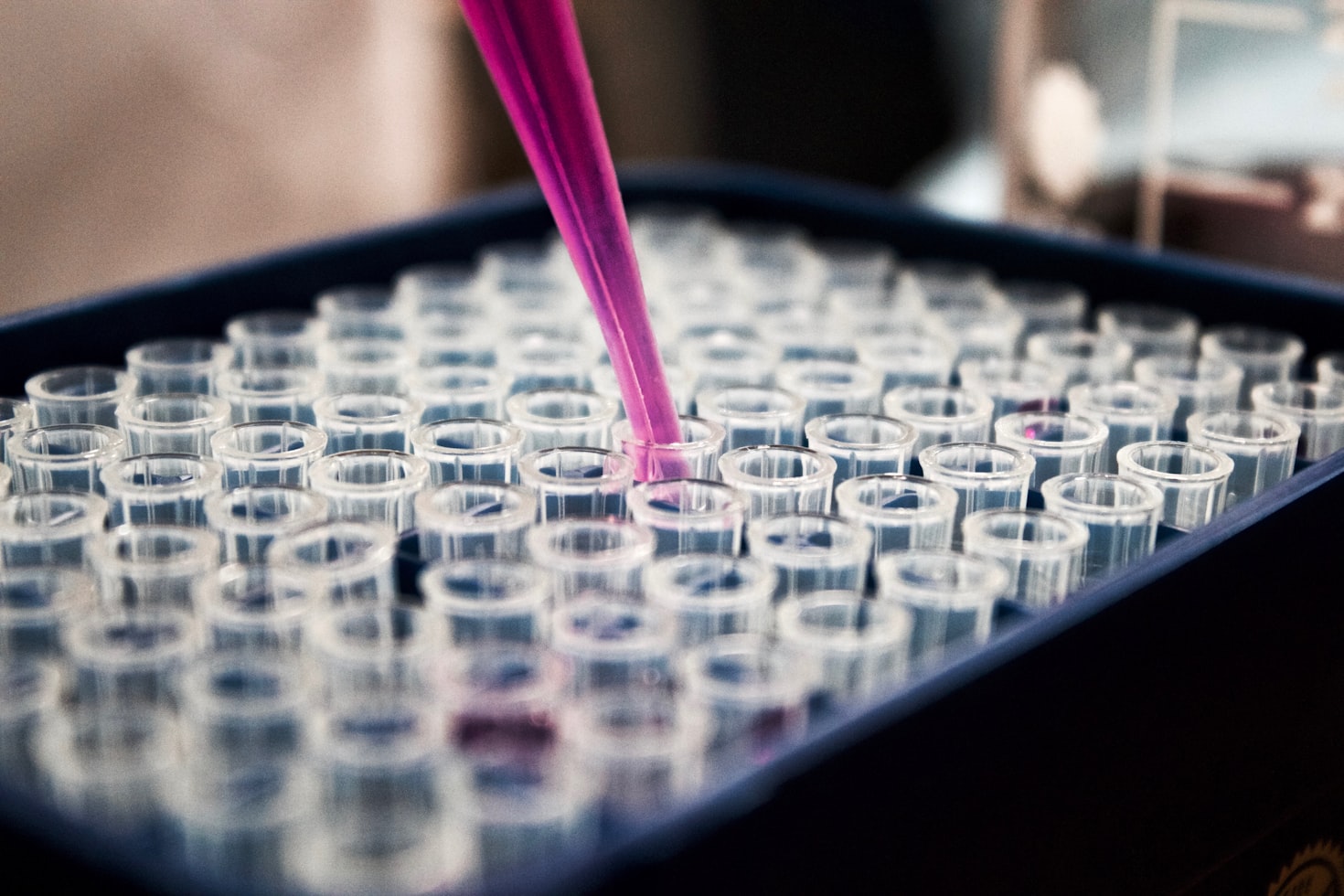
Research on biofilm disruption requires advanced microscopy techniques 3
Results: A Game-Changer
- Rutin showed 19–17 mm inhibition zones against all pathogens—outperforming other flavonoids.
- At 2× MIC, it reduced biofilm biomass by 92%—shattering the EPS matrix.
- CLSM images revealed near-total cell death (red-stained cells) in biofilms 3 .
- Crucially, rutin caused <5% hemolysis, proving biocompatibility.
| Pathogen | Zone of Inhibition (mm) | MIC (mM) | Biofilm Reduction |
|---|---|---|---|
| Candida albicans | 19 | 10 | 89% |
| Pseudomonas aeruginosa | 17 | 10 | 90% |
| Streptococcus mutans | 17 | 10 | 92% |
Rutin Effectiveness Comparison
Biofilm Reduction Rates
Biofilms Beyond the Mouth: Systemic Health Impacts
Oral biofilms are "remote controls" for distant diseases:
- Periodontitis-CVD Link: P. gingivalis invades blood vessels, triggering inflammation that destabilizes arterial plaques 1 .
- Diabetes Cross-Talk: Biofilm-induced cytokines increase insulin resistance 9 .
- Alzheimer's Connection: Amyloid proteins from oral bacteria seed brain plaques 1 .
| Biofilm Status | Microbial Shift | Systemic Risk |
|---|---|---|
| Healthy | Streptococcus sanguinis dominance | Low inflammation |
| Dysbiotic (Caries) | S. mutans overgrowth | Localized enamel destruction |
| Dysbiotic (Gum Disease) | P. gingivalis/Fusobacterium surge | ↑ Heart attack/stroke risk |
Systemic Effects of Oral Biofilms
The Scientist's Toolkit: Decoding Biofilm Research
| Reagent/Technique | Function | Example Use |
|---|---|---|
| Confocal Laser Scanning Microscopy (CLSM) | 3D biofilm imaging with live/dead staining | Visualizing rutin's killing efficacy 3 |
| SHI Medium | Mimics nutrient-rich oral environment | Growing multi-species biofilms ex vivo |
| qPCR with 16S rRNA Sequencing | Quantifies bacterial taxa abundance | Tracking dysbiosis in cranberry studies 9 |
| ohpBIOM Model | Human plasma-based biofilm simulator | Testing antiseptics on P. gingivalis 5 |
| Crystal Violet Assay | Stains biofilm biomass | Measuring rutin's disruption strength 3 |
CLSM Imaging
Advanced 3D visualization of biofilm structures and viability.
Genomic Analysis
16S rRNA sequencing reveals microbial community composition.
Biofilm Models
Simulated environments for controlled experimentation.
Future Frontiers: From Microbial Metropolises to Medicine
The battle against biofilms is evolving from "scorched-earth" antibiotics to ecological engineering:
- Enzyme Cocktails: Mutanase/glucanase degrade EPS backbone—though in vivo efficacy remains challenging 6 .
- Quorum Sensing Quenchers: Plant metabolites like MEcPP (from stressed plants) block fimbriae production, preventing bacterial attachment 7 .
- Personalized Probiotics: Streptococcus salivarius strains that secrete biofilm-disrupting RiPP peptides .
"The future isn't about killing all bacteria—it's about persuading them to be good neighbors."
As we decode the molecular diplomacy of oral ecosystems, we edge closer to vaccines against cavities and rinses that rebuild healthy microbiomes. The cities beneath your tongue, it turns out, hold blueprints for medical revolutions.