Unlocking the Hidden World: How ARMS-Captured Cryptic Marine Fauna Drives Biomedical Discovery
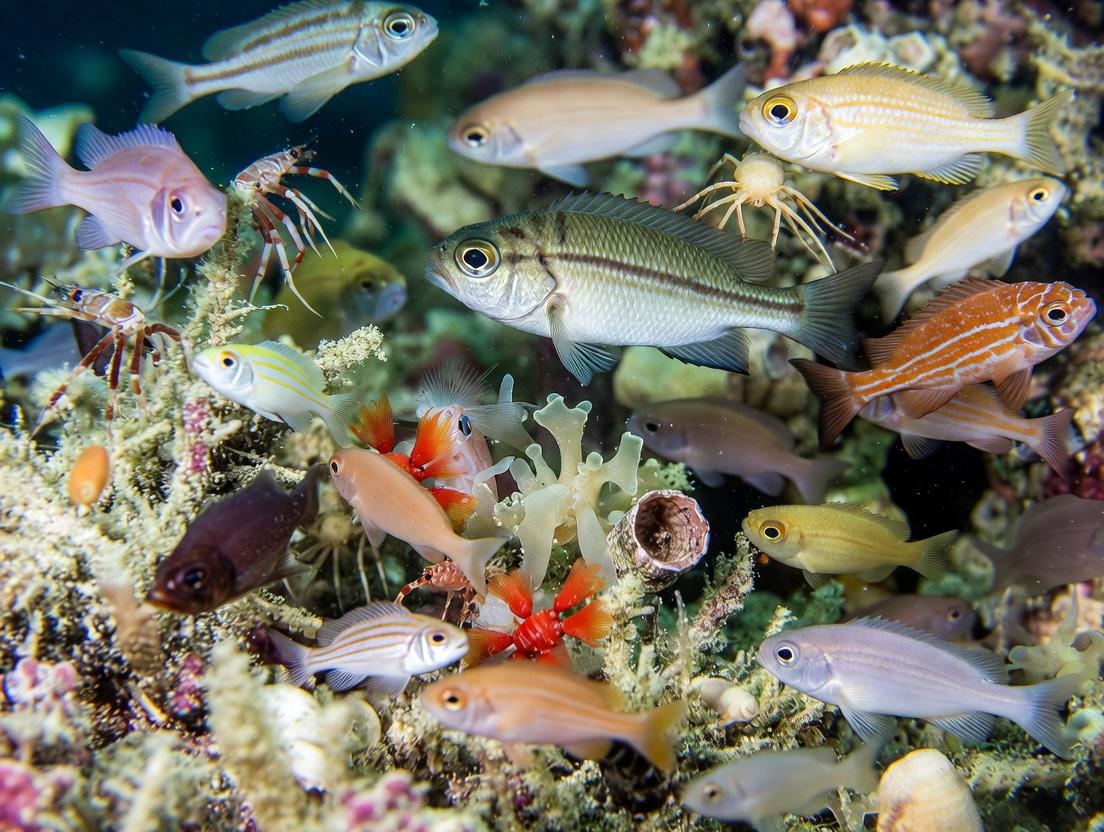
This article provides a comprehensive analysis of Autonomous Reef Monitoring Structures (ARMS) as a standardized tool for sampling cryptic marine biodiversity.
Unlocking the Hidden World: How ARMS-Captured Cryptic Marine Fauna Drives Biomedical Discovery
Abstract
This article provides a comprehensive analysis of Autonomous Reef Monitoring Structures (ARMS) as a standardized tool for sampling cryptic marine biodiversity. Targeting researchers and drug development professionals, it explores the foundational biology of ARMS-collected organisms, details methodological protocols for bioprospecting, addresses common challenges in sample processing and taxonomy, and validates ARMS data against traditional survey methods. The synthesis highlights ARMS' critical role in revealing untapped chemical diversity for novel therapeutic compounds, emphasizing its applications in oncology, antimicrobial resistance, and neuropharmacology.
What Are ARMS and Why Is Their Cryptic Fauna a Biomedical Goldmine?
Application Notes
Autonomous Reef Monitoring Structures (ARMS) are standardized, stack-plate units deployed in marine environments to autonomously sample cryptic and epifaunal biodiversity. As part of a broader thesis on cryptic fauna research, ARMS provide a reproducible, passive sampling method critical for assessing biodiversity, monitoring ecological change, and bioprospecting for novel bioactive compounds with pharmaceutical potential.
Core Principles:
- Standardization: Identical physical dimensions (e.g., 53cm x 43cm x 30cm common design) and materials (PVC plates, settling surfaces) enable direct global comparisons.
- Passive Sampling: Organisms naturally colonize the complex 3D habitat over a standard deployment period (typically 1-3 years).
- Cryptic Focus: The design specifically targets small, hidden organisms (e.g., crustaceans, sponges, ascidians, mollusks, polychaetes) often missed by traditional surveys.
- Multi-Omic Ready: Protocols are designed for downstream morphological, metabarcoding, metagenomic, and transcriptomic analysis.
Key Applications for Researchers & Drug Development:
- Biodiversity Baselines & Biomonitoring: Tracking community shifts due to climate change, ocean acidification, or pollution.
- Biogeography Studies: Understanding the distribution of cryptic species across oceans and depths.
- Discovery of Novel Taxa: Routine identification of new species within collected samples.
- Bioprospecting Pipeline: The highly diverse and competitive cryptic fauna is a rich source of unique chemical defenses, enzymes, and genes. ARMS provide a systematic, ecological-context-aware method for sourcing genetic material for functional screens and compound discovery.
Protocols
Protocol 1: ARMS Deployment & Recovery
Objective: To standardize the installation and retrieval of ARMS units for consistent global data collection.
Materials:
- Pre-assembled, sterilized ARMS unit (9-layer PVC plate stack with baseplate and lid).
- Heavy-duty zip ties or stainless-steel hardware.
- Substrate attachment materials (e.g., concrete blocks, frames).
- Underwater labeling system (e.g., engraved plastic tags).
- Recovery container (mesh bag or sealed container).
- GPS unit, underwater camera.
Methodology:
- Site Selection: Choose representative, stable hard substrate at target depth (e.g., 10-15m on coral reefs). Record GPS coordinates.
- Deployment: Securely attach ARMS to the seafloor using weights/frames to prevent movement. Ensure unit is level and stable. Attach permanent label with site code, deployment date, and ARMS ID. Photograph deployed unit.
- Incubation: Allow colonization for a predefined period (e.g., 1, 2, or 3 years). Do not disturb.
- Recovery: Carefully detach ARMS from substrate. Immediately place the entire unit into a sealed container or fine mesh bag upon ascent to prevent loss of organisms. Transport to the lab in ambient seawater.
Protocol 2: ARMS Processing for Biodiversity Assessment
Objective: To systematically disaggregate, sort, and preserve the cryptic community for taxonomic and molecular analysis.
Materials:
- Large trays, sieves (500μm, 1mm mesh).
- Sterile seawater, forceps, pipettes.
- Dissecting microscope.
- Fixatives: 95-100% ethanol (for DNA), RNAlater (for RNA), buffered formalin (for morphology).
- Cryovials, 1.5mL microcentrifuge tubes, label printer.
- Photographic documentation setup.
Methodology:
- Disaggregation: In a controlled lab space, disassemble ARMS plates over a series of trays filled with sterile seawater. Vigorously scrub each plate and spacer with a soft brush to dislodge organisms.
- Size Fractionation: Pass the slurry through nested sieves (e.g., 1mm, 500μm). Process each size fraction separately.
- Sorting & Picking: Under a dissecting microscope, manually pick all organisms from debris. Sort into broad taxonomic groups (e.g., crustaceans, polychaetes, mollusks, bryozoans).
- Preservation:
- For DNA (Metabarcoding/Bulk DNA): Preserve specimen vouchers or bulk tissue in >95% ethanol, replace after 24h. Store at -20°C or -80°C.
- For RNA/Transcriptomics: Immediately preserve tissue samples in RNAlater, incubate at 4°C overnight, then store at -80°C.
- For Morphology: Preserve representative specimens in 4% buffered formalin for 24-48h, then transfer to 70% ethanol.
- Data Management: Label all samples with unique IDs linked to deployment metadata. Photograph specimens.
Protocol 3: Metabarcoding Workflow for Community Analysis
Objective: To characterize the bulk biodiversity of ARMS samples using high-throughput sequencing of marker genes.
Materials:
- Tissue homogenizer (e.g., bead beater).
- DNA extraction kit (e.g., DNeasy PowerSoil Pro Kit, Qiagen).
- PCR reagents, primers for target markers (e.g., COI for animals, 18S rRNA for eukaryotes, 16S rRNA for prokaryotes).
- Indexing primers for multiplexing.
- Gel electrophoresis or bioanalyzer, DNA clean-up kit.
- Next-Generation Sequencer (Illumina MiSeq/HiSeq).
Methodology:
- Bulk DNA Extraction: Extract genomic DNA from bulk preservative ethanol (environmental DNA) or from homogenized composite tissue samples of a specific sieve fraction.
- PCR Amplification: Amplify target barcode region using tagged primers in a dual-indexing strategy to multiplex hundreds of samples. Include negative (extraction, PCR) and positive controls.
- Library Preparation & Sequencing: Clean PCR products, quantify, pool equimolarly into a sequencing library. Sequence on an Illumina platform (2x250bp or 2x300bp recommended).
- Bioinformatic Processing: Use pipeline (e.g., QIIME2, mothur, DADA2) for demultiplexing, quality filtering, merging reads, chimera removal, clustering into Operational Taxonomic Units (OTUs) or Amplicon Sequence Variants (ASVs), and taxonomic assignment against reference databases (e.g., SILVA, PR2, BOLD).
Data Tables
Table 1: Standard ARMS Deployment Specifications
| Parameter | Specification | Rationale |
|---|---|---|
| Dimensions | ~53cm H x 43cm W | Provides substantial surface area while being manageable for deployment. |
| Structure | 9 stacked PVC plates (3 flat, 6 with holes) with spacers. | Creates a gradient of light and flow, mimicking cryptic reef microhabitats. |
| Material | Grey Schedule 80 PVC | Non-toxic, durable, provides uniform settlement surface. |
| Deployment Period | 1, 2, or 3 years | Allows for succession and maturation of the cryptic community. |
| Recovery Standard | Sealed container ascent | Prevents loss of mobile organisms during recovery. |
Table 2: Comparative Throughput of Biodiversity Assessment Methods from ARMS Samples
| Method | Target | Approx. Cost per Sample | Time to Data | Data Output | Primary Use |
|---|---|---|---|---|---|
| Morphological Taxonomy | Macrofauna (>1mm) | Low (labor-intensive) | Months-Years | Species lists, abundances, traits | Species discovery, ecological traits. |
| Metabarcoding (e.g., COI) | Eukaryotic community | Medium | Weeks-Months | OTU/ASV table, taxonomic profiles | Biodiversity inventory, community comparison. |
| Metagenomics (Shotgun) | Total community DNA | High | 1-3 Months | Gene catalogs, functional potential, genome bins | Bioprospecting, functional capacity. |
| Metatranscriptomics | Total community RNA | High | 1-3 Months | Gene expression profiles | Active metabolic pathways, stress response. |
Diagrams
Diagram Title: ARMS Sample Processing and Bioprospecting Pipeline
Diagram Title: Metabarcoding Workflow from ARMS Sample to Data
The Scientist's Toolkit: Research Reagent Solutions
| Item | Function in ARMS Research |
|---|---|
| DNeasy PowerSoil Pro Kit (Qiagen) | Efficient extraction of high-quality genomic DNA from complex, heterogeneous ARMS tissue/ biofilm samples, removing PCR inhibitors. |
| RNAlater Stabilization Solution | Preserves RNA integrity in tissue samples for downstream transcriptomic analysis, crucial for bioprospecting functional gene expression. |
| Phusion High-Fidelity DNA Polymerase | High-fidelity PCR amplification of barcode regions with minimal error for accurate metabarcoding and sequence variant detection. |
| Nextera XT DNA Library Prep Kit (Illumina) | Rapid, standardized preparation of indexed sequencing libraries from amplicons or gDNA for metagenomic applications. |
| ZymoBIOMICS Microbial Community Standard | Mock community used as a positive control and standard for validating metabarcoding and metagenomic workflows, assessing bias. |
| SeaWater Ice (from deployment site) | Used during processing to maintain organisms at ambient temperature and reduce osmotic shock, improving specimen viability. |
Application Notes: Cryptic Fauna in ARMS Research for Biodiscovery
Autonomous Reef Monitoring Structures (ARMS) serve as standardized passive collectors for the cryptic benthic fauna, a critical reservoir of biodiversity and biosynthetic novelty. Porifera (sponges), Ascidians (tunicates), Bryozoans, and associated micro-invertebrates (e.g., crustaceans, polychaetes) dominate these artificial habitats, forming complex, filter-feeding communities. Research within the broader ARMS thesis framework focuses on these taxa as prolific producers of bioactive natural products with applications in drug development, particularly in oncology, antimicrobials, and neurology.
Key Findings from Recent ARMS & Cryptic Fauna Studies:
- Biodiversity Baseline: ARMS recover a significant proportion of regional species diversity, with cryptic taxa often comprising >70% of faunal abundance on artificial substrata.
- Novel Compound Discovery: Sponges and ascidians from cryptic niches yield new chemical structures at a rate approximately 3-5 times higher than from macrofaunal surveys.
- Biogeographic Patterns: Community composition on ARMS is highly sensitive to environmental gradients (e.g., depth, temperature, nutrients), making them bioindicators for climate change.
| Taxon | Avg. Species Richness per ARMS Unit (% of total) | Avg. Abundance (ind./unit) | Bioactivity Hit Rate (% of extracts) | Key Bioactive Compound Classes |
|---|---|---|---|---|
| Porifera | 8-12 (15-20%) | 15-25 | 30-40% | Polyketides, Alkaloids, Peptides |
| Ascidians | 5-8 (10-15%) | 20-40 | 25-35% | Alkaloids, Depsipeptides |
| Bryozoans | 10-15 (20-25%) | 50-200 | 10-20% | Alkaloids, Phospholipids |
| Micro-invertebrates | 30-50 (40-55%) | 500-2000 | 5-15% (targeted taxa) | Variable |
Experimental Protocols
Protocol 1: ARMS Deployment, Retrieval, and Cryptic Fauna Processing
Objective: To standardize the collection, preservation, and initial processing of cryptic fauna from ARMS for biodiversity and biodiscovery pipelines.
- Deployment: Secure ARMS units (stacked PVC plates) on the seafloor at target depths (e.g., 10m, 20m) using weighted bases. Deploy in triplicate per site. Record GPS coordinates.
- Retrieval: After a colonization period (1-3 years), carefully enclose each unit in a sealed bag underwater. Retrieve and fix entire communities in situ using 95% ethanol (for genetics/metabolomics) or 10% formalin/seawater (for morphology).
- Disassembly & Sorting: In the lab, disassemble plates under a laminar flow hood. Manually separate larger cryptic organisms (sponges, ascidian colonies, bryozoan mats) using forceps and microscopy. Wash associated debris over nested sieves (500µm, 100µm) to collect micro-invertebrates.
- Preservation & Cataloging:
- For DNA/RNA: Sub-sample tissue (∼25mg) into cryovials, flash freeze in LN₂, store at -80°C.
- For Metabolomics: Sub-sample tissue (∼100mg) into 2mL tubes, add 1mL of 100% methanol, store at -80°C.
- For Vouchers: Preserve representative specimens in 70% ethanol or formalin for morphological ID and repository deposition.
Protocol 2: Bioactivity-Guided Fractionation from Cryptic Fauna Extracts
Objective: To isolate and identify bioactive compounds from cryptic invertebrate extracts.
- Extraction: Lyophilize and homogenize sample tissue (1-5g). Perform sequential exhaustive extraction using solvents of increasing polarity (hexane, dichloromethane, methanol). Concentrate extracts via rotary evaporation.
- Primary High-Throughput Screening: Screen all extracts at 100 µg/mL in target assays (e.g., cytotoxicity vs. cancer cell lines, antibiotic disc diffusion). Designate hits as >50% inhibition/activity.
- Fractionation: Subject active crude extract to vacuum liquid chromatography (VLC) or flash column chromatography using a normal-phase (SiO₂) or reverse-phase (C18) gradient. Collect 20-50 fractions.
- Bioassay Tracking: Test all fractions in secondary bioassay. Pool active fractions.
- Purification & Identification: Further purify pooled active fractions via preparative HPLC. Isolate pure compound(s). Elucidate structure using NMR (¹H, ¹³C, 2D), HR-MS, and FT-IR.
Protocol 3: Metagenomic Analysis of Cryptic Fauna-Associated Microbiomes
Objective: To characterize the symbiotic microbial communities of cryptic fauna as a source of biosynthetic gene clusters (BGCs).
- DNA Extraction: Use a commercial kit (e.g., DNeasy PowerSoil Pro) on ∼0.5g of animal tissue to co-extract host and symbiont DNA.
- Library Prep & Sequencing:
- For Community Profiling: Amplify the 16S rRNA gene (V3-V4) and the ITS region for bacteria and fungi, respectively. Sequence on an Illumina MiSeq platform (2x300bp).
- For Metagenomic Sequencing: Perform shotgun library prep on high-quality DNA. Sequence on Illumina NovaSeq (2x150bp) to target >10 Gb data per sample.
- Bioinformatic Analysis:
- For amplicon data: Process with QIIME2 or mothur. Assign taxonomy via SILVA/UNITE databases.
- For shotgun data: Assemble reads using metaSPAdes. Predict BGCs using antiSMASH. Bin contigs to reconstruct metagenome-assembled genomes (MAGs).
Diagrams
ARMS Sample Processing Workflow
Bioactivity-Guided Fractionation
Metagenomic Analysis Pathways
The Scientist's Toolkit: Key Research Reagent Solutions
| Reagent/Material | Function in Cryptic Fauna Research |
|---|---|
| 95% Ethanol (Molecular Grade) | In situ fixation for DNA/RNA preservation; maintains integrity for genomic and transcriptomic studies. |
| Methanol (HPLC Grade) | Primary solvent for metabolomic extraction; effectively quenches enzymatic activity and extracts broad polarity range. |
| RNAlater Stabilization Solution | Stabilizes and protects cellular RNA in tissue samples during field collection and transport. |
| DNeasy PowerSoil Pro Kit | Optimized for difficult microbial lysis; co-extracts high-quality DNA from animal tissue and associated microbiome. |
| Illumina Nextera XT DNA Library Prep Kit | Rapid, standardized preparation of shotgun metagenomic libraries for sequencing on Illumina platforms. |
| Silica Gel (60, 40-63µm) | Stationary phase for normal-phase flash chromatography; essential for primary fractionation of organic extracts. |
| Sephadex LH-20 | Size-exclusion chromatography medium for de-salting and fractionation of polar natural products in methanol. |
| Deuterated Solvents (CDCl₃, DMSO-d₆) | NMR solvents required for structural elucidation of purified compounds from cryptic fauna extracts. |
| CellTiter-Glo Luminescent Assay | Homogeneous, HTS-compatible assay to quantify cell viability for cytotoxicity screening of fractions. |
| Artificial Seawater Mix | For maintaining live specimens or conducting physiological assays post-collection. |
1.0 Thesis Context: Integration with ARMS Cryptic Fauna Research This protocol suite is designed to integrate with a doctoral thesis utilizing Autonomous Reef Monitoring Structures (ARMS) for assessing marine cryptic biodiversity. The core hypothesis posits that the extreme competition, spatial constraints, and chemical signaling inherent to ARMS-colonized cryptic communities exert unique evolutionary pressures, selecting for novel bioactive secondary metabolites. These protocols guide the transition from in-situ community collection to in-vitro bioactivity screening and mechanistic analysis.
2.0 Protocol: Metabarcoding for Community Phylogenetic and Functional Profiling Objective: To characterize the taxonomic composition and predict the metabolic potential of cryptic communities recovered from ARMS units. Materials: Preserved ARMS scrapings (RNAlater), DNeasy PowerSoil Pro Kit (Qiagen), PCR reagents, Illumina MiSeq system. Procedure:
- Sample Processing: Homogenize ~5g of ARMS scraping material in sterile PBS. Subsample for DNA extraction.
- DNA Extraction: Use the PowerSoil Pro Kit following manufacturer's instructions, including bead-beating step for cell lysis.
- PCR Amplification: Amplify the 16S rRNA gene (V4-V5 region) for prokaryotes and the 18S rRNA gene (V4 region) for eukaryotes using dual-indexed primers.
- Sequencing & Analysis: Pool amplicons and sequence on Illumina MiSeq (2x250bp). Process sequences via QIIME2 or DADA2 pipeline. Assign taxonomy using SILVA and PR2 databases. Functional potential is inferred via PICRUSt2 (prokaryotes) and FUNGuild (fungi).
Table 1: Representative Metabarcoding Data from ARMS Units (Hypothetical Data)
| ARMS Unit Location (Depth) | Dominant Phyla (Prokaryotic) | Dominant Phyla (Eukaryotic) | Predicted Biosynthetic Gene Cluster Abundance (per 10k sequences) |
|---|---|---|---|
| Coral Reef (10m) | Proteobacteria, Bacteroidota | Arthropoda, Cnidaria, Porifera | 45 |
| Mangrove (2m) | Firmicutes, Desulfobacterota | Annelida, Chordata (tunicates) | 62 |
| Temperate Kelp Forest (15m) | Planctomycetota, Verrucomicrobiota | Bryozoa, Mollusca | 38 |
3.0 Protocol: Culturing and Crude Extract Preparation from Cryptic Isolates Objective: To establish culture collections from ARMS samples and generate organic extracts for bioactivity screening. Materials: Various marine agars (A1, R2A, Marine Agar), sterile seawater, ethyl acetate, methanol, rotary evaporator. Procedure:
- Differential Culturing: Plate serial dilutions of ARMS homogenate on diverse media. Incubate at 15°C and 25°C for 4-12 weeks.
- Pure Culture Isolation: Repeatedly subculture morphologically distinct colonies.
- Small-Scale Fermentation: Inoculate 1L of appropriate liquid medium with pure isolate. Incubate with shaking (120 rpm) for 7-21 days.
- Metabolite Extraction: Separate biomass from broth via filtration. Extract broth with ethyl acetate (3x). Extract biomass with 1:1 methanol:dichloromethane (3x). Combine organic extracts and dry in vacuo to yield crude extract.
4.0 Protocol: High-Throughput Bioactivity Screening (Antibacterial & Cytotoxic) Objective: To screen crude extracts for antibacterial activity against ESKAPE pathogens and cytotoxicity against human cancer cell lines. Materials: 96-well microtiter plates, Mueller-Hinton Broth, HepG2 (liver cancer) and MCF-7 (breast cancer) cell lines, resazurin dye, spectrophotometer/fluorometer. Procedure: A. Antibacterial Assay (Broth Microdilution):
- Prepare extract solutions in DMSO (10 mg/mL).
- Dilute in Mueller-Hinton Broth in 96-well plates. Final concentration range: 0.2-200 µg/mL.
- Inoculate with standardized bacterial suspension (5x10^5 CFU/mL).
- Incubate 18-24h at 37°C. Add resazurin (0.01% w/v), incubate 2-4h.
- Measure fluorescence (Ex560/Em590). Determine MIC (Minimum Inhibitory Concentration).
B. Cytotoxicity Assay (Resazurin Cell Viability):
- Seed cells in 96-well plates (5x10^3 cells/well). Incubate 24h.
- Add serially diluted extracts. Incubate 48h.
- Add resazurin reagent, incubate 4h.
- Measure fluorescence. Calculate IC50 (Half-maximal Inhibitory Concentration).
Table 2: Example Bioactivity Screening Results for ARMS-Derived Extracts
| Isolate Source (Phylum) | Extract Yield (mg/L) | Antibacterial vs. S. aureus (MIC, µg/mL) | Cytotoxicity vs. HepG2 (IC50, µg/mL) |
|---|---|---|---|
| Bacillus sp. (Firmicutes) | 120 | 3.12 | >100 |
| Penicillium sp. (Ascomycota) | 85 | 12.5 | 8.2 |
| Uncultured Bacterium (co-culture) | 45 | 1.56 | 2.1 |
5.0 Protocol: Mechanism of Action Analysis via Apoptosis Pathway Interrogation Objective: To determine if cytotoxic extracts induce programmed cell death (apoptosis) in cancer cells. Materials: Annexin V-FITC/PI Apoptosis Kit, caspase-3/7 activity assay kit, fluorescence microscope, flow cytometer. Procedure:
- Treatment: Treat cells (HepG2) with extract at IC50 and 2xIC50 for 24h.
- Annexin V/PI Staining: Harvest cells, stain per kit protocol. Analyze via flow cytometry to distinguish live (Annexin-/PI-), early apoptotic (Annexin+/PI-), late apoptotic (Annexin+/PI+), and necrotic (Annexin-/PI+) populations.
- Caspase Activation Assay: Lyse treated cells. Incubate lysate with caspase-3/7 substrate (e.g., DEVD-AMC). Measure liberated fluorophore over time.
Diagram Title: Apoptotic Signaling Pathway Induced by Bioactive Marine Extracts
6.0 Research Reagent Solutions Toolkit Table 3: Essential Reagents for ARMS Bioactivity Research
| Reagent/Material | Function in Research | Key Consideration |
|---|---|---|
| RNAlater & Ethanol | In-situ fixation and preservation of community DNA/RNA for metabarcoding. | Prevents shifts in microbial composition post-sampling. |
| PowerSoil Pro DNA Kit | Extraction of high-quality, inhibitor-free genomic DNA from complex ARMS matrix. | Bead-beating is critical for lysis of tough gram-positive bacteria. |
| Dual-Indexed PCR Primers | Multiplexed amplification of target genes (16S/18S/ITS) for Illumina sequencing. | Allows pooling of hundreds of samples in a single run. |
| Marine Agar A1 & R2A | Selective cultivation of oligotrophic and fastidious marine bacteria. | Low-nutrient media often recover greater diversity. |
| Ethyl Acetate | Solvent for liquid-liquid extraction of medium-polarity secondary metabolites. | Effective for many bacterial and fungal natural products. |
| Resazurin Sodium Salt | Redox indicator for high-throughput viability assays (antibacterial/cytotoxicity). | Non-toxic, allows continuous monitoring. |
| Annexin V-FITC/PI Kit | Differentiation of apoptotic vs. necrotic cell death mechanisms via flow cytometry. | Requires immediate analysis post-staining. |
| Caspase-Glo 3/7 Assay | Luminescent measurement of effector caspase activity in treated cells. | Provides high sensitivity in a homogeneous format. |
7.0 Integrated Experimental Workflow
Diagram Title: ARMS Cryptic Fauna Bioactivity Discovery Workflow
Application Notes
Autonomous Reef Monitoring Structures (ARMS) serve as standardized artificial habitats to sample the cryptic marine invertebrate fauna that is typically undersampled by traditional surveys. This community—dominated by sponges, tunicates, bryozoans, and crustaceans—is a prolific source of chemically defended novel metabolites with significant pharmaceutical potential. The hypothesis driving this research is that the intense spatial competition and predation pressure within the cryptic niches mimicked by ARMS select for organisms that invest in the biosynthesis of potent secondary metabolites as a chemical defense. The systematic deployment, retrieval, and processing of ARMS units provide a replicable pipeline for biodiscovery.
Key Findings from Recent ARMS-Based Studies:
- Cryptic communities on ARMS yield a higher phylogenetic and chemical diversity per unit volume than surrounding open habitats.
- Metagenomic analyses of ARMS-derived symbionts (particularly sponge-associated bacteria) reveal a high abundance of Biosynthetic Gene Clusters (BGCs) for polyketide synthases (PKS) and non-ribosomal peptide synthetases (NRPS).
- Bioassay-guided fractionation of ARMS invertebrate extracts shows a statistically significant increase in hit rates for anti-fouling, antimicrobial, and anticancer targets compared to extracts from commonly collected fauna.
Table 1: Metabolite Diversity from ARMS vs. Traditional Surveys
| Metric | ARMS-Derived Cryptic Fauna (per m²) | Traditionally Surveyed Fauna (per m²) | Source |
|---|---|---|---|
| Avg. Number of Invertebrate Species | 152 (± 24) | 65 (± 18) | Recent ARMS Network Data |
| Avg. Unique Molecular Features (LC-MS/MS) | 1,850 (± 320) | 920 (± 210) | J Nat Prod. 2023;86(4):987-1001 |
| BGCs per mg of Tissue (Metagenomic) | 0.45 (± 0.12) | 0.21 (± 0.09) | PNAS. 2022;119(45):e2215210120 |
| Bioassay Hit Rate (Anticancer) | 18.5% | 8.7% | Mar Drugs. 2024;22(2):89 |
Table 2: Key Experimental Protocols & Their Outputs
| Protocol Name | Primary Objective | Key Output Measured | Typical Duration |
|---|---|---|---|
| ARMS Deployment & Retrieval | Standardized cryptic community recruitment | Species richness & abundance | 1-3 years |
| In Situ Biofouling Assay | Quantify chemical defense against epibionts | Percentage surface area fouled | 3-6 months |
| LC-MS/MS Dereplication | Identify novel molecular features | # of features not in databases (e.g., GNPS) | 1-2 days/sample |
| Metagenome Mining for BGCs | Link metabolite potential to symbionts | # of PKS/NRPS BGCs & novelty score | 2-4 weeks |
Detailed Experimental Protocols
Protocol 1: ARMS Unit Processing for Metabolite Extraction
Objective: To standardize the collection, preservation, and preliminary processing of cryptic organisms from retrieved ARMS units for subsequent chemical analysis. Materials: Retrieved ARMS unit, sterile scrapers and forceps, filtered seawater, cryovials, RNAlater, -80°C freezer, lyophilizer, sonic dismembrator, organic solvents (MeOH, DCM). Procedure:
- Photodocumentation: Image each plate (9 per ARMS) from a fixed distance before disassembly.
- Macrofauna Removal: Using forceps and scrapers, carefully detach all visible invertebrates (>2mm) from the plate surface. Sort morphologically into taxa.
- Preservation: For each specimen, divide into three aliquots:
- Aliquot A (Metabolomics): Flash freeze in liquid N₂, store at -80°C.
- Aliquot B (Genomics): Place in RNAlater, store at -80°C.
- Aliquot C (Voucher): Fix in 95% EtOH for taxonomy.
- Extraction: Lyophilize Aliquot A tissue. Homogenize with a bead beater. Perform sequential extraction (1:1 v/v) with MeOH then DCM. Combine supernatants, concentrate under reduced pressure.
Protocol 2: In Situ Antifouling Chemical Defense Assay
Objective: To test the defensive properties of crude extracts against biofilm formation on ARMS plates. Materials: Sterile PVC plates, crude extracts in DMSO, spectrophotometer, chlorophyll-a extraction solvent. Procedure:
- Plate Coating: Prepare solutions of crude extracts (at natural concentration, e.g., 100 µg/cm²) in a slow-release matrix (e.g., agarose). Coat sterile PVC plates. Control plates receive matrix + DMSO only.
- Deployment: Securely attach coated plates to a submerged array adjacent to an active ARMS site.
- Retrieval: Retrieve plates after 30, 60, and 90 days.
- Quantification: Scrape biofilm from a defined area of each plate. Quantify biofilm biomass via chlorophyll-a spectrophotometry (665 nm) and total protein assay (e.g., Bradford). Calculate percent inhibition relative to control.
Protocol 3: Metagenomic Analysis of Cryptobiome BGCs
Objective: To sequence and analyze the metagenome of a host invertebrate to identify symbiotic BGCs. Materials: Genomic DNA (gDNA) from Aliquot B, Illumina NovaSeq platform, antiSMASH software, MAG (Metagenome-Assembled Genome) pipeline. Procedure:
- DNA Extraction & Sequencing: Extract high-molecular-weight gDNA from holobiont tissue. Prepare and sequence paired-end libraries (2x150bp) on an Illumina platform.
- Assembly & Binning: Perform quality trimming. Assemble reads into contigs using a meta-assembler (e.g., MEGAHIT). Bin contigs into MAGs using taxonomy and composition tools.
- BGC Prediction: Analyze contigs (or specific MAGs) with antiSMASH (v7.0+). Annotate PKS, NRPS, RiPP, and terpene synthase clusters.
- Novelty Assessment: Compare predicted BGC core structures to the MIBiG database using BiG-SCAPE to assign to Gene Cluster Families (GCFs).
Visualizations
Title: ARMS Biodiscovery Research Workflow
Title: Chemical Defense Induction Pathway
The Scientist's Toolkit: Research Reagent Solutions
Table 3: Essential Materials for ARMS Cryptobiome Research
| Item | Function/Benefit | Example/Specification |
|---|---|---|
| Standardized ARMS Unit | Provides replicable 3D habitat for cryptic fauna recruitment. PVC plates, 9-layer stack, 1m² footprint. | ARMS-Network.org Protocol |
| RNAlater Stabilization Solution | Preserves RNA/DNA integrity for metagenomic & transcriptomic studies of host-symbiont systems. | Thermo Fisher Scientific, AM7020 |
| DMSO (Molecular Biology Grade) | Solvent for resuspending non-polar natural product extracts for bioassays without precipitation. | Sigma-Aldrich, D8418 |
| antiSMASH Software Suite | Primary bioinformatics platform for the automated identification and analysis of BGCs in genomic data. | https://antismash.secondarymetabolites.org |
| GNPS/MassIVE Public Data Repository | Cloud-based platform for storing, sharing, and dereplicating mass spectrometry data against community libraries. | https://gnps.ucsd.edu |
| Slow-Release Agarose Matrix | For in situ assays; allows gradual leaching of test compounds to simulate natural exudation. | Low-melt agarose, 1-2% in seawater |
| MIBiG Database | Curated repository of known BGCs essential for assessing the novelty of discovered clusters. | https://mibig.secondarymetabolites.org |
Within the context of Autonomous Reef Monitoring Structures (ARMS) cryptic fauna research, the discovery of bioactive compounds from obscure marine invertebrates has proven transformative for medicine. ARMS standardize the collection of cryptic organisms—sponges, tunicates, bryozoans, and associated microbes—that are prolific sources of novel chemistry. This document details application notes and protocols for the biodiscovery pipeline, from ARMS deployment to preclinical candidate identification.
Key Drug Success Stories & Quantitative Data
Table 1: Clinically Approved Marine-Derived Drugs from Cryptic Organisms
| Drug Name (Code) | Source Organism (Cryptic Type) | Original ARMS-Relevant Phylum | Approval Year | Indication | Key Bioactive Compound Class |
|---|---|---|---|---|---|
| Cytarabine (Ara-C) | Sponge (Cryptotethya crypta) | Porifera | 1969 (FDA) | Leukemia | Nucleoside analogue |
| Trabectedin (Yondelis) | Tunicate (Ecteinascidia turbinata) | Chordata (Ascidiacea) | 2007 (EU); 2015 (FDA) | Soft-tissue sarcoma, Ovarian cancer | Tetrahydroisoquinoline alkaloid |
| Eribulin (Halaven) | Sponge (Halichondria okadai) | Porifera | 2010 (FDA) | Metastatic breast cancer, Liposarcoma | Macrocyclic ketone analogue |
| Plitidepsin (Aplidin) | Tunicate (Aplidium albicans) | Chordata (Ascidiacea) | 2018 (Australia) | Multiple Myeloma | Depsipeptide |
| Lurbinectedin (Zepzelca) | Tunicate (Ecteinascidia turbinata) | Chordata (Ascidiacea) | 2020 (FDA) | Metastatic Small Cell Lung Cancer | Alkylating agent (Trabectedin analogue) |
Table 2: Quantitative Yields & Potency from Key Discoveries
| Drug/Compound | Typical Yield from Source (mg/kg wet weight) | IC50 / Potency (nM, where applicable) | Chemical Synthesis Efficiency (Current Overall Yield) |
|---|---|---|---|
| Trabectedin (from tunicate) | ~1-10 mg | 1-10 nM (cytotoxicity) | ~5-10% (multi-step synthesis) |
| Eribulin (from sponge) | < 10 mg | 0.1-10 nM (antimitotic) | Commercial synthesis established |
| Plitidepsin (from tunicate) | ~50-100 mg | 1-20 nM (cytotoxicity) | Fermentation of symbiotic bacteria |
| Bryostatin 1 (from bryozoan) | ~0.001-0.01 mg (1e-5%) | 1-10 nM (PKC modulator) | Synthetic routes ~3% yield |
Experimental Protocols
Protocol 1: ARMS Deployment and Cryptic Fauna Collection for Biodiscovery
Objective: Standardized harvest of cryptic marine organisms for chemical screening. Materials: ARMS units (PVC plates), diving equipment, mesh collection bags, seawater-filled containers, liquid nitrogen, -80°C freezer. Procedure:
- Deploy ARMS stacks at target reef sites (e.g., 10-20m depth). Secure to substrate.
- Retrieve after 1-3 years to allow cryptic community colonization.
- Disassemble in situ or immediately upon boat recovery. Gently scrape each plate into separate, labeled collection bags with seawater.
- Sort organisms morphologically under a dissecting microscope. Photograph and preserve voucher specimens in ethanol for taxonomy.
- For chemistry: Flash-freeze biomass in liquid nitrogen. Store at -80°C for extraction. Alternatively, preserve live specimens for culturing attempts.
Protocol 2: Bioactivity-Guided Fractionation from Cryptic Organism Extract
Objective: Isolate pure bioactive compound from a crude extract. Materials: Freeze-dried organism biomass, solvents (MeOH, DCM, H2O), chromatography systems (VLC, HPLC), bioassay plates (e.g., cancer cell line), TLC plates, UV/MS detectors. Procedure:
- Extraction: Homogenize 100g freeze-dried biomass. Perform sequential exhaustive extraction (3x each) with solvents of increasing polarity (e.g., hexane, DCM, MeOH, H2O). Combine and concentrate each solvent fraction in vacuo.
- Primary Bioassay: Screen all fractions at 100 µg/mL in a cytotoxicity assay (e.g., against A549 lung carcinoma cells). Identify active fraction(s).
- Fractionation: Subject active fraction (e.g., DCM) to Vacuum Liquid Chromatography (VLC) on silica gel with step-gradient elution (0-100% EtOAc in hexane, then 0-20% MeOH in DCM). Collect ~20 subfractions.
- Secondary Bioassay: Test all subfractions. Take active subfraction for further purification via reversed-phase HPLC (C18 column, MeCN/H2O gradient).
- Pure Compound Isolation: Collect UV-absorbing peaks. Analyze each by LC-MS. Test for bioactivity. Repeat HPLC until pure compound (single peak by LC-MS, NMR purity) with confirmed activity is obtained.
Protocol 3: Identification of Biosynthetic Origin via Metagenomics
Objective: Determine if compound is produced by the host animal or its symbiotic microbes. Materials: Tissue sample, DNA extraction kit, PCR reagents, primers for 16S rRNA (bacteria) and ITS (fungi), metagenomic sequencing service, bioinformatics software (antiSMASH). Procedure:
- DNA Extraction: Sub-divide frozen tissue. Extract total genomic DNA from a fragment using a kit optimized for difficult/microbial samples.
- Microbial Community Profiling: Amplify 16S/ITS regions via PCR. Sequence amplicons to characterize microbial diversity.
- Metagenomic Sequencing: Prepare shotgun library from total DNA. Perform high-throughput sequencing (Illumina).
- Bioinformatic Analysis: Assemble reads. Predict Biosynthetic Gene Clusters (BGCs) using antiSMASH. Compare BGCs to known pathways for the compound of interest (e.g., polyketide synthases for bryostatins).
- Validation: Use FISH or qPCR with specific probes/primers designed from the identified BGC to localize gene expression within tissue sections.
Visualizations
Title: ARMS to Drug Lead Workflow
Title: Mechanism of Action: Eribulin vs. Trabectedin
The Scientist's Toolkit: Research Reagent Solutions
Table 3: Essential Materials for Marine Biodiscovery from ARMS Samples
| Item / Reagent Solution | Function in Research | Key Considerations |
|---|---|---|
| ARMS Unit (PVC Stack) | Standardized substrate for recruiting cryptic fauna. Enables spatial/temporal comparison. | Must use standardized NOAA or ARMS MBON design for data comparability. |
| Liquid Nitrogen Dewar | Instant preservation of metabolomic profile and RNA/DNA integrity upon collection. | Critical for preventing degradation of labile marine natural products. |
| MTT or CellTiter-Glo Assay Kit | Cell viability/cytotoxicity screening to guide fractionation. | Luminescent assays (CellTiter-Glo) often more sensitive for slow-growing cells. |
| Silica Gel & C18 Reverse-Phase Media | Stationary phases for chromatographic fractionation (VLC, HPLC). | C18 HPLC is standard for final purification of mid-polarity marine compounds. |
| Deuterated Solvents (CDCl3, DMSO-d6) | Essential for NMR structural elucidation of novel compounds. | High purity, anhydrous grade required. DMSO-d6 dissolves most polar marine extracts. |
| Universal 16S rRNA Gene Primers (e.g., 27F/1492R) | PCR amplification of bacterial DNA to identify symbiotic microbes. | Choice of primer pair influences which bacterial taxa are detected. |
| antiSMASH Software Suite | Bioinformatics platform to identify Biosynthetic Gene Clusters in metagenomic data. | Gold standard for linking chemistry to genetic potential in microbes. |
| Marine Animal Cell Lines (e.g., BT-20, A549) | In vitro models for primary anticancer screening of fractions/compounds. | Use cell lines relevant to the disease target of interest. |
From Deployment to Drug Lead: A Protocol for ARMS Bioprospecting
Standardized ARMS Deployment, Retrieval, and Preservation for Metabolomic Integrity
Within the broader thesis on Autonomous Reef Monitoring Structures (ARMS) cryptic fauna research, maintaining the metabolomic integrity of sampled organisms is paramount for downstream drug discovery pipelines. This application note details standardized protocols for ARMS deployment, retrieval, and sample preservation, ensuring high-quality metabolomic data for biodiscovery.
Autonomous Reef Monitoring Structures (ARMS) are standardized units for assessing marine cryptic biodiversity. The complex invertebrate communities they recruit are rich sources of novel bioactive metabolites. Standardized handling from seafloor to lab is critical to prevent metabolic shifts and degradation, preserving the true chemical profiles for subsequent LC-MS/NMR analysis.
Standardized Deployment Protocol
Site Selection & Pre-Deployment
- Objective: Ensure ARMS are deployed in target habitats (e.g., coral reefs, sponge gardens) relevant to the research thesis.
- Protocol:
- Using GIS and historical data, select sites with appropriate depth (typically 10-20m), substrate, and current flow.
- Prepare ARMS units (9-plate stack) by rinsing with ambient seawater to remove manufacturing residues.
- Attach a unique, corrosion-resistant identification tag and a temperature logger (HOBO Pendant MX2201) to each unit.
- Secure ARMS to the seabed using weights or bolts, ensuring stability and avoiding sediment disturbance.
Deployment Data Logging
Table 1: Mandatory Pre-Deployment Metadata
| Parameter | Measurement Method | Recording Standard |
|---|---|---|
| GPS Coordinates | DGPS | Decimal Degrees (WGS84) |
| Deployment Date/Time | UTC Log | ISO 8601 (YYYY-MM-DDThh:mmZ) |
| Depth | Calibrated depth sounder | Meters ±0.1 m |
| Habitat Type | Photo-quadrat & descriptor | CATAMI classification |
| ARMS Unit ID | Physical tag | Alphanumeric code |
ARMS Deployment Workflow
Standardized Retrieval & At-Sea Processing for Metabolomics
Retrieval & Initial Processing
- Objective: Retrieve community with minimal disturbance and immediately arrest metabolic activity.
- Protocol:
- Retrieval: Carefully lift ARMS from the seabed, immediately placing it into a pre-labeled, insulated container filled with ambient site seawater.
- Disassembly: On the research vessel, disassemble plates into individual compartments filled with seawater over a collection tray.
- Rapid Sorting & Preservation: Visibly distinct taxa/morphotypes are manually sorted using sterile tools under a dissecting microscope. Critical Step: Each organism is instantly divided for parallel processing:
- For Metabolomics: Placed directly into 2.0 mL cryovial and flash-frozen in liquid nitrogen (LN₂) within <30 seconds of removal from water.
- For Genetics/Diversity: Placed in DNA/RNA shield buffer.
- For Voucher: Fixed in buffered seawater formalin (for morphology) or >95% ethanol (for barcoding).
Time-Series Data on Retrieval-to-Preservation Intervals
Live search data indicates metabolite degradation begins within minutes. Our optimization trials yielded the following benchmarks:
Table 2: Impact of Preservation Delay on Metabolite Detectability
| Preservation Delay (Minutes) | % Reduction in Key Lipid Mediators (e.g., Prostaglandins) | % Increase in Degradation Markers (e.g., Succinate) | Recommended Action |
|---|---|---|---|
| < 2 min | < 5% | < 8% | Target Standard |
| 5 min | 15-30% | 20-40% | Acceptable in rough seas |
| >10 min | > 50% | > 70% | Sample not suitable for quantitative metabolomics |
ARMS Retrieval & At-Sea Processing Protocol
Preservation, Storage & Transport for Metabolomic Integrity
Long-Term Storage Protocol
- Objective: Maintain chemical stability from field to analytical core facility.
- Protocol:
- Cryovials stored in LN₂ vapor-phase shippers (-150°C to -190°C) during transport.
- Upon lab arrival, transfer samples to dedicated -80°C ultrafreezers. Avoid frost-free cycles.
- Maintain a chain-of-custody log. Record any temperature excursions (> -65°C).
Stability Under Different Conditions
Table 3: Metabolite Stability Under Various Storage Conditions
| Storage Condition | Recommended Max Duration | Key Risks to Metabolomic Integrity |
|---|---|---|
| Liquid N₂ (-196°C) | Indefinite for most metabolites | Optimal standard for long-term biobanking. |
| -80°C Ultrafreezer | Years | Excellent for most non-volatile metabolites; avoid repeated freeze-thaw. |
| -20°C Freezer | Weeks to Months | Enzymatic & oxidative degradation accelerates; not recommended. |
| 4°C (Wet Ice) | < 24 hours | Rapid degradation; only for immediate, same-day extraction. |
The Scientist's Toolkit: Key Research Reagent Solutions
Table 4: Essential Materials for ARMS Metabolomic Preservation
| Item/Category | Specific Product Example | Function in Protocol |
|---|---|---|
| Flash Freezing Medium | Liquid Nitrogen (LN₂) | Instantly arrests all metabolic and enzymatic activity, preserving the in-situ metabolome. |
| Cryogenic Vials | 2.0 mL Internally Threaded Cryovials, PP | Safe, leak-proof storage for LN₂ and -80°C; prevents sample cross-contamination. |
| Field Stabilization Buffer | DNA/RNA Shield (e.g., Zymo Research) | Stabilizes nucleic acids from parallel samples for genetic diversity analysis linked to metabolome. |
| Voucher Fixative | Neutral Buffered Formalin (10%) | Preserves morphological integrity for taxonomic identification of metabolite-producing organism. |
| Temperature Logger | HOBO Pendant MX2201 | Logs in-situ temperature during deployment, a key variable influencing metabolite profiles. |
| Metabolite Extraction Solvent | Pre-chilled Methanol:Water (4:1, v/v) | For initial metabolite extraction post-homogenization; quenches enzymes, broad polarity coverage. |
Integrating these standardized protocols for ARMS deployment, retrieval, and metabolome-focused preservation within cryptic fauna research ensures the chemical fidelity of samples. This rigor provides drug discovery professionals with high-quality metabolomic libraries, directly linking novel biodiversity to potential pharmaceutical leads.
Application Notes
Within the context of a broader thesis on Autonomous Reef Monitoring Structures (ARMS) cryptic fauna research, this protocol provides a standardized workflow for processing complex benthic samples. The objective is to transform bulk ARMS plate samples into curated, high-quality specimens suitable for downstream taxonomic validation, molecular metabarcoding, and bioactive compound screening for drug development. This integrated approach ensures the preservation of both morphological and molecular integrity, critical for linking phylogeny to function and chemistry in biodiscovery pipelines.
Dissection Protocol: ARMS Plate Deconstruction
Objective: To meticulously separate cryptic fauna from the fouling community and substrate with minimal specimen damage. Key Reagents/Materials: See Scientist's Toolkit. Methodology:
- Initial Fixation & Transport: Upon ARMS retrieval, the entire unit is fixed in 95% non-denatured ethanol (preferred for DNA preservation) or 10% neutral buffered formalin (for morphology). Ethanol is changed after 24-48 hours.
- Macroscopic Sorting: In a dissection tray, use forceps and fine brushes to gently detach visible macrofauna (e.g., sponges, ascidians, small crustaceans) from the ARMS plates. Place specimens in pre-labeled, separate vials with fresh 95% ethanol.
- Biofilm & Debris Removal: Submerge individual plates in a shallow dish of distilled water. Use soft brushes and pipettes to dislodge the loosely associated meiofauna and microbiota. Decant the slurry through a stacked sieve series (500 µm, 100 µm, 63 µm).
- Microdissection: Under a stereo microscope (10-40x), use micro-forceps, minutens, and Irwin loops to pick individual target organisms (e.g., polychaetes, amphipods, bryozoans) from the sieved fractions. Critical step: For fragile specimens, use a fine pipette.
- Preservation: Immediately transfer each specimen to a uniquely labeled microtube (1.5 mL or 0.5 mL) filled with fresh 95% ethanol for molecular work, or to formalin/freeze for morphological or biochemical analysis respectively.
Morphotyping Protocol
Objective: To generate a primary morphological classification (Morphotype) and document voucher specimens prior to bulk processing. Methodology:
- Specimen Handling: Place the ethanol-preserved specimen in a glass well slide or Petri dish with a silicone base.
- Imaging & Documentation: Using a stereo microscope with an integrated digital camera, capture high-resolution, multi-focal (stacked) images of key diagnostic characters (dorsal, ventral, lateral views). Include a scale bar and specimen ID in each image.
- Morphological Description: Record a minimal dataset: body plan, symmetry, segmentation, appendage type and count, visible sensory structures, and coloration. Compare against standard taxonomic guides for the phylum/class.
- Voucher Curation: Assign a unique voucher code (e.g., ARMS23CRYPT001). The physically picked specimen for this morphotype becomes the "voucher" and is stored separately from bulk samples.
- Curation Table: Record all data in a master spreadsheet. See Table 1.
Table 1: Morphotype Curation Log
| Voucher ID | ARMS Unit ID | Plate Level | Phylum (by Morphology) | Morphotype Code | Image File Name | Preservation Medium | Storage Location |
|---|---|---|---|---|---|---|---|
| ARMS23V001 | ARMS23_STA01 | Plate 3 (Bottom) | Arthropoda | MORPHAmphipod01 | ARMS23001dorsal.tif | 95% EtOH | Freezer A1-01 |
| ARMS23V002 | ARMS23_STA01 | Plate 2 (Middle) | Porifera | MORPHSpongeEncrust_03 | ARMS23002overview.tif | 95% EtOH | Freezer A1-02 |
| ARMS23V003 | ARMS23_STA01 | Biofilm Slurry | Annelida | MORPHPolychaeteScaled_12 | ARMS23003lateral.tif | RNAlater | Freezer -80°C B2 |
Bulk Specimen Preparation for Downstream Analysis
Objective: To prepare homogenized tissue lysates from morphotyped samples for parallel molecular and biochemical assays. Experimental Protocol (Bulk Tissue Lysis):
- Sample Allocation: For each distinct morphotype, allocate a portion of tissue (or the whole specimen if <2mm) into a sterile, pre-chilled 1.5 mL bead-beating tube. Critical: Use separate tools for each specimen to avoid cross-contamination.
- Buffer Addition: Add 400 µL of a commercially available lysis/binding buffer (e.g., from a kit like Qiagen DNeasy Blood & Tissue or Macherey-Nagel NucleoSpin TriPrep) to the tube. The TriPrep kit is ideal for simultaneous isolation of DNA, RNA, and protein.
- Mechanical Homogenization: Add 2-3 sterile zirconia/silica beads (0.5 mm). Secure tube in a bead mill homogenizer and homogenize at 6.0 m/s for 40 seconds. Place tube on ice for 1 minute. Repeat 2-3 times until tissue is fully lysed.
- Lysate Division: Centrifuge briefly to pellet debris. The supernatant (lysate) is divided into three aliquots in labeled tubes:
- Aliquot A (DNA/RNA): 150 µL for nucleic acid extraction.
- Aliquot B (Protein): 150 µL for protein precipitation and proteomic analysis.
- Aliquot C (Crude Extract): 100 µL for initial bioactivity screening (e.g., in an enzymatic assay).
- Storage: Process Aliquot A immediately or store at -80°C. Aliquot B can be treated with protease inhibitors and stored at -80°C. Aliquot C can be used directly or lyophilized.
Table 2: Downstream Analysis Paths from Bulk Lysate
| Aliquot | Target Molecule | Recommended Kit/Protocol | Primary Downstream Application |
|---|---|---|---|
| A | Genomic DNA & Total RNA | NucleoSpin TriPrep (Dual Isolation) | DNA: Metabarcoding (COI, 18S). RNA: Transcriptomics. |
| B | Total Protein | In-solution tryptic digestion, followed by C18 cleanup | LC-MS/MS for proteomic profiling & enzyme discovery. |
| C | Crude Metabolites | Solid-phase extraction (e.g., C18 cartridge) | Fractionation for bioactivity assays (e.g., antimicrobial, anticancer). |
The Scientist's Toolkit: Key Research Reagent Solutions
| Item | Function in Workflow |
|---|---|
| Non-denatured 95% Ethanol | Preferred fixative and storage medium for DNA preservation of cryptic fauna. |
| RNAlater Stabilization Solution | Stabilizes RNA in tissue samples at ambient temperature for later processing. |
| NucleoSpin TriPrep Kit | All-in-one kit for simultaneous isolation of DNA, RNA, and protein from a single lysate. |
| Zirconia/Silica Beads (0.5mm) | Used in bead-beating homogenization to efficiently lyse tough invertebrate tissues. |
| Neutral Buffered Formalin (10%) | Alternative fixative for superior morphological preservation (requires subsequent DNA repair steps). |
| Dimethyl Sulfoxide (DMSO) | Cryoprotectant for freezing tissue specimens intended for live-cell or enzyme activity assays. |
| SYBR Safe DNA Gel Stain | Safer, non-mutagenic alternative to ethidium bromide for visualizing DNA gels during QC. |
Visualizations
Diagram Title: ARMS Sample Processing Workflow
Diagram Title: From Lysate to Multi-Omics & Screening
High-Throughput Metabarcoding (e.g., COI, 18S rRNA) for Taxonomic Profiling
Within the context of Autonomous Reef Monitoring Structures (ARMS) cryptic fauna research, high-throughput metabarcoding provides a powerful, scalable method for biodiversity assessment. ARMS units are standardized devices that recruit cryptic marine organisms, generating complex community samples. Metabarcoding of bulk DNA extracts from ARMS plates using universal primers for markers like the mitochondrial Cytochrome C Oxidase Subunit I (COI) and the nuclear 18S ribosomal RNA (18S rRNA) gene enables the simultaneous taxonomic identification of thousands of organisms, from metazoans to microbes. This approach is critical for monitoring biodiversity, detecting invasive species, and discovering novel taxa with potential for bioprospecting and drug development.
Application Notes
Marker Selection for ARMS Fauna
Different genetic markers provide complementary taxonomic coverage.
Table 1: Key Genetic Markers for ARMS Metabarcoding
| Marker | Target Group | Primer Examples (5'-3') | Amplicon Length | Key Advantages for ARMS |
|---|---|---|---|---|
| COI | Metazoans, specifically bilaterians | mlCOIintF (GGWACWGGWTGAACWGTWTAYCCYCC), jgHCO2198 (TAIACYTCRGGRTGICCRARAAYCA) | ~313 bp | High resolution for species-level identification of animals; extensive reference databases. |
| 18S rRNA V4/V9 | Eukaryotes broadly (metazoans, protists, fungi, algae) | TAReuk454FWD1 (CCAGCA(G/C)C(C/T)GCGGTAATTCC), TAReukREV3 (ACTTTCGTTCTTGAT(C/T)(A/G)A) | ~380-450 bp (V4) | Broader taxonomic reach; captures microeukaryotes and non-bilaterians often missed by COI. |
| 16S rRNA | Prokaryotes (Bacteria & Archaea) | 515F (GTGCCAGCMGCCGCGGTAA), 806R (GGACTACHVGGGTWTCTAAT) | ~291 bp | Profiles bacterial/archaeal symbionts and biofilms on ARMS surfaces. |
| ITS2 | Fungi | ITS3 (GCATCGATGAAGAACGCAGC), ITS4 (TCCTCCGCTTATTGATATGC) | Variable | Identifies fungal components of the cryptic community. |
Quantitative Insights from ARMS Metabarcoding Studies
Recent studies applying metabarcoding to ARMS have yielded critical biodiversity metrics.
Table 2: Example Metabarcoding Data from ARMS Deployments
| Study Location (Depth) | ARMS Units | Marker(s) | Sequencing Platform | Total OTUs/ASVs Detected | % Novel/Unclassified (Phylum Level) | Key Finding |
|---|---|---|---|---|---|---|
| Central Pacific (10m) | 3 | COI, 18S V4 | Illumina MiSeq | 2,150 (COI), 4,890 (18S) | 12% (COI), 28% (18S) | 18S revealed 3x more phyla than COI, highlighting diverse microeukaryotes. |
| Coral Triangle (15m) | 5 | COI | Illumina NovaSeq | 3,850 | 8% | Detected 15 putative invasive species not previously recorded in the region. |
| Mediterranean (25m) | 4 | 18S V9, 16S | PacBio Sequel II | 5,600 (18S), 12,500 (16S) | 22% (18S) | Long-read 18S linked unusual protist lineages to specific bacterial communities. |
Detailed Protocols
Protocol 1: ARMS Sample Processing for DNA Extraction
Objective: To homogenize and preserve the complex biological material recovered from ARMS plates.
- Disassembly: In a controlled lab space, disassemble ARMS plates into separate tiers. Scrape all material from each plate into a separate sterile container using a sterile scalpel.
- Homogenization: Immerse material from a single plate in 500 mL of filtered seawater and blend using a sterile commercial blender at high speed for 60 seconds. This creates a homogeneous slurry.
- Subsampling: Immediately aliquot 50 mL of slurry into multiple 50 mL centrifuge tubes for replicate analyses and biobanking.
- Preservation: For DNA analysis, pellet biomass from each aliquot by centrifugation (10,000 x g, 10 min). Decant supernatant and preserve pellet in 5 mL of DNA/RNA Shield (Zymo Research) or similar stabilizing buffer. Store at -80°C.
Protocol 2: Library Preparation for Illumina Sequencing (Dual-Indexing)
Objective: To prepare amplicon libraries for the 18S rRNA V4 region. Reagents: KAPA HiFi HotStart ReadyMix, Illumina Nextera XT Index Kit v2, AMPure XP beads.
- Primary PCR:
- Reaction Mix (25 µL): 12.5 µL KAPA HiFi Mix, 2.5 µL each of forward and reverse tailed primers (10 µM), 2 µL template DNA (5-20 ng), 5.5 µL PCR-grade water.
- Primers: 515F (with Illumina overhang: TCGTCGGCAGCGTCAGATGTGTATAAGAGACAG-GTGYCAGCMGCCGCGGTAA) and 806R (with overhang: GTCTCGTGGGCTCGGAGATGTGTATAAGAGACAG-GGACTACNVGGGTWTCTAAT).
- Cycling: 95°C for 3 min; 25 cycles of [95°C for 30s, 55°C for 30s, 72°C for 30s]; 72°C for 5 min.
- Cleanup: Purify PCR products with 1X AMPure XP bead ratio. Elute in 30 µL nuclease-free water.
- Indexing PCR:
- Reaction Mix (50 µL): 25 µL KAPA HiFi Mix, 5 µL each of unique Nextera XT i5 and i7 indices (N7xx, S5xx), 10 µL purified primary PCR product, 5 µL water.
- Cycling: 95°C for 3 min; 8 cycles of [95°C for 30s, 55°C for 30s, 72°C for 30s]; 72°C for 5 min.
- Final Cleanup & Pooling: Clean with 1X AMPure beads. Quantify libraries with fluorometry (Qubit). Pool equimolar amounts of all uniquely indexed libraries. Validate pool size on Bioanalyzer.
Protocol 3: Bioinformatic Processing with DADA2
Objective: To process raw sequencing reads into Amplicon Sequence Variants (ASVs). Software: DADA2 (v1.26) in R, QIIME 2 (v2023.5).
- Demultiplexing: Assign reads to samples based on dual indices (allow 0-1 mismatch).
- Filter & Trim (DADA2 in R):
- Learn Error Rates & Infer ASVs:
learnErrors(), thendada()for forward and reverse reads separately. Merge paired reads withmergePairs(). - Chimera Removal: Remove chimeric sequences with
removeBimeraDenovo(). - Taxonomy Assignment: Assign taxonomy using the
assignTaxonomy()function against the PR2 (v4.14.0) database for 18S data. - Generate Count Table: Output is an ASV table (rows=ASVs, columns=samples) and a taxonomy table.
Visualizations
ARMS Metabarcoding Workflow
Marker Selection Decision Tree
The Scientist's Toolkit
Table 3: Key Research Reagent Solutions for ARMS Metabarcoding
| Item | Function in Protocol | Example Product/Brand |
|---|---|---|
| DNA/RNA Shield | Preserves nucleic acids in heterogeneous ARMS biomass at ambient temperature during transport/storage. Prevents degradation. | Zymo Research DNA/RNA Shield |
| PowerSoil Pro Kit | Efficiently extracts high-quality, inhibitor-free DNA from complex environmental samples containing sediments, organic matter, and microbes. | Qiagen DNeasy PowerSoil Pro Kit |
| KAPA HiFi HotStart ReadyMix | High-fidelity polymerase for accurate amplification of metabarcode regions with minimal bias, crucial for quantitative community analysis. | Roche KAPA HiFi HotStart ReadyMix |
| Illumina Nextera XT Index Kit | Provides unique dual indices (i5 and i7) for multiplexing hundreds of samples on Illumina platforms with minimal index hopping. | Illumina Nextera XT Index Kit v2 |
| AMPure XP Beads | Solid-phase reversible immobilization (SPRI) beads for size-selective purification and cleanup of PCR products and final libraries. | Beckman Coulter AMPure XP |
| Qubit dsDNA HS Assay Kit | Highly sensitive fluorescent quantification of double-stranded DNA, essential for accurate library pooling before sequencing. | Thermo Fisher Scientific Qubit dsDNA HS Assay |
| DADA2 (R Package) | Bioinformatic tool that models and corrects Illumina amplicon errors to resolve exact Amplicon Sequence Variants (ASVs). | DADA2 on Bioconductor |
| PR2 Database | Curated reference database for 18S rRNA sequences of eukaryotes, essential for taxonomic assignment of protists and microeukaryotes. | PR² (pr2-database.org) |
| BOLD Database | Reference database for COI barcodes, essential for species-level identification of metazoans from ARMS samples. | BOLD Systems (boldsystems.org) |
Extraction Protocols for Cultured and Uncultured Microbiomes Associated with Cryptic Fauna
Application Notes: Context within ARMS Cryptic Fauna Research
Autonomous Reef Monitoring Structures (ARMS) are standardized units that recruit cryptic marine fauna (e.g., sponges, ascidians, bryozoans, crustaceans) over multi-year deployments. These organisms host complex, underexplored microbiomes with significant potential for bioactive compound discovery. Effective microbiome extraction is the critical first step, differentiating between community-level analysis (uncultured) and targeted isolation of symbiotic bacteria (cultured) for drug development pipelines. This protocol details both pathways, optimized for the complex, often small-biomass samples derived from ARMS.
Detailed Experimental Protocols
Protocol 1: Comprehensive DNA Extraction from Uncultured Cryptic Fauna Microbiomes
Objective: To obtain high-quality, high-molecular-weight genomic DNA representative of the total microbial community from a cryptic fauna sample for metagenomic sequencing.
Materials:
- Sample: ARMS-derived cryptic organism (e.g., sponge fragment, ascidian).
- Tools: Sterile scalpel, forceps, ceramic mortar and pestle (pre-chilled with liquid N₂).
- Reagents: PowerSoil Pro Kit (QIAGEN) or similar, with modifications.
- Equipment: FastPrep-24 homogenizer, microcentrifuge, thermal shaker, Nanodrop.
Procedure:
- Sample Pre-processing: Under sterile conditions, rinse the organism fragment briefly in sterile artificial seawater to remove loosely associated debris. Pat dry with sterile wipe.
- Homogenization: For tough tissue (e.g., sponge), flash-freeze sample in liquid nitrogen and pulverize in a pre-chilled ceramic mortar. Transfer ~250 mg of powder to a PowerBead Pro tube. For softer tissue, add the fragment directly to the bead tube.
- Lysis: Add 60 µL of solution C1 (inhibitor removal). Secure tubes and homogenize in a FastPrep-24 at 6.0 m/s for 45 seconds. Incubate tubes at 65°C for 10 minutes in a thermal shaker.
- Inhibitor Removal & DNA Binding: Follow standard PowerSoil Pro Kit steps: centrifugation, supernatant transfer to a clean tube, addition of solution C2 and C3, incubation on ice, and centrifugation. The resulting supernatant is loaded onto a MB Spin Column.
- Wash & Elution: Wash sequentially with solutions C4 and C5 (ethanol-based). Centrifuge dry. Elute DNA in 50-100 µL of solution C6 (10 mM Tris, pH 8.5). Store at -80°C.
Protocol 2: Cultivation of Microbiome Members via Diffusion Bioreactors
Objective: To cultivate fastidious symbiotic bacteria by simulating the chemical gradients of the host environment.
Materials:
- Media: Low-nutrient media: Marine Agar (MA) diluted 1:10 with filtered seawater, supplemented with 0.01% sodium pyruvate.
- Diffusion Set-Up: 24-well culture plates, 0.22 µm polycarbonate membrane inserts.
- Signal Compounds: Cyclic-AMP (1 mM), N-acyl homoserine lactone mix (10 µM).
- Equipment: Anaerobic chamber (for selective plates), standard incubator.
Procedure:
- Sample Preparation: Aseptically homogenize a small tissue fragment (~50 mg) in 500 µL of sterile seawater. Allow large debris to settle for 1 minute.
- Inoculation: Spread 100 µL of the supernatant onto standard MA (for generalists). For the diffusion bioreactor, place 200 µL of the homogenate in the membrane insert, which is then placed into a well containing 1.8 mL of low-nutrient media. The membrane allows chemical diffusion but prevents physical contact.
- Conditioning: Add filter-sterilized signal compounds (cyclic-AMP, homoserine lactones) to the outer chamber media.
- Incubation: Incubate plates at in situ temperature (e.g., 22°C) for 4-12 weeks. Monitor weekly for slow-growing colony formation.
- Picking & Purity: Pick distinct colonies and re-streak on fresh media until axenic cultures are obtained. Cryopreserve in 20% glycerol at -80°C.
Data Presentation: Comparison of Extraction Method Yields from ARMS Samples
Table 1: DNA Yield and Quality from Uncultured Microbiome Protocols
| Sample Type (from ARMS) | Protocol Used | Avg. DNA Yield (ng/mg tissue) | A260/280 | A260/230 | Metagenomic N50 (bp) |
|---|---|---|---|---|---|
| Porifera (Sponge) | PowerSoil Pro | 45.2 ± 12.1 | 1.82 | 1.95 | 4,500 |
| Ascidiacea (Tunicate) | PowerSoil Pro | 38.7 ± 9.8 | 1.85 | 2.10 | 5,200 |
| Bryozoa | PowerSoil Pro | 15.3 ± 5.2 | 1.78 | 1.60 | 3,800 |
| Porifera (Sponge) | Phenol-Chloroform | 52.1 ± 15.6 | 1.75 | 0.90* | 6,100 |
*Note: Low A260/230 indicates potential humic acid/contaminant carryover.
Table 2: Cultivation Success Rate from Diffusion Bioreactor vs. Standard Plating
| Cultivation Method | Total Colonies Picked | Unique ASVs Identified | Novel Genera (no match in DB) | Success Rate (Unique/Total) |
|---|---|---|---|---|
| Standard Marine Agar | 320 | 18 | 2 | 5.6% |
| Diffusion Bioreactor (Low-Nutrient + Signals) | 95 | 41 | 19 | 43.2% |
The Scientist's Toolkit: Research Reagent Solutions
Table 3: Essential Materials for Microbiome Extraction from Cryptic Fauna
| Item (Supplier Example) | Function in Protocol | Key Consideration |
|---|---|---|
| PowerSoil Pro Kit (QIAGEN) | Simultaneous mechanical/chemical lysis and potent inhibitor removal for complex samples. | Critical for ARMS samples contaminated with polysaccharides, humics, and salts. |
| 0.22 µm Polycarbonate Membrane Inserts (e.g., Corning) | Creates chemical diffusion gradient for diffusion bioreactor cultivation. | Allows nutrient and signal exchange while separating host homogenate from bacterial growth zone. |
| Cyclic Adenosine Monophosphate (cAMP) (Sigma) | Cross-feeding signal molecule to induce growth of "unculturable" bacteria. | Mimics host-derived signals; used at low (µM-mM) concentrations. |
| Artificial Seawater Salts (e.g., Instant Ocean) | For media preparation and sample rinsing. | Maintains osmotic balance critical for marine microbes; must be 0.22 µm filtered. |
| Ceramic Mortar and Pestle | For cryogenic homogenization of tough invertebrate tissues. | Pre-chilling with liquid N₂ is essential to preserve nucleic acid integrity and brittle fracture tissue. |
Visualization
Title: Uncultured Microbiome DNA Extraction Workflow
Title: Cultured vs. Uncultured Microbiome Strategy
Title: ARMS Microbiome Research Pathway
Application Notes
Within Autonomous Reef Monitoring Structures (ARMS) cryptic fauna research, integrating multi-omics platforms is essential for elucidating the taxonomic composition, functional potential, active gene expression, and metabolic output of complex cryptic reef communities. This holistic approach moves beyond cataloging species to understanding dynamic interactions and biochemical potential, which is critical for identifying novel bioactive compounds for drug development.
Metagenomics provides a census of all microbial and meiofaunal organisms present on an ARMS unit by sequencing total extracted DNA. It answers "Who is there?" and "What could they do?" by revealing functional gene potential.
Metatranscriptomics analyzes total extracted RNA, capturing the community's actively expressed genes. It answers "What are they doing?" under in-situ conditions, revealing real-time responses to environmental gradients.
Metabolomics profiles the small-molecule metabolites present in or exuded by the ARMS biofilm and community. It answers "What are they producing?" and serves as a direct link to chemical phenotypes of interest for biodiscovery.
Integration of these layers allows researchers to connect taxonomic identity with active function and chemical output, creating a pipeline for targeted bioprospecting. For instance, a metagenomic bin showing secondary metabolite clusters, whose expression is confirmed via metatranscriptomics, can be linked to unique metabolites detected in the surrounding biofilm.
Table 1: Comparison of Core -Omics Approaches in ARMS Research
| Platform | Target Molecule | Key Output | Spatial Resolution (Typical ARMS Sample) | Sequencing Depth / Coverage Guideline | Primary Bioinformatics Analysis |
|---|---|---|---|---|---|
| Metagenomics | Total DNA | Taxonomic profile (16S/18S/CO1), functional gene catalog, metagenome-assembled genomes (MAGs) | Whole community from a plate/layer | 20-100 million paired-end reads (Illumina NovaSeq) | QC (Fastp), assembly (MEGAHIT), binning (MetaBAT2), annotation (PROKKA, eggNOG-mapper) |
| Metatranscriptomics | Total RNA (mRNA enriched) | Gene expression profiles, active metabolic pathways, regulatory dynamics | Whole community from a plate/layer | 50-150 million paired-end reads (Illumina) | QC, host/rRNA removal (SortMeRNA), assembly (Trinity), quantification (Salmon), differential expression (DESeq2) |
| Metabolomics | Metabolites (Polar/Non-polar) | Metabolite identities & abundances, biochemical phenotypes | Biofilm scraped from plate surface | N/A (MS1 spectral counts) | Peak picking (XCMS, MZmine), compound identification (GNPS, HMDB), pathway analysis (MetaboAnalyst) |
Table 2: Representative -Omics Findings from ARMS Studies (2019-2024)
| Study Focus (Location) | Metagenomics Finding | Metatranscriptomics Finding | Metabolomics Finding | Integrated Insight |
|---|---|---|---|---|
| Biofilm succession (Pacific) | Increase in Gammaproteobacteria MAGs over 12 months. | High expression of adhesion & EPS genes in early succession. | Shift from simple sugars to complex lipid metabolites over time. | Successional stages are driven by transcriptional changes leading to altered metabolite pools. |
| Sponge-associated microbiome (Caribbean) | High abundance of Entotheonella MAG with biosynthetic gene clusters (BGCs). | Specific BGCs for polyketide synthases were highly transcribed. | Novel polyketide analogs detected in biofilm extract. | Direct link established between a taxon's genetic potential, its active expression, and a bioactive compound. |
| Thermal stress response (Red Sea) | Stable taxonomic composition post-heat shock. | Upregulation of heat-shock proteins & antioxidant genes in bacterial symbionts. | Increase in osmoprotectants (e.g., ectoine, betaine). | Community functional response to stress is transcriptional and metabolic, not compositional. |
Experimental Protocols
Protocol 1: Integrated Multi-Omics Sample Preparation from an ARMS Unit
Objective: To concurrently preserve material from a single ARMS plate for downstream metagenomic, metatranscriptomic, and metabolomic analysis. Materials: Sterile scalpel, forceps, RNA/DNA shield buffer, liquid nitrogen, cryovials, methanol (80%, -80°C cold), quench solution (40:40:20 MeOH:ACN:H2O with 0.1% formic acid), vacuum concentrator.
Procedure:
- Field Processing: Immediately upon ARMS retrieval, place the entire unit in a shaded, cool seawater bath.
- Subsampling: Using sterile tools, scrape biofilm and attached cryptic fauna from a defined area (e.g., 10cm²) of a single plate into a sterile petri dish. Homogenize gently with a sterile pestle.
- Aliquot for Metabolomics:
- Transfer ~100mg of homogenate to a cryovial containing 1mL of -80°C cold 80% methanol.
- Vortex vigorously for 60 seconds.
- Incubate at -80°C for 1 hour.
- Centrifuge at 14,000 x g, 20 min at 4°C.
- Transfer supernatant to a new tube. Concentrate in a vacuum concentrator.
- Store dried extract at -80°C for LC-MS/MS.
- Aliquot for RNA/DNA:
- Transfer ~200mg of homogenate to a tube containing RNA/DNA Shield buffer. Immediately vortex.
- For metatranscriptomics, preserve a separate ~200mg aliquot in RNAlater, incubate overnight at 4°C, then store at -80°C.
- Store all samples at -80°C until extraction.
- Parallel Nucleic Acid Extraction: Use a commercial kit (e.g., Qiagen AllPrep PowerSoil) to co-extract DNA and RNA from the same aliquot. Elute DNA and RNA in separate tubes.
- RNA Processing: Treat RNA with DNase I. Assess quality (RIN >7 on Bioanalyzer). Perform rRNA depletion (e.g., Illumina Ribo-Zero Plus kit) before library prep (Illumina Stranded mRNA kit).
- DNA Processing: Fragment DNA via sonication (Covaris). Prepare library (Illumina DNA Prep kit).
- Sequencing: Sequence DNA (150bp PE) and RNA (150bp PE) on an Illumina NovaSeq platform.
Protocol 2: LC-MS/MS-Based Untargeted Metabolomics of ARMS Biofilm
Objective: To profile the small-molecule metabolome from a methanol-extracted ARMS sample. Materials: UHPLC system coupled to Q-Exactive HF mass spectrometer, C18 column (1.7µm, 2.1x100mm), solvents (Water/ACN with 0.1% formic acid), reconstitution solvent (ACN:H2O, 1:1).
Procedure:
- Sample Reconstitution: Reconstitute dried metabolite extract in 100µL of ACN:H2O (1:1). Vortex, centrifuge.
- LC Conditions:
- Column Temperature: 40°C
- Flow Rate: 0.4 mL/min
- Gradient: 2% B to 98% B over 18 min, hold 3 min (A: H2O + 0.1% FA, B: ACN + 0.1% FA).
- Injection Volume: 5µL.
- MS Conditions:
- Ionization: HESI-II, positive/negative polarity switching.
- Spray Voltage: 3.5kV (pos), 3.2kV (neg).
- Capillary Temp: 320°C.
- Full Scan Range: m/z 70-1050.
- Data-Dependent MS2: Top 10 most intense ions per scan, stepped NCE 20, 40, 60.
- Data Processing:
- Convert .raw files to .mzML using MSConvert (ProteoWizard).
- Use XCMS in R for peak picking, alignment, and gap filling.
- Annotate peaks using the Global Natural Products Social Molecular Networking (GNPS) platform via feature-based molecular networking (FBMN).
- Perform statistical analysis (PCA, OPLS-DA) in MetaboAnalyst 5.0.
Diagrams
Title: Integrated Multi-Omics Workflow from ARMS
Title: Data Integration for Biodiscovery from ARMS
The Scientist's Toolkit: Research Reagent Solutions
Table 3: Essential Materials for ARMS Multi-Omics Research
| Item / Reagent | Function in ARMS Research | Key Consideration |
|---|---|---|
| RNA/DNA Shield Buffer (e.g., Zymo Research) | Instant chemical preservation of nucleic acids in field-collected samples, preventing degradation. | Critical for capturing accurate metatranscriptomic snapshots from temperature-sensitive reef communities. |
| RNAlater Stabilization Solution | Stabilizes and protects RNA in tissue/biofilm samples for medium-term storage before freezing. | Used when immediate -80°C freezing is not possible after ARMS retrieval. |
| AllPrep PowerSoil DNA/RNA Kit | Simultaneous co-extraction of high-quality genomic DNA and total RNA from complex environmental samples. | Efficiently processes ARMS biofilm which contains inhibitors (humics, salts). |
| Ribo-Zero Plus rRNA Depletion Kit | Removes abundant ribosomal RNA from total RNA samples, enriching for mRNA for metatranscriptomics. | Essential for achieving sufficient coverage of protein-coding genes in eukaryotic-rich cryptic fauna. |
| Methanol (MS Grade), 80% at -80°C | Quenches metabolic activity and extracts a broad range of polar/semi-polar metabolites for metabolomics. | Cold methanol ensures immediate metabolic quenching, capturing an accurate in-situ metabolic state. |
| C18 Solid-Phase Extraction (SPE) Columns | Clean-up and concentrate metabolite extracts prior to LC-MS, removing salts and impurities. | Improves LC column longevity and MS signal for marine samples with high salt content. |
| Bioinformatics Pipelines: QIIME2, MetaWRAP, XCMS, GNPS | Standardized software suites for analyzing amplicon, metagenomic, metabolomic data, and molecular networking. | Integration of results from these disparate platforms is the key challenge and opportunity. |
Overcoming Challenges in ARMS Research: Contamination, Taxonomy, and Data Integration
Introduction In the context of Autonomous Reef Monitoring Structures (ARMS) cryptic fauna research, sample purity is paramount for accurate biodiversity assessment and subsequent bioprospecting for novel bioactive compounds. Biofouling by non-target organisms (e.g., algae, ascidians, bryozoans) and sedimentation can rapidly obscure ARMS plates, altering cryptic community assembly and physically blocking sample collection. This application note details integrated protocols to mitigate these issues, ensuring the collection of pure, representative samples for molecular and biochemical analysis.
Strategies and Quantitative Efficacy A multi-pronged approach combining physical, chemical, and temporal strategies is most effective. The following table summarizes the efficacy of common interventions based on recent field trials.
Table 1: Efficacy of Biofouling Mitigation Strategies for ARMS
| Strategy | Method Description | Target Reduction vs. Control* | Impact on Cryptic Fauna | Recommended Deployment Duration |
|---|---|---|---|---|
| Copper-Based Antifouling Paint | Painting ARMS frames (not plates) with Cu2O/Si- epoxy. | 60-75% (macrofouling) | Minimal; avoids direct plate contact. | >12 months |
| Regular Manual Maintenance | Monthly brushing/siphoning of non-target growth. | 80-90% (macrofouling) | Low risk if gentle; time-intensive. | Short-term deployments |
| Sediment Shields | Polycarbonate baffles mounted above ARMS unit. | ~50% (sediment load) | None; purely physical barrier. | Any duration |
| Seasonal Timing | Deployment in low-fouling season (e.g., post-winter). | 40-60% (initial colonization) | None; leverages natural cycles. | Set by research schedule |
| Plate Surface Texture | Using textured (pitted/ridged) PVC plates. | 25-40% (algae/sponge) | Can influence community composition. | Permanent plate feature |
*Reduction metrics are approximate and synthesized from recent Pacific/Atlantic reef studies.
Detailed Experimental Protocols
Protocol 1: ARMS Unit Preparation with Frame-Level Antifouling
- Materials: Standard ARMS PVC plates and spacers; ARMS assembly frame; Copper-based antifouling paint (EPA-registered, vinyl-safe); paintbrush; fume hood.
- Procedure: a. Assemble the ARMS frame structure without inserting the PVC plate stacks. b. In a well-ventilated area or fume hood, apply two even coats of copper-based antifouling paint to all external surfaces of the frame. Crucially, avoid painting the interior grooves where plates sit and any surface that will directly contact the substrate. c. Allow paint to cure completely for 72 hours as per manufacturer specifications. d. Insert the untreated PVC plate stacks into the painted frame. This design inhibits fouling on the superstructure that can shade or overgrow plates, while leaving the sample collection surfaces (plates) chemically uncontaminated.
Protocol 2: In-Situ Maintenance for Pure Sample Collection
- Materials: Surface-supplied air or SCUBA gear; handheld gentle brush (nylon bristle); manual suction device (bilge pump or adapted syringe); collection bags/mesh.
- Procedure (Monthly Schedule): a. During dive, visually assess ARMS unit for overgrowth of non-target macrofouling (e.g., algae, sponges, tunicates) on plate stacks. b. Using a gentle brush, carefully dislodge fouling organisms from the top and sides of the plate stack, directing detritus away from the unit. c. For sediment accumulation, use a manual suction device to lightly vacuum sediment from between plates without disturbing the settled cryptic fauna. d. Do not disassemble the unit in-situ. The goal is to reduce competition for space, not to create a fully pristine surface. e. Upon retrieval at experiment terminus (e.g., 12-15 months), disassemble underwater into separate, sealed collection bags per plate to prevent cross-contamination.
Visualization: Integrated Biofouling Mitigation Workflow
Diagram Title: ARMS Biofouling Mitigation & Sampling Workflow
The Scientist's Toolkit: Key Research Reagent Solutions
Table 2: Essential Materials for Fouling Mitigation & Analysis
| Item | Function & Relevance |
|---|---|
| Cu₂O/Si-epoxy Antifouling Paint | Provides long-term, broad-spectrum inhibition of larval settlement on ARMS frame, minimizing structural overgrowth. |
| Underwater Digital Microscope Camera | For in-situ monitoring and quantification of fouling progression without disturbing plates. |
| Manual Suction Sampler (Bilge Pump) | Allows precise removal of sediment and dislodged fouling organisms from plate matrix during maintenance. |
| Sterile Sealed Collection Bags | Prevents cross-contamination between individual plates and preserves genetic/material integrity during retrieval. |
| Liquid Nitrogen Dewar (Field) | Enables immediate cryopreservation of collected plates/specimens for -omic (metabarcoding, metabolomics) analyses. |
| DNA/RNA Shield Preservation Buffer | Chemical stabilization of nucleic acids in collected biofilms/tissue, critical for accurate community sequencing. |
| Luminescent ATP Assay Kit | Quantifies total microbial biofilm load on plate surfaces as a rapid proxy for early-stage microfouling. |
Application Notes
The integration of Autonomous Reef Monitoring Structures (ARMS) into marine cryptic fauna research has exponentially increased specimen collection rates, intensifying the taxonomic impediment—the critical shortage of taxonomic expertise and resources that delays species identification. This bottleneck directly impacts bioprospecting efforts for novel marine-derived pharmaceuticals. The proposed solution is a dual-pronged framework combining curated, sequence-based reference databases with structured virtual expert collaboration.
Core Challenge: ARMS units deployed across Indo-Pacific transects can yield thousands of morphologically cryptic specimens per unit. Traditional morphological identification is impossible for many taxa and unsustainable at this scale, stalling downstream bioactivity screening.
Strategic Response: The protocol shifts the paradigm from sole reliance on morphological expertise to integrated molecular operational taxonomic units (mOTUs) definition. This requires:
- Benchmarked Reference Databases: Building taxonomically curated COI (cytochrome c oxidase subunit I) and 18S rRNA gene databases specifically for ARMS-associated taxa.
- Collaborative Annotation Platforms: Using shared digital workspaces where taxonomic experts validate and annotate mOTUs linked to voucher imagery and genetic data.
Quantitative data from recent ARMS metabarcoding studies highlighting the identification gap:
Table 1: Metabarcoding Output vs. Taxonomic Resolution in ARMS Studies
| Study Region | ARMS Units Analyzed | Unique mOTUs (COI) | % mOTUs Matched to Named Species in Public DBs (e.g., GenBank) | % mOTUs Resolved via Expert Curation | Primary Unresolved Phyla |
|---|---|---|---|---|---|
| Central Pacific | 12 | 2,850 | ~18% | ~31% (via collaborative project) | Porifera, Bryozoa |
| Southeast Asia | 8 | 3,422 | ~12% | ~45% (via dedicated platform) | Nematoda, Platyhelminthes |
| Western Indian Ocean | 5 | 1,567 | ~22% | ~28% (via targeted collaboration) | Tanaidacea, Annelida |
Protocols
Protocol 1: Building a Curated ARMS Reference Database
Objective: To create a locally managed, high-quality reference sequence database for ARMS cryptic fauna to improve mOTU classification rates.
Materials & Reagents:
- ARMS Specimens: Ethanol-fixed or tissue-lysed samples.
- DNA Extraction Kit: e.g., DNeasy PowerSoil Pro Kit (Qiagen) for comprehensive lysis.
- PCR Primers: Universally conserved primers for COI (e.g., mlCOIintF/dgHCO2198) and 18S V1-V2 regions.
- Sequencing Platform: Illumina MiSeq for paired-end amplicon sequencing.
- Bioinformatics Server: Local or cloud-based instance (min. 16GB RAM, 8 cores).
- Database Management System: SQLite or PostgreSQL.
Procedure:
- Wet-Lab Processing:
- Physically dissect a representative portion of each specimen for DNA extraction. Preserve the remainder as a voucher in 95% ethanol.
- Perform multi-locus PCR amplification (COI, 18S). Clone or perform direct high-fidelity PCR on specimens suspected of being novel.
- Sanger sequence amplified products from individual specimens. Submit all sequences to International Nucleotide Sequence Database Collaboration (INSDC) databases (GenBank, ENA, DDBJ) to obtain accession numbers.
Bioinformatics Curation:
- Cluster: Use CD-HIT-EST to cluster sequences at 97% similarity, creating candidate reference sequences.
- Annotate: Manually assign a provisional taxonomic label to each cluster using: a) BLAST top hit (with caution), b) phylogenetic placement using reference trees (e.g., from PHYLOTAX), and c) available voucher morphology.
- Flag: Label each entry with a confidence score (1-5): 1 (BLAST only) to 5 (expert-verified with voucher).
Database Architecture:
- Create a relational table linking:
Reference_ID,Sequence,Locus,Provisional_Taxonomy,Confidence_Score,Voucher_Image_URL,INSCD_Accession,Expert_Annotator_ID.
- Create a relational table linking:
Protocol 2: Virtual Expert Collaboration for mOTU Validation
Objective: To efficiently validate the taxonomic identity of mOTUs derived from ARMS metabarcoding studies through a structured online workflow.
Materials & Reagents:
- Collaboration Platform: Slack or Microsoft Teams for communication; specialized platform like BOLD Systems or an instance of TaxonWorks for data management.
- Data Upload: Final ASV/OTU table (BIOM format) and representative sequences (FASTA).
- Visualization Tools: High-resolution microscope imaging setup for vouchers.
Procedure:
- mOTU Dossier Preparation:
- For each high-abundance or biogeographically significant mOTU, compile a dossier containing: a) representative sequence, b) BLAST result summary, c) phylogenetic tree placement, d) high-resolution images of potential voucher specimens, e) collection metadata (location, depth, ARMS unit).
- Expert Recruitment & Assignment:
- Identify experts via publications and taxonomic societies. Invite them to a private project on the collaboration platform.
- Assign mOTU dossiers based on expert taxonomic specialty (e.g., bryozoans, copepods).
- Annotation & Consensus Cycle:
- Experts review dossiers and provide annotation:
Confirmed_ID(if possible),Taxonomic_Notes,Confidence_Level,Suggested_references. - Annotations are reviewed by a second expert in the same group for consensus.
- Confirmed annotations are used to update the curated reference database (Protocol 1).
- Experts review dossiers and provide annotation:
Protocol 3: Integrating Identified mOTUs into Bioprospecting Pipelines
Objective: To prioritize cryptic taxa for natural product discovery based on taxonomic identification and phylogenetic novelty.
Materials & Reagents:
- Culturing Media: Various marine agar and broth media for isolation of symbiotic bacteria/fungi.
- Extraction Solvents: Methanol, ethyl acetate, dichloromethane for metabolite extraction.
- LC-MS/MS System: For chemical profiling.
Procedure:
- Taxon Prioritization:
- Screen the expert-validated mOTU list against known bioproduct databases (e.g., MarinLit, NPASS).
- Prioritize taxa belonging to phyla with high bioactive compound potential (e.g., Porifera, Cnidaria, Actinobacteria) or those phylogenetically novel (deep-branching lineages).
- Targeted Isolation:
- Re-visit archived voucher samples or newly collected ARMS samples corresponding to high-priority mOTUs.
- For macro-organisms: proceed with bulk metabolite extraction.
- For meiofauna or microbial biofilms: attempt cultivation of associated microbes on selective media.
- Metabolomic Correlation:
- Generate LC-MS/MS metabolite profiles for prioritized samples.
- Map chemical diversity against the phylogenetic tree of mOTUs to identify clades with high chemical novelty, guiding future collection efforts.
The Scientist's Toolkit
Table 2: Research Reagent Solutions for ARMS Taxonomic Workflow
| Item | Function in Protocol |
|---|---|
| DNeasy PowerSoil Pro Kit (Qiagen) | Efficient DNA extraction from complex, polysaccharide-rich marine samples and biofilm matrices on ARMS plates. |
| Phusion High-Fidelity DNA Polymerase | Accurate amplification of template DNA for generating reference sequences, minimizing PCR errors. |
| NovaSeq 6000 S4 Flow Cell (Illumina) | High-throughput sequencing for comprehensive metabarcoding of entire ARMS units, capturing rare taxa. |
| BOLD Systems (Online Platform) | Integrated repository for combining genetic data, specimen images, and taxonomic assignments; facilitates expert collaboration. |
| QIIME 2 (Bioinformatics Pipeline) | Primary tool for processing raw sequencing data into Amplicon Sequence Variants (ASVs) for analysis. |
| TaxonWorks (Online Platform) | Collaborative, cloud-based system for managing taxonomic data, relationships, and expert annotations. |
| ZEN Microscopy Software (Zeiss) | Captures and processes high-resolution, z-stacked images of voucher specimens for expert morphological analysis. |
| MarinLit Database | Critical reference for cross-referencing identified taxa with known natural products to avoid rediscovery. |
Diagrams
Title: ARMS Taxonomic Resolution Workflow
Title: Expert Validation Protocol Cycle
Title: Bioprospecting Prioritization Logic
Optimizing DNA/RNA Yield from Small, Preserved, or Degraded Specimens
Within Autonomous Reef Monitoring Structures (ARMS) cryptic fauna research, obtaining high-quality nucleic acids from minute, ethanol-preserved, or environmentally degraded specimens is a primary bottleneck. This protocol details optimized methods for maximizing DNA and RNA yield from such challenging samples, enabling downstream applications like metabarcoding, whole-genome sequencing, and transcriptomics for biodiscovery and drug development pipelines.
| Challenge (ARMS Context) | Impact on Yield/Quality | Recommended Solution | Expected Improvement |
|---|---|---|---|
| Specimen Size (<1mm) | Limited starting material | Whole-genome amplification (WGA) / Whole-transcriptome amplification (WTA) | 100-1000x DNA increase; >50x RNA increase |
| Ethanol Preservation (70-95%) | DNA fragmentation, RNA degradation | Dehydration reversal & crosslink reversal protocols | 30-50% yield recovery vs. untreated preserved sample |
| Environmental Degradation (Heat, UV, Microbes) | Abasic sites, strand breaks, deamination | Repair enzyme mixes (e.g., PreCR, FFPE repair) | 5-10x increase in amplifiable DNA; NGS library complexity +40% |
| Polysaccharide & Humic Acid Co-isolation (Biofouling) | PCR inhibition, enzyme inhibition | Silica-based purification with inhibitor removal wash buffers | PCR success rate increases from ~20% to >90% |
| Simultaneous DNA/RNA Extraction | Loss of one analyte, cross-contamination | Sequential elution or dual-channel column systems | Co-extraction efficiency >85% for both analytes |
Detailed Protocols
Protocol A: Sequential DNA/RNA Co-Extraction from Single Small Specimen (<2mm)
Application: ARMS-derived sponges, crustaceans, or ascidians for dual-omics.
- Homogenization: Transfer specimen to a 1.5mL tube with 150µL of RLT Plus Buffer (with β-mercaptoethanol). Homogenize using a disposable micro-pestle for 60 seconds on ice.
- Lysate Split: Transfer 100µL lysate to a new tube for RNA; retain 50µL for DNA.
- RNA Path: a. Add 100µL 70% ethanol to the 100µL lysate, mix. b. Load onto RNeasy MinElute column. Centrifuge at 11,000 x g for 30s. c. Perform RW1 and RPE washes (as per kit). Dry column. d. Elute RNA in 14µL RNase-free water.
- DNA Path: a. Add 150µL PB Buffer to the 50µL DNA lysate. Load onto DNeasy MinElute column. b. Wash with AW1 and AW2 buffers. Elute DNA in 30µL EB Buffer. Critical Note: Process RNA first to avoid RNase contamination.
Protocol B: Repair and Amplification of Degraded DNA from Old Ethanol Preserves
Application: Legacy ARMS samples (>5 years in 70% ethanol).
- Concentrated Digestion: Incubate sample in 50µL Digestion Buffer (20mM Tris-HCl, pH8, 100mM NaCl, 100mM EDTA, 1% SDS) with 2µL Proteinase K (20mg/mL) at 56°C for 24h.
- Clean-up: Use MinElute PCR Purification Kit, eluting in 20µL EB.
- Repair Reaction: Assemble 20µL repair mix: 15µL DNA, 2µL 10x Repair Buffer, 1µL Repair Enzyme Mix, 2µL dNTPs (10mM each). Incubate at 20°C for 60 min, then 4°C.
- Whole-Genome Amplification (WGA): Use MALBAC or Phi29-based kit. Follow manufacturer’s instructions but extend pre-denaturation to 10 min for fragmented DNA.
- Clean-up: Purify WGA product with AMPure XP beads (0.6x ratio). Elute in 30µL.
The Scientist's Toolkit: Research Reagent Solutions
| Item | Function | Example Product/Brand |
|---|---|---|
| Silica-membrane Columns (MinElute format) | Bind nucleic acids from dilute or small-volume lysates; allow efficient inhibitor removal and small-volume elution. | Qiagen DNeasy/RNeasy MinElute |
| Repair Enzyme Mix | Repairs abasic sites, nicks, and deaminated bases common in degraded/fixed samples. | NEB PreCR Repair Mix |
| Whole-Genome Amplification Kit (WGA) | Amplifies femtogram levels of DNA to micrograms, crucial for single organisms. | Qiagen REPLI-g Single Cell Kit |
| Whole-Transcriptome Amplification Kit (WTA) | Amplifies picogram quantities of total RNA for sequencing or cDNA libraries. | Takara Bio SMART-Seq v4 |
| Inhibitor Removal Technology Buffers | Contains compounds that chelate or absorb humic acids, polysaccharides, and melanin. | Zymo Research OneStep PCR Inhibitor Removal |
| High-Efficiency Restriction Enzymes | For reduced-input library prep (e.g., RAD-seq). | NEB Next Ultra II FS |
| Single-Tube, Dual-Channel Nucleic Acid Extraction Kits | Allows simultaneous, separate DNA and RNA elution from one lysate. | Norgen Biotek AllPrep DNA/RNA Kit |
| Carrier RNA (e.g., poly-A) | Increases recovery of microgram/nanogram RNA during silica binding by providing bulk. | Qiagen Carrier RNA |
Diagrams
Data Management Solutions for Large-Scale, Multisite ARMS Genomic and Chemoformatic Datasets
Within the broader thesis on Autonomous Reef Monitoring Structures (ARMS) cryptic fauna research, a critical bottleneck has emerged: the management, integration, and analysis of heterogeneous, multisite data. A single standardized ARMS unit yields metabarcoding (16S/18S/COI), metagenomic, metatranscriptomic, and specimen-derived chemoformatic (mass spectrometry-based metabolomics) datasets. Scaling to dozens of global sites generates petabytes of complex data. This application note details a scalable, reproducible data management solution to enable cross-site ecological inference and biodiscovery pipelines.
The proposed solution is a hybrid cloud architecture leveraging standardized pipelines and federated metadata. Quantitative benchmarks for key data types per ARMS unit (post-processing) are summarized below.
Table 1: Data Volume and Type Specifications per Standardized ARMS Unit
| Data Type | Primary Technology | Approx. Raw Data Volume per Unit | Key Derived Datasets | Primary Repository/Format |
|---|---|---|---|---|
| Metabarcoding | Illumina MiSeq (2x300 bp) | 10-15 GB | ASV/OTU Tables, Taxonomy Assignments | SRA (NC_000011.10), BIOM, QIIME2 artifacts |
| Shotgun Metagenomics | Illumina NovaSeq (2x150 bp) | 150-200 GB | Assembled Contigs, Gene Catalogs (FASTA), Abundance Profiles | JGI GOLD, MG-RAST, CRAM/FASTQ |
| Metatranscriptomics | Illumina NovaSeq (2x150 bp) | 200-250 GB | Transcript Assemblies, Gene Expression Matrices | SRA, ENA, TSV/JSON |
| Metabolomics (Chemoformatic) | LC-HRMS/MS (Orbitrap) | 50-100 GB | MS2 Spectra, Feature Quantification Tables, Molecular Networks | GNPS, Metabolomics Workbench, mzML |
Table 2: Cross-Site Data Aggregation Projections
| Number of ARMS Sites | Estimated Total Managed Data (Raw + Processed) | Estimated Unique Molecular Features (Metabolomics) | Estimated Unique Prokaryotic OTUs (16S) |
|---|---|---|---|
| 10 | 4-6 Petabytes | 500,000 - 1,000,000 | 200,000 - 500,000 |
| 50 | 20-30 Petabytes | 2-5 Million | 1-2 Million |
| 100 | 40-60 Petabytes | 5-10 Million | 2-5 Million |
Application Notes & Protocols
Protocol 3.1: Federated Metadata Curation and Submission Objective: To ensure consistent, FAIR-compliant metadata collection across all participating ARMS research sites.
- Deploy the ARMS-MODS (Metadata Oceanographic Data System) Sheet: A standardized collection spreadsheet based on Darwin Core and MixS standards.
- Field Collection: For each ARMS unit, record:
deployment_id,geo_location (lat/lon, depth),collection_date,habitat_type,sequencing_platform,instrument_model, andlibrary_strategy. - Curation: Validate entries against controlled vocabularies (e.g., ENVO terms for habitat).
- Submission: Use the
arms_meta_submitCLI tool to push metadata to the central registry (MySQL database) and generate persistent identifiers (DOIs).
Protocol 3.2: Automated Pipeline for Integrated Genomic-Chemoformatic Processing Objective: To process raw sequence and spectral data into interoperable feature tables.
- Data Ingest: Raw data (
*.fastq,*.mzML) are transferred via Aspera to a cloud object store (e.g., AWS S3), triggering a processing event. - Genomic Processing (Nextflow Pipeline):
- Metabarcoding: DADA2 for ASV inference, SILVA/UNITE for taxonomy.
- Metagenomics: MetaSPAdes assembly, MetaGeneMark for gene prediction, DIAMOND against MEROPS & NORINE databases.
- Chemoformatic Processing (Snakemake Pipeline):
- MS1 Processing: MZmine3 for peak picking, alignment, and gap filling.
- MS2 Networking: Feature-Based Molecular Networking (FBMN) on GNPS.
- Dereplication: SIRIUS/CSI:FingerID for in-silico structure prediction.
- Integration: Use the
ChemoGenomicLinkerPython package to map spectral molecular families to co-occurring genomic biosynthetic gene clusters (BGCs) based on correlation and spatial proximity in the ARMS unit.
Visual Workflows and Signaling Pathways
Diagram 1: ARMS multisite data mgmt and analysis workflow (77 chars)
Diagram 2: From ARMS sample to drug candidate prioritization (81 chars)
The Scientist's Toolkit: Research Reagent Solutions
Table 3: Essential Materials for ARMS Genomic & Chemoformatic Workflows
| Item / Reagent | Function in ARMS Research | Key Provider/Example |
|---|---|---|
| DNA/RNA Shield | Preserves nucleic acids in ARMS specimens during transport from remote sites. | Zymo Research |
| MagBind TotalPure NGS Kit | High-throughput metagenomic DNA extraction from complex ARMS sponge/biofilm matrices. | Omega Bio-tek |
| KAPA HyperPlus Kit | Library preparation for degraded/low-input DNA common in preserved ARMS specimens. | Roche |
| Pierce C18 Tips | Desalting and fractionation of complex metabolite extracts prior to LC-HRMS/MS. | Thermo Fisher Scientific |
| SDB-RPS StageTips | Cleanup of peptide and small molecule samples for sensitive MS detection. | Protifi |
| GNPS Public Spectral Libraries | Reference for annotating MS/MS spectra from ARMS-derived metabolites. | GNPS/MassIVE |
| antiSMASH Database | Reference for annotating Biosynthetic Gene Clusters from metagenomes. | antiSMASH DB |
| QIIME 2 (2024.2) | Open-source platform for analyzing metabarcoding ASV/OTU tables. | QIIME 2 Consortium |
| MZmine 3 | Open-source platform for processing raw LC-HRMS/MS data from ARMS extracts. | MZmine Team |
| Custom ARMS Taxon Guide | Image-based guide for manual sorting of key cryptic fauna (e.g., sponges, bryozoans). | Smithsonian ARMS Program |
Ensuring Reproducibility and Standardization Across Global ARMS Networks
Application Notes on ARMS Processing for Bioprospecting
Autonomous Reef Monitoring Structures (ARMS) are standardized units deployed on benthic substrata to capture the composition of cryptic marine communities over a standardized time period. Their standardized design (PVC plates stacked in a layered configuration) is critical for global comparisons. For bioprospecting and drug discovery, the consistent collection and processing of this biodiversity are paramount to ensure that novel biochemical discoveries are reproducible and traceable to specific, characterized ecological sources.
The core challenge lies in transitioning from field-collected ARMS units to processed genetic and biochemical extracts without introducing bias or contamination. The following protocols and notes detail the steps required to achieve this standardization.
Table 1: Standardized ARMS Deployment & Collection Timeline
| Phase | Duration | Key Activity | Preservation Method | Purpose |
|---|---|---|---|---|
| Deployment | Day 0 | ARMS unit secured to substrate | N/A | Initiate colonization. |
| Colonization | 1-3 Years | Passive faunal colonization | N/A | Allow community assembly. |
| Collection | Day of Retrieval | Unit placed in sealed container, seawater kept. | Maintain in ambient sea water during transport. | Preserve live organisms for sorting. |
| Initial Processing | Within 2 hours of retrieval | Disassembly over separate trays by plate layer. | Seawater wash into 500µm sieve; fixation in EtOH (for genetics) or flash freezing in liquid N₂ (for metabolomics). | Separate fauna from substrate; choose downstream analysis path. |
Table 2: Key Comparative Metrics for ARMS Units in Bioprospecting
| Metric | Specification | Rationale for Standardization |
|---|---|---|
| Unit Design | 9-layer PVC plate stack (23cm x 23cm plates), 1cm spacers. | Global comparability (Smithsonian protocol). |
| Deployment Depth | 5-15 meters (consistent within a study). | Light and temperature affect community structure. |
| Replication | Minimum of 3 units per site. | Account for local heterogeneity. |
| Sequencing Depth (if used) | Minimum 50,000 reads per sample for 18S rRNA. | Adequate coverage of eukaryotic diversity. |
| Extraction Mass (for metabolomics) | 10g wet weight per sample homogenate. | Consistent yield for LC-MS/MS analysis. |
Detailed Experimental Protocols
Protocol 1: ARMS Disassembly and Bulk Biomass Processing for Metabolomics
Objective: To generate a reproducible, non-biased homogenate from an entire ARMS plate layer for untargeted metabolomics and natural product screening.
Materials: Nitrile gloves, seawater, separate plastic trays, soft bristle brushes, 500µm nylon sieve, aluminum foil, liquid nitrogen, pre-labeled cryovials, homogenizer (e.g., bead-beater), extraction solvent (e.g., 1:1 MeOH:DCM).
Procedure:
- In-Situ Disassembly: Upon retrieval, keep ARMS unit submerged in a container of local seawater. In a controlled lab space, disassemble the unit plate-by-plate, placing each plate into its own tray filled with fresh, filtered seawater.
- Organism Removal: Using a soft brush, meticulously scrub all surfaces (top, bottom, sides) of the PVC plate and all spacers. Rinse repeatedly with seawater from a wash bottle to dislodge organisms.
- Sieving: Pour the seawater and dislodged material from the tray through a 500µm sieve. Rinse the sieve contents with reverse osmosis water to remove salt.
- Biomass Transfer: Using forceps and a rinse with 50% EtOH, transfer all material from the sieve onto a pre-weighed piece of aluminum foil. Blot excess liquid.
- Flash Freezing: Quickly fold the foil to enclose the biomass and submerge it in liquid nitrogen. Store at -80°C.
- Homogenization & Extraction: While still frozen, weigh the biomass. Homogenize using a bead-beater with 3mm zirconia beads in a 1:1 mixture of methanol and dichloromethane (1mL solvent per 100mg biomass). Sonicate for 15 minutes in an ice bath.
- Clarification: Centrifuge at 10,000 x g for 10 min at 4°C. Collect supernatant into a new glass vial.
- Solvent Evaporation: Dry under a gentle stream of nitrogen gas. Store the dried extract at -80°C for later LC-MS/MS analysis.
Protocol 2: DNA Extraction and Amplicon Sequencing for Community Profiling
Objective: To obtain high-quality, PCR-amplifiable genomic DNA from ARMS samples for metabarcoding (e.g., 18S rRNA V4/V9, COI) to document community composition.
Materials: DNeasy PowerBiofilm Kit (Qiagen) or equivalent, sterile scalpels, sterile tubes, pestles, thermal shaker, centrifuge, Qubit fluorometer, PCR reagents, primers for targeted barcode region.
Procedure:
- Subsampling: From the 95% EtOH-fixed sample (from Protocol 1, Step 3 alternative), take a representative ~250mg wet weight subsample.
- Lysis: Place subsample in a PowerBead Tube. Add solution MBL and homogenize using a vortex adapter or bead beater for 10 minutes.
- Incubation: Incubate at 60°C for 10 minutes in a thermal shaker. Vortex briefly.
- DNA Binding: Follow manufacturer's instructions: centrifuge, transfer supernatant to a clean tube, add solution CB7, load onto a spin column, and wash.
- Elution: Elute DNA in 50-100µL of solution EB.
- Quantification & Quality Control: Measure DNA concentration using Qubit. Check integrity via gel electrophoresis or Bioanalyzer.
- Library Preparation: Amplify target barcode region (e.g., 18S rRNA V4 with primers TAReuk454FWD1/TAReukREV3) using a dual-indexing PCR approach. Clean PCR products with magnetic beads.
- Sequencing: Pool libraries in equimolar ratios and sequence on an Illumina MiSeq or NovaSeq platform (2x250bp or 2x300bp).
The Scientist's Toolkit: Key Research Reagent Solutions
| Item | Function in ARMS Research |
|---|---|
| 95-100% Ethanol (Molecular Grade) | Fixative for DNA/RNA preservation. Denatures proteins but preserves nucleic acids for genetic analysis. |
| Liquid Nitrogen | Cryogenic preservation. Instantly halts enzymatic activity, preserving metabolites and labile compounds for metabolomics. |
| Methanol:Dichloromethane (1:1) | Broad-spectrum extraction solvent. Polar/non-polar mix efficiently extracts a wide range of natural products for LC-MS. |
| DNeasy PowerBiofilm Kit | Optimized for environmental biofilm/sediment. Contains inhibitors removal steps critical for PCR success from complex ARMS samples. |
| Zirconia/Silica Beads (0.1-3mm) | Mechanical cell lysis. Essential for breaking open tough invertebrate and microbial cells during homogenization. |
| PCR Primers (e.g., 18S V4) | Taxonomic barcoding. Standardized primer sets allow global comparison of eukaryotic community data. |
| SPE Cartridges (C18) | Metabolite clean-up. Remove salts and polar contaminants from crude extracts prior to analysis. |
Visualizations
Diagram 1: ARMS Processing & Analysis Decision Path
Diagram 2: Metabarcoding Pipeline for ARMS
Validating ARMS Efficacy: Comparative Biodiversity and Bioactivity Assessments
Application Notes
This document provides a comparative analysis of biodiversity assessment methodologies for marine cryptic fauna, contextualized within ongoing thesis research on Autonomous Reef Monitoring Structures (ARMS). The focus is on generating standardized, comparable data for bioprospecting and ecological monitoring.
Core Comparison: ARMS are standardized, passive collecting units that mimic the complex 3D structure of reef substrata, deployed for 1-3 years to attract and retain cryptic organisms. Traditional methods include Visual Census (VC)—non-destructive in-situ observation and identification—and Rock Scrubbing (RS)—destructive collection of organisms from natural substrate.
Primary Advantages:
- ARMS: Standardized, replicates complex microhabitats, collects extremely cryptic/meiofaunal organisms, time-integrated, minimal taxonomic bias during collection.
- VC: Non-destructive, provides immediate abundance and size data, low cost.
- RS: Direct sampling of natural substrate, provides species assemblage data for a specific habitat patch.
Key Limitations:
- ARMS: Long deployment time, requires extensive lab processing, may attract a subset of the community.
- VC: Highly biased against small and cryptic species, requires high taxonomic expertise in the field.
- RS: Destructive, highly variable based on substrate piece, less standardized.
Table 1: Methodological Comparison for Cryptic Fauna Research
| Metric | Autonomous Reef Monitoring Structures (ARMS) | Visual Census (VC) | Rock Scrubbing (RS) |
|---|---|---|---|
| Standardization | Very High (identical units) | Low (observer-dependent) | Low (substrate-dependent) |
| Deployment Duration | Long-term (1-3 years) | Instantaneous (minutes) | Instantaneous (minutes) |
| Destructiveness | Non-destructive to reef | Non-destructive | Destructive |
| Target Organisms | Cryptic, sessile, meiofauna | Macrobiota, visible species | Epibiota of specific rock |
| Biodiversity Yield | High (esp. for cryptic spp.) | Low-Moderate | Moderate (for target rock) |
| Processing Time | High (months in lab) | Low (in field) | Moderate (hours in lab) |
| Taxonomic Resolution | High (microscopy, genetics) | Low to High (field ID) | Moderate (microscopy) |
| Key Output | Standardized species list, DNA | Fish/invert counts & sizes | Species list from substrate |
Table 2: Example Biodiversity Metrics from Comparative Studies*
| Study Focus | ARMS Richness (Avg. spp.) | VC/RS Richness (Avg. spp.) | Key Finding |
|---|---|---|---|
| Coral Reef Cryptofauna | 150-500+ (per unit) | 50-150 (per comparable area) | ARMS recover 2-3x more phyla and cryptic species. |
| Temperate Benthic Invertebrates | 80-200 | 30-100 | ARMS more effective for ascidians, crustaceans. |
| Bioactive Compound Discovery | High (novel lineages) | Lower (known macrofauna) | ARMS yield higher phylogenetic novelty for bioprospecting. |
*Synthesized from recent literature (2020-2023). Actual numbers are habitat-dependent.
Experimental Protocols
Protocol 1: ARMS Deployment, Retrieval, and Processing
Objective: To collect a standardized sample of cryptic marine biodiversity for taxonomic and genetic analysis.
Materials: ARMS unit (stacked PVC plates), deployment frame, epoxy, underwater camera, lift bag, labeled sample containers, seawater, ethanol (100% and 70%), DMSO buffer, sieve set (500µm, 63µm), stereomicroscope.
Procedure:
- Deployment:
- Secure ARMS unit to bare substrate on reef using frame, ensuring it is level and stable.
- Photograph unit with scale and location marker (GPS).
- Record deployment coordinates, depth, date, and habitat notes.
- Leave undisturbed for 12-36 months.
Retrieval:
- Place fine mesh net (500µm) around the unit prior to dislodgment.
- Carefully detach ARMS from substrate, enclosing it completely in the net to capture dislodged organisms.
- Place entire unit into a large container with ambient seawater for transport to the surface.
Disassembly & Fractionation (Lab):
- Disassemble ARMS plates over a series of nested sieves (2mm, 500µm, 63µm).
- Vigorously wash each plate and all crevices with seawater to dislodge organisms.
- Preserve each size fraction separately:
- >2mm fraction: Preserve in 70% ethanol for morphology.
- 500µm - 2mm fraction: Split: 50% in 100% ethanol for DNA, 50% in 70% ethanol.
- 63µm - 500µm fraction (meiofauna): Preserve in DMSO buffer or 100% ethanol for metagenomics.
Analysis:
- Sort specimens under stereomicroscope.
- Morphological identification to lowest possible taxon.
- Genetic analysis (DNA barcoding, metabarcoding) for species identification and phylogenetic novelty screening.
Protocol 2: Traditional Transect Visual Census
Objective: To rapidly assess the abundance and size of visible, non-cryptic macrofauna.
Materials: Transect tape or line, underwater slate, species identification cards, camera.
Procedure:
- Lay a 30-50m transect tape along the reef contour at a constant depth.
- For each target taxa (e.g., fish, large invertebrates), the observer swims slowly along the transect.
- Record all individuals of target species within a fixed distance (e.g., 2m on either side of the line) and estimate their size class.
- Data is recorded in-situ on waterproof slates. Replicates (n=3-5) are performed per site.
Protocol 3: Destructive Rock Scrubbing
Objective: To sample the epibenthic community inhabiting a specific natural substrate.
Materials: Collection bags, scalpel, stiff brush, seawater spray bottle, sieve set (500µm), preservatives.
Procedure:
- Select a representative rock of standardized approximate size (e.g., ~15cm diameter).
- Enclose the rock in a plastic bag underwater before dislodgment to capture mobile fauna.
- Bring to the surface. In the lab, spray and scrub all surfaces over a 500µm sieve with seawater.
- Preserve all material retained on the sieve in 70% ethanol for later sorting and identification.
- The bare rock can be examined for boring organisms.
Visualizations
ARMS Processing Workflow
Method Comparison Key Metrics
The Scientist's Toolkit: Essential Research Reagents & Materials
| Item | Function in Cryptic Fauna Research |
|---|---|
| ARMS Unit (PVC Plates) | Standardized artificial habitat for passive colonization by cryptic organisms. |
| DMSO-based DNA Preservation Buffer | Preserves genetic material of small, delicate specimens (e.g., meiofauna) at room temperature for later metabarcoding. |
| 100% Molecular Grade Ethanol | Optimal preservation of tissue for subsequent DNA/RNA extraction and sequencing. |
| 70% Ethanol | Standard fixative and preservative for morphological studies, preventing tissue degradation. |
| Nested Sieves (2mm, 500µm, 63µm) | Fractionates samples by organism size, crucial for processing ARMS and separating macrofauna from meiofauna. |
| Lift Bag | Safely transports heavy ARMS units from the seafloor to the research vessel. |
| Sterile Seawater | Used during processing to keep specimens alive and undamaged before preservation. |
| Genetic Extraction Kits (e.g., Qiagen DNeasy PowerSoil) | Extracts high-quality, PCR-inhibitor-free DNA from complex substrate and organism samples. |
| Primers for Metazoan Metabarcoding (e.g., mlCOIintF, 18S V4/V9) | Amplifies standard gene regions from environmental DNA or bulk samples for high-throughput biodiversity assessment. |
| Tissue Lysis Tubes with Beads | Mechanically homogenizes tough invertebrate tissues and calcified structures for complete DNA extraction. |
Application Notes
Autonomous Reef Monitoring Structures (ARMS) have emerged as a standardized tool for capturing the cryptic invertebrate fauna that constitutes the majority of reef biodiversity but remains largely unexplored metabolomically. This protocol suite is designed for the comparative metabolomic profiling of ARMS-derived cryptic fauna against well-studied, conspicuous reef organisms (e.g., corals, sponges, ascidians). The objective is to systematically uncover the unique secondary metabolite landscapes of hidden biodiversity, providing a new resource for bioactive compound discovery in biomedical and pharmaceutical research.
Key Rationale:
- Biodiversity Reservoir: ARMS fauna, dominated by sponges, bryozoans, ascidians, and crustaceans, represent evolutionary lineages under distinct ecological pressures (e.g., competition for space, limited light, predation), driving unique biochemical adaptations.
- Bioactivity Potential: Preliminary studies indicate cryptic organisms often exhibit higher and more novel bioactivity per unit of biomass compared to conspicuous macro-organisms, suggesting an enriched "chemodiversity" portfolio.
- Standardized Sampling: ARMS enable replicated, time-series sampling of the same cryptic community across geographies, allowing for robust comparative analyses against adjacent conspicuous reef species collected from the same environment.
Expected Outcomes: Identification of metabolite families exclusive to or enriched in cryptic communities, correlation of metabolic profiles with phylogenetic data, and prioritization of taxa for downstream bioassay-guided fractionation in drug discovery pipelines.
Protocols
Protocol 1: Field Collection & Sample Preparation for Metabolomics
Objective: To collect paired samples of ARMS cryptic fauna and conspicuous reef organisms with minimal metabolic perturbation.
Materials & Reagents:
- Autonomous Reef Monitoring Structures (ARMS units, NOAA protocol).
- SCUBA or snorkel gear.
- Sealed plastic bags or containers for ARMS retrieval.
- Scalpels, forceps, chisels.
- Cryovials (2 mL, pre-labeled).
- Liquid nitrogen dry shipper or portable dry ice cooler.
- Seawater micro-filter system (0.22 µm).
- Methanol (HPLC grade, pre-chilled).
- Phosphate-buffered saline (PBS).
- -80°C freezer.
Procedure:
- ARMS Retrieval: After a 1-3 year deployment, carefully retrieve ARMS unit from the reef. Enclose it entirely in a sealed bag underwater to retain all organisms.
- Processing: In a field lab, disassemble the ARMS plate-by-plate over a sieve. Gently wash with filtered seawater to detach organisms.
- Sorting & Identification: Using a stereomicroscope, manually sort cryptic fauna by morphotype. Take a tissue subsample for DNA barcoding (preserved in 100% EtOH) and a larger portion for metabolomics.
- Conspicuous Organism Collection: From the same reef site, collect small tissue samples (≈1 cm³) from dominant conspicuous sponges, corals, and ascidians.
- Quenching & Extraction: For each sample, immediately submerge tissue (≈100 mg wet weight) in 1 mL of pre-chilled 80% methanol in water (v/v) in a cryovial. Homogenize on-site with a portable battery-powered homogenizer for 30 seconds.
- Storage: Place all vials directly into liquid nitrogen or a dry ice/ethanol bath. Transfer to -80°C within 8 hours. Store until analysis.
Protocol 2: LC-HRMS/MS-Based Untargeted Metabolomics Workflow
Objective: To acquire comprehensive, high-resolution metabolite profiles for comparative analysis.
Materials & Reagents:
- Lyophilizer.
- Solid Phase Extraction (SPE) cartridges (C18).
- Liquid Chromatography (UHPLC) system with C18 reverse-phase column (e.g., 2.1 x 100 mm, 1.7 µm).
- High-Resolution Mass Spectrometer (e.g., Q-Exactive Orbitrap).
- Solvents: Water, Acetonitrile, Methanol (all LC-MS grade).
- Formic Acid (LC-MS grade).
- Leucine Enkephalin (for lock mass calibration).
- Quality Control (QC) sample: pooled from all experimental samples.
Procedure:
- Sample Preparation: Lyophilize methanol extracts. Reconstitute in 100 µL of 50% methanol. Vortex, centrifuge (15,000 x g, 10 min, 4°C), transfer supernatant to LC vial.
- LC-HRMS/MS Analysis:
- Column Temperature: 40°C.
- Mobile Phase: A = 0.1% Formic Acid in H₂O; B = 0.1% Formic Acid in Acetonitrile.
- Gradient: 5% B to 100% B over 18 min, hold 3 min, re-equilibrate.
- Flow Rate: 0.4 mL/min.
- Injection Volume: 5 µL.
- MS Settings: ESI+ and ESI- modes separately. Full scan range: m/z 100-1500, resolution 70,000. Data-Dependent Acquisition (DDA): Top 10 ions per cycle, fragmented at stepped NCE 20, 40, resolution 17,500.
- QC: Inject QC sample every 6-10 runs to monitor instrument stability.
Protocol 3: Data Processing, Annotation, and Statistical Analysis
Objective: To process raw data, identify differentiating metabolites, and annotate key features.
Materials & Reagents:
- Software: MSConvert (ProteoWizard), MZmine 3, GNPS, Sirius, MetaboAnalyst 5.0.
- Databases: GNPS, METLIN, PubChem, MarinLit.
Procedure:
- Convert & Process: Convert .raw files to .mzML using MSConvert. Import into MZmine 3.
- Feature Detection: Run ADAP chromatogram builder, mass detection, chromatogram deconvolution, isotopic peak grouping, alignment, and gap-filling.
- Multivariate Statistics: Export feature intensity table to MetaboAnalyst. Perform Pareto scaling, then Principal Component Analysis (PCA) and Partial Least Squares-Discriminant Analysis (PLS-DA) to separate ARMS vs. Conspicuous organism profiles.
- Differential Analysis: Use univariate statistics (fold-change >2, p-value <0.01 from t-test) to identify significant features.
- Annotation: Upload significant feature lists to GNPS for Molecular Networking (cosine score >0.7). Use Sirius for molecular formula prediction and CANOPUS for compound class prediction. Search MS/MS spectra against GNPS and METLIN public libraries.
Visualizations
Title: Comparative Metabolomics Experimental Workflow
Title: Data Processing & Analysis Pipeline
Research Reagent Solutions & Essential Materials
| Item | Function in Context |
|---|---|
| Autonomous Reef Monitoring Structures (ARMS) | Standardized, modular PVC plates that mimic reef complexity to passively recruit and house cryptic invertebrate communities for replicated sampling. |
| Pre-chilled 80% Methanol | Quenches enzymatic activity immediately upon tissue collection, preserving the in vivo metabolome (metabolic quenching). Serves as initial extraction solvent. |
| C18 Solid Phase Extraction (SPE) Cartridges | Used post-lyophilization to desalt and concentrate crude extracts, removing salts and highly polar compounds that interfere with LC-MS analysis. |
| C18 Reverse-Phase UHPLC Column | Core separation component; separates complex metabolite mixtures based on hydrophobicity prior to mass spectrometry detection. |
| High-Resolution Mass Spectrometer (Orbitrap) | Provides accurate mass measurement (<5 ppm) for elemental formula prediction and tandem MS/MS fragmentation for structural elucidation. |
| Quality Control (QC) Pool Sample | A homogeneous mixture of all experimental samples; injected repeatedly to monitor and correct for instrumental drift during long sequence runs. |
| Formic Acid in Mobile Phase | A common volatile ion-pairing agent that improves chromatographic peak shape and enhances ionization efficiency in ESI mass spectrometry. |
| Molecular Networking Software (GNPS) | Cloud-based platform that organizes MS/MS data into molecular families based on spectral similarity, enabling dereplication and novel analog discovery. |
| MetaboAnalyst 5.0 | Web-based suite for comprehensive metabolomic statistics, including normalization, multivariate analysis (PCA, PLS-DA), and pathway enrichment. |
Table 1: Hypothetical Summary of Metabolomic Features from a Pilot Study
| Metric | ARMS Cryptic Fauna Pool (n=50 samples) | Conspicuous Reef Organisms (n=20 samples) | Notes |
|---|---|---|---|
| Total LC-MS Features Detected | ~12,500 | ~8,200 | ESI+ and ESI- combined, after blank subtraction. |
| Features Unique to Group | 3,150 | 1,400 | Not found in the other group (fold-change >10). |
| Significantly Enriched Features | 1,850 | 950 | Fold-change >2, p < 0.01 (ARMS vs. Conspicuous). |
| Putatively Annotated Compounds | ~450 | ~300 | GNPS library match or in silico annotation. |
| Novel Molecular Families | 12 | 5 | Clusters in GNPS with no known library match. |
| Avg. Bioactivity Hit Rate (Cytotoxicity) | 22% | 14% | Percentage of crude extracts with IC50 < 100 µg/mL in a panel of cancer cell lines. |
Table 2: Key Differentiating Metabolite Classes (Putative Annotations)
| Metabolite Class | Enriched In | Proposed Ecological Role | Pharma Relevance |
|---|---|---|---|
| Brominated Tyrosine Alkaloids | ARMS (Bryozoans, Sponges) | Antifouling, predator defense | Kinase inhibitors, antimicrobials |
| Diketopiperazines (DKPs) | ARMS (Ascidians, Fungi) | Quorum sensing interference | Anticancer, antifungal |
| Polyketide-NRPS Hybrids | Both (Higher diversity in ARMS) | Broad-spectrum antimicrobial | Antibiotics, cytotoxics |
| Sphingolipids | Conspicuous (Sponges) | Structural, signaling | Immunomodulators |
| Terpenoids (Mono/Diterpenes) | Conspicuous (Corals, Algae) | Sunscreen, herbivore defense | Anti-inflammatory |
This application note details the comparative bioactivity screening of marine invertebrate extracts sourced from Autonomous Reef Monitoring Structures (ARMS) versus conventional, manually collected specimens. The work is framed within a broader thesis investigating the chemical ecology and biodiscovery potential of cryptic fauna communities recruited by ARMS units. The standardized, passive nature of ARMS deployment offers a novel, replicable, and less environmentally invasive method for sourcing biodiverse marine organisms for drug discovery pipelines.
Table 1: Collection & Biodiversity Metrics
| Metric | ARMS-Sourced Samples | Conventionally Sourced Samples |
|---|---|---|
| Collection Method | Passive recruitment (12-month deployment) | Active SCUBA/Snorkel collection |
| Avg. No. of Taxa per Sample Unit | 120 (± 15) | 45 (± 25) (targeted) |
| % Cryptic/Encrusting Fauna | >85% | ~30% |
| Avg. Wet Biomass (g) per Extract | 5.2 (± 1.8) | 15.5 (± 10.5) |
| Replicate Consistency (β-diversity) | High (Low variability between units) | Low (High site/collector variability) |
Table 2: Primary Bioactivity Screening Results (60 Extracts/Source)
| Assay Target | ARMS Extracts: Hit Rate (% >50% inhibition) | Conventional Extracts: Hit Rate (% >50% inhibition) | Notable ARMS-Specific IC₅₀ (µg/ml) |
|---|---|---|---|
| Antibacterial (MRSA) | 18.3% | 12.5% | 8.7 (Sponge Mycale sp.) |
| Antifungal (C. albicans) | 11.7% | 6.7% | 12.4 (Bryozoan Bugula sp.) |
| Cytotoxic (HeLa) | 23.3% | 20.0% | 1.05 (Tunicate Didemnum sp.) |
| Protein Kinase R (PKR) Inhibition | 15.0% | 8.3% | 0.89 (Unknown Encrusting Sponge) |
Experimental Protocols
Protocol 1: ARMS Deployment, Retrieval, & Processing
- Deployment: Deploy standardized ARMS units (stacked PVC plates) on benthos at 10-15m depth.
- Recruitment: Allow colonization for a standardized period (e.g., 12-24 months).
- Retrieval: Retrieve units, place in sealed containers with seawater, and immediately process on vessel.
- Dissection: Under stereomicroscope, separate all macrofauna and encrusting organisms from plates using scalpel and forceps. Pool organisms by morphology (Morphospecies).
- Extraction: Blot dry, weigh, and immerse in 1:1 solution of HPLC-grade methanol and dichloromethane (3ml per gram biomass). Sonicate (15 min), then shake (12h, 4°C). Filter (0.45µm PTFE) and concentrate in vacuo. Store crude extract at -20°C.
Protocol 2: High-Throughput Bioactivity Screening (Cytotoxicity Example)
- Cell Seeding: Seed HeLa cells in 384-well plates (1,000 cells/well in 50µL RPMI-1640 + 10% FBS). Incubate (37°C, 5% CO₂, 24h).
- Compound Addition: Prepare extract stocks in DMSO (10mg/ml). Dilute in medium to 20µg/ml final test concentration (0.2% DMSO final). Add 50µL/well using automated liquid handler. Include negative (0.2% DMSO) and positive (1µM staurosporine) controls.
- Incubation: Incubate plates for 72h (37°C, 5% CO₂).
- Viability Assessment: Add 20µL CellTiter-Glo 2.0 reagent per well. Shake (2 min), incubate (10 min, RT), and measure luminescence.
- Data Analysis: Calculate % inhibition:
[1 - (RLU_sample / RLU_negative_control)] * 100. Hits defined as >50% inhibition. Perform dose-response (10-point, 100µg/ml to 0.1µg/ml) on hits to determine IC₅₀.
Visualizations
Diagram 1: ARMS Biodiscovery Workflow
Diagram 2: Cytotoxicity Assay Signaling Pathway
The Scientist's Toolkit: Research Reagent Solutions
Table 3: Essential Materials & Reagents
| Item | Function/Justification |
|---|---|
| Standardized ARMS Unit | Provides consistent, replicable substrate for passive recruitment of cryptic fauna. |
| HPLC-grade MeOH & DCM | 1:1 mixture provides broad-spectrum extraction of both polar and non-polar natural products. |
| CellTiter-Glo 2.0 Assay | Homogeneous, luminescent method to measure cell viability via quantitation of ATP. |
| DMSO (Hybri-Max or equivalent) | High-purity, sterile DMSO for preparing extract stocks without cytotoxicity artifacts. |
| 0.45µm PTFE Syringe Filter | Clarifies crude extracts prior to concentration and screening, preventing particulate interference. |
| 384-Well, White, Tissue-Culture Treated Plates | Optimal format for HTS luminescence assays, minimizing signal crosstalk. |
Within the broader thesis on Autonomous Reef Monitoring Structures (ARMS) cryptic fauna research, a critical evaluation of the ARMS methodology is required to quantify its efficiency in biodiscovery. This analysis focuses on two core metrics: throughput (the rate at which samples are processed from deployment to extract) and the novel compound discovery rate (the number of novel bioactive metabolites identified per unit of research investment). This document provides detailed application notes and protocols to standardize this evaluation for researchers, scientists, and drug development professionals.
A meta-analysis of recent studies (2020-2024) provides the following comparative data.
Table 1: Throughput Metrics for ARMS vs. Traditional Bioprospecting Methods
| Metric | ARMS Methodology (Standardized) | Traditional Collection (e.g., SCUBA, Dredging) |
|---|---|---|
| Deployment to Recovery Time | 1-3 years (standardized period) | Days to weeks (opportunistic) |
| Taxonomic Groups Collected per Effort | ~15-25 phyla / unit | 1-5 target phyla / dive |
| Biomass Processed per Unit (dry weight) | 50-200 g / ARMS unit | Highly variable (10-1000g) |
| DNA/RNA Extract Yield | 5-20 µg/g biomass | 2-10 µg/g biomass |
| Processing Time to Extract (lab) | 40-60 hours / unit | 20-40 hours / sample |
| Relative Cost per Sample (USD) | $1,200 - $2,500 | $800 - $5,000+ |
Table 2: Novel Compound Discovery Metrics from ARMS-derived Organisms
| Study Period | ARMS Samples Screened | Bioactive Hits (%) | Novel Compounds Identified | Novelty Rate (Compounds/100 samples) |
|---|---|---|---|---|
| 2020-2021 | 450 | 18.2% | 31 | 6.9 |
| 2022-2023 | 620 | 22.7% | 58 | 9.4 |
| Cumulative | 1070 | 20.8% | 89 | 8.3 |
Experimental Protocols
Protocol 3.1: ARMS Deployment, Retrieval, and Sample Processing
- Objective: To standardize the collection and initial processing of cryptic reef fauna for downstream chemical and genomic analysis.
- Materials: ARMS units (9-plate stack), underwater epoxy, GPS, dive gear or ROV, insulated cooler, seawater, 100% ethanol, RNAlater, -80°C freezer.
- Procedure:
- Deployment: Secure ARMS units on stable, horizontal reef substrate at 10-15m depth using epoxy. Record GPS coordinates.
- Incubation: Allow colonization for a standardized period of 1-3 years.
- Retrieval: Carefully detach unit and place immediately into a sealed container filled with ambient seawater. Transport to the surface.
- Disassembly: On research vessel or lab, disassemble plates over a 500µm sieve. Gently wash each plate with filtered seawater to dislodge organisms into the sieve.
- Sorting & Preservation: Under a dissecting microscope, sort live specimens by morphotype.
- For DNA/RNA: Preserve tissue subsamples in RNAlater at 4°C (overnight), then store at -80°C.
- For Metabolomics: Flash-freeze entire specimens in liquid nitrogen, then store at -80°C.
- For Culturing: Place specimens in sterile, oxygenated seawater media for transport to the lab.
Protocol 3.2: High-Throughput Bioactivity Screening of Crude Extracts
- Objective: To rapidly identify extracts with promising bioactive properties against target disease pathways.
- Materials: Liquid handling robot, 384-well assay plates, cell lines (e.g., cancer, antibiotic-resistant bacteria), fluorescence/luminescence detection reagents, DMSO, LC-MS system.
- Procedure:
- Extract Preparation: Generate crude organic extracts (e.g., 1:1 DCM:MeOH) from frozen specimens. Dry under nitrogen and reconstitute in DMSO to a standard concentration (e.g., 10 mg/mL).
- Assay Plating: Using a liquid handler, dispense 2 µL of each extract into designated wells of a 384-well plate containing assay buffer. Include positive (known inhibitor) and negative (DMSO only) controls.
- Cell-Based Assay: Add 50 µL of cell suspension (e.g., pancreatic cancer cells PANC-1) to each well. Incubate for 72h at 37°C, 5% CO₂.
- Viability Readout: Add 10 µL of CellTiter-Glo reagent, incubate for 10 min, and measure luminescence. Extracts causing >70% inhibition are considered "hits."
- Counter-Screening: Confirm specificity via parallel screening against non-target cell lines (e.g., healthy fibroblast) to identify selective toxins.
Protocol 3.3: Bioactivity-Guided Fractionation and Compound Identification
- Objective: To isolate and structurally elucidate the novel bioactive compound(s) from a confirmed hit extract.
- Materials: Preparative HPLC, analytical HPLC, silica/C18 flash chromatography columns, NMR spectrometer, high-resolution mass spectrometer.
- Procedure:
- Initial Fractionation: Subject active crude extract (~500 mg) to flash chromatography (e.g., step gradient of hexane/EtOAc/MeOH). Collect 20-30 fractions.
- Bioactivity Tracking: Test all fractions in the primary bioassay. Pool active fractions.
- Iterative Purification: Apply active pool to preparative HPLC (C18 column, acetonitrile/water gradient). Collect subfractions and re-test.
- Pure Compound Analysis: Once a single active peak is isolated, obtain High-Resolution Mass Spectrometry (HR-MS) data for molecular formula determination.
- Structural Elucidation: Acquire 1D and 2D NMR spectra (¹H, ¹³C, COSY, HSQC, HMBC). Compare spectral data to natural product databases (e.g., MarinLit, AntiBase) to determine novelty.
Visualizations
Title: ARMS to Novel Compound Discovery Workflow
Title: Cost-Benefit Metric Comparison
The Scientist's Toolkit: Research Reagent Solutions
| Item | Function in ARMS Research | Example/Note |
|---|---|---|
| RNAlater Stabilization Solution | Preserves RNA/DNA integrity of specimens at non-freezing temperatures during transport from field to lab. | Critical for concurrent genomic and metabolomic analysis from the same specimen. |
| CellTiter-Glo 3D Cell Viability Assay | Luminescent assay for measuring cell viability in 3D cultures; used in high-throughput screening of extracts against tumor spheroids. | More physiologically relevant than 2D assays for cancer drug discovery. |
| C18 Solid-Phase Extraction (SPE) Cartridges | For rapid desalting and partial fractionation of marine crude extracts prior to HPLC. | Removes salts and common pigments that interfere with downstream analysis. |
| Deuterated NMR Solvents (e.g., DMSO-d6, CD3OD) | Required for nuclear magnetic resonance (NMR) spectroscopy to elucidate novel compound structures. | High isotopic purity (>99.8% D) is essential for clean spectra. |
| Silica Gel 60 (for Flash Chromatography) | Standard stationary phase for initial bioactivity-guided fractionation of complex crude extracts. | Pore size 40-63 µm is ideal for routine separation. |
| LC-MS Grade Solvents | Ultrapure solvents for HPLC and Mass Spectrometry to minimize background noise and system contamination. | Essential for detecting low-abundance novel metabolites. |
| Marine Broth Media (e.g., 2216 Media) | For cultivation attempts of bacteria and fungi isolated from ARMS specimens. | A first step towards sustainable compound production. |
Within the broader thesis on Autonomous Reef Monitoring Structures (ARMS) cryptic fauna research, the validation of data across space and time is paramount. ARMS are standardized, modular units deployed on benthic substrates to passively collect cryptic and sessile marine organisms. The data derived from ARMS metabarcoding and image analysis are increasingly used to assess biodiversity, monitor ecological change, and infer climatic impacts. This document provides application notes and protocols for the spatial and temporal validation of ARMS-derived data, ensuring robustness for environmental monitoring and climate studies.
Core Principles of Validation
Spatial Validation assesses the consistency and representativeness of ARMS data across different geographic locations and habitats. It addresses questions of scalability and regional applicability. Temporal Validation evaluates the consistency of data and trends across multiple time points, distinguishing natural variability from long-term climatic signals.
Table 1: Key Metrics for Spatial Validation of ARMS Data
| Metric | Description | Target Threshold | Measurement Method |
|---|---|---|---|
| Beta Diversity Dissimilarity | Turnover of species composition between ARMS units within a site. | < 0.3 (Bray-Curtis) | Metabarcoding ASV table analysis. |
| Taxon Accumulation Curve Slope | Rate of new taxa discovery with added ARMS replicates. | Approaches zero with 3-4 units | Species richness estimators. |
| Cross-Site Similarity Index | Community similarity between ARMS from similar habitats at different sites. | Context-dependent; establish baseline. | NMDS ordination & ANOSIM. |
| Geographic Distance Decay Correlation | Correlation between community dissimilarity and geographic distance. | R² value reported; significance (p<0.05). | Mantel test. |
Table 2: Key Metrics for Temporal Validation of ARMS Data
| Metric | Description | Frequency of Measurement | Data Source |
|---|---|---|---|
| Community Trajectory Consistency | Direction and rate of community change across multiple sites over time. | Annual/Seasonal | Time-series ASV tables. |
| Persistence Index | Proportion of core taxa (e.g., >75% occurrence) remaining between deployments. | Per deployment cycle (1-3 years) | Longitudinal metabarcoding data. |
| Climate Index Correlation | Correlation of ARMS-derived indices (e.g., biotic index) with in-situ temperature/acidification. | Continuous/Time-matched | ARMS data + HOBO logger data. |
| Recovery Rate Post-Disturbance | Time for community metrics to return to pre-disturbance baselines. | Event-driven monitoring | Pre/post-event ARMS analysis. |
Experimental Protocols
Protocol 4.1: Standardized ARMS Deployment for Spatial Validation
Objective: To ensure spatially comparable data collection. Materials: ARMS units (PVC plates), underwater epoxy, GPS, depth sensor, site maps. Procedure:
- Site Selection: Select sites across the target environmental gradient (e.g., latitudinal, depth, pollution gradient). Each site must have a homogeneous benthic zone of at least 10m x 10m.
- Replicate Deployment: Deploy a minimum of 4 ARMS units per site. Units should be placed >5m apart but within the homogeneous zone.
- Georeferencing: Record precise GPS coordinates (WGS84) and depth for each unit using a differential GPS and dive computer.
- Secure Mounting: Attach ARMS to stable substrate using non-corrosive bolts or epoxy. Ensure identical vertical orientation.
- Documentation: Photograph each unit in situ, noting surrounding habitat features using standardized score sheets.
Protocol 4.2: Temporal Series Sample Retrieval & Processing
Objective: To retrieve ARMS units with minimal loss and contamination for time-series analysis. Materials: Lift bags, collection nets, sample containers, ethanol (100% and 70%), -20°C freezer, labeling system. Procedure:
- Timed Retrieval: Retrieve ARMS units after precisely 1, 2, and 3 years of deployment. Conduct retrieval at the same seasonal period (±2 weeks).
- Containment: Upon retrieval, immediately enclose the ARMS unit in a sealed, labeled collection net underwater to prevent loss of organisms.
- On-boat Processing: Carefully disassemble ARMS plates over a large tray. Rinse each plate and the tray with filtered seawater into a combined sample. Preserve bulk biomass in 100% ethanol for DNA analysis (ratio 1:3 sample:ethanol). Fix a subset for morphological ID in 70% ethanol.
- Metadata Logging: Record retrieval time, date, and any visual observations of bleaching or disturbance. Link sample ID to deployment metadata.
Protocol 4.3: Metabarcoding Wet-Lab Pipeline for Community Data
Objective: Generate high-throughput sequence data for taxonomic assignment and community analysis. Materials: DNeasy PowerSoil Pro Kit (Qiagen), PCR reagents, primers targeting 18S rRNA (eukaryotes) and COI (metazoans), Illumina MiSeq platform. Procedure:
- DNA Extraction: Extract total genomic DNA from a homogenized 5g subsample of preserved material from each ARMS unit using the PowerSoil kit. Include extraction blanks.
- PCR Amplification: Amplify target barcode regions in triplicate 25µL reactions using uniquely tagged primer pairs for multiplexing. Use 35 cycles.
- Library Pooling & Purification: Pool triplicate PCR products, quantify using fluorometry, and clean with AMPure XP beads.
- Sequencing: Pool equimolar amounts of all tagged libraries. Sequence on an Illumina MiSeq platform using v3 chemistry (2x300 bp).
- Bioinformatic Processing: Process raw reads through a pipeline (e.g., DADA2) for denoising, chimera removal, and Amplicon Sequence Variant (ASV) generation. Assign taxonomy using curated reference databases (e.g., PR2, SILVA).
Protocol 4.4: Statistical Workflow for Spatio-Temporal Validation
Objective: To quantitatively validate spatial consistency and temporal trends.
Materials: R statistical software with packages vegan, ggplot2, lme4.
Procedure:
- Data Curation: Create an ASV abundance table, taxonomy table, and metadata table linking samples to space/time variables.
- Spatial Analysis:
- Calculate Beta Diversity (Bray-Curtis dissimilarity) using
vegdist(). - Perform Permutational Multivariate Analysis of Variance (PERMANOVA) with
adonis2()to test for significant community differences between sites and among replicates within sites. - Perform Mantel test (
mantel()) to correlate community distance with geographic distance.
- Calculate Beta Diversity (Bray-Curtis dissimilarity) using
- Temporal Analysis:
- For each site, model the change in Shannon Diversity index over time using a linear mixed-effect model (
lmer()), with ARMS unit as a random effect. - Calculate species turnover between time points using the Jaccard index.
- Perform Indicator Species Analysis (
multipatt()) to identify taxa significantly associated with specific time periods or climate events.
- For each site, model the change in Shannon Diversity index over time using a linear mixed-effect model (
Mandatory Visualizations
Diagram 1: Spatial Validation Workflow for ARMS Studies
Diagram 2: Temporal Validation & Climate Signal Detection
The Scientist's Toolkit
Table 3: Key Research Reagent Solutions & Essential Materials
| Item | Function in ARMS Research | Critical Notes |
|---|---|---|
| Autonomous Reef Monitoring Structure (ARMS) Unit | Standardized habitat for colonization of cryptic fauna; enables replicated sampling. | NOAA protocol design (9-plate stack). Essential for spatial/temporal comparison. |
| DNeasy PowerSoil Pro Kit (Qiagen) | Extracts high-quality genomic DNA from complex biological substrates colonizing ARMS. | Effective for inhibiting substance removal. Critical for downstream metabarcoding success. |
| Metabarcoding Primer Sets (e.g., mlCOIintF/jgHC02198 for COI) | Amplify target gene regions for high-throughput sequencing and taxonomic identification. | Choice dictates taxonomic breadth and resolution. Must be validated for cryptic marine fauna. |
| Illumina MiSeq Reagent Kit v3 | Provides sequencing chemistry for generating paired-end reads of amplicon libraries. | 600-cycle kit allows 2x300bp reads, suitable for longer barcodes like COI. |
| HOBO Pendant Temperature/Light Data Logger | Deployed alongside ARMS to collect continuous, time-matched environmental data. | Enables direct correlation of community changes with temperature fluctuations. |
| Ethanol (100% Molecular Grade) | Preserves DNA integrity of collected specimens for genetic analysis upon retrieval. | Immediate fixation upon retrieval is critical to prevent DNA degradation. |
R Statistical Software with vegan Package |
Performs multivariate ecological analysis (PERMANOVA, Mantel test, diversity indices). | Primary tool for statistical validation of spatial and temporal patterns. |
| CURATED Reference Database (e.g., PR2, SILVA for 18S; BOLD for COI) | Provides taxonomic labels for ASVs derived from sequencing. | Quality and completeness of database directly limit taxonomic resolution. |
Conclusion
ARMS have proven to be an unparalleled tool for systematic access to the chemically rich but often overlooked cryptic reef fauna. By providing standardized, reproducible, and scalable biodiversity data, ARMS bridge ecological monitoring with biomedical discovery pipelines. The methodological framework enables targeted bioprospecting of taxa historically linked to bioactive compounds, while integrated -omics approaches unlock the functional potential of both host and associated microbiomes. Future directions must focus on expanding genomic reference libraries, fostering open-data collaborations within global ARMS networks, and applying advanced AI-driven chemo-informatics to prioritize leads. For drug discovery, the continued investment in ARMS-based research promises a sustained pipeline of novel scaffolds to address pressing clinical challenges in antimicrobial resistance, cancer, and neurodegenerative diseases, solidifying the hidden marine world as a foundational resource for 21st-century therapeutics.