Research Articles
Tethyan Relics vs Cosmopolitan Taxa in the IAA: Evolutionary Histories and Their Biomedical Implications
This article provides a comparative analysis of the evolutionary origins, unique chemistries, and current research methodologies for marine organisms in the Indo-Australian Archipelago (IAA), with a focus on distinguishing ancient...
From Crowd to Clinic: Systematic Review of Data Verification in Citizen Science for Biomedical Research
This systematic review provides a comprehensive analysis of current approaches to verifying citizen science data, with a specific focus on applications relevant to biomedical and drug development research.
SynCom Performance Metrics Evaluation: A Comprehensive Guide for Biomarker & Drug Development
This article provides a detailed framework for evaluating Synthetic Community (SynCom) performance metrics, tailored for researchers and drug development professionals.
SynCom Construction for Enhanced Low-Temperature Daqu Fermentation: A Systems Biology Approach for Industrial Bioprocessing
This article provides a comprehensive guide for researchers and bioprocess engineers on constructing Synthetic Microbial Communities (SynComs) to optimize low-temperature Daqu fermentation.
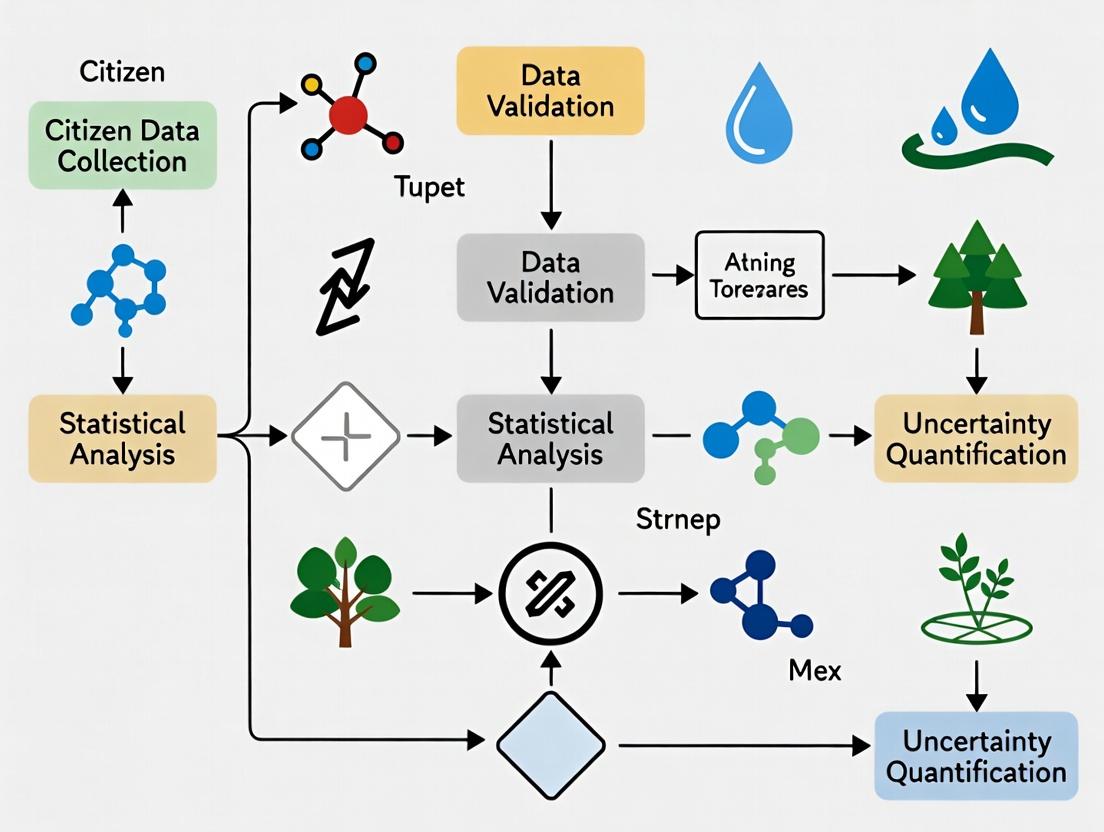
From Noise to Knowledge: Advanced Strategies for Quantifying Uncertainty in Citizen Science for Biomedical Research
Citizen science offers unprecedented data collection potential for environmental epidemiology, drug safety monitoring, and public health surveillance.
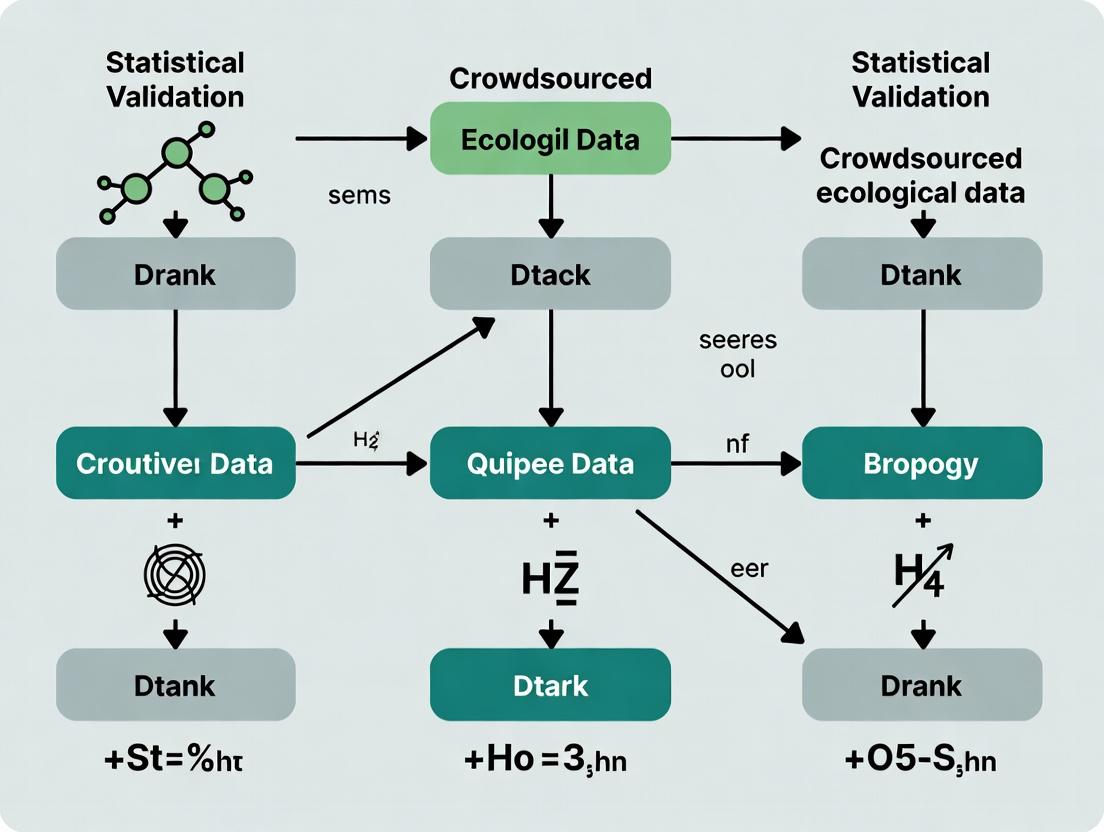
From Citizen Science to Clinical Insights: Validating Crowdsourced Ecological Data for Biomedical Research
Crowdsourced ecological data, collected via citizen science platforms, presents a transformative opportunity for biomedical and environmental health research.
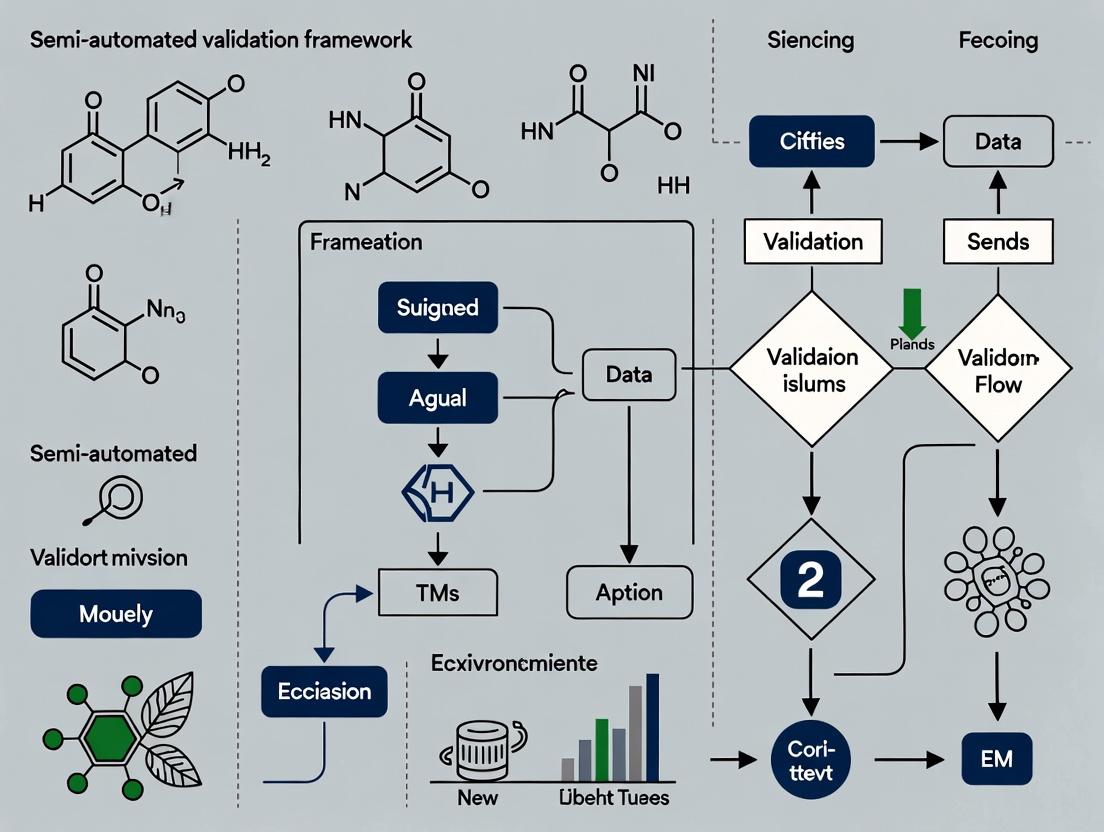
Building Trust in Data: A Semi-Automated Validation Framework for Biomedical Citizen Science
This article introduces a semi-automated validation framework designed to enhance the reliability and utility of data collected through citizen science initiatives in biomedical and clinical research.
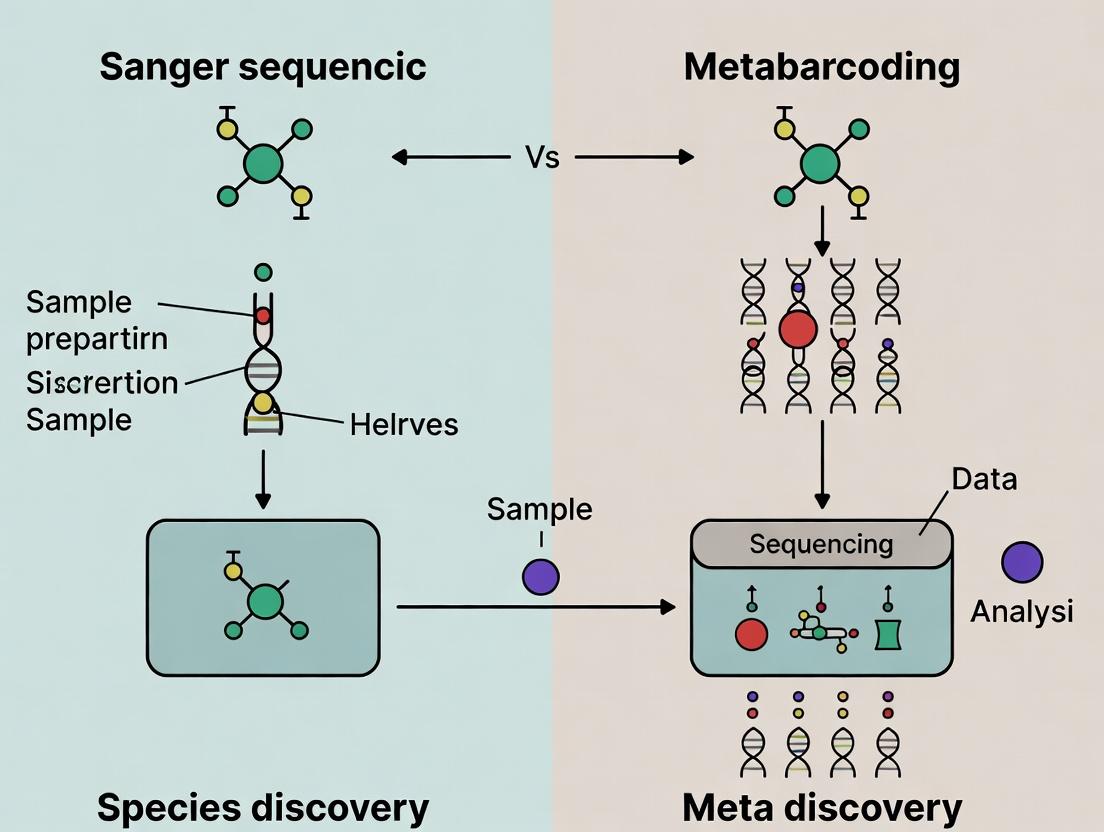
Sanger Sequencing vs. Metabarcoding for Species Discovery: A Comparative Guide for Biomedical Researchers
This article provides a comprehensive comparison of Sanger sequencing and metabarcoding for species discovery and identification, specifically tailored for researchers, scientists, and drug development professionals.
Marinisomatota Taxonomy Demystified: SILVA vs. Greengenes Classification for Microbial Research and Drug Discovery
This article provides a comprehensive guide for researchers, scientists, and drug development professionals navigating the taxonomic classification of the emerging bacterial phylum Marinisomatota (formerly known as candidate phylum NC10).
The Great Photorespiratory Trade-Off: Deciphering Rubisco's Kinetic Limits and CCM Engineering for Therapeutic Innovation
This article provides a comprehensive analysis for researchers and drug development professionals on the critical interplay between Rubisco's inherent kinetic limitations and the biological strategies of Carbon Concentrating Mechanisms (CCMs).