Research Articles
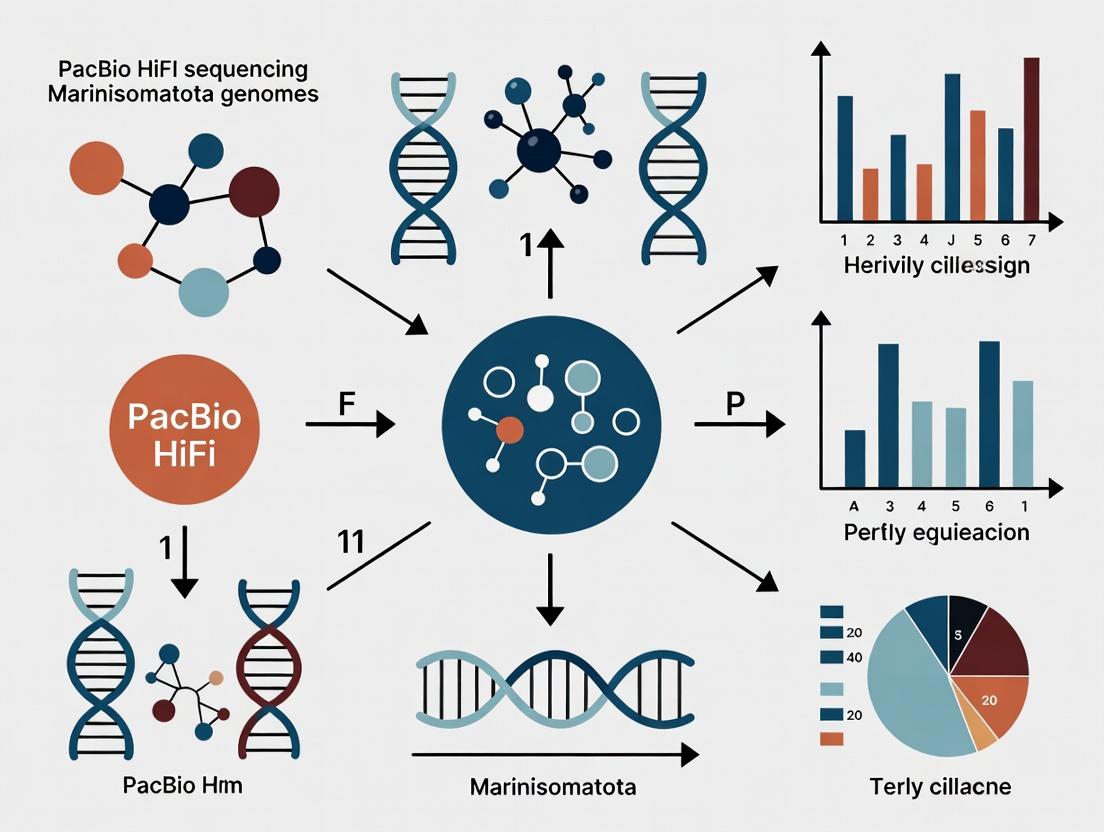
Unraveling Genomic Complexity: PacBio HiFi Sequencing for Complete and Accurate Marinisomatota Genomes
This article provides a comprehensive guide for researchers and biotech professionals on leveraging PacBio HiFi sequencing to decode Marinisomatota genomes.
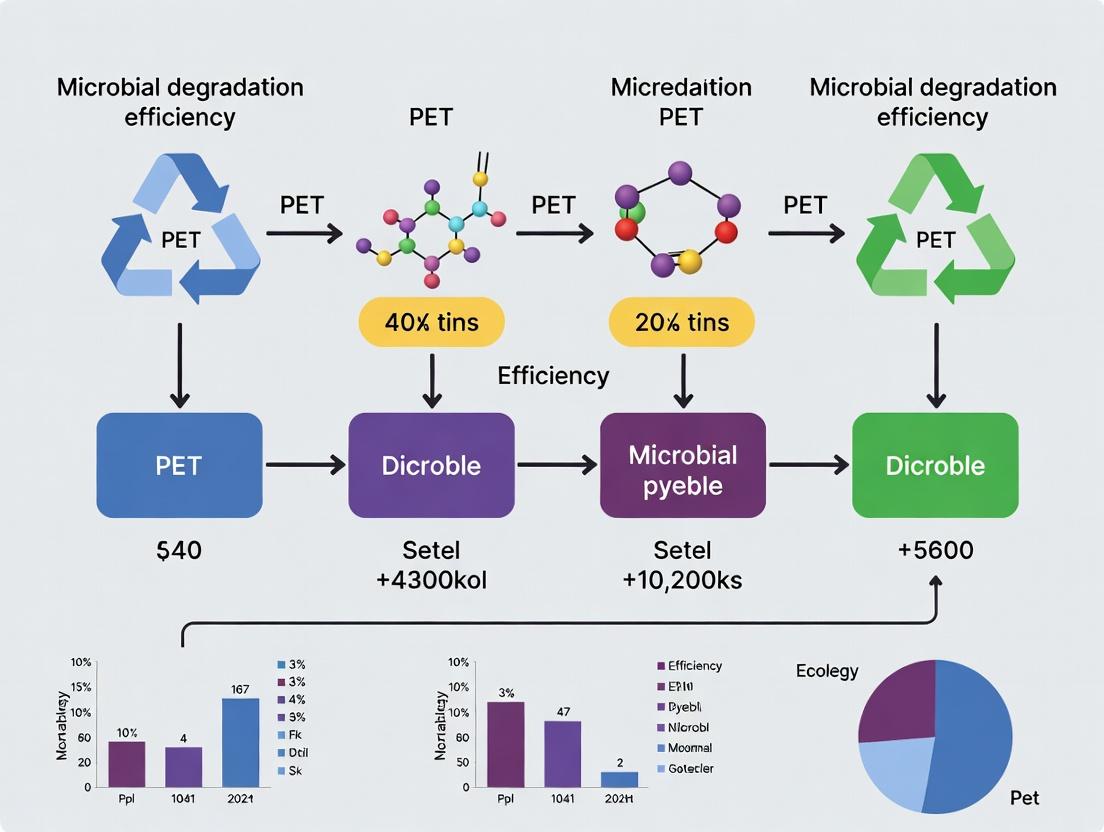
Comparative Analysis of PET Degradation Efficiency: Microbial Enzymes, Consortiums, and Engineered Systems for Biomedical Applications
This article provides a comprehensive comparative analysis of polyethylene terephthalate (PET) biodegradation efficiency across diverse microbial systems, including native and engineered bacteria, fungi, and microbial consortia.
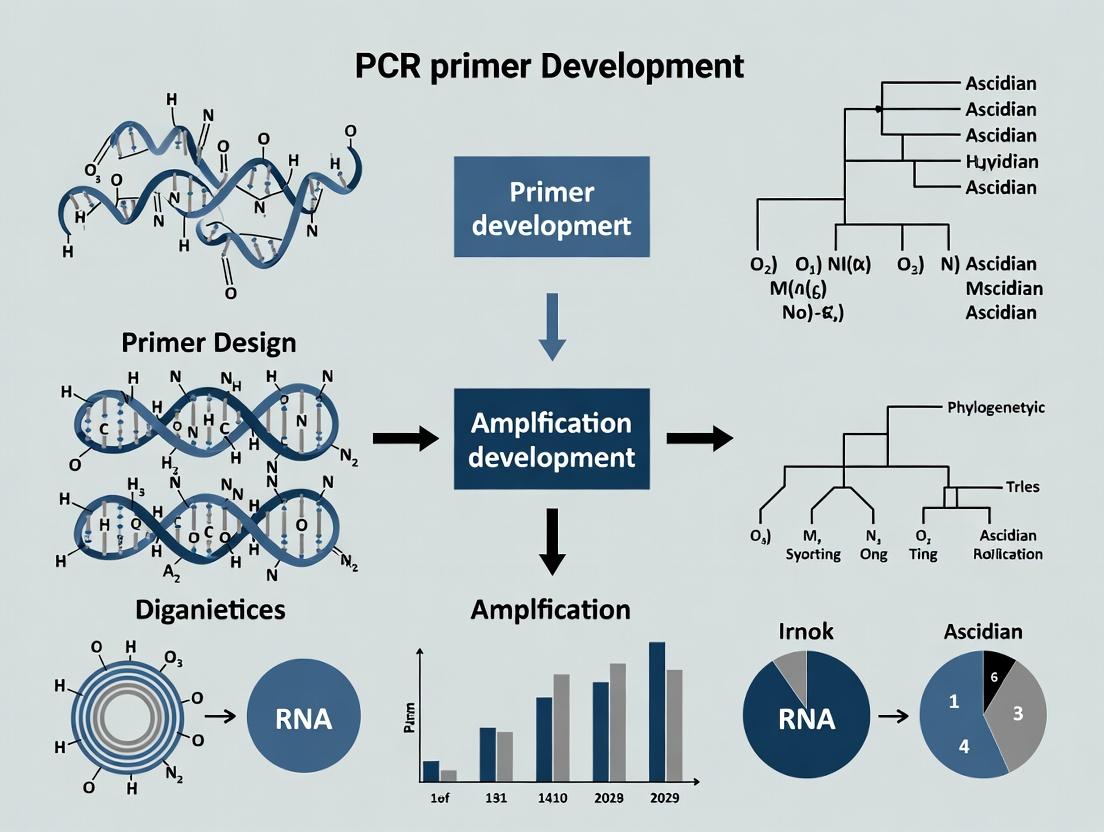
A Step-by-Step Guide to PCR Primer Design for Ascidian Phylogenetics: From Theory to Biomedical Applications
This comprehensive guide details the specialized process of developing effective PCR primers for ascidian phylogenetics, targeting researchers and drug discovery professionals.
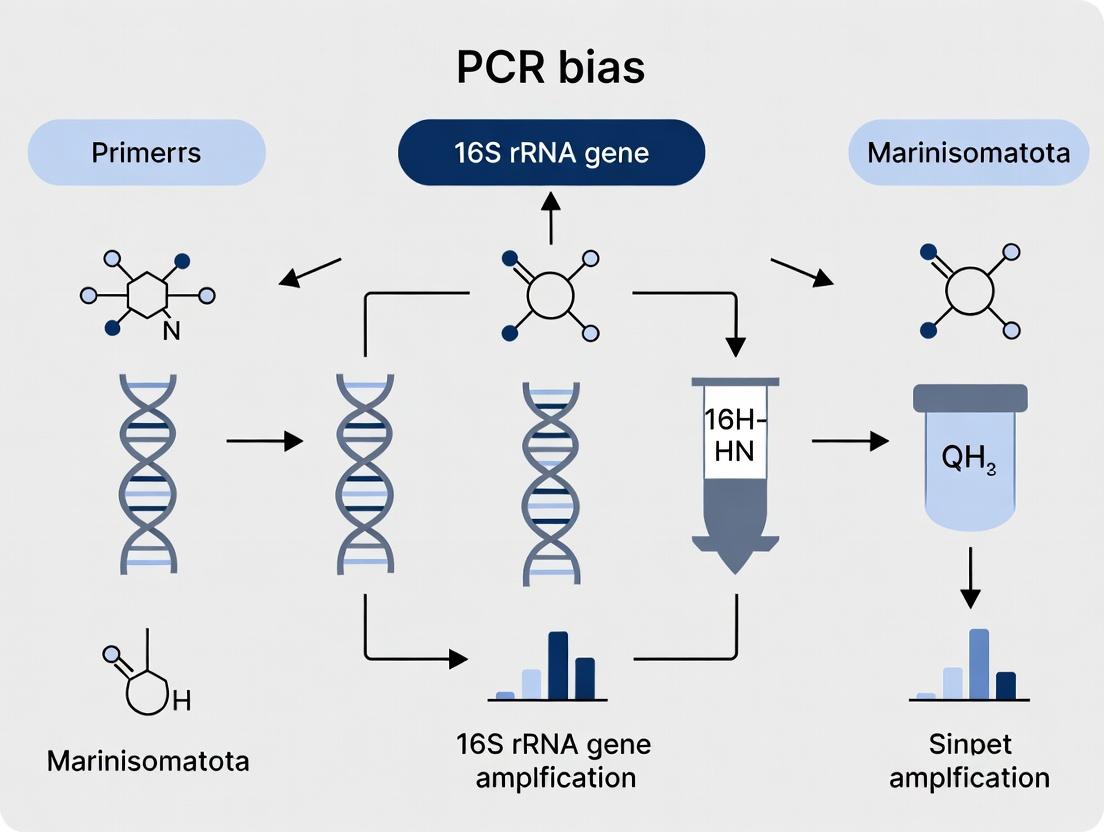
PCR Bias in 16S rRNA Sequencing: Overcoming Amplification Challenges for Accurate Marinisomatota Detection
This article explores the critical impact of PCR amplification bias on the detection and quantification of the bacterial phylum Marinisomatota in 16S rRNA gene sequencing studies.
Unlocking Ecological Dynamics: A Practical Guide to PCMCI for Causal Discovery in Environmental and Biomedical Time Series
This article provides a comprehensive guide to applying the PCMCI (Peter-Clark Momentary Conditional Independence) method for causal discovery in ecological and biomedical time series data.
Balancing Act in Research: Strategies to Optimize Data Quality While Minimizing Volunteer Burden in Clinical Studies
This article provides a comprehensive framework for researchers and drug development professionals to navigate the critical trade-off between data integrity and participant effort in volunteer-based studies.
Data-Driven Volunteer Optimization: Balancing Accuracy & Cost in Biomedical Classification Tasks
This article provides a comprehensive framework for researchers and drug development professionals to determine the optimal number of volunteers (annotators, raters, or participants) for classification tasks in biomedical research.
OptKnock-FVA: A Systematic Guide to Growth-Coupled Strain Design for Bioproduction
This article provides a comprehensive guide to the OptKnock-Flux Variability Analysis (FVA) computational framework for designing growth-coupled microbial cell factories.
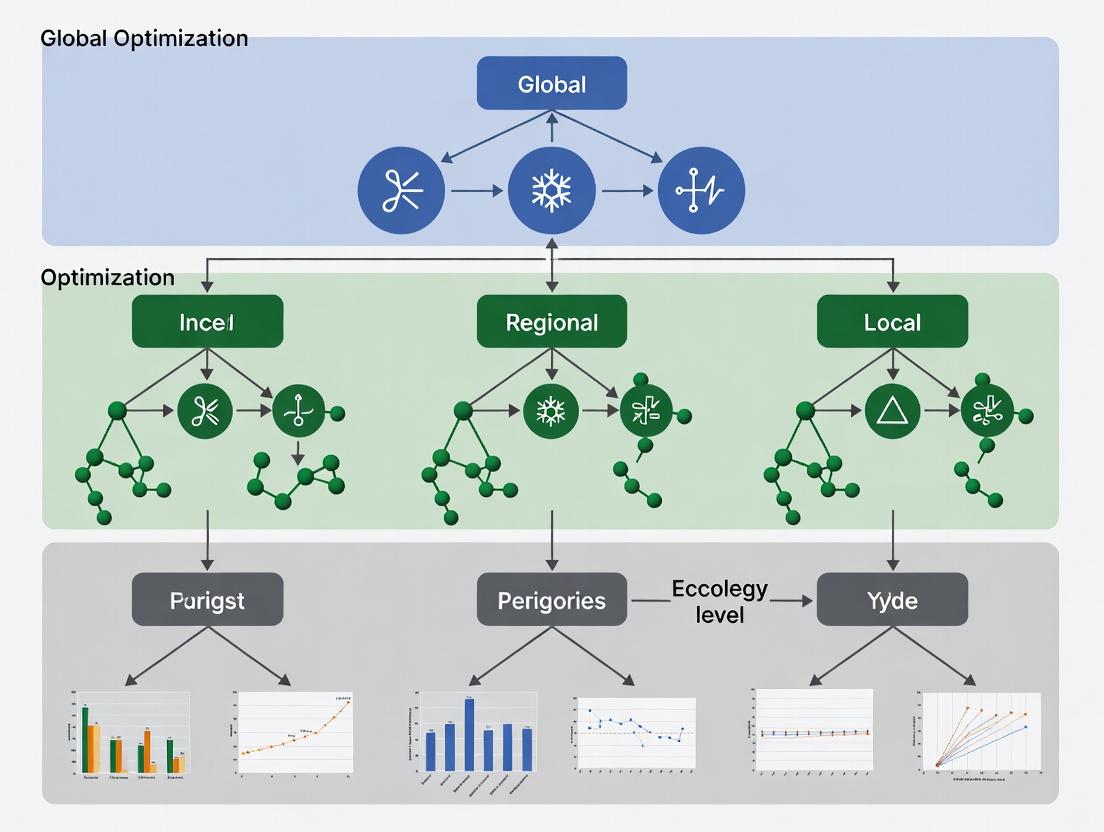
OptCom Framework Explained: A Multi-Level Optimization Strategy for Next-Generation Drug Development
This article provides a comprehensive guide to the OptCom multi-level optimization framework, a powerful computational approach for systems biology and pharmaceutical research.
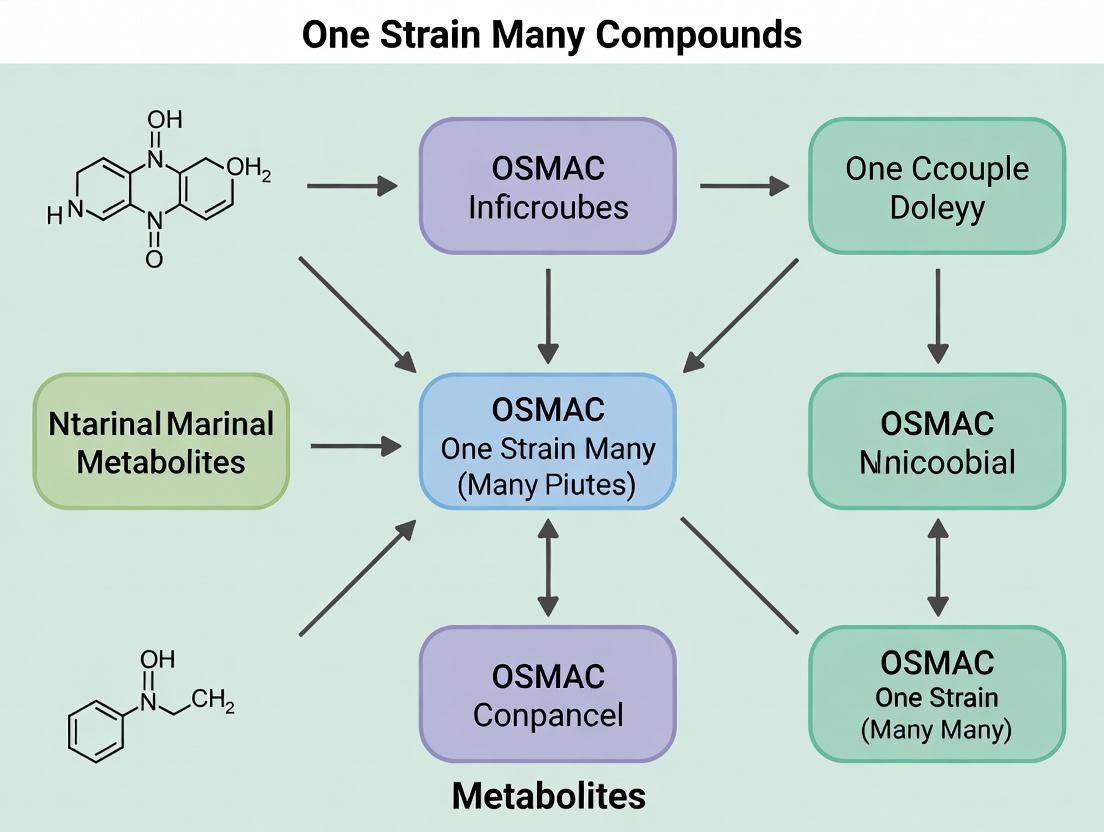
OSMAC Strategy: Unlocking Novel Marine Microbial Metabolites for Drug Discovery
This article provides a comprehensive guide to the OSMAC (One Strain Many Compounds) strategy for maximizing the chemical diversity of marine microbial metabolites.