Research Articles

The Hidden World Beneath the Surface: How a New Bacterium Emerged from Cholera's Shadow
Discover how scientists identified Vibrio paracholerae, a novel sister species to cholera-causing Vibrio cholerae, with implications for public health and disease management.

Ethiopia's White Gold: The Quest to Improve Sesame
Exploring Ethiopia's sesame production, challenges, and scientific approaches for improvement of this vital economic crop

The Invisible Partners: How Humans and Microbes Co-Evolve Through the Food Chain
Explore the fascinating co-evolution between humans and microorganisms through the food chain, from gut microbiome to dietary impacts on health.
How Ungulates Adapt: From Ancient Shifts to Modern Megafires
Exploring ungulate evolution and adaptation through fossil records and modern ecological studies, focusing on behavioral responses to environmental changes.
The Desert Engineers: How Rodents Became Nature's Master Adaptors
Explore how rodents have evolved remarkable adaptations to thrive in harsh desert environments through diversification, specialized physiology, and complex ecological roles.
How a Genetic Accident Shaped Fish Evolution
Explore how a whole-genome duplication event shaped the incredible diversity of teleost fish and their role as unique models for understanding vertebrate evolution.
The Invisible Invader: Unraveling the Seasonal Secrets of the Racer Goby
Explore the seasonal abundance and feeding patterns of the invasive racer goby (Babka gymnotrachelus) in European river ecosystems
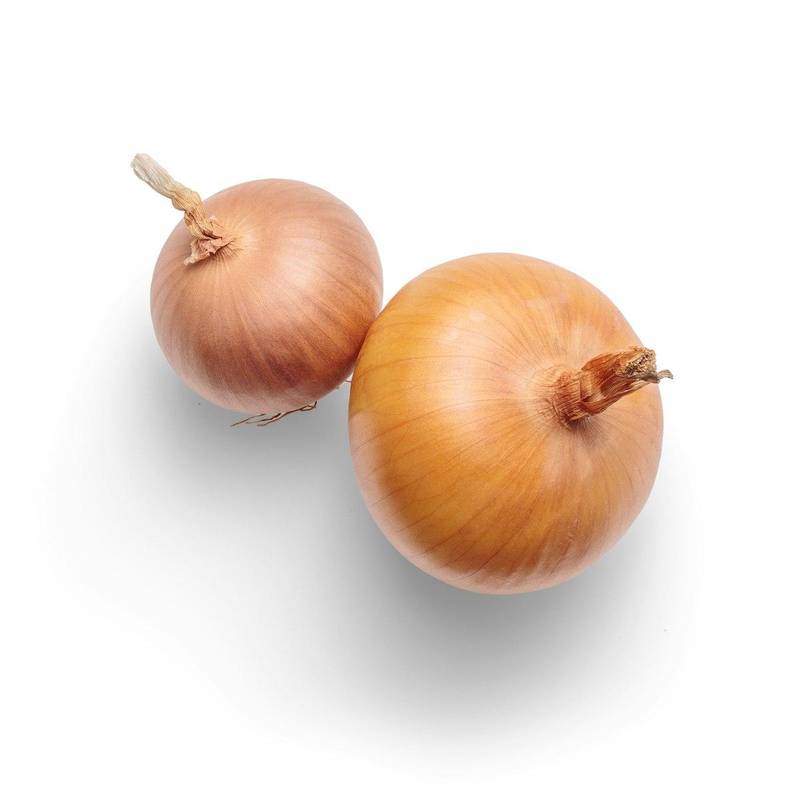
Nature's Allies and Adversaries: The Hidden Economics of the Farm Ecosystem
Explore how beneficial insects like bees and predatory insects provide essential ecosystem services worth billions to global agriculture.
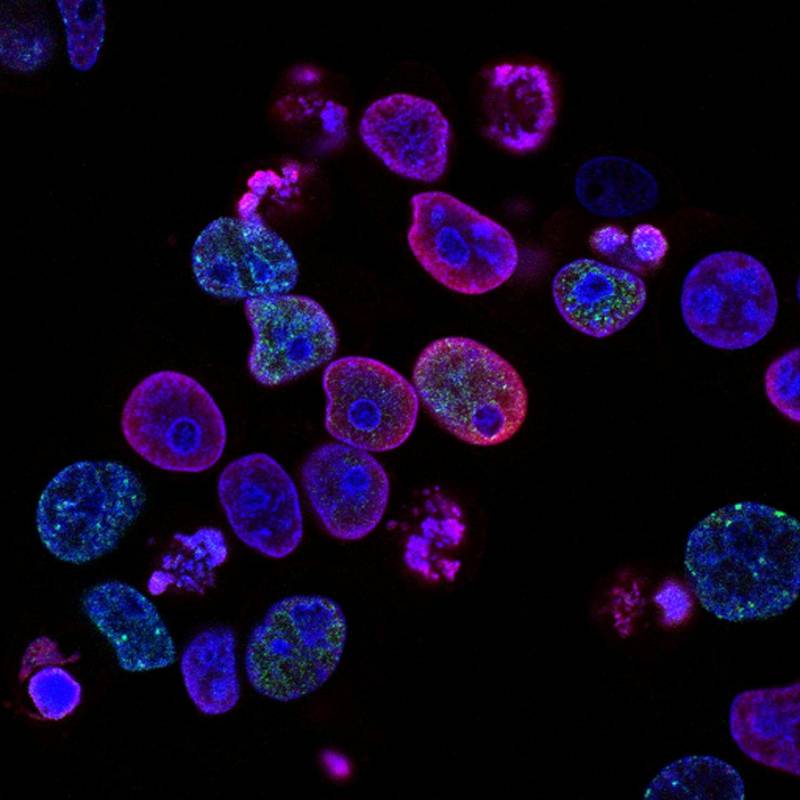
The Great Escape: How Bacteria Use Molecular Disguises to Persist in Our Bodies
Explore how extracellular bacteria use antigenic variation to evade immune systems and establish persistent infections in vertebrate hosts.
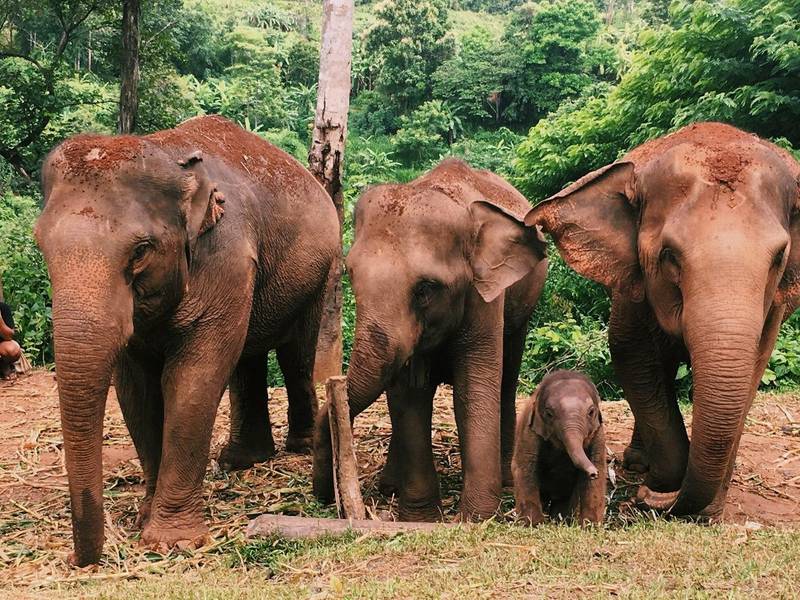
From Bioprospecting to Biorespecting: How Soil is Catalyzing a Scientific Revolution
Explore how soil biodiversity is transforming scientific research from extractive bioprospecting to collaborative biorespecting, with implications for medicine, ethics, and environmental policy.